“Clean eating” gets thrown around a lot, often without much explanation. Depending who you ask, it can sound like a strict diet, a wellness trend, or simply common sense dressed up with a trendy name.
The truth is simpler than the buzzword suggests. Here is a clear, practical explanation of what clean eating actually means, and how to think about it without falling into diet-culture traps.
There is also no single official definition, which is part of why it causes so much confusion. This is our honest, practical take on it.
It is worth saying upfront: nothing here is medical advice, and anyone with specific health conditions should speak with a doctor or dietitian. What follows is a general, sensible framework rather than a strict prescription.
Where the term came from
“Clean eating” grew out of a broader shift away from heavily processed, packaged convenience food and back toward simpler, whole-food cooking.
It was never trademarked or formally defined by any single health authority, which is exactly why the interpretation varies so much depending on who is using it — a wellness influencer, a dietitian and a food blogger might all mean slightly different things by the same phrase.
That lack of a fixed definition is not necessarily a bad thing. It leaves room to apply the general principle sensibly to your own life, rather than forcing everyone into an identical, one-size-fits-all set of rules.
The core idea, simply put
At its heart, clean eating means choosing foods that are as close as possible to their natural state, and limiting heavily processed alternatives.
That means more fruits, vegetables, whole grains, legumes, nuts and healthy fats, and less reliance on packaged snacks, refined sugar and heavily processed convenience foods. It is a focus on quality, not a strict rulebook.
Think of it as a spectrum rather than a switch. Very few people eat 100% whole foods 100% of the time, and that is not the goal — shifting the overall balance of your diet toward more whole foods is what matters, not achieving some theoretical purity.
That framing also makes the whole idea far less intimidating to start. You are not aiming for a finish line, just a gradual shift in direction.
Give yourself credit for the direction of travel, not just the destination.
And if you ever find yourself unsure whether a choice fits, ask a simple question: is this closer to how nature made it, or further away? More often than not, the answer is obvious.
That one question tends to cut through most of the noise around clean eating far better than any strict rulebook ever could.

What clean eating is not
A lot of confusion around clean eating comes from what people assume it requires, rather than what it actually does.
- It is not about eliminating whole food groups — whole grains and legumes are very much included.
- It is not about eating only raw food — cooking, pasteurising and preserving are all fine.
- It is not a strict, rule-bound diet — there is no official governing body or rigid checklist.
- It is not about perfection — an occasional processed treat does not undo the approach.
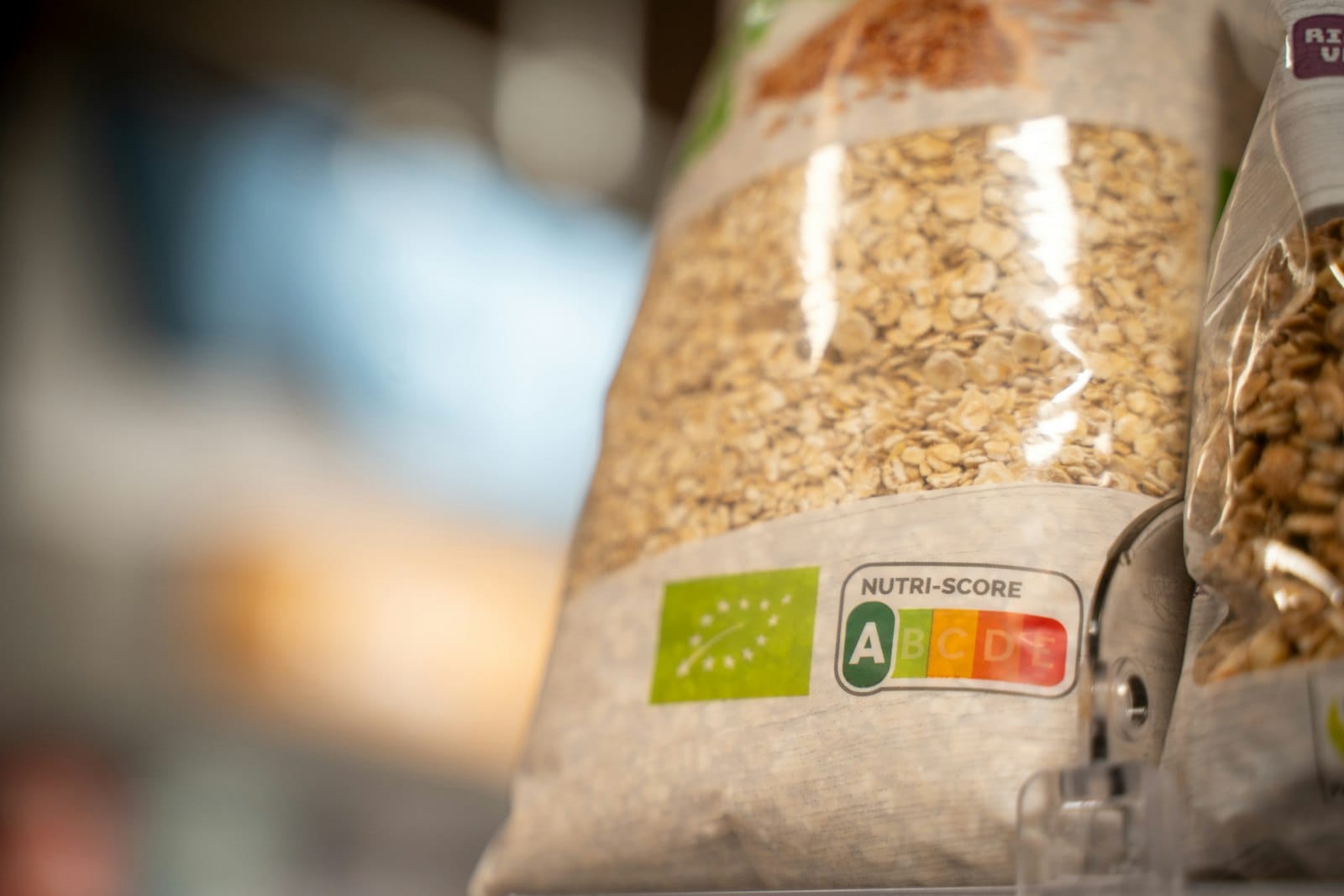
A simple way to spot processed vs whole foods
One practical trick: check the ingredients list. If it is short, and made up of things you recognise, that is a good sign.
| Food type | Example | Clean eating fit |
|---|---|---|
| Whole food | An apple, brown rice, lentils | Naturally fits — minimal or no processing |
| Minimally processed | Frozen vegetables, canned beans | Fits well — convenient without much added |
| Heavily processed | Packaged snacks, sugary cereal | Best limited, not banned |
| Ultra-processed | Foods with long, unfamiliar ingredient lists | Worth reducing where practical |
Why this approach actually helps
The appeal of clean eating is less about a specific rule and more about a general shift in focus.
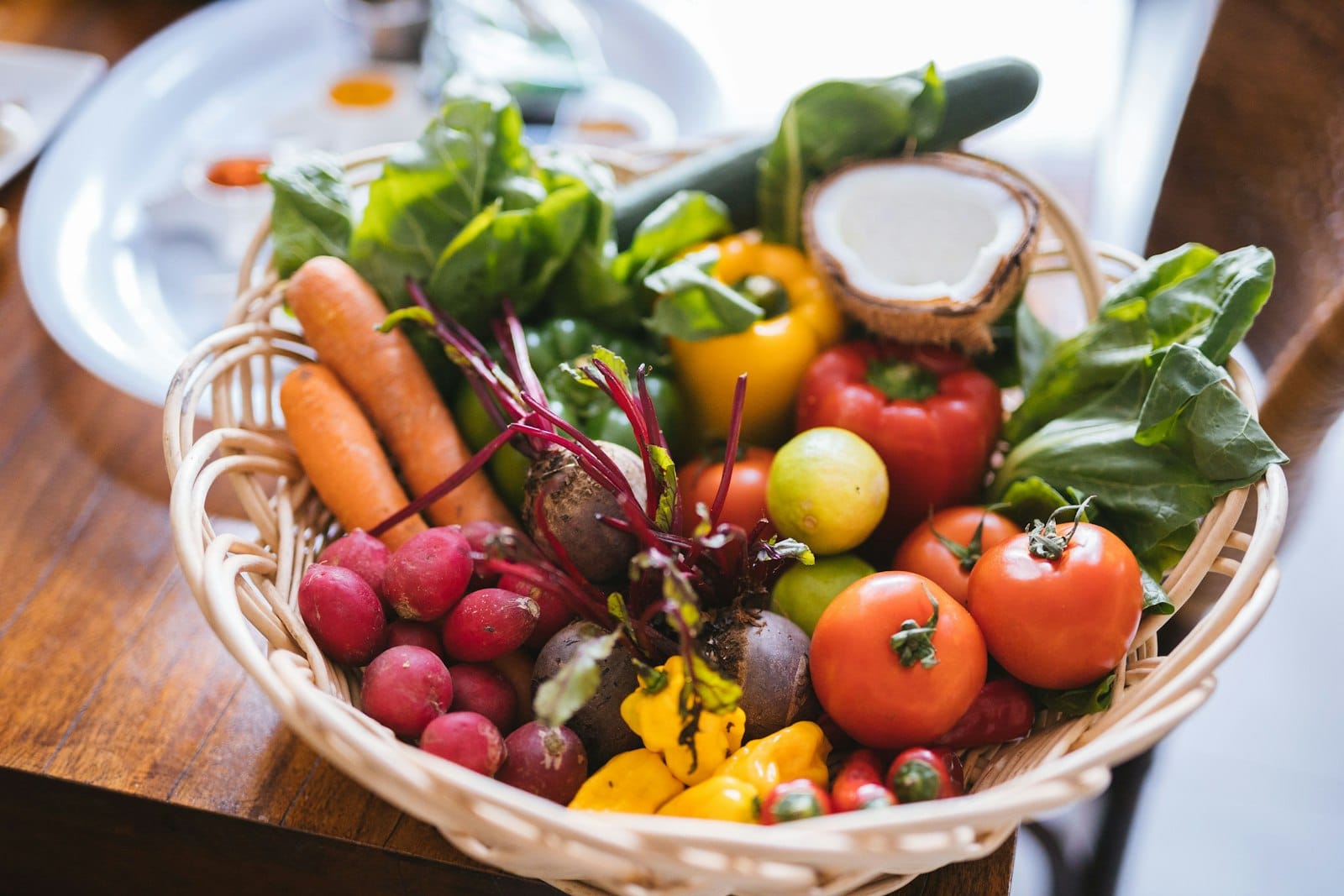
Whole foods tend to be naturally higher in fibre, vitamins and minerals, and lower in added sugar, sodium and unnecessary additives. Eating more of them, more often, is a genuinely sensible way to support long-term health — without needing to memorise a strict list of banned ingredients.
There is also a simplicity benefit that often gets overlooked: cooking with whole ingredients tends to naturally build better kitchen skills and food confidence over time, which pays off well beyond any single health metric.
Getting started without overhauling everything
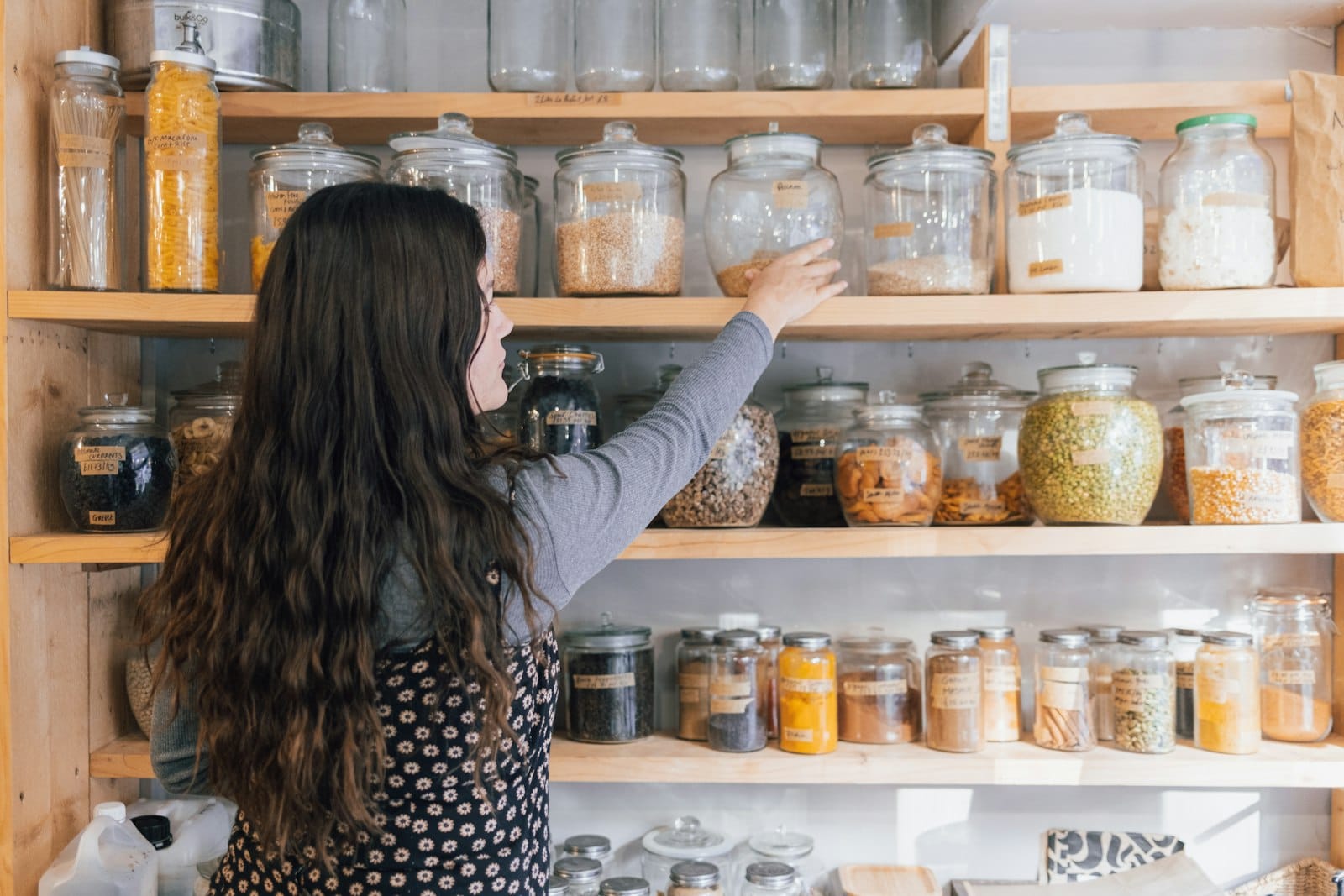
You do not need a full pantry clear-out to eat cleaner — small, gradual shifts work just as well.
- Swap one packaged snack a day for a piece of fruit or a handful of nuts.
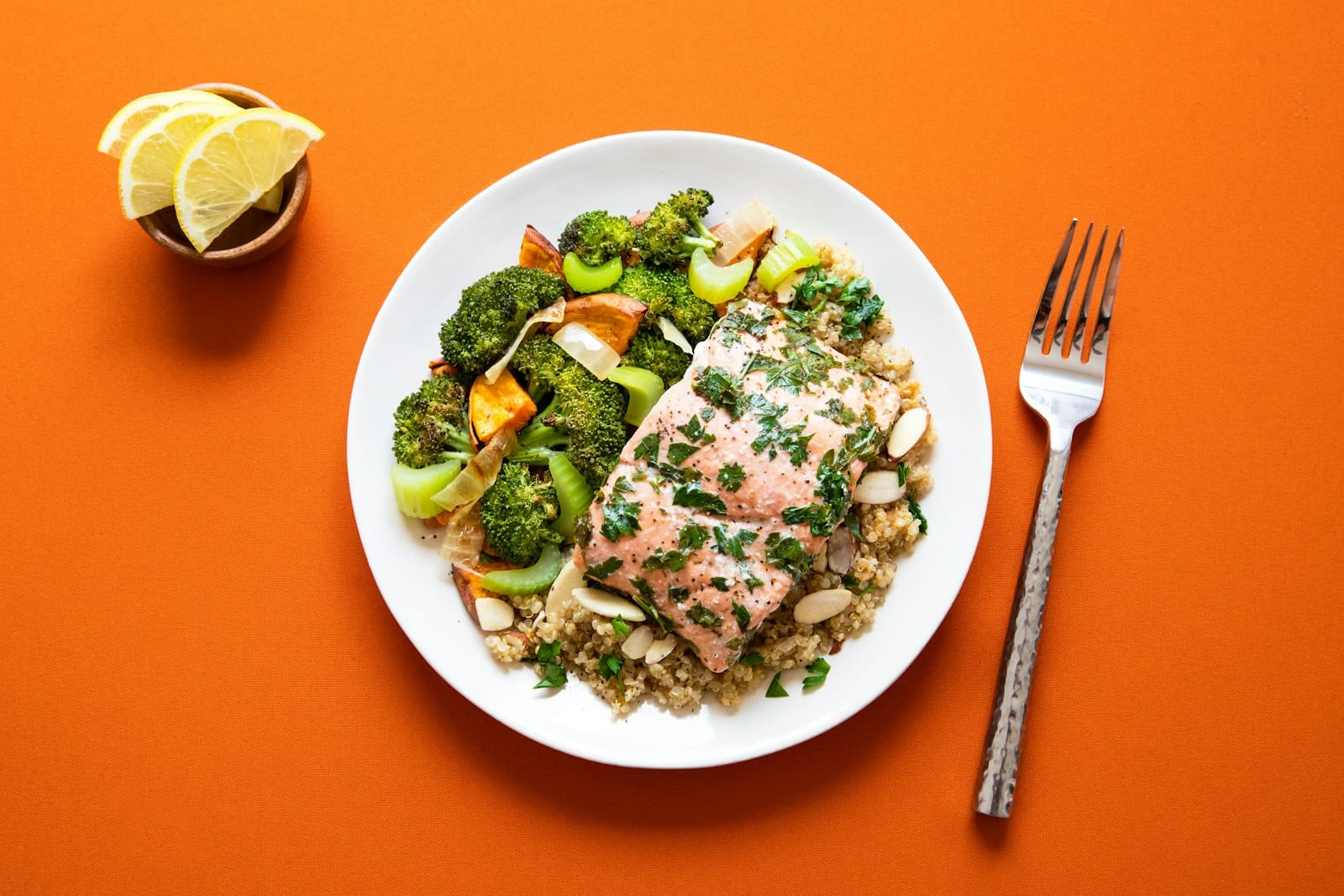
- Cook simple meals at home more often, using whole ingredients.
- Choose wholegrain versions of bread, rice and pasta where you can.
- Read labels out of curiosity, not anxiety — it is information, not a test.
A note on balance
It is worth saying plainly: an occasional treat or convenience meal does not undo the benefits of eating well most of the time. Clean eating is not meant to be a source of stress or guilt.
For a well-balanced, evidence-based view of healthy eating patterns generally, Nutrition Australia is a reliable resource worth exploring further.
Clean eating at The Cardamom Pod
Our kitchen leans naturally toward this philosophy — fresh, whole plant-based ingredients, cooked simply with warming spices, without unnecessary processed additions.
Browse our full plant-based menu, or book a table at The Brickworks in Southport.
The bigger picture
Ultimately, clean eating is less a diet to follow and more a lens to apply — a way of noticing, gradually, which choices are moving you toward whole foods and which are not.
Approached that way, without the guilt or rigidity some wellness trends attach to it, it becomes a genuinely sustainable way to eat well for the long term, rather than another short-lived fad to abandon in a few months.
And if a meal does not fit the “clean” label perfectly, that is fine too. The goal was always progress, not a perfect scorecard.
Frequently asked questions
What is clean eating?
Clean eating means focusing on whole, minimally processed foods — fruits, vegetables, whole grains, legumes and healthy fats — while limiting heavily processed and packaged foods.
Is clean eating the same as a strict diet?
No. Clean eating is not an official diet with rigid rules; it is more a general approach to choosing whole foods over processed ones, with plenty of flexibility built in.
Does clean eating mean cutting out entire food groups?
Not unless medically necessary. Clean eating focuses on food quality, not elimination — whole grains, legumes and healthy fats are all part of it, not excluded.
Is clean eating expensive?
It does not have to be. Staples like rice, oats, legumes and seasonal vegetables are some of the most affordable foods available, and clean eating does not require specialty products.
Does The Cardamom Pod fit a clean eating approach?
Yes — our menu is built around fresh, whole plant-based ingredients and warming spices, cooked simply and without unnecessary processed additions.
Keep exploring
For more, read our guides to vegan kitchen staples, a beginner’s guide to plant-based eating, and plant-based diets and weight loss.
Leave a Reply