Author: The Cardamom Pod

  • Vegan Pregnancy Nutrition: A Complete Guide

    Vegan Pregnancy Nutrition: A Complete Guide

    A vegan pregnancy is entirely achievable with the right planning — major health bodies around the world agree a well-structured plant-based diet can meet nutritional needs at every stage of pregnancy.

    This guide covers the nutrients that deserve the most particular attention, and practical, realistic ways to meet them through everyday food choices and supplementation.

    As always, this is general information rather than medical advice — working closely with a doctor or dietitian is genuinely worthwhile throughout pregnancy, whether vegan or not.

    The nutrients that need the most attention

    A handful of key nutrients are either absent from plant foods entirely or genuinely harder to obtain in sufficient amounts, making each one worth planning around quite deliberately.

    NutrientWhy it mattersPlant sources
    Vitamin B12Nervous system, red blood cellsFortified foods, supplement essential
    IronPrevents anaemia, supports increased blood volumeLentils, beans, tofu, fortified cereals
    CalciumBone developmentFortified plant milk, tofu, leafy greens
    Iodine & omega-3Baby’s brain developmentIodised salt, algae-based omega-3
    Nutrients that need deliberate attention during a vegan pregnancy.
    Prenatal vitamin supplements

    Protein needs during pregnancy

    Protein requirements genuinely increase as pregnancy progresses, with most current guidance suggesting around 75–85 grams daily by the later stages — roughly 28 grams more than typical non-pregnant needs.

    Tofu, seitan, legumes, nuts and whole grains, spread reasonably evenly across meals, make this genuinely achievable without much difficulty. See our guide to vegan protein sources for the fuller picture.

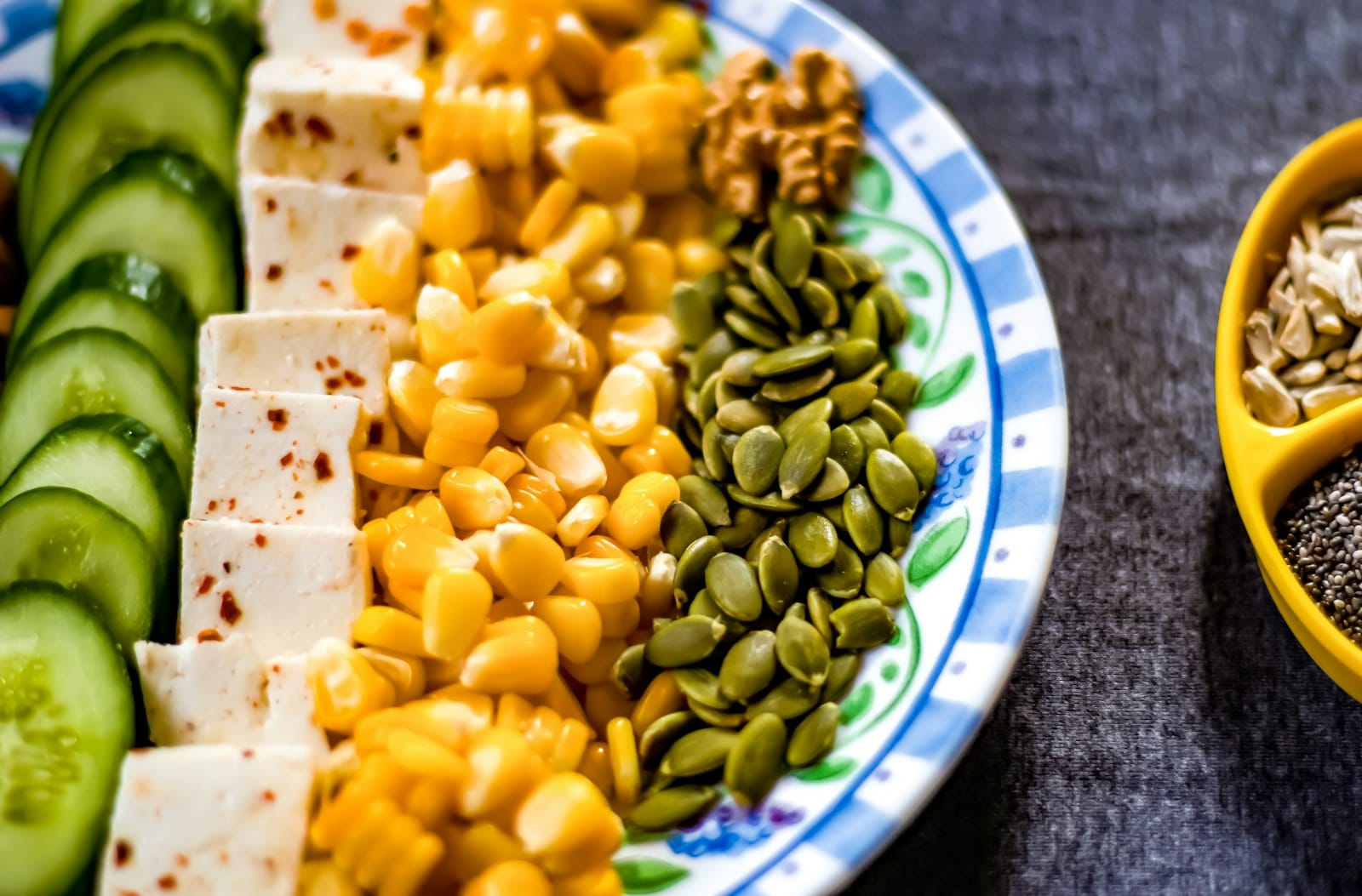
    A tofu protein dish

    Iron: a nutrient worth watching closely

    Iron needs increase quite notably during pregnancy to support the body’s expanding blood volume, and plant-based iron (non-haem iron) is absorbed somewhat less efficiently than the iron found in animal products.

    Pairing iron-rich foods like lentils and beans with a source of vitamin C — citrus, capsicum, tomato — meaningfully improves absorption. See our guide to iron-rich vegan foods for practical combinations.

    A plate of iron-rich foods

    B12: the one that cannot come from plants

    Vitamin B12 does not occur naturally in plant foods in any reliable form, making fortified foods and a dedicated supplement essential for any vegan diet, pregnancy or not.

    This is one of the most consistently agreed-upon points across vegan nutrition guidance — see our guide to vitamin B12 on a vegan diet for more detail on dosing and sources.

    A day of eating, roughly sketched

    A well-rounded vegan pregnancy diet does not need to be complicated at all — a few thoughtfully built meals, repeated with variation, genuinely cover most of the important bases.

    • Breakfast: fortified plant milk with oats, chia seeds and fruit.
    • Lunch: a lentil or chickpea salad with leafy greens and a vitamin C-rich dressing.
    • Dinner: tofu or tempeh stir-fry with tahini sauce and whole grains.
    • Snacks: nuts, seeds, hummus with vegetables, or a smoothie with plant yoghurt.
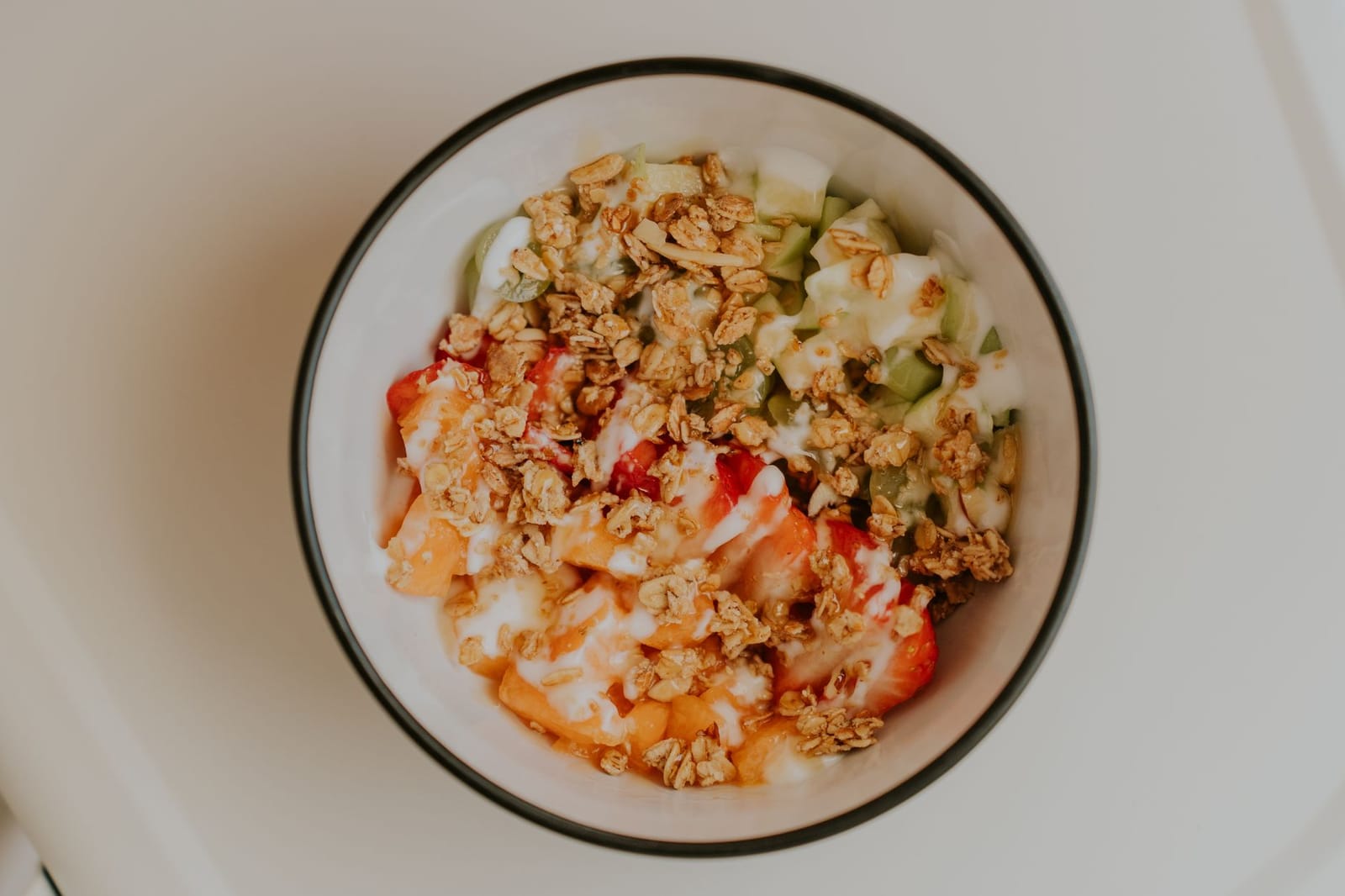
    A colourful bowl of fresh fruit

    Why a prenatal supplement still matters

    Even with a well-planned diet, a prenatal multivitamin is standard advice for vegan and non-vegan pregnancies alike, typically covering folic acid, iodine, vitamin D and often B12 and iron.

    It is worth discussing your specific supplement needs with a doctor early in pregnancy, since individual requirements can vary.

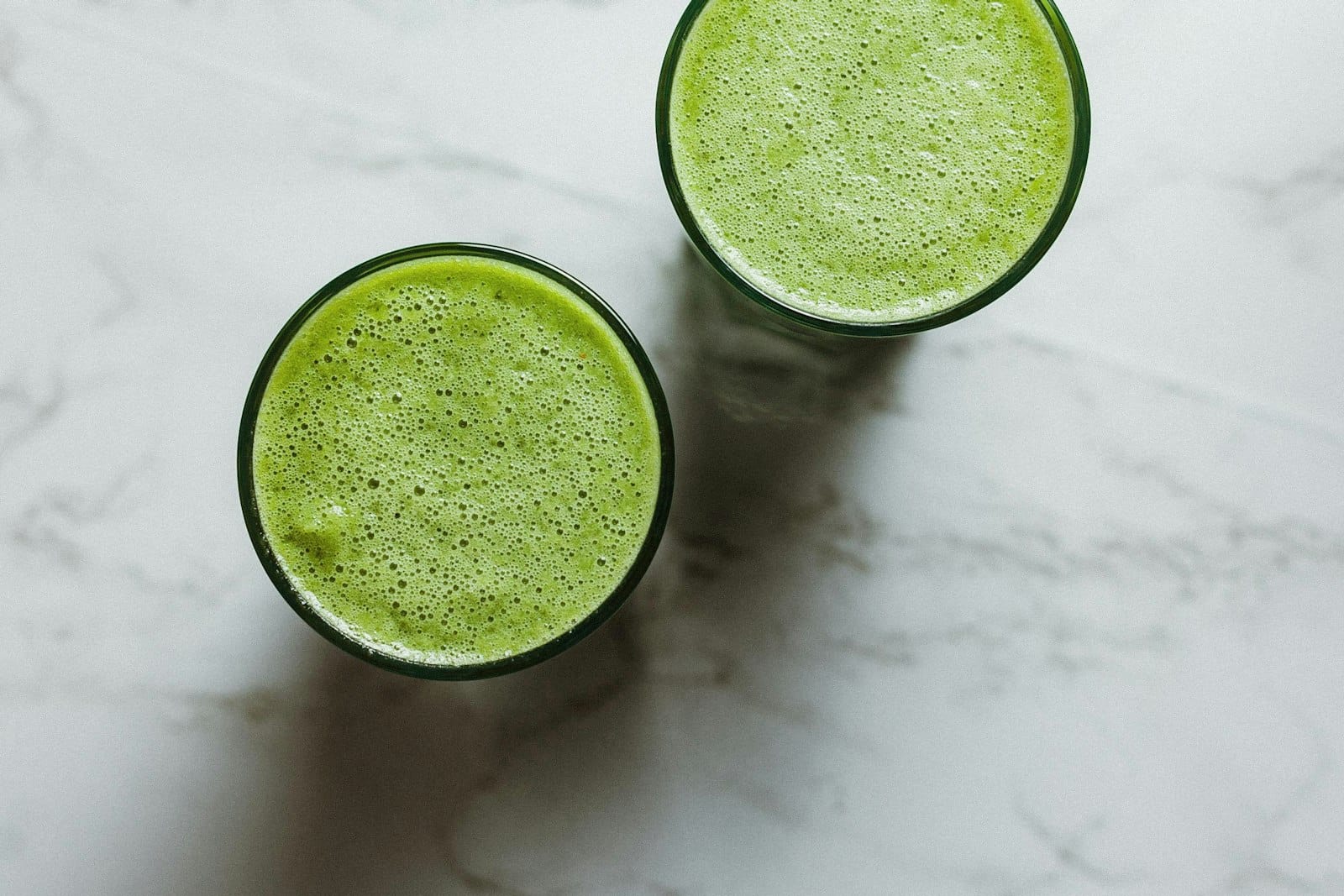
    A green smoothie in a glass

    Choline and omega-3: two easy to overlook

    Choline, genuinely important for the baby’s brain development, is found in modest amounts in tofu, soy milk and legumes, though vegan diets can run lower in choline overall than diets that include eggs.

    Omega-3s, similarly important for brain development, are best obtained on a vegan diet through an algae-based supplement, since plant sources like flax and chia provide a less efficiently converted form.

    Healthy meal prep containers

    Common concerns worth addressing early

    A few concerns tend to come up repeatedly for anyone considering, or already navigating, a vegan pregnancy, and most of them have a genuinely straightforward answer once explained properly.

    Nausea in the first trimester can make it genuinely harder to eat a varied diet, so it is worth not being too hard on yourself if meals look less balanced during that period — whatever stays down consistently is the priority, and variety can be rebuilt as symptoms ease. Weight gain expectations are the same for vegan and non-vegan pregnancies alike, and a well-planned plant-based diet supports healthy gestational weight gain just as effectively.

    Meal planning as pregnancy progresses

    Nutritional needs and appetite both shift noticeably across pregnancy, so it is worth genuinely revisiting your meal plan each trimester rather than assuming the same approach works all the way through.

    Simple, batch-prepared meals become particularly useful in the later stages, when cooking motivation and energy can dip — see our guide to vegan meal prep for practical strategies.

    Working with a professional

    A dietitian familiar with vegan nutrition can help confirm your specific diet is genuinely meeting the needs of your particular pregnancy, especially in the first trimester when nutritional demands first begin noticeably shifting.

    This guide is general information, not medical advice — always check any significant dietary decision with your own healthcare provider.

    A pregnancy that can absolutely thrive plant-based

    With a bit of genuine attention to the nutrients that need it most, a vegan pregnancy can be just as well-nourished as any other — the planning simply needs to be a little more deliberate and consistent.

    Browse our full plant-based menu at The Cardamom Pod, or book a table at The Brickworks in Southport for a nourishing meal out.

    For detailed nutritional guidance specific to vegan pregnancy, The Vegan Society’s pregnancy and breastfeeding nutrition guide is a thorough, dietitian-reviewed resource.

    A little planning goes a long way

    None of this needs to feel overwhelming — a few consistent habits around B12, iron, calcium and a good prenatal supplement cover most of what matters.

    Talk to your care team, eat a varied diet, and trust that plant-based pregnancy nutrition is genuinely well-supported by the evidence, provided the fundamentals in this guide are covered consistently.

    Pregnancy is demanding enough without added dietary stress — a reasonably varied plate, a good prenatal supplement and regular check-ins with your care team really do cover the essentials.

    Frequently asked questions

    Is it safe to be vegan during pregnancy?

    Major health bodies agree that a well-planned vegan diet can meet nutritional needs throughout pregnancy, provided key nutrients like B12, iron, calcium, omega-3 and iodine are specifically accounted for.

    How much protein do vegans need during pregnancy?

    Most guidance suggests around 75–85 grams of protein daily by later pregnancy, achievable through tofu, legumes, seitan, nuts and whole grains spread across meals.

    Does a vegan pregnancy diet need supplements?

    Almost always yes — a prenatal multivitamin covering B12, iron, iodine and vitamin D is standard advice for vegan and non-vegan pregnancies alike, and worth discussing with a doctor early on.

    What are the most important nutrients to watch during a vegan pregnancy?

    B12, iron, calcium, iodine, choline and omega-3 fatty acids deserve particular attention, since they are either absent or harder to obtain in sufficient amounts from plants alone.

    Should I see a dietitian during a vegan pregnancy?

    It is a genuinely good idea, particularly in the first trimester, to make sure your specific diet is covering everything needed for that stage of pregnancy.

    Keep exploring

    For more, read our guides to vitamin B12 on a vegan diet, iron-rich vegan foods, and vegan calcium: sources and how much you need.

  • Plant-Based Diets & Heart Health

    Plant-Based Diets & Heart Health

    Heart health is one of the more thoroughly researched areas of plant-based nutrition, with a genuinely large and growing body of evidence pointing to real cardiovascular benefits.

    This guide covers what the research actually shows, and the everyday foods genuinely worth prioritising if heart health is a personal focus for you or your family.

    As with any health topic, the details genuinely matter more than the label — a whole-food plant-based diet and a diet built mostly around vegan junk food are very different things for your heart.

    What the research shows

    Multiple large studies have linked plant-based diets to meaningfully lower rates of coronary heart disease and cerebral vascular disease, with some analyses suggesting risk reductions in the range of 30–40% for heart disease events.

    Longer-term data also suggests that eating more plant-based earlier in life is associated with a meaningfully lower risk of heart attack, stroke and other cardiovascular conditions later on in adulthood.

    Fresh leafy greens

    Why fibre matters so much

    Fibre, found abundantly in beans, lentils, vegetables and whole grains, plays a genuinely significant role in cardiovascular health.

    Soluble fibre in particular binds to cholesterol in the digestive system, reducing how much gets absorbed into the bloodstream — a mechanism that helps explain why fibre-rich diets are consistently linked to lower LDL cholesterol.

    A slice of whole grain bread

    The foods doing the most heavy lifting

    A handful of plant-based food groups show up repeatedly in heart health research.

    Food groupWhy it matters
    Oats & whole grainsSoluble fibre, helps lower LDL cholesterol
    Legumes (beans, lentils)Fibre and protein, supports healthy blood pressure
    Nuts & seedsUnsaturated fats, linked to improved cholesterol
    Leafy greensNitrates and antioxidants, support blood vessel health
    Plant-based food groups most consistently linked to heart health.
    A mix of nuts and seeds

    Not all plant-based food is equal

    It is worth being clear-eyed here — a diet built around chips, packaged vegan snacks and sugary drinks technically qualifies as plant-based, but does not carry the same cardiovascular benefits as one built around whole foods.

    Research consistently distinguishes between whole, minimally processed plant foods and heavily processed plant-based products, with the benefits concentrated firmly in the former.

    A healthy bowl of oats

    Beyond cholesterol: blood pressure and inflammation

    Plant-based diets are also associated with improvements in blood pressure and markers of inflammation, both of which play a role in overall cardiovascular risk.

    Potassium-rich foods like leafy greens, beans and bananas support healthy blood pressure, while antioxidant-rich fruits and vegetables help address the low-grade inflammation linked to heart disease over time.

    A bowl of fresh berries

    Building a heart-healthy plate

    A few practical habits make the biggest difference day to day.

    • Choose whole grains over refined where possible — oats, brown rice, whole wheat.
    • Include a source of legumes most days — beans, lentils, chickpeas.
    • Add a small handful of nuts or seeds regularly.
    • Fill half the plate with vegetables, especially leafy greens.

    It is not just about diet

    Diet is one part of a bigger picture — regular movement, adequate sleep and stress management all play meaningful roles in cardiovascular health alongside what you eat.

    A brisk daily walk, alongside the dietary changes above, is a genuinely simple, evidence-backed habit worth building.

    A person walking outdoors

    What the evidence does not say

    It is worth being precise about what the research actually shows — it points to a strong association between plant-based eating patterns and lower cardiovascular risk, not a guarantee that any single food or diet change will prevent heart disease outright.

    Genetics, existing health conditions and other lifestyle factors all interact with diet in ways that vary meaningfully from person to person, which is exactly why individual medical guidance matters alongside general dietary advice like this.

    A practical week of heart-healthy eating

    Turning general advice into an actual weekly pattern can be simpler than it sounds.

    • Swap white rice or bread for wholegrain versions where you can.
    • Add a tin of beans or lentils to at least one meal most days.
    • Snack on a small handful of walnuts or almonds instead of packaged crisps.
    • Aim for at least one meal a day built mostly around vegetables.

    A note on medical guidance

    Dietary changes are a meaningful lever, but they are not a substitute for medical care, particularly for anyone with an existing heart condition or on medication.

    A GP or dietitian can help tailor any dietary change safely, alongside your current treatment plan, and can also monitor relevant markers like cholesterol and blood pressure over time to confirm the changes are actually working for you specifically.

    Saturated fat: still worth watching

    While plant-based diets are generally lower in saturated fat than diets built around animal products, it is worth remembering that coconut oil, some plant-based butters and heavily processed vegan snack foods can still carry meaningful amounts.

    Favouring unsaturated fats from sources like olive oil, nuts, seeds and avocado over saturated ones remains sound advice regardless of whether a diet is plant-based or not.

    A diet worth building around whole foods

    The evidence for plant-based eating and heart health is genuinely strong, provided the focus stays on whole, minimally processed foods rather than the plant-based label alone.

    For more on building a nutritionally complete plate, see our guide to vegan protein sources, or browse our full plant-based menu at The Cardamom Pod.

    For more on the research behind plant-based diets and cardiovascular risk, the American Heart Association’s coverage of this research is a solid starting point.

    Small, consistent changes add up

    You do not need to overhaul your entire diet overnight to see benefit — gradually shifting toward more whole plant foods, most days, is a realistic and evidence-backed place to start.

    Your heart, quite literally, benefits from the effort over time, and small consistent swaps tend to stick far better than a dramatic overnight overhaul that is hard to sustain.

    Pick one or two changes from this guide, build them into a genuine habit, and layer on more once they feel automatic rather than trying to change everything at once.

    Frequently asked questions

    Can a plant-based diet actually lower heart disease risk?

    Research points that way — studies have linked plant-based eating patterns with meaningfully lower rates of coronary heart disease and stroke, particularly when the diet centres on whole foods.

    Does going plant-based automatically mean a healthier heart?

    Not necessarily — heavily processed vegan foods like chips, packaged snacks and sugary drinks do not carry the same cardiovascular benefits as whole plant foods.

    What plant-based foods are best for heart health?

    Fibre-rich foods like oats, legumes, vegetables and whole grains, along with sources of unsaturated fat like nuts, seeds and avocado, are consistently linked to better cardiovascular markers.

    How does fibre help the heart?

    Soluble fibre in particular can help lower LDL (“bad”) cholesterol by binding to it in the digestive system, reducing how much is absorbed into the bloodstream.

    Should I talk to a doctor before changing my diet for heart health?

    Yes, especially if you have an existing heart condition or take medication — a GP or dietitian can help tailor dietary changes safely alongside any existing treatment.

    Keep exploring

    For more, read our guides to is a vegan diet healthy? myths, facts and nutrition, can a plant-based diet help with weight loss?, and vegan omega-3: sources and how much you need.

  • Vegan Egg Replacers: A Baking Guide

    Vegan Egg Replacers: A Baking Guide

    Eggs genuinely do more than one job in baking — binding, leavening, moisture, structure — which is exactly why there is no single perfect substitute that covers all of them equally well.

    This guide covers the most reliable vegan egg replacers, and which one to reach for depending on exactly what you are making that day.

    Once you genuinely understand what an egg is actually doing in a given recipe, choosing the right substitute becomes a lot more intuitive and far less trial-and-error.

    What an egg actually does in a recipe

    Before choosing a replacer, it genuinely helps to know exactly what job the egg is performing — binding ingredients together, adding moisture, helping a batter rise, or adding structure and richness.

    Most baking recipes lean on eggs for one or two of these roles more than the others, and matching your substitute to that specific job makes a real difference to the result.

    Pancake batter in a mixing bowl

    Comparing the main options

    A handful of substitutes cover almost every baking situation.

    SubstituteRatio (per egg)Best forAdds flavour?
    Flax or chia egg1 tbsp ground seed + 3 tbsp waterCookies, muffins, quick breadsSlight nutty note
    Aquafaba3 tbsp liquid (whipped for whites)Meringues, light cakes, frostingNeutral
    Mashed banana¼ cupDense bakes like banana breadNoticeable banana flavour
    Chickpea flour + water3 tbsp flour + 3 tbsp waterCookies, muffins, savoury bakesSlight nutty note
    Common vegan egg substitutes and where they work best.
    A bowl of chickpea flour

    Flax and chia eggs, in detail

    A flax or chia egg is made by mixing one tablespoon of the ground seed with three tablespoons of water, then letting it sit for five to ten minutes until it thickens into a gel.

    It works well as a binder but provides little to no lift, so it suits recipes like cookies where a dense, chewy texture is expected rather than a light rise.

    Mashed banana for baking

    Aquafaba: the closest thing to real egg whites

    Aquafaba, the liquid drained from a can of chickpeas, is genuinely remarkable in what it can do — whipped for around a minute, it forms stiff peaks much like egg whites.

    It is the best option for meringues, mousses and whipped frosting, and works well as a whole-egg substitute in lighter cakes too, where its neutral flavour is a real advantage.

    Whipped aquafaba in a bowl

    Other reliable substitutes

    A few other options are worth knowing, each suited to slightly different situations.

    • Plant-based yoghurt — ¼ cup replaces one egg, adds moisture with minimal flavour impact.
    • Baking soda + vinegar — 1 tsp soda + 1 tbsp vinegar, mainly for lift rather than binding.
    • Cornstarch + water — 2 tbsp cornstarch + 3 tbsp water, a simple thickener and binder.
    • Commercial egg replacer — shelf-stable powders like Ener-G, mixed with water per packet instructions.
    A slice of vegan cake

    Matching the substitute to the bake

    A dense, moist bake like banana bread or a brownie tolerates almost any substitute well, since the goal is already a heavier texture.

    A lighter cake or muffin benefits more from aquafaba or a commercial egg replacer, which better mimic the lift a real egg provides — a flax egg alone can sometimes leave these bakes a little dense.

    A tray of baked muffins

    Common mistakes when switching to egg replacers

    A handful of small errors trip up most people the first time they bake egg-free.

    • Using a flax egg in a recipe that needs real lift, like a sponge cake, and ending up with a dense result.
    • Over-whipping aquafaba past stiff peaks, which can cause it to weep and lose volume.
    • Substituting mashed banana into a savoury or delicately flavoured recipe where its taste becomes obvious.
    • Skipping the resting time a flax or chia egg needs to properly thicken before mixing it in.

    Savoury cooking, not just baking

    Egg replacers are not limited to sweet baking — chickpea flour mixed with water and a pinch of black salt (kala namak) makes a convincing base for a vegan scramble or omelette, thanks to that salt’s naturally eggy sulphur aroma.

    It is a genuinely useful trick worth knowing beyond just baked goods.

    A note on store-bought vegan egg products

    A growing range of liquid vegan egg products are now available, designed to scramble, bake and even fry similarly to real egg.

    They are convenient for savoury cooking in particular, though for most home baking, the simple pantry substitutes above work just as well and cost considerably less.

    Freezing and shelf life

    Most of these substitutes keep reasonably well — a flax or chia egg can be made ahead and refrigerated for a day or two, and aquafaba freezes into ice cube portions for whenever a recipe calls for a smaller amount.

    Dry commercial egg replacer powders and chickpea flour both have a long shelf life stored in a cool, dry pantry, making them worth keeping on hand even if you only bake occasionally.

    Building confidence through trial

    The best way to get genuinely comfortable with egg replacers is simply to try a few across different recipes — a flax egg in cookies, aquafaba in a cake, banana in muffins — and see what works for your own kitchen and oven.

    Keep notes on what worked and what did not for your go-to recipes, since the ideal substitute can vary slightly depending on the rest of the ingredient list, oven and even altitude.

    For more plant-based cooking staples, see our guide to dairy-free vegan cheese, or browse our full plant-based menu at The Cardamom Pod.

    For a deeper breakdown of substitution ratios, Veganuary’s guide to vegan egg substitutes is a handy reference to keep bookmarked.

    A skill worth building once

    Once you know which substitute suits which recipe, egg-free baking stops feeling like a workaround and starts feeling like second nature.

    Keep a bag of flaxseed and a can of chickpeas on hand, and you are covered for most situations without any special shopping trip.

    None of this needs to be complicated — a handful of reliable substitutes, matched sensibly to the job at hand, is genuinely all it takes to bake confidently without eggs.

    Frequently asked questions

    What is the best all-round egg replacer for baking?

    A flax or chia egg (one tablespoon ground seed with three tablespoons water) is the most versatile option, working well as a binder across cookies, muffins and quick breads.

    What is aquafaba?

    Aquafaba is the liquid left over from cooking chickpeas, most often from a can — whipped, it behaves remarkably like egg whites, making it ideal for meringues and light, airy bakes.

    Can mashed banana replace eggs in any recipe?

    It works best in dense, moist bakes like banana bread or muffins, where a hint of banana flavour is not a problem — it is less suited to delicate or savoury recipes.

    Does one egg replacer work for every recipe?

    No — different replacers serve different functions (binding, leavening, moisture), so the best choice depends on what the egg was doing in the original recipe.

    Do commercial egg replacer powders work well?

    Yes — products like Ener-G or Bob’s Red Mill egg replacer are reliable, shelf-stable options, particularly useful for baking in bulk.

    Keep exploring

    For more, read our guides to dairy-free vegan cheese: a complete guide, vegan kitchen staples, and how to make fluffy vegan pancakes.

  • Dairy-Free Vegan Cheese: A Complete Guide

    Dairy-Free Vegan Cheese: A Complete Guide

    Vegan cheese has come a long way from the rubbery, barely-melting blocks of a decade ago — today’s better brands genuinely rival the dairy version in flavour, texture and meltability alike.

    This guide covers how vegan cheese is made, the different bases available, and how to choose the right one for exactly what you happen to be cooking.

    Knowing which type suits which use makes a real difference — a great melting shred is not necessarily the right choice for a cheese board, and vice versa.

    What vegan cheese is actually made from

    Most vegan cheese starts from a nut, seed or soy base, thickened with starches like tapioca or agar, and flavoured to mimic the tang and savouriness of dairy cheese.

    Cultures, nutritional yeast, lemon juice and salt all play a role in building that familiar cheesy flavour, depending on the brand and style, with fermentation time in some artisanal versions adding further depth.

    A cashew-based cheese spread

    Comparing the common bases

    The base ingredient shapes texture and flavour more than almost anything else in a vegan cheese, so it is worth understanding before you shop.

    BaseTextureFlavourBest for
    CashewRich, creamyMild, slightly sweetSpreads, sauces, soft cheeses
    SoyFirm, holds shapeNeutralSlices, shreds, melting
    AlmondFirm, slightly grainyNuttyFirmer block-style cheeses
    Coconut oil-basedVery meltableMildPizza and grilled cheese
    Common vegan cheese bases and how they perform.
    A wedge of vegan cheese

    Choosing the right type for the job

    Not every vegan cheese performs the same way, so it is genuinely worth matching the specific type to what you are actually cooking that night.

    • Shreds — best for pizza, toasties and anything that needs to melt.
    • Slices — good for sandwiches and burgers, less reliable for melting.
    • Spreadable/cream cheese style — ideal for bagels, dips and cheesecakes.
    • Block or wedge — best for slicing onto a cheese board or grating fresh.
    A bowl of shredded vegan cheese

    Melting it properly

    Vegan cheese generally needs a slightly different approach to melting than dairy — lower, gentler heat tends to work better than a hot, fast melt.

    For grilled cheese or a toastie, cooking a little slower gives the cheese time to soften and melt through properly, rather than the outside browning before the inside has had any real chance to melt.

    A grilled cheese sandwich

    Making a simple cashew cheese at home

    A basic cashew cheese needs surprisingly little beyond soaked cashews, nutritional yeast, lemon juice and salt, all blended together until genuinely smooth.

    Soak raw cashews in water for a few hours (or briefly in boiling water if short on time), then blend with the remaining ingredients and a splash of water until creamy — adjust seasoning to taste.

    A pasta dish with cheese sauce

    A note on allergens

    Because most vegan cheese relies on nuts, particularly cashews, it is worth checking the label carefully if cooking for anyone with a nut allergy — soy or coconut oil-based options are generally the safer alternative in that situation.

    Most brands now clearly label their base ingredient on the front of the packaging, making it easy to spot at a glance before buying.

    Nutritional yeast: cheese-adjacent, not cheese

    Nutritional yeast deserves a mention here, since it often gets confused with vegan cheese itself — it is a single ingredient with a naturally savoury, cheesy flavour, commonly used within vegan cheese recipes rather than as a finished product on its own.

    A sprinkle over popcorn, pasta or roasted vegetables delivers a lot of that cheesy flavour without needing a dedicated vegan cheese product at all — see our guide to vegan kitchen staples for more.

    Reading vegan cheese labels

    Not everything labelled “dairy-free” is automatically vegan — casein, a milk protein sometimes used to improve meltability in supposedly non-dairy products, occasionally sneaks into the ingredient list.

    Checking for a certified vegan logo, or simply reading the ingredient list for any dairy-derived additives, is worth the extra thirty seconds, particularly with budget or house-brand products that have not been as carefully formulated as the bigger dedicated vegan brands.

    Vegan cheese on a pizza

    Pizza is one of the toughest tests for any vegan cheese — it needs to melt, stretch slightly and brown a little, not just soften.

    Coconut oil-based mozzarella-style shreds tend to perform best here, and a slightly higher oven temperature than usual genuinely helps achieve that classic bubbly, golden brown top.

    Melted vegan cheese on pizza

    Building a vegan cheese board

    A good vegan cheese board benefits from variety — a firm, nutty block, a soft spreadable style, and something with a little tang all give guests genuinely different textures and flavours to compare.

    Pair with crackers, fresh fruit, nuts and a good chutney, exactly as you would with a traditional dairy board. A drizzle of date caramel or fig jam alongside a firmer cashew block is a particularly good combination worth trying.

    Cost and where to shop

    Vegan cheese still tends to carry a price premium over dairy, though the gap has narrowed considerably as more brands enter the market and production scales up.

    Most major supermarkets now stock a reasonable range in the dedicated plant-based or dairy-alternative section, while smaller specialty grocers and health food stores often carry a wider selection of the smaller, artisanal cashew-based brands worth seeking out for a cheese board.

    Buying in bulk when a favourite brand goes on sale, and freezing what you will not use within a week or two, is a reasonable way to manage that cost without sacrificing quality.

    A category that keeps improving

    Vegan cheese has genuinely closed the gap with dairy in recent years, and trying a few different brands and styles is the best way to find what works for your cooking.

    For more plant-based cooking staples, see our guide to vegan egg replacers, or browse our full plant-based menu at The Cardamom Pod.

    For a deeper dive into different vegan cheese types and brands, Minimalist Baker’s complete guide to vegan cheese is a great resource.

    Worth experimenting with

    If an earlier, less convincing vegan cheese put you off the category altogether, it is genuinely worth giving it another try — the best modern options are a different experience entirely from what was on shelves even five years ago.

    Try a few brands and styles before settling on a favourite; the right one really does depend on what you are cooking, and there is rarely a single “best” option across every use case.

    Keep a shred for pizza night and a spreadable style for the bagel drawer, and you will likely find yourself covered for most everyday situations.

    Frequently asked questions

    What is vegan cheese made from?

    Most vegan cheese is built from a nut, seed or soy base — commonly cashews, almonds or soy milk — thickened with starch and flavoured with cultures, nutritional yeast or spices.

    Does vegan cheese melt like dairy cheese?

    The better modern brands do, particularly shreds designed for pizza and toasties, though texture still varies more between brands than dairy cheese does.

    Is nutritional yeast the same as vegan cheese?

    No — nutritional yeast is a single ingredient with a naturally cheesy, savoury flavour, often used as a component within a vegan cheese recipe rather than a finished cheese itself.

    Can I make vegan cheese at home?

    Yes — a simple cashew-based cheese needs only soaked cashews, nutritional yeast, lemon juice and salt blended together, no specialist equipment required.

    Does The Cardamom Pod use vegan cheese?

    Where cheese appears on our menu, it is entirely plant-based — check our current menu for specific dishes.

    Keep exploring

    For more, read our guides to vegan egg replacers: a baking guide, vegan kitchen staples, and the best vegan pizza on the Gold Coast.

  • Lentils: Benefits & How to Cook Them

    Lentils: Benefits & How to Cook Them

    Lentils are about as reliable as plant-based cooking gets — cheap, quick-cooking, and genuinely versatile across cuisines from Indian dal to French-style salads.

    This guide covers what lentils offer nutritionally, the different types available, and how to cook and store each one properly for best results.

    They are one of the easiest ways to build a hearty, protein-rich meal without much planning ahead.

    Why lentils are such a useful staple

    Unlike most dried legumes, lentils need no pre-soaking and cook relatively quickly, which makes them one of the most genuinely convenient plant proteins to keep permanently stocked in any kitchen.

    They also come in enough varieties — brown, green, red, yellow, black — that a single pantry staple can genuinely cover soups, curries, salads and dips without much repetition at all.

    Different varieties of lentils

    What lentils offer nutritionally

    Roughly a quarter of the calories in lentils come from protein, alongside a substantial dose of fibre and a range of minerals.

    NutrientWhy it matters
    ProteinA hearty, plant-based protein source
    FibreSupports digestion and helps you feel full
    IronUseful plant-based iron, best paired with vitamin C
    Folate & potassiumSupports overall metabolic health
    Key nutrients in a typical serving of lentils.

    Whole vs split lentils

    The main practical distinction when cooking lentils is whether they are whole or split, and it changes how they behave in a pot.

    Whole lentils keep their seed coat and hold their shape once cooked, which makes them well suited to salads, burgers or dishes where texture matters. Split lentils, stripped of that coat, cook faster and break down more, making them ideal for dals, soups and dips.

    A fresh lentil salad

    How to cook lentils

    The basic method is straightforward across most varieties.

    • Rinse lentils and pick through for any debris — no soaking needed.
    • Cover with water or stock, roughly double the volume of lentils.
    • Bring to a boil, then reduce to a simmer and cover.
    • Cook 15–20 minutes for split lentils, 25–40 minutes for whole varieties, until tender.
    Lentils cooking in a pot

    A simple dal, from scratch

    Red split lentils, simmered with turmeric, cumin and a little ginger, make one of the simplest and most rewarding dishes to learn.

    Finish with a tempering of garlic and mustard seeds fried briefly in oil, poured over the top just before serving — a technique that adds a real depth of flavour for very little extra effort. See our guide to turmeric for more on the spice behind that classic golden colour.

    A spiced lentil curry

    Common cooking mistakes to avoid

    A handful of small missteps are behind most disappointing pots of lentils.

    • Adding salt too early — it can toughen the skins and slow cooking; season toward the end instead.
    • Boiling too hard — a rolling boil breaks lentils apart faster than intended; a gentle simmer is better.
    • Overcooking split lentils meant to hold their shape, like in a salad.
    • Skipping the rinse — a quick rinse removes any dust or debris from packaging.

    Beyond soup and dal

    Lentils show up well beyond their most obvious uses.

    Cooked whole lentils fold nicely into a grain salad with roasted vegetables, mashed lentils bulk out a homemade veggie burger patty, and a lentil bolognese makes a satisfying, protein-rich alternative to a traditional meat sauce.

    A lentil burger patty

    Freezing and batch cooking

    Cooked lentils freeze remarkably well, which makes them a genuinely useful batch-cooking staple — simmer a large pot, portion it into containers, and you have the base for several quick meals ready to go.

    They thaw quickly, either overnight in the fridge or straight into a hot pan, and hold their texture better through freezing than many other cooked legumes. See our guide to vegan meal prep for more on building a freezer stash like this.

    A note on canned lentils

    Canned, pre-cooked lentils are a genuinely useful shortcut when time is tight — just drain and rinse before using, since the canning liquid can carry a slightly metallic taste that fresh-cooked lentils do not have.

    They lack a little of the texture and depth of dried lentils cooked from scratch, but for a quick weeknight salad or soup addition, the convenience is well worth the small trade-off. Keep a couple of tins in the pantry as a genuine backup for nights when cooking from dried simply is not going to happen.

    Pairing lentils for complete protein

    Lentils are low in one essential amino acid, methionine, so they are not technically a complete protein on their own.

    Pairing them with grains like rice, over the course of a day rather than necessarily the same meal, rounds out a complete amino acid profile — see our guide to vegan protein sources for more on building a balanced plate.

    A budget-friendly staple

    Dried lentils are genuinely inexpensive relative to how much they stretch, making them one of the most cost-effective plant proteins available — a single kilo bag can realistically stretch across several meals for very little cost.

    For more on stretching a plant-based grocery budget further, see our guide to eating vegan on a budget.

    A bowl of lentil soup

    A staple worth relying on

    Lentils rarely get the spotlight that tofu or chickpeas do, but they deserve a permanent spot in any plant-based pantry — quick, cheap and endlessly adaptable across breakfast, lunch and dinner alike.

    They also travel well across cuisines — equally at home in an Indian dal, a French-style lentil salad or a hearty Middle Eastern soup, without needing to be adapted much at all beyond swapping the spices used.

    Browse our full plant-based menu for our own dal and lentil-based dishes, or book a table at The Brickworks in Southport.

    For more on the health benefits behind lentils, WebMD’s overview of lentil nutrition is a useful reference.

    A pantry staple worth restocking often

    Once lentils become a weekly habit, they rarely sit unused for long — soups, curries, salads and burgers all lean on them regularly.

    Keep a few varieties on hand — a bag of red split for quick dals, and a bag of whole brown or green for salads and heartier mains — and a satisfying, protein-rich meal is rarely more than half an hour away.

    Frequently asked questions

    Do lentils need to be soaked before cooking?

    No — unlike many dried beans, lentils cook without pre-soaking, which is part of why they are such a convenient pantry staple.

    How long do lentils take to cook?

    Split lentils cook in around 15–20 minutes, while whole lentils (brown, green or black) take closer to 25–40 minutes, depending on the variety.

    What is the difference between split and whole lentils?

    Whole lentils keep their seed coat and hold their shape after cooking, making them good for salads, while split lentils break down more and suit soups, dals and dips.

    Are lentils a complete protein?

    Not on their own — lentils are low in one essential amino acid, methionine, so pairing them with grains like rice over the course of a day rounds out a complete amino acid profile.

    Does The Cardamom Pod use lentils?

    Yes — dal and lentil-based dishes are part of our Indian-inspired plant-based menu.

    Keep exploring

    For more, read our guides to vegan protein: the best sources, tofu vs tempeh vs seitan, and the best vegan Indian food and curry on the Gold Coast.

  • Matcha: Benefits & How to Use It

    Matcha: Benefits & How to Use It

    Matcha has moved well beyond a niche health-food trend — it is now a genuine café staple, and for good reason.

    This guide covers what makes matcha different from ordinary green tea, and how to prepare and use it properly at home.

    Done well, it offers a steadier kind of energy than coffee, without the mid-morning crash that a strong espresso can sometimes bring.

    What sets matcha apart

    Ordinary green tea is steeped and the leaves discarded, but matcha is the whole leaf, shade-grown and stone-ground into a fine powder, then whisked directly into water.

    Because you are consuming the entire leaf rather than an infusion, matcha delivers a more concentrated dose of the antioxidants and nutrients found in green tea — studies suggest significantly more antioxidant activity than a standard steeped cup.

    Green tea leaves on a plantation

    What matcha offers nutritionally

    Matcha carries a distinctive combination of compounds that set it apart from most other teas.

    CompoundWhat it doesWhy it matters
    CatechinsAntioxidant polyphenolsSupport heart and cellular health
    L-theanineCalming amino acidSmooths out caffeine’s effects
    CaffeineNatural stimulantGentler, steadier lift than coffee
    ChlorophyllGives matcha its green colourComes from shade-growing the leaves
    Key compounds found in matcha and what they offer.
    A traditional matcha whisk and bowl

    How to prepare traditional matcha

    Making a proper cup of matcha is simple once you know the basic steps, though a few small details make a real difference to the result.

    Sift one to two teaspoons of matcha into a bowl to remove clumps, add a small splash of water heated to around 80–85°C, and whisk briskly in a zig-zag motion until a light foam forms on top. Add more water to taste.

    A Japanese tea ceremony setting

    Matcha beyond the traditional bowl

    While the traditional whisked preparation has its own quiet appeal, matcha works well in plenty of other formats too.

    • Matcha latte — whisked matcha topped up with steamed plant milk.
    • Iced matcha — whisked with a little water, then poured over ice and plant milk.
    • Matcha smoothie — blended with banana, plant milk and a little sweetener.
    • Baked goods — matcha powder folded into cakes, cookies or slices for colour and flavour.
    A matcha latte in a cup

    Common mistakes to avoid

    A handful of small errors are responsible for most disappointing first attempts at home.

    • Using boiling water — it scorches the delicate leaf powder and brings out unwanted bitterness.
    • Skipping the sift — matcha clumps easily, and an unsifted cup often tastes gritty.
    • Buying culinary-grade matcha and drinking it straight, expecting a smooth, ceremonial-style cup.
    • Storing it somewhere warm or sunny, which fades both colour and flavour surprisingly quickly.

    Matcha and caffeine, compared

    Matcha generally contains less caffeine per serving than a cup of coffee, but more than standard steeped green tea — though exact amounts vary by brand and preparation.

    The key difference is L-theanine, an amino acid that appears to smooth out caffeine’s effects, producing a steadier, more sustained lift rather than a sharp spike and crash.

    A green matcha smoothie

    Ceremonial vs culinary grade

    Matcha is generally sold in two broad grades, and knowing the difference saves both money and disappointment.

    Ceremonial grade comes from the youngest, most tender tea leaves, ground finely for a smooth, mellow flavour best suited to drinking on its own. Culinary grade is slightly more robust and bitter, made for standing up to milk, sugar and other ingredients in lattes and baking — using an expensive ceremonial-grade matcha in a baked good is genuinely a waste of its subtler qualities.

    Where matcha comes from

    Traditional matcha is grown almost exclusively in Japan, in regions like Uji and Nishio, where tea plants are shaded for several weeks before harvest to boost chlorophyll and amino acid content.

    That shading process is precisely what gives matcha its vivid green colour and smoother, less bitter flavour compared to ordinary green tea grown in full sun.

    Choosing a good matcha

    Quality varies enormously between brands, and it genuinely affects both flavour and colour — a good ceremonial-grade matcha should be vividly green, finely ground and only lightly bitter.

    A dull, yellowish-green powder or a harshly bitter taste usually signals a lower grade, better suited to baking than a straight cup on its own.

    Matcha-flavoured baked goods

    Storing matcha properly

    Matcha is sensitive to light, heat and air, all of which degrade its colour and flavour over time.

    Keep it in an airtight, opaque container in the fridge, and try to use it within a couple of months of opening for the best flavour and vibrant colour.

    Timing your cup

    Because matcha contains caffeine, it is best enjoyed earlier in the day — morning or early afternoon — rather than as an evening drink.

    A morning matcha is also a genuinely pleasant, more gradual alternative to a strong coffee if you are looking to ease off caffeine intake without cutting it out entirely.

    A small ritual worth keeping

    There is something genuinely calming about the process of whisking a bowl of matcha, beyond just the drink itself — it rewards a slower morning and a few unhurried minutes before the day properly begins.

    That small ritual is arguably as much a part of matcha’s appeal as the flavour or the caffeine lift — it is difficult to rush a bowl of matcha the way you might down a quick espresso on the way out the door.

    For more plant-based drink inspiration, see our guide to the best plant-milk coffee on the Gold Coast, or browse our full plant-based menu at The Cardamom Pod.

    For more on the science behind matcha’s benefits, Cleveland Clinic’s guide to matcha is a solid reference.

    Worth the small learning curve

    Matcha takes a little practice to prepare well, but once the basic technique clicks, it becomes a genuinely easy daily habit.

    A good whisk, the right water temperature, and quality matcha powder are really all you need.

    Give it a proper try before deciding it is not for you — a poorly made first cup, often from low-grade powder or water that is too hot, puts a lot of people off unfairly before they ever taste a well-made one.

    Once you find a preparation and grade that suits your taste, it tends to become a genuine daily fixture rather than an occasional novelty drink.

    Frequently asked questions

    What is matcha, exactly?

    Matcha is a finely ground powder made from whole, shade-grown green tea leaves — unlike steeped tea, you consume the entire leaf, not just an infusion.

    Does matcha have more caffeine than coffee?

    Generally less per serving than coffee, but more than a standard cup of steeped green tea, with the added amino acid L-theanine giving a steadier, calmer energy lift.

    How do I make matcha without a bamboo whisk?

    A small metal whisk, milk frother or even a jar with a tight lid and vigorous shaking can all work to break up clumps, though a bamboo whisk gives the smoothest, frothiest result.

    What water temperature is best for matcha?

    Around 80–85°C (well below boiling) — water that is too hot can make matcha taste bitter.

    Does The Cardamom Pod serve matcha?

    Check our current drinks menu for seasonal offerings — our plant-milk coffee range is a good place to start if matcha is not currently available.

    Keep exploring

    For more, read our guides to cardamom: benefits and uses, cinnamon: benefits and uses, and the best plant-milk coffee on the Gold Coast.

  • Hemp Seeds: Benefits & How to Use Them

    Hemp Seeds: Benefits & How to Use Them

    Hemp seeds pack a genuinely surprising amount of nutrition into a small, mild-tasting seed — protein, healthy fats and fibre, with almost no effort required to include them regularly.

    This guide covers what makes hemp seeds worth adding to a plant-based diet, the nutrition behind them, and easy, practical ways to use them day to day.

    They are one of the few plant foods that genuinely qualify as a complete protein, which makes them worth understanding a little better.

    A complete plant protein

    Hemp seeds contain all nine essential amino acids, a trait shared by relatively few plant foods, making them a genuinely useful addition to a varied plant-based diet.

    That does not mean they need to be a primary protein source on their own — but as a regular sprinkle across meals, they quietly add up over the course of a week without much conscious effort.

    A hemp plant field

    What hemp seeds bring nutritionally

    Beyond protein, hemp seeds carry a solid dose of fibre and healthy fats, including both omega-3 and omega-6 fatty acids.

    NutrientWhy it mattersPer ~30g serving
    ProteinComplete amino acid profileRoughly 9–10g
    Omega-3 & omega-6 fatsHeart and brain health supportA meaningful daily contribution
    FibreDigestive health, fullnessBoth soluble and insoluble
    Magnesium & ironEnergy, muscle and blood supportUseful trace amounts
    What a typical hemp seed serving offers.
    A bowl of oatmeal with seeds

    Hemp seeds vs hemp hearts

    Most hemp seeds sold for eating have already been hulled, revealing the soft, pale inner seed — often labelled “hemp hearts” on packaging.

    These have a mild, slightly nutty flavour and a soft texture, closer to a small grain than a crunchy seed, which makes them easy to add to almost anything without changing the texture much.

    The easiest ways to use them

    Hemp seeds do not need cooking or preparation — they are ready to sprinkle straight from the bag.

    • Stir into a smoothie or smoothie bowl for a protein boost.
    • Sprinkle over salads, soups or grain bowls for texture.
    • Mix into oatmeal, muesli or yoghurt bowls.
    • Blend into homemade dressings or dips for extra creaminess.
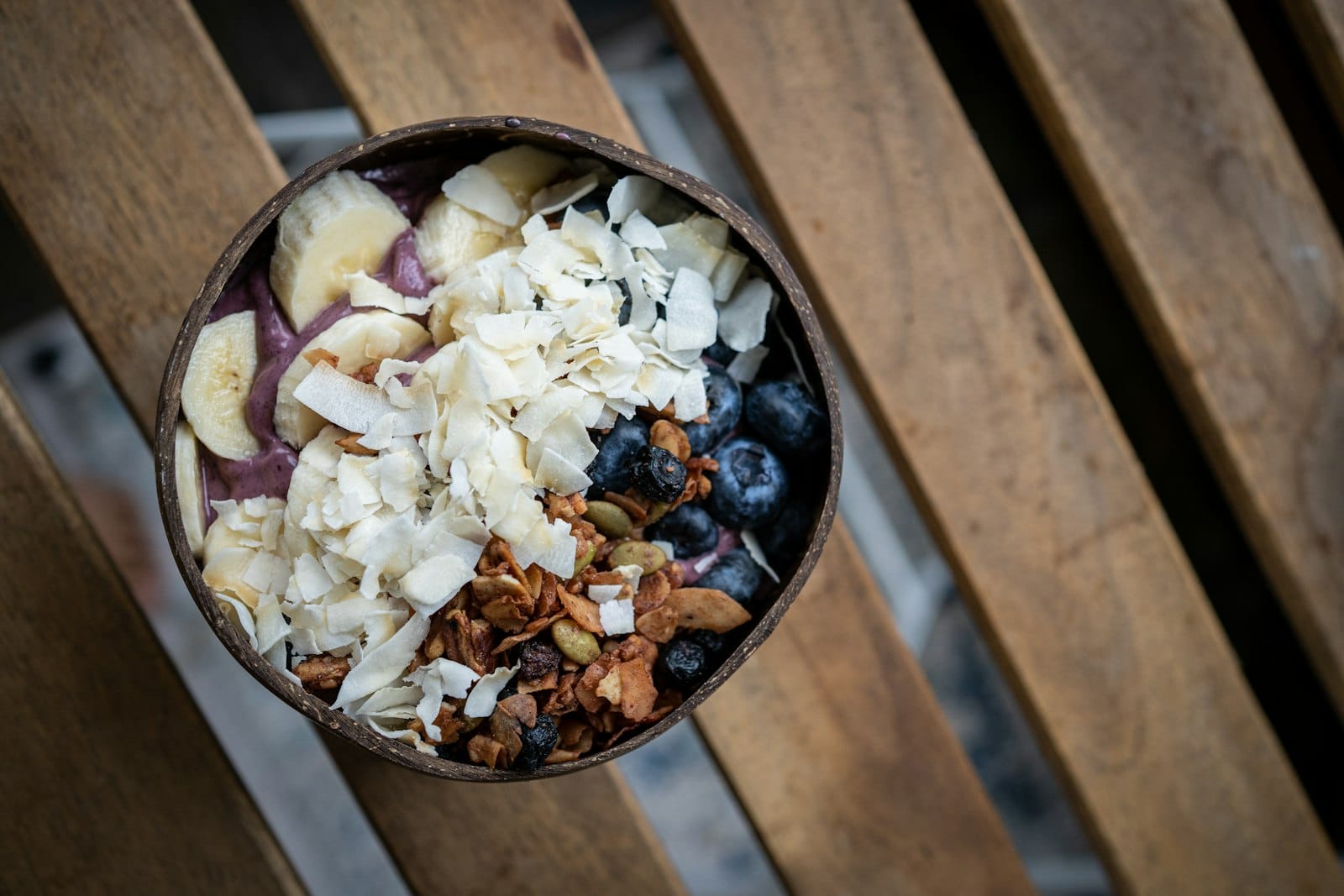
    A smoothie bowl topped with hemp seeds

    Adding them to breakfast

    Breakfast is one of the easiest places to build a hemp seed habit — a spoonful stirred through porridge, muesli or a plant-based yoghurt bowl barely changes the flavour but adds a genuinely useful protein boost.

    They pair particularly well with homemade plant-based granola, adding extra protein alongside the oats and nuts already in the mix.

    A bowl of plant-based yogurt with seeds

    Building creamy dressings and dips

    Because hemp seeds have a naturally mild flavour and blend down smoothly, they work well as a base for creamy dressings, dips and even dairy-free “milk”.

    Blend hulled hemp seeds with water, a little lemon juice and garlic for a quick, creamy dressing base — no soaking required, unlike cashews.

    A salad topped with seeds

    Hemp seeds vs chia and flax

    Hemp seeds often get compared to chia and flax, since all three are popular plant-based additions with a good fat and fibre profile, but they behave quite differently.

    Chia and flax both form a gel when soaked in liquid, useful for thickening or as an egg replacer, while hemp seeds stay loose and simply add texture and protein without that gelling effect. Each has its place, and there is no real reason to pick just one — see our guide to chia seeds for how they compare more directly.

    A note on the hemp plant itself

    Hemp and marijuana come from the same plant species, Cannabis sativa, which understandably raises questions — but food-grade hemp seeds are grown from low-THC varieties and contain negligible to no THC by the time they reach the shelf.

    They will not produce any psychoactive effect, and are legally sold as a food product in Australia specifically because of this distinction.

    It is worth mentioning to anyone hesitant about trying them for the first time purely because of the plant they come from — the seeds themselves are a genuinely unremarkable, everyday pantry item once you look past the name.

    Hemp seeds and heart health

    The balance of omega-3 and omega-6 fatty acids in hemp seeds is often cited as supportive of heart health, alongside their fibre content, which can help moderate cholesterol.

    They are a useful addition alongside other plant-based omega-3 sources — see our guide to vegan omega-3 sources for the fuller picture.

    A jar of granola with seeds

    Storing hemp seeds properly

    Hemp seeds are relatively high in fat, which means they can turn rancid faster than a drier pantry staple if left at room temperature for too long.

    Keeping them in the fridge or freezer, in a sealed container, is the simplest way to preserve their flavour and nutritional quality for months. A faintly bitter or “paint-like” taste is the clearest sign a batch has turned and should be replaced.

    Buying in smaller quantities more often is a reasonable strategy too, particularly if you are not going through them quickly enough to justify a large bulk bag.

    A small, easy nutritional upgrade

    Hemp seeds are about as close to a “just add it” ingredient as plant-based nutrition gets — no soaking, no cooking, and a genuinely useful nutritional profile.

    They are also increasingly easy to find, with most major supermarkets now stocking them in the health food or baking aisle, usually alongside chia and flax seeds.

    For more building blocks of a well-rounded plant-based pantry, see our guide to vegan kitchen staples, or browse our full plant-based menu at The Cardamom Pod.

    For more on the research behind hemp seed nutrition, Medical News Today’s overview of hemp seed benefits is worth a read.

    Worth keeping within reach

    Once a bag of hemp seeds is sitting in the pantry, they tend to get used more often than you would expect — a spoonful here and there adds up quickly over a week.

    Keep them near the breakfast bowls or the salad dressing ingredients, wherever you will actually remember to reach for them.

    A small habit, but a genuinely useful one — and one of the easiest nutritional upgrades in this entire guide to actually stick with long term.

    Frequently asked questions

    Are hemp seeds a complete protein?

    Yes — hemp seeds contain all nine essential amino acids, which is relatively rare among plant foods, making them a genuinely useful protein source.

    Do hemp seeds contain THC?

    No — hemp seeds themselves contain negligible to no THC, as they come from the same plant species as cannabis but are grown and processed specifically for food, not for their psychoactive compounds.

    How much hemp seed should I eat daily?

    Around one ounce (roughly 3 tablespoons) is a commonly recommended serving, providing a solid dose of protein, omega-3s and fibre without overdoing it.

    Do hemp seeds need to be shelled?

    Hulled (shelled) hemp seeds, sometimes called hemp hearts, are the most common form sold for eating — soft, mild and ready to sprinkle straight onto food.

    Can hemp seeds go rancid?

    Yes — their fat content means they can turn if left too long at room temperature, so storing them in the fridge or freezer helps preserve freshness.

    Keep exploring

    For more, read our guides to dates: benefits and how to use them, chia seeds: benefits and how to use them, and vegan protein: the best sources.

  • Dates: Benefits & How to Use Them

    Dates: Benefits & How to Use Them

    Dates are one of the simplest ways to add natural sweetness to plant-based cooking — no processing required, just a whole fruit doing the work.

    This guide covers what makes dates worth keeping in the pantry, and a few reliable ways to use them.

    They show up constantly in vegan baking and desserts for good reason — sweetness, binding and a subtle caramel depth, all from one ingredient.

    What makes dates nutritionally useful

    Dates are rich in fibre, potassium and a range of antioxidant polyphenols, alongside smaller amounts of B vitamins and minerals like magnesium.

    Because they are a whole fruit rather than a refined ingredient, that fibre content helps moderate how quickly the natural sugars are absorbed — a meaningful difference compared to something like table sugar or syrup.

    A date palm tree

    A genuinely better sweetener, with limits

    Dates offer real nutritional advantages over refined sugar — fibre, potassium and antioxidants that a spoonful of white sugar simply does not carry.

    That said, they are still a concentrated source of natural sugar and calories, so portion size matters. Think of dates as a whole-food swap for refined sugar, not a food to eat without any limit.

    Medjool vs Deglet Noor

    Not all dates are the same — the variety you choose changes both texture and how you might use them.

    VarietyTextureSweetnessBest for
    MedjoolLarge, soft, stickyRich, caramel-likeEating whole, stuffing, blending
    Deglet NoorSmaller, firmerMilderBaking, chopping into recipes
    Two common date varieties and how they differ.
    Dates stuffed with nuts

    Date caramel: the easiest swap

    Blended dates make a genuinely convincing caramel substitute — soften pitted dates in warm water for ten minutes, then blend with a splash of the soaking liquid, a pinch of salt and a little vanilla until smooth.

    It works as a dip for fruit, a drizzle over porridge, or a binding layer in a slice or bar recipe, and keeps well in the fridge for a couple of weeks.

    Date caramel sauce

    Baking with dates

    Dates are a reliable way to add moisture, sweetness and binding to baked goods without relying on refined sugar.

    • Blend into batters for banana bread or muffins for natural sweetness and moisture.
    • Chop and fold into energy balls or slices as a binding, sweet base.
    • Simmer and mash into a spread for toast or porridge.
    • Stuff whole with nut butter for a simple, no-bake snack.
    Healthy energy balls

    Savoury cooking with dates

    Dates are not limited to sweet cooking — a few chopped into a tagine, a rich curry sauce or a grain salad add a subtle sweetness that balances out spice and acidity in a way refined sugar cannot quite replicate.

    This is a particularly common technique in North African and Middle Eastern cooking, where dates have long been used to round out savoury dishes rather than only appearing in dessert.

    A note on origin and quality

    Dates are grown across the Middle East, North Africa and parts of the United States, and where they come from can genuinely affect flavour, size and price.

    Medjool dates from Jordan, Israel or California tend to command a premium for their size and softness, while more everyday varieties are considerably more affordable and still perfectly good for cooking and baking, if less impressive eaten straight from the bag.

    Dried dates sold in supermarkets are usually sun-dried or lightly dehydrated rather than fresh, which is part of why they keep so well — fresh dates, when you can find them, have a shorter shelf life but an even softer, more delicate texture worth trying at least once.

    Smoothies and drinks

    A couple of pitted dates blended into a smoothie add natural sweetness and a subtle caramel note, without needing any refined sugar or syrup.

    They also add body and thickness, which is especially useful in a smoothie that is otherwise light on fruit — try one or two dates alongside your usual smoothie bowl ingredients for a richer result.

    A smoothie blended with dates

    Iron and mineral content

    Dates contain a modest amount of iron alongside potassium, magnesium and copper, though they are not a primary iron source on their own.

    Pairing them with a vitamin C-rich food, as with most plant-based iron sources, helps the body absorb what iron is present more effectively — see our guide to iron-rich vegan foods for the bigger picture.

    Dates on a baking tray

    Choosing and storing dates

    Look for dates that feel slightly soft and glossy rather than dry or crystallised on the outside — that dried-sugar coating usually signals an older batch that has lost some moisture.

    Stored in an airtight container in the fridge, most varieties keep well for several months, making them a genuinely low-maintenance pantry staple. Freezing works well too if you buy in bulk, and dates thaw quickly enough to use straight from frozen in most recipes.

    Always check for the pit before eating or blending — most packaged dates are pitted, but it is worth a quick check regardless, particularly with fresh or bulk-bought varieties.

    A small habit worth keeping

    Dates are a simple, whole-food way to satisfy a sweet craving without reaching for something more processed — a couple eaten straight, or blended into a caramel, cover a lot of ground.

    They are also a genuinely handy option to keep in a bag or the car for a quick, natural energy boost, particularly before or after exercise, when a piece of fresh fruit is not always practical.

    For more on building a well-stocked plant-based pantry, see our guide to vegan kitchen staples, or browse our full plant-based menu at The Cardamom Pod.

    For more on the nutritional profile of dates, Healthline’s breakdown of date health benefits is a useful reference.

    Worth keeping stocked

    Once dates become a regular pantry item, they tend to find their way into far more than just dessert — smoothies, sauces, breakfast bowls and baking all benefit.

    A bag of good Medjool dates rarely lasts long once you start reaching for them.

    Keep a stash on hand, and let them replace the sugar bowl a little more often.

    Frequently asked questions

    Are dates a healthy sugar substitute?

    Yes, in moderation — dates are a whole fruit with fibre, potassium and antioxidants, so they offer more nutritionally than refined sugar, though portion size still matters given their concentrated natural sugar content.

    What is the difference between Medjool and Deglet Noor dates?

    Medjool dates are larger, softer and richer, often eaten on their own, while Deglet Noor dates are smaller, firmer and slightly less sweet, making them useful for baking and chopping into recipes.

    How do I make date caramel?

    Blend pitted, softened dates with a splash of water, a pinch of salt and a little vanilla until smooth — it works beautifully as a dip, drizzle or filling.

    Can dates help with iron intake?

    Dates contain a small amount of iron, and pairing them with a vitamin C-rich food can help improve absorption, though they should not be relied on as a primary iron source.

    How should dates be stored?

    Dates keep well in an airtight container in the fridge for several months, or at room temperature for a few weeks — softer varieties like Medjool benefit most from refrigeration.

    Keep exploring

    For more, read our guides to hemp seeds: benefits and uses, homemade plant-based granola, and vegan kitchen staples.

  • Dog-Friendly Cafés on the Gold Coast

    Dog-Friendly Cafés on the Gold Coast

    A good coffee is even better with the dog curled up under the table — and the Gold Coast has plenty of cafés that genuinely welcome four-legged guests.

    This guide covers some of the best dog-friendly cafés around the coast, with a focus on the Southport and Broadwater area.

    As always, policies can change, so it is worth a quick call ahead if you are planning a visit with a larger or particularly excitable dog, especially during peak weekend brunch hours.

    Why outdoor seating matters

    Queensland food safety regulations generally keep dogs out of indoor dining areas, which is why almost every genuinely dog-friendly café centres around a good alfresco or outdoor space.

    The best of these spots treat that outdoor area as a proper part of the experience — shade, water bowls and enough room for a dog to settle comfortably rather than being squeezed in as an afterthought.

    An outdoor cafe seating area

    Cafe Catalina, Southport

    Cafe Catalina, right on the Broadwater Parklands in Southport, is one of the standout dog-friendly spots in the area — dogs are welcome in the undercover alfresco section, with water bowls and sometimes treats on offer.

    The waterfront setting makes it a particularly pleasant spot for a longer sit, with views over the Broadwater and a menu that draws on Japanese, Middle Eastern and modern Australian influences.

    A waterfront cafe view

    More local favourites

    A handful of other Gold Coast cafés have built solid reputations among dog owners.

    CaféSuburbWhat to know
    Cafe CatalinaSouthportWaterfront, undercover alfresco, water bowls provided
    Papercup CoffeeLabrador & SouthportTwo locations, strong coffee, casual outdoor tables
    Ground N SoundChirn ParkHouse-made cakes, live music, dog-friendly outdoor area
    Bentley’s CafeSouthportOpen early, 5am start, relaxed outdoor seating
    A few Gold Coast cafés known for welcoming dogs.
    A coffee cup on a cafe table

    What a good dog-friendly café gets right

    A few small details separate a genuinely welcoming café from one that merely tolerates dogs.

    • A water bowl already out, rather than needing to ask.
    • Enough shade in the outdoor area, especially through summer.
    • Some distance between tables, so dogs are not forced too close together.
    • Staff who are visibly comfortable around animals, not just permissive.
    A water bowl for dogs outside a cafe

    Reading the room before you sit down

    Not every venue that technically allows dogs is set up to make them comfortable, so it is worth a quick scan before choosing a table — genuinely dog-friendly cafés tend to make this obvious with signage, water bowls or an outdoor layout clearly built for it.

    If a café feels cramped or the outdoor tables are unusually close together, it is often a sign the space was not really designed with dogs in mind, even if they are technically welcome.

    Puppies, older dogs and first visits

    A first café outing is worth treating a little differently depending on your dog — a young puppy may find the noise and new faces overwhelming, while an older, more anxious dog might prefer a quieter time of day rather than a busy Saturday brunch rush.

    Starting with a short visit and building up gradually tends to work better than diving straight into a long, crowded sitting, particularly for a dog that has not spent much time in cafés before.

    Making the most of a café visit

    A relaxed dog makes for a relaxed visit, so a bit of preparation goes a long way — a short walk beforehand to burn off excess energy tends to make for a much calmer sit-down.

    Bringing a familiar mat or towel for them to settle on also helps, particularly at a busy café where there is more going on around them than usual.

    A brunch plate at a cafe

    Pairing a café visit with a walk

    Many of the Gold Coast’s best dog-friendly cafés sit close to parks or waterfront paths, making it easy to build a proper outing around the visit rather than just a quick coffee.

    The Broadwater Parklands, right near Cafe Catalina, is a particularly good option — plenty of green space and water views before or after your sit-down.

    A dog park with green grass

    Café etiquette with a dog in tow

    A few simple habits keep things smooth for everyone else at the café too — keep your dog on a short lead, avoid letting them wander toward other tables, and clean up after them if needed.

    Most venues are genuinely happy to have well-behaved dogs around, and a bit of consideration helps keep it that way for everyone. It is also worth being mindful of other diners who may simply not be comfortable around dogs, even well-behaved ones, and giving them a little extra space where possible.

    Seasonal considerations

    Gold Coast summers get genuinely hot, and pavement or outdoor decking can become uncomfortably warm for paws well before it feels particularly hot to a person standing on it.

    A shaded table, a cool water bowl and a shorter visit during the middle of the day all help — and an early morning or late afternoon booking is generally kinder to your dog than a midday summer sitting.

    A relaxed way to spend a morning

    There is something genuinely nice about a slow coffee with the dog nearby — it is one of the simpler pleasures of living somewhere as outdoor-friendly as the Gold Coast.

    If you are looking for somewhere to sit down without the dog, browse our full plant-based menu at The Cardamom Pod, or get in touch to check our current outdoor seating and pet policy.

    For a broader list of pet-friendly spots across the region, PetCloud’s dog-friendly café guide is a handy resource.

    Worth building into a weekend routine

    Once you find a café or two nearby that genuinely welcome dogs, they are worth returning to regularly — both you and your dog will come to recognise the routine.

    A slow Saturday morning coffee, dog included, is hard to beat.
    Bring a lead, bring some patience for a busy morning, and let the dog enjoy the outing as much as you do.

    See you at the next table over.

    Frequently asked questions

    Which Gold Coast cafés are dog-friendly?

    Cafe Catalina at Broadwater Parklands in Southport welcomes dogs in its undercover alfresco area with water bowls provided, alongside spots like Papercup Coffee in Labrador and Ground N Sound in Chirn Park.

    Do dog-friendly cafés usually provide water bowls?

    Many do, though it varies by venue — it is always worth bringing a portable water bowl as a backup, especially on hot Gold Coast days.

    Are dogs allowed inside cafés on the Gold Coast?

    Generally no — Queensland food safety rules mean dogs are typically restricted to outdoor or alfresco areas rather than indoor dining spaces.

    Is The Cardamom Pod dog-friendly?

    Check with us directly for our current outdoor seating and pet policy when booking — policies can change, so it is worth confirming ahead of a visit.

    What should I bring when taking my dog to a café?

    A lead, a portable water bowl and a mat or towel for them to settle on are the basics — some venues also appreciate advance notice for a larger dog.

    Keep exploring

    For more, read our guides to the best cafés in Southport, the best lunch spots on the Gold Coast, and our ultimate guide to vegan-friendly dining.

  • Vegan Markets & Food Trucks on the Gold Coast

    Vegan Markets & Food Trucks on the Gold Coast

    There is something genuinely fun about eating vegan at a market — wandering between stalls, comparing options, and grazing your way through an afternoon rather than sitting down to one set menu.

    This guide covers the Gold Coast’s dedicated vegan markets and the wider food truck scene, including what to expect and how to plan a proper visit around them.

    It is a more casual, exploratory way to eat than a sit-down restaurant, with a lot less commitment involved — and a genuinely great way to discover a new favourite stall you might otherwise never come across.

    Queensland Vegan Markets

    Queensland Vegan Markets are the region’s dedicated vegan market series, bringing together food stalls and cruelty-free retail across several Gold Coast locations, including Southport, Mudgeeraba Showground and Broadwater Parklands.

    Because dates and venues rotate, it is worth checking the current schedule before planning a visit — but when one is on, expect a relaxed, family-friendly atmosphere with live music and a genuinely impressive spread of plant-based food.

    A farmers market with fresh vegetables

    What to expect at a vegan market

    A good vegan market covers more ground than a typical food truck lineup.

    CategoryWhat you will findGood for
    Ready-to-eat foodTacos, dumplings, burgers, dessertsLunch or an afternoon graze
    Fresh produceLocal fruit, vegetables, herbsStocking up for the week
    Baked goodsVegan cakes, pastries, breadsA sweet treat to take home
    RetailCruelty-free skincare, homewaresBrowsing beyond the food
    What a typical Queensland Vegan Markets stop looks like.
    A fresh produce market stall

    Night markets and food trucks

    Beyond dedicated vegan events, several Gold Coast night markets bring together rotating food trucks and pop-up vendors, usually with at least a handful of plant-based options in the mix.

    These larger markets tend to combine food with entertainment — live music, rides or general browsing — making them a good option for a casual evening out rather than a purely food-focused trip.

    A night market with food stalls

    Standout vegan food trucks

    A handful of dedicated vegan food trucks have built loyal followings on the Gold Coast market circuit.

    • Look for stalls with clear vegan and allergen labelling — the better-run trucks make this easy to spot at a glance.
    • Doughnut and dessert trucks are a common highlight, with several holding certifications from bodies like Vegan Australia.
    • Asian street food trucks — dumplings, bao and noodles — are reliably strong options at most markets.
    • Taco and burrito trucks tend to have naturally vegan-friendly fillings like beans, jackfruit and fresh salsa.
    A stall of vegan donuts

    Supporting small vegan businesses

    One of the quieter appeals of the market circuit is who you are actually buying from — most stalls are small, independently run businesses rather than franchises, often a single person or family building something from scratch.

    Spending at a market has a more direct impact than a chain restaurant purchase, and it is a genuinely good way to discover a smaller vegan producer well before they might open a permanent shopfront.

    Seasonal produce at the markets

    The fresh produce side of a vegan market shifts with the seasons, which is part of the appeal for anyone who cooks regularly — stallholders sell what is genuinely ripe and local rather than a static, year-round selection.

    Turning up with a rough plan rather than a strict shopping list tends to work best, since the best produce on any given weekend is not always predictable in advance.

    Making a day of it

    Markets reward a bit of patience — walk the full lineup before committing to anything, since the best stall is not always the first one you see.

    Splitting a few smaller dishes between a group is usually more rewarding than one large order from a single truck, and it means everyone gets to try more of what is on offer.

    People browsing market stalls

    Timing your visit

    Markets are typically busiest around midday, so arriving a little earlier can mean shorter queues and better access to the most popular stalls before they sell out.

    Bring cash as a backup, since not every smaller stall accepts card payments, and check the weather forecast beforehand — most Gold Coast markets are outdoors and can be scaled back or cancelled in genuinely poor conditions.

    A street food truck

    Bringing kids and dogs along

    Markets tend to be genuinely family and pet-friendly, with plenty of open space to move around in compared to a sit-down restaurant — a useful option if you are wrangling a toddler or a dog that would not sit well through a full meal indoors.

    Just keep an eye on stroller and lead space in busier laneways between stalls, particularly during a well-attended event. If your dog prefers a calmer sit-down instead, see our guide to dog-friendly cafés on the Gold Coast for a quieter alternative.

    A different pace of eating out

    There is real appeal in the market format — no set menu to commit to, no reservation needed, and the freedom to try a little of everything as you go. It suits a slower, more social kind of afternoon than a typical restaurant booking allows.

    For a sit-down alternative any day of the week, browse our full plant-based menu at The Cardamom Pod, or book a table at The Brickworks in Southport.

    For the current schedule of vegan market dates and locations, Queensland Vegan Markets’ official site is the most reliable source.

    Worth building into a regular routine

    Once you find a market or two that suit your area, they are worth returning to regularly — stallholders rotate seasonal specials, and new vendors show up often enough to keep things interesting.

    It is also a genuinely good way to support smaller, independent plant-based businesses directly, rather than only larger restaurants.

    Following a few favourite stalls on social media is a simple way to stay on top of where they will be next — most independent vendors post their upcoming market dates well ahead of time, since their schedule shifts around more than a fixed restaurant location would.

    Bring a reusable bag, an appetite, and a bit of curiosity — the rest tends to take care of itself.

    See you at the next one.

    Frequently asked questions

    Where are the vegan markets on the Gold Coast?

    Queensland Vegan Markets run across locations including Southport, Mudgeeraba Showground and Broadwater Parklands — check their current schedule online before heading out, as dates and venues rotate.

    What is typically on offer at a vegan market?

    Expect a mix of ready-to-eat food stalls, fresh produce, baked goods and cruelty-free retail alongside the food — it is as much a shopping trip as a meal out.

    Are Gold Coast food trucks vegan-friendly?

    Many are, or offer at least one dedicated vegan option — night markets in particular tend to include a good mix of plant-based stalls alongside more traditional offerings.

    Do I need to book ahead for a market visit?

    No — markets are generally free entry and casual, though it is worth checking opening hours for the specific date and location.

    Does The Cardamom Pod take part in local markets?

    We are a permanent café at The Brickworks in Southport rather than a market stall — for the rotating market scene, the venues in this guide are the ones to follow.

    Keep exploring

    For more, read our guides to vegan street food and tacos on the Gold Coast, our ultimate guide to vegan-friendly dining, and how to eat vegan on a budget.