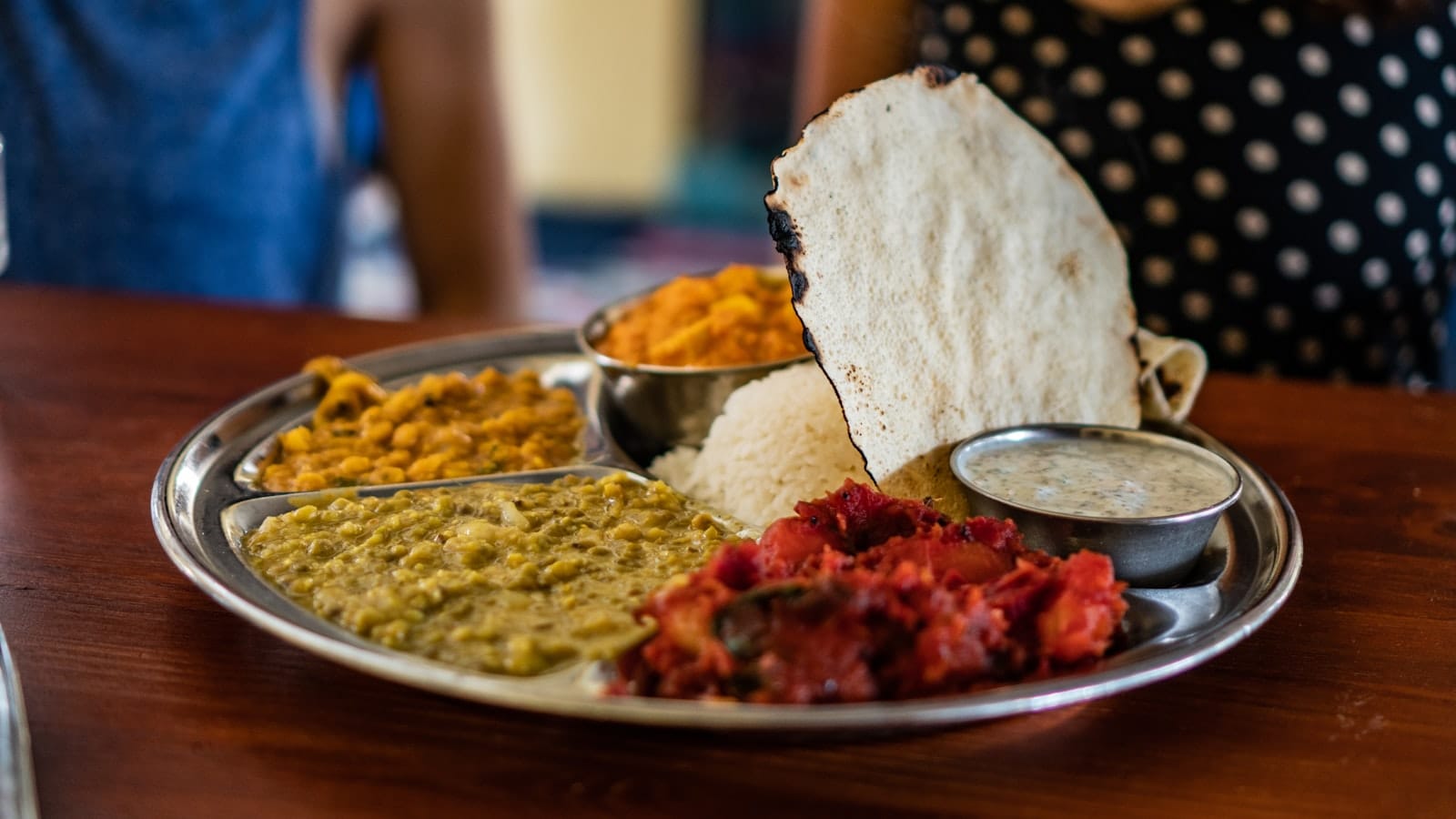
If you have read the story behind The Cardamom Pod, you may have come across the word “prasadam.” It is a concept that sits at the heart of how we think about cooking, so it is worth explaining properly.
This is not a claim to religious authority — simply an honest look at a beautiful tradition that has shaped our approach to food.
It is a word with deep roots, and we want to explain it accurately and respectfully, rather than using it loosely as a marketing term.
A tradition found across Hindu practice
The offering of food is a central part of worship, or puja, across many Hindu traditions, not limited to any single sect or movement.
The specific dishes, rituals and customs around prasadam vary between traditions and regions, but the underlying idea stays remarkably consistent: food prepared with sincerity, offered before it is consumed, and shared afterwards as something more than an ordinary meal.
The meaning of the word
Prasadam, sometimes written prasada, is a Sanskrit word generally translated as “favour,” “mercy” or “grace.”
In Hindu and Krishna-conscious traditions, it refers to food that has first been lovingly prepared and offered to the divine, then distributed and eaten by devotees as a blessing. According to Britannica’s entry on prasada, the offering is believed to be consecrated by the deity, and is then shared among worshippers.
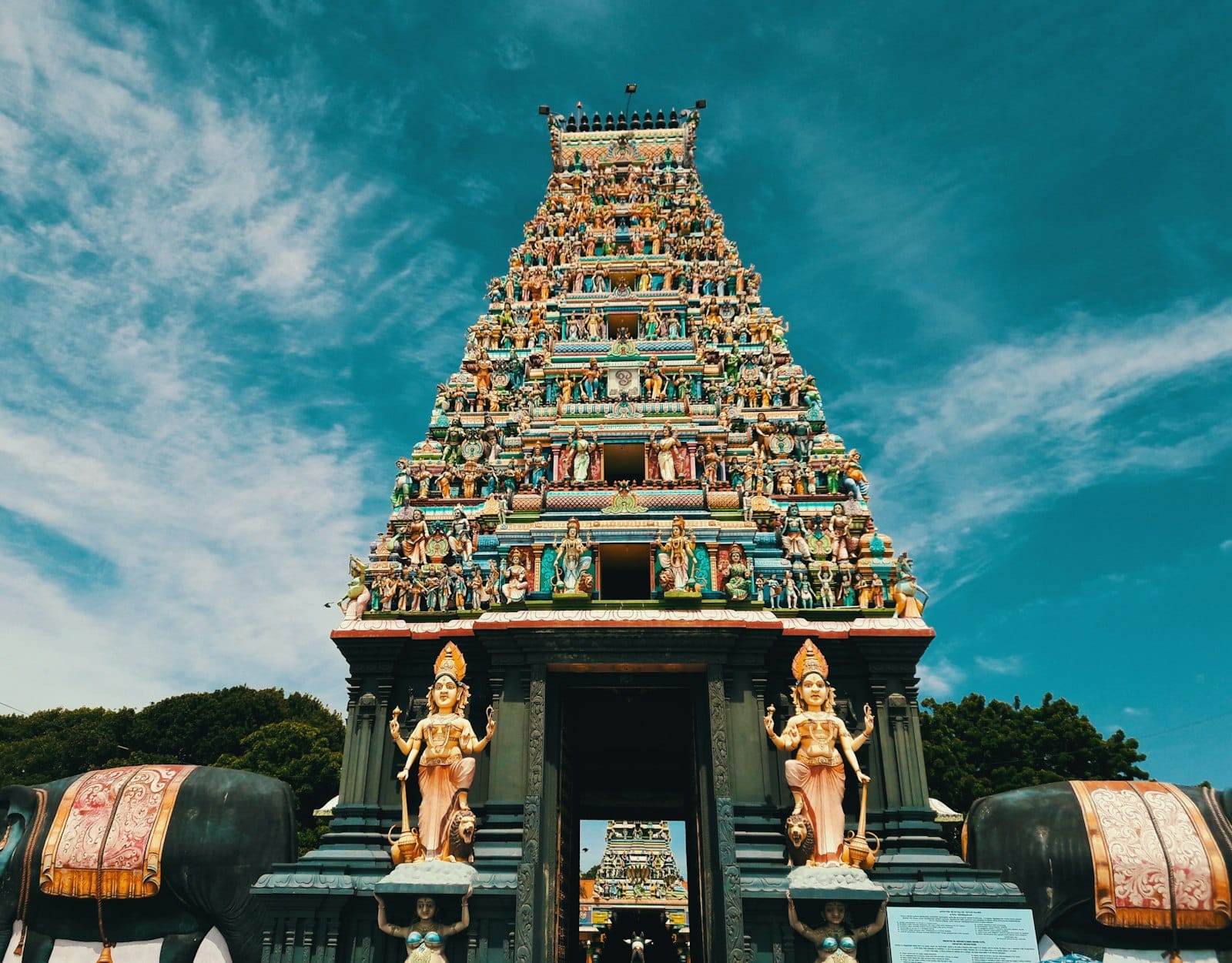
Food as an act of devotion
What sets prasadam apart from ordinary cooking is the intention behind it. Rather than being prepared purely for taste or convenience, it is made with care and offered before it is eaten — a small act of devotion built into the cooking itself.
That shift in intention is subtle but meaningful. The cook is not simply feeding people; they are preparing something with love, in a spirit of gratitude, before it ever reaches the table.
There is something worth taking from that even outside a strictly religious context. The idea that care and attention during cooking genuinely shapes the meal — not just its taste, but the feeling of eating it — is one that resonates well beyond any single tradition.
Why it is always vegetarian
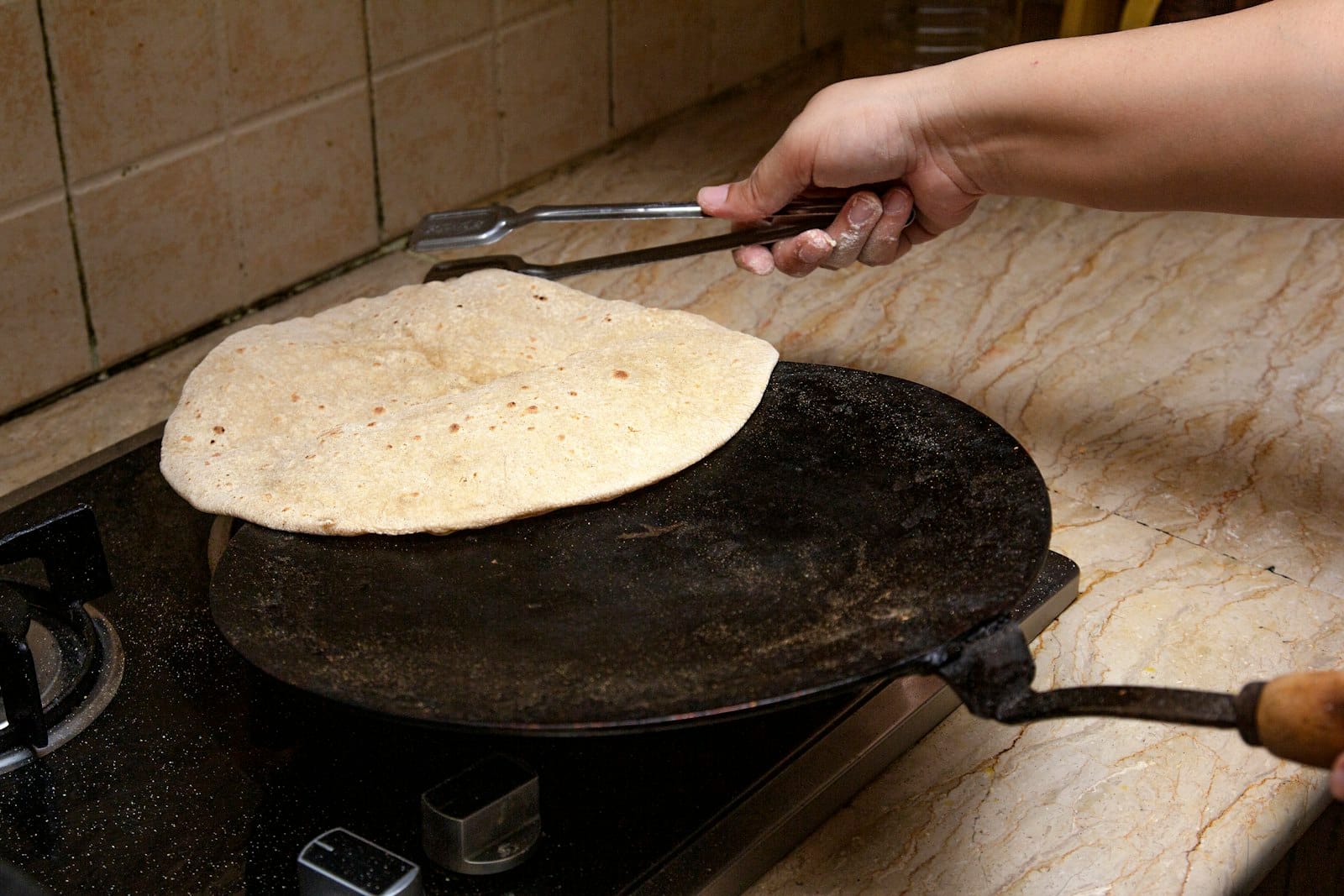
Traditionally, prasadam is prepared without meat, fish or eggs, reflecting the principle of non-violence, or ahimsa, that underpins the practice.
Fresh vegetables, grains, legumes, dairy (in some traditions) and warming spices form the foundation instead — ingredients chosen with the same care as the intention behind the cooking.
This is also where our own plant-based approach connects most closely with the tradition. We take that same principle of non-violence a step further, building our menu entirely around plants — a natural extension of the same underlying value.
How this shapes our kitchen
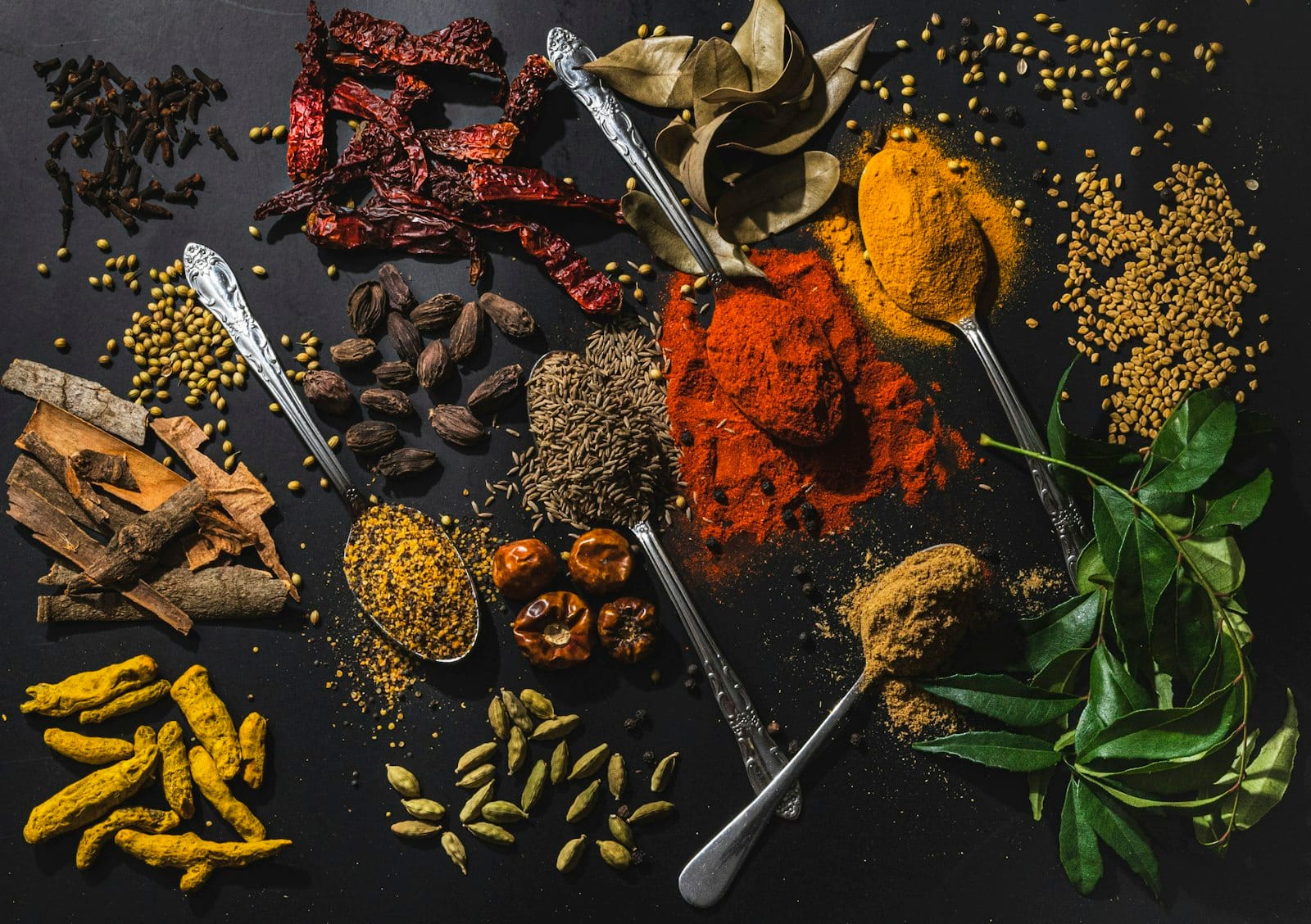
At The Cardamom Pod, our cooking draws inspiration from this tradition — food prepared with heart, from real ingredients, offered in a spirit of care rather than rushed convenience.
We are a plant-based cafe, not a temple kitchen, and we do not claim to replicate the practice in a formal sense. But the underlying idea — that how food is prepared matters just as much as what goes into it — genuinely guides how we cook every day.
It shows up in small, practical ways: taking the time to properly toast spices rather than rushing a base, plating a dish with genuine care rather than just functionally, and treating each order as worth the same attention as the last, however busy the kitchen gets.
Sharing a meal, too, is part of the tradition worth holding onto. Prasadam is rarely eaten alone in a hurry — it is meant to be shared, savoured, and enjoyed in good company, which is exactly the kind of dining experience we hope to offer.
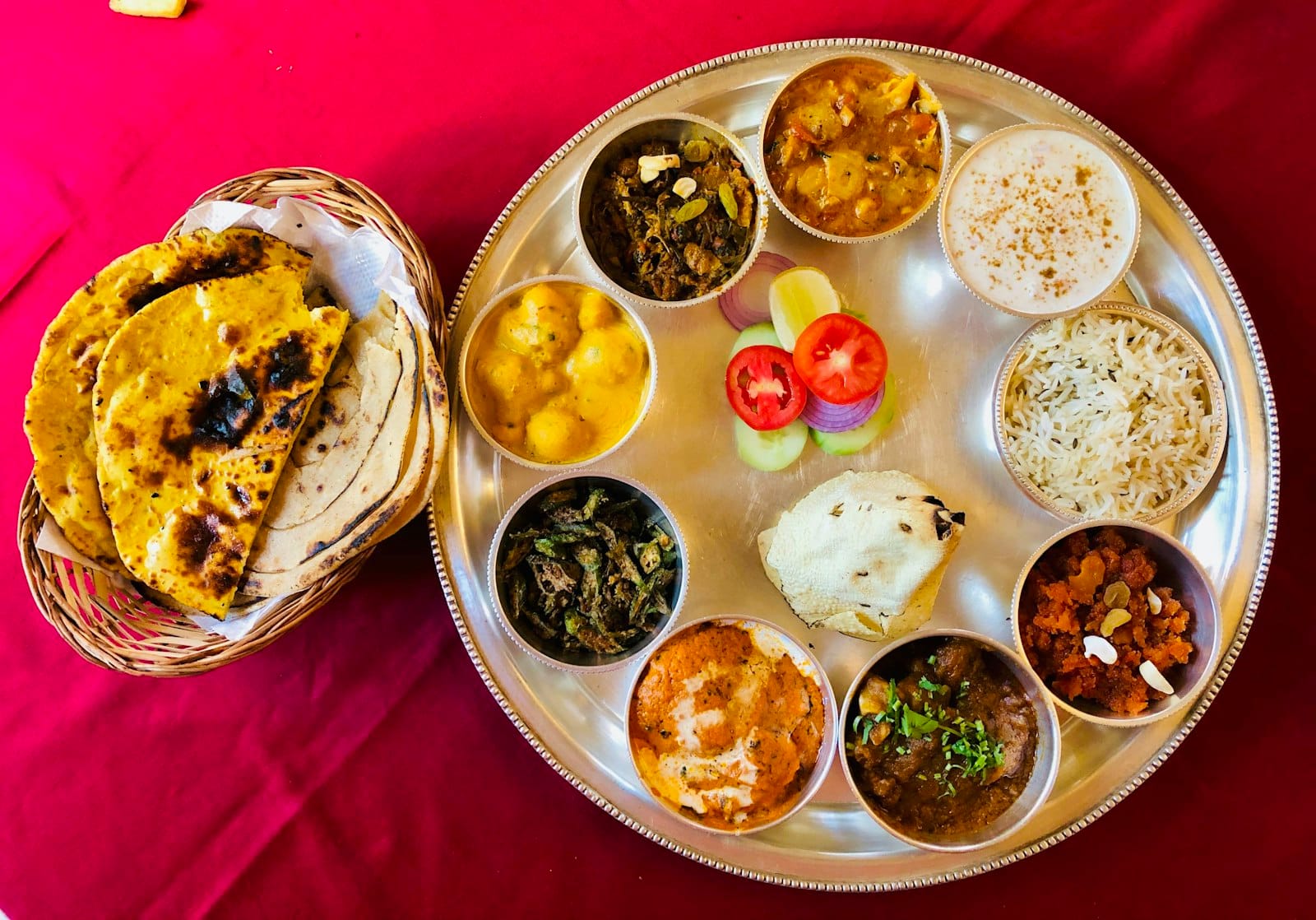
A philosophy, not just a recipe
It is worth being clear about what this means and does not mean. We are not claiming our food is formally consecrated prasadam in the traditional religious sense.
What we mean is simpler: we cook with the same spirit of care and generosity that the tradition of prasadam represents, because it reflects genuinely good values — food made thoughtfully, shared warmly, and enjoyed without pretence.
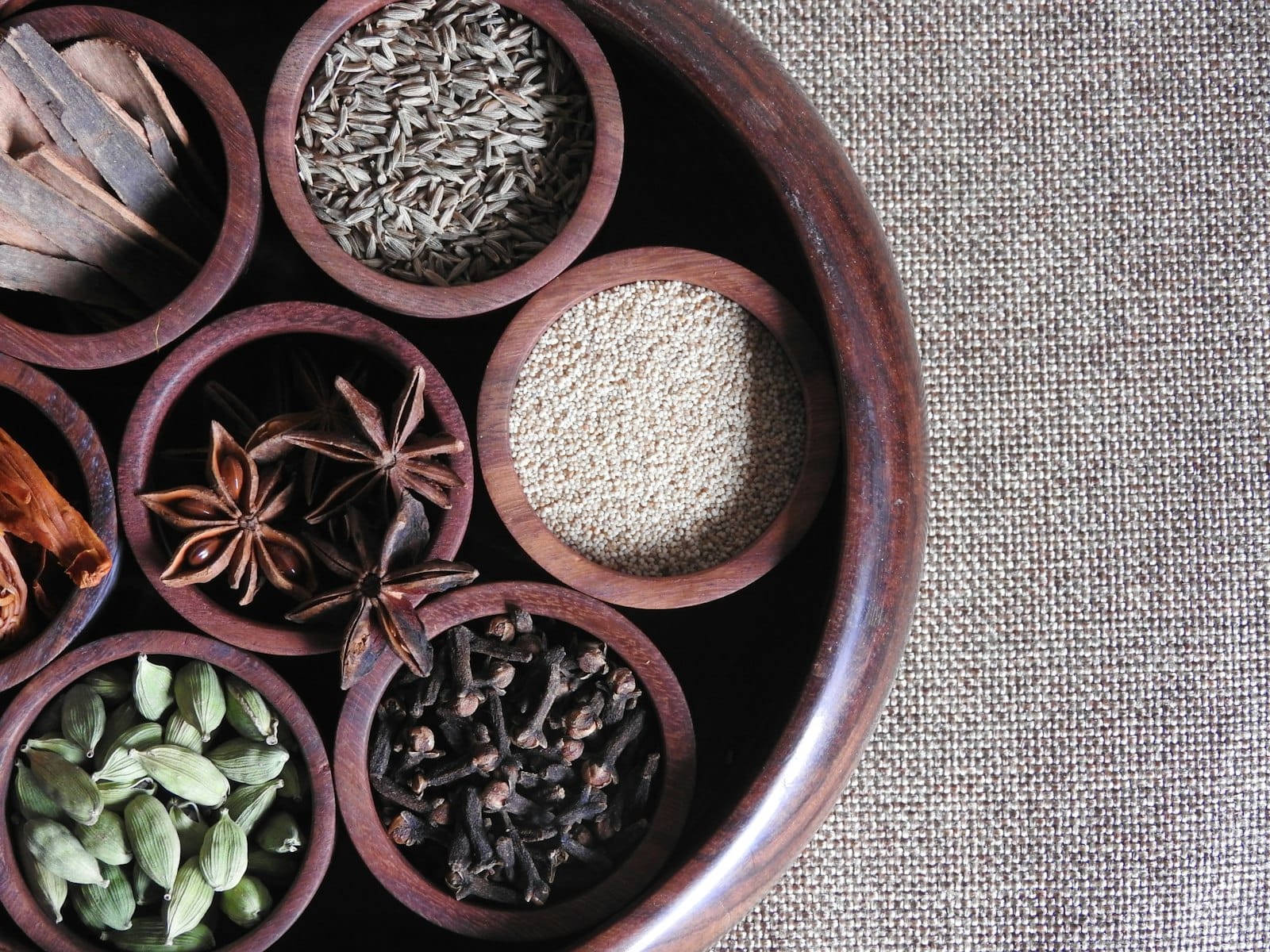
Tasting the philosophy
The best way to understand any food philosophy is still to taste it. Our curries, bowls and plates are built around the same warming spices and fresh ingredients that define this tradition of cooking.
Browse our full plant-based menu, read more about our story and philosophy, or book a table at The Brickworks in Southport.
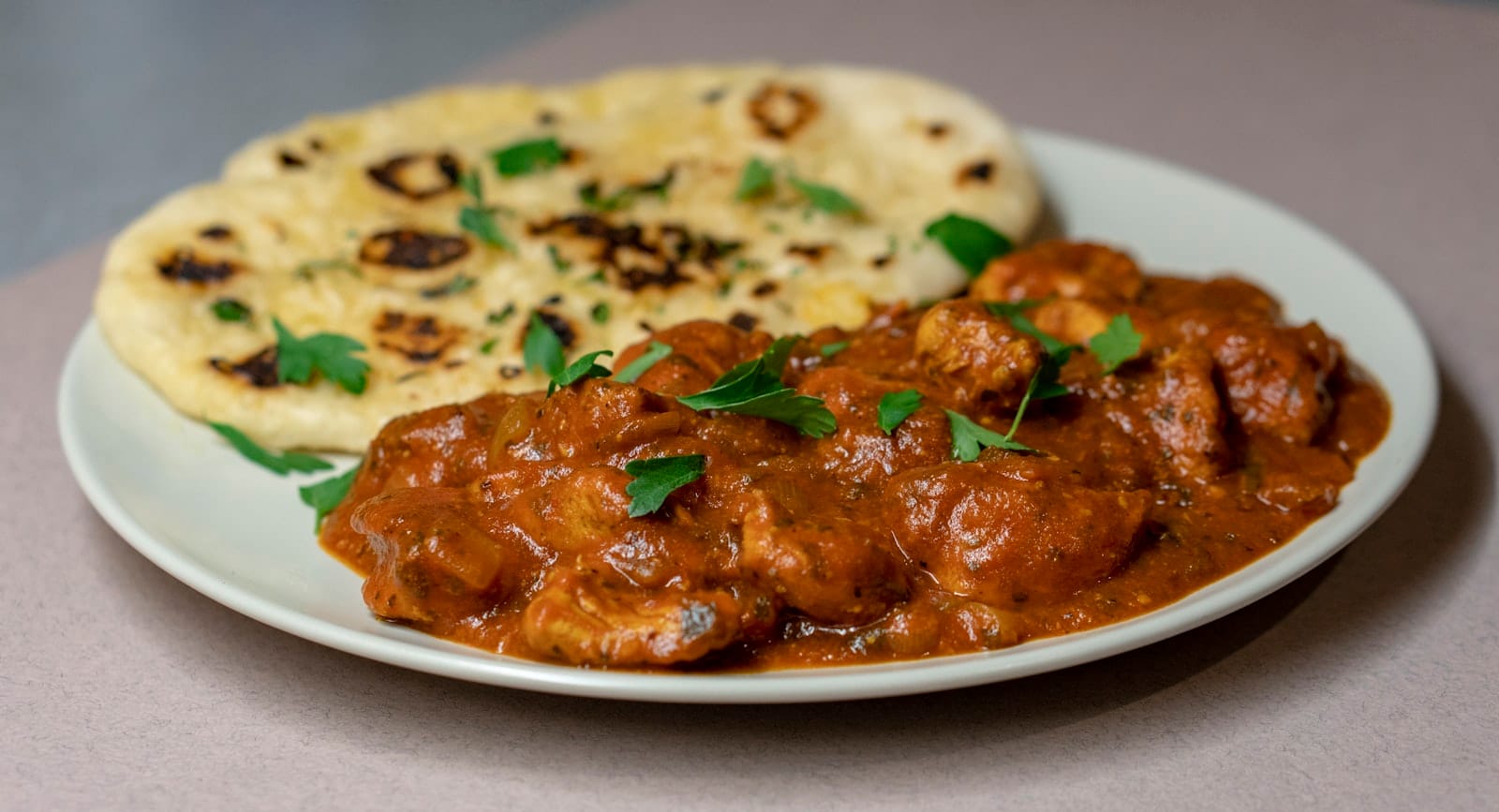
Why we chose to share this
It would have been easy to leave this word unexplained, tucked away in our story page without context. We would rather be upfront about where our inspiration comes from.
Understanding the philosophy behind a dish rarely changes how it tastes, but it can change how it feels to eat it — and we think that context is worth sharing honestly, rather than glossing over it.
If this has piqued your curiosity about the wider tradition, we would encourage reading directly from Hindu and Krishna-conscious sources rather than relying solely on a cafe’s blog — there is a rich, centuries-deep body of thought here that deserves more than a passing mention.
What we hope you take away is simple: the name behind our cooking is not decorative. It reflects a genuine set of values we try to live up to, one plate at a time.
Next time you sit down with us, we hope that context adds something to the meal — not a claim of piety, just an honest window into where our inspiration comes from.
Thank you for taking the time to read this far. Questions about our approach are always welcome — feel free to ask us in person next time you visit.
We are grateful to be part of a much older, much bigger story than our own small cafe, and we do not take that lightly.
That gratitude is really what this whole page has been about, more than any single definition ever could be.
Come and see for yourself what it tastes like.
Frequently asked questions
What does prasadam mean?
Prasadam (or prasada) is a Sanskrit word meaning “favour” or “grace.” In Hindu and Krishna-conscious traditions, it refers to food that has first been offered to the divine with devotion, then shared and eaten as a blessing.
Is prasadam always vegetarian?
Traditionally, yes. Food offered in this tradition is prepared without meat, fish or eggs, reflecting the principle of non-violence at the heart of the practice.
Why is prasadam significant?
Beyond nutrition, prasadam is considered spiritually significant — food prepared and offered with devotion, rather than simply for taste or convenience.
Does The Cardamom Pod serve prasadam?
Our cooking draws inspiration from this tradition of food prepared with heart and devotion, though we describe ourselves as a plant-based cafe rather than a temple kitchen.
Where can I learn more about prasadam?
Britannica’s entry on prasada is a good, concise starting point for understanding the concept within Hindu tradition.
Keep exploring
For more, read the story of The Cardamom Pod, our guide to cardamom, the spice behind our name, and vegan kitchen staples.
Leave a Reply