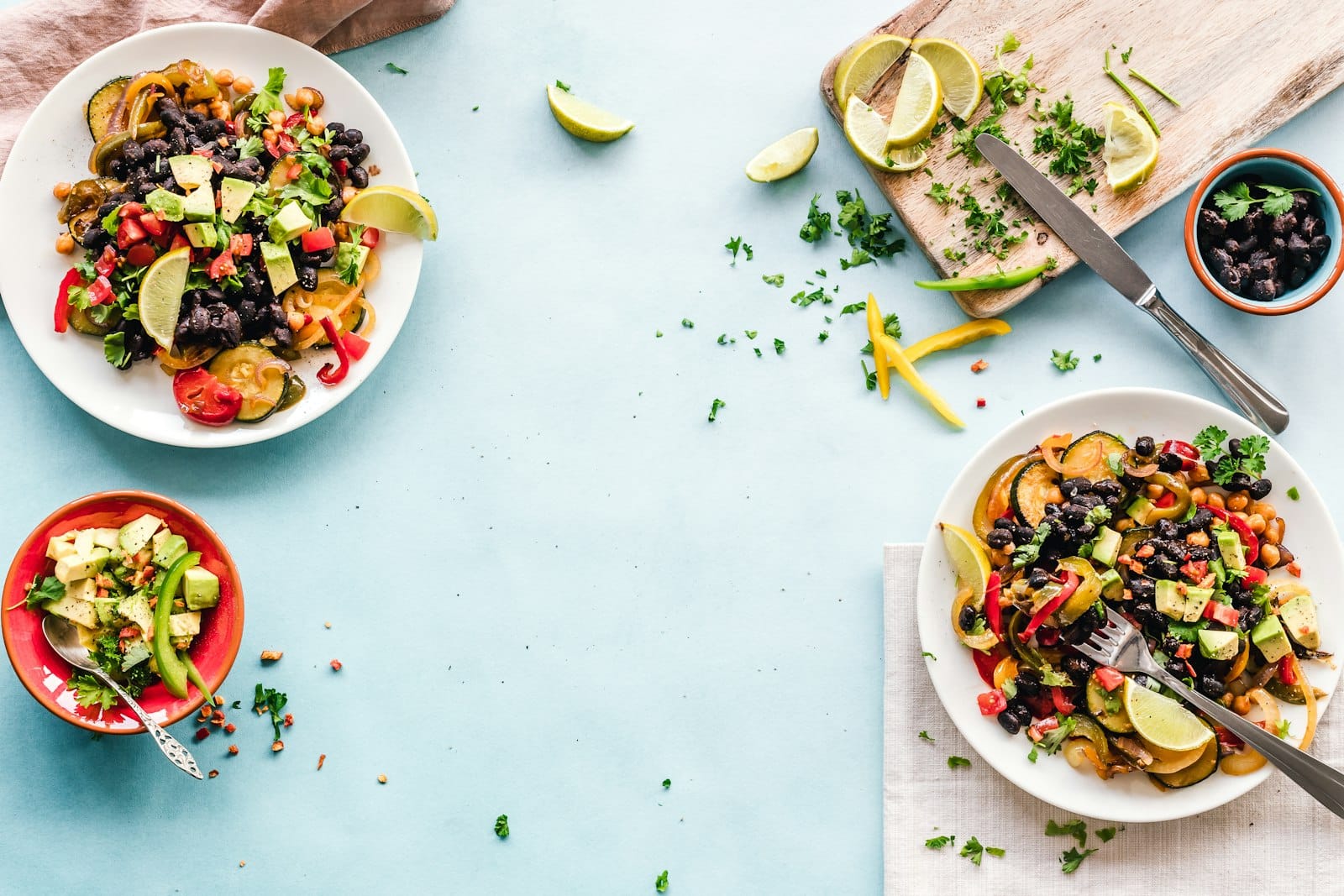
Starting a plant-based diet can feel overwhelming if you focus on everything you think you need to give up. The better approach is the opposite: focus on all the nourishing, flavourful food you get to add in.
This beginner’s guide covers the practical basics — what to eat, how to start without overwhelming yourself, and how to make it a habit that actually sticks.
There is no single “correct” way to do this. What matters most is finding an approach that fits your life and tastes good enough that you actually want to keep doing it.
It also helps to let go of perfectionism early on. You do not need to get every meal “right” from day one — consistency over time matters far more than any single perfect week.
Why people choose plant-based eating
People come to plant-based eating from all kinds of directions, and understanding your own motivation can help keep you on track.
Some are drawn by health — wanting more energy, better digestion, or to reduce their risk of chronic disease. Others are motivated by animal welfare or environmental concerns. Many land somewhere in between, simply curious to eat a bit better without a single defining reason.
None of these motivations are more “valid” than another. Knowing yours, though, makes it easier to stay motivated on the days when habit alone is not quite enough.
Start small, not all at once
The most common reason people abandon a new way of eating is trying to change everything overnight.
A gentler approach works far better for most people: pick one meal a day to make plant-based, or commit to a few meat-free days a week. Meatless Monday is a popular, low-pressure starting point precisely because it removes the all-or-nothing stress.
What to actually eat
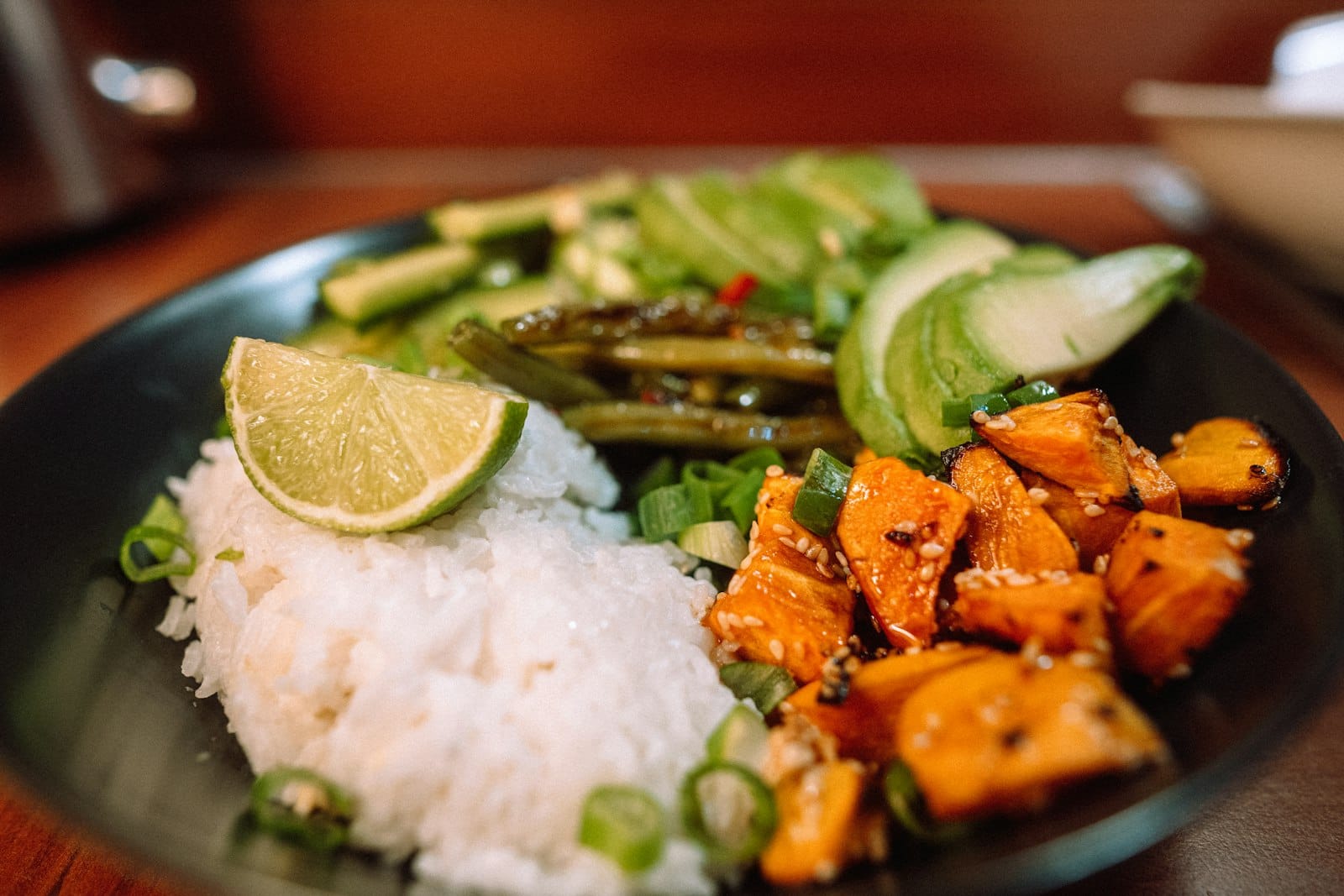
A plant-based diet is built around a handful of simple food groups, most of which you probably already have in your kitchen.
| Food group | Examples | Why it matters |
|---|---|---|
| Legumes | Lentils, chickpeas, black beans | Protein, fibre, very affordable |
| Whole grains | Brown rice, oats, quinoa | Sustained energy, fibre |
| Vegetables & fruit | Fresh, frozen, seasonal | Vitamins, minerals, antioxidants |
| Plant proteins | Tofu, tempeh, seitan | Versatile, meat-like texture |
| Nuts & seeds | Almonds, chia, flax | Healthy fats, extra protein |
For more on the protein side specifically, see our detailed guide to vegan protein sources and how much you need.
Stocking a beginner-friendly pantry
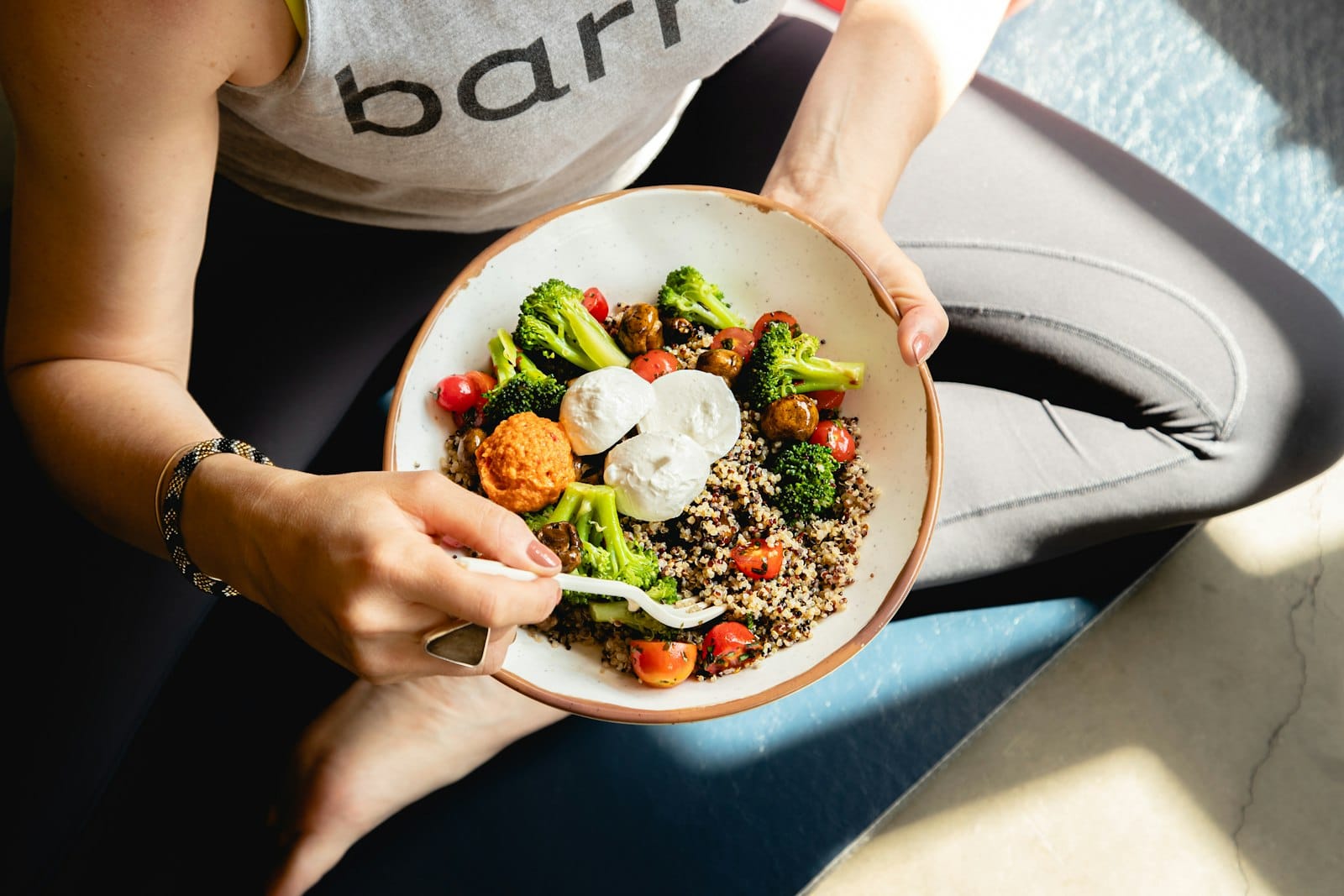
Having the right staples on hand makes plant-based cooking dramatically easier on busy days.
- Canned or dried beans and lentils for quick protein.
- A good stock of rice, pasta and other whole grains.
- Plant milk that suits your taste for coffee, cereal and baking.
- A few sauces and spice blends to add flavour fast.
- Frozen vegetables and fruit for when fresh is not on hand.
Grocery shopping without the overwhelm
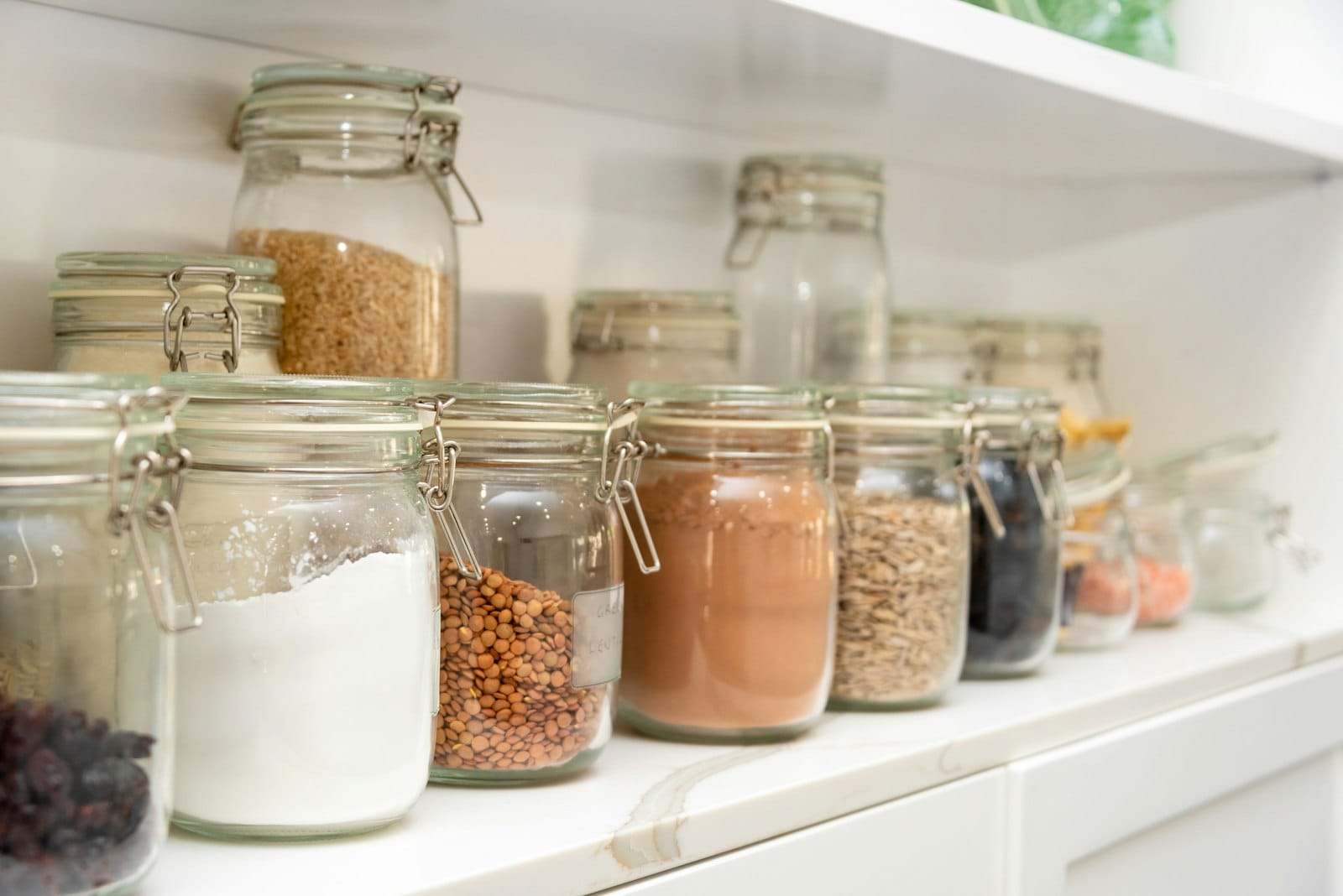
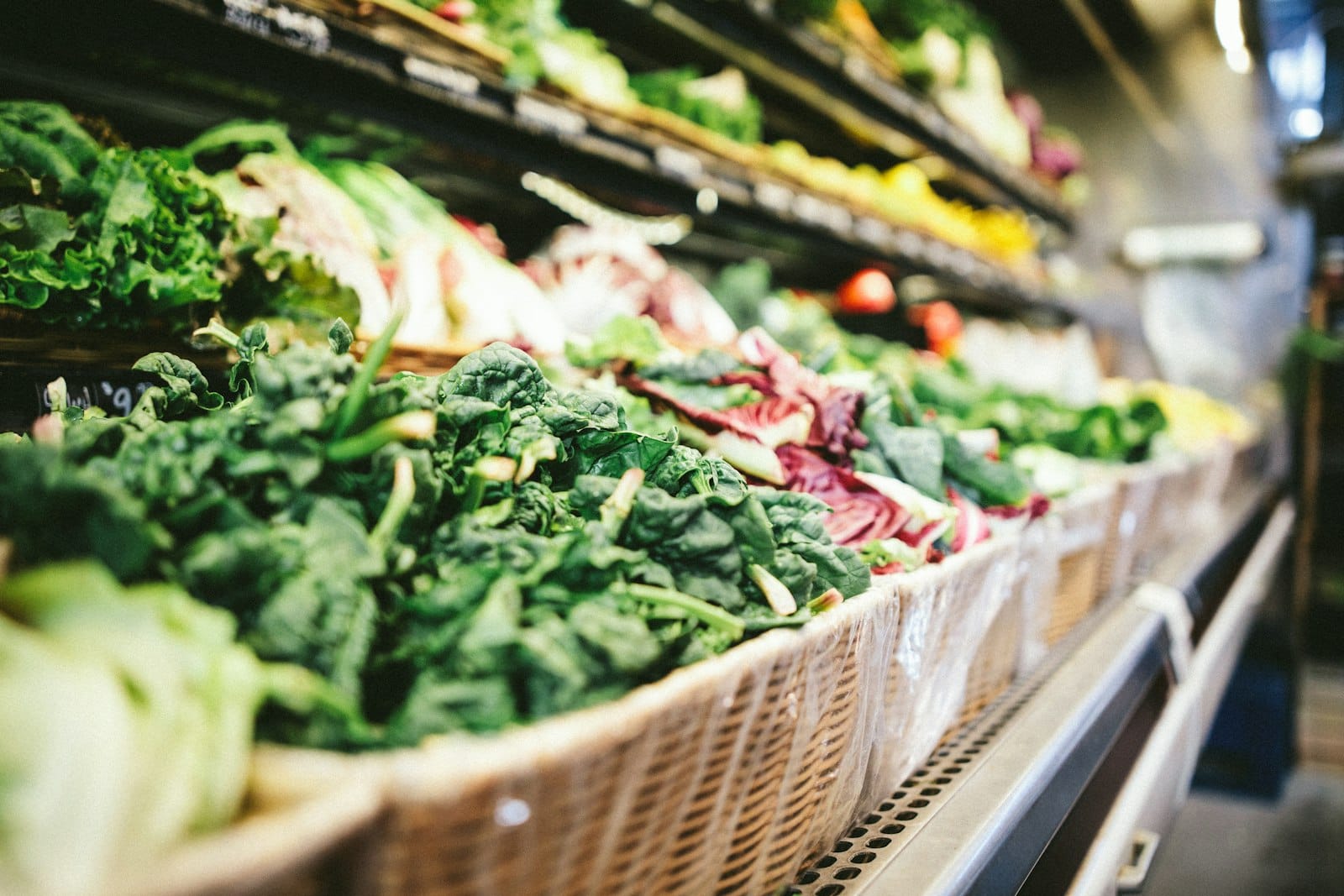
You do not need a specialty health food store to eat plant-based well — a regular supermarket covers almost everything you need.
Shop the perimeter for fresh produce, then fill in with pantry staples like grains, legumes and plant milk. A short weekly list built around a few go-to meals removes most of the decision fatigue that trips beginners up.
Simple meals to start with
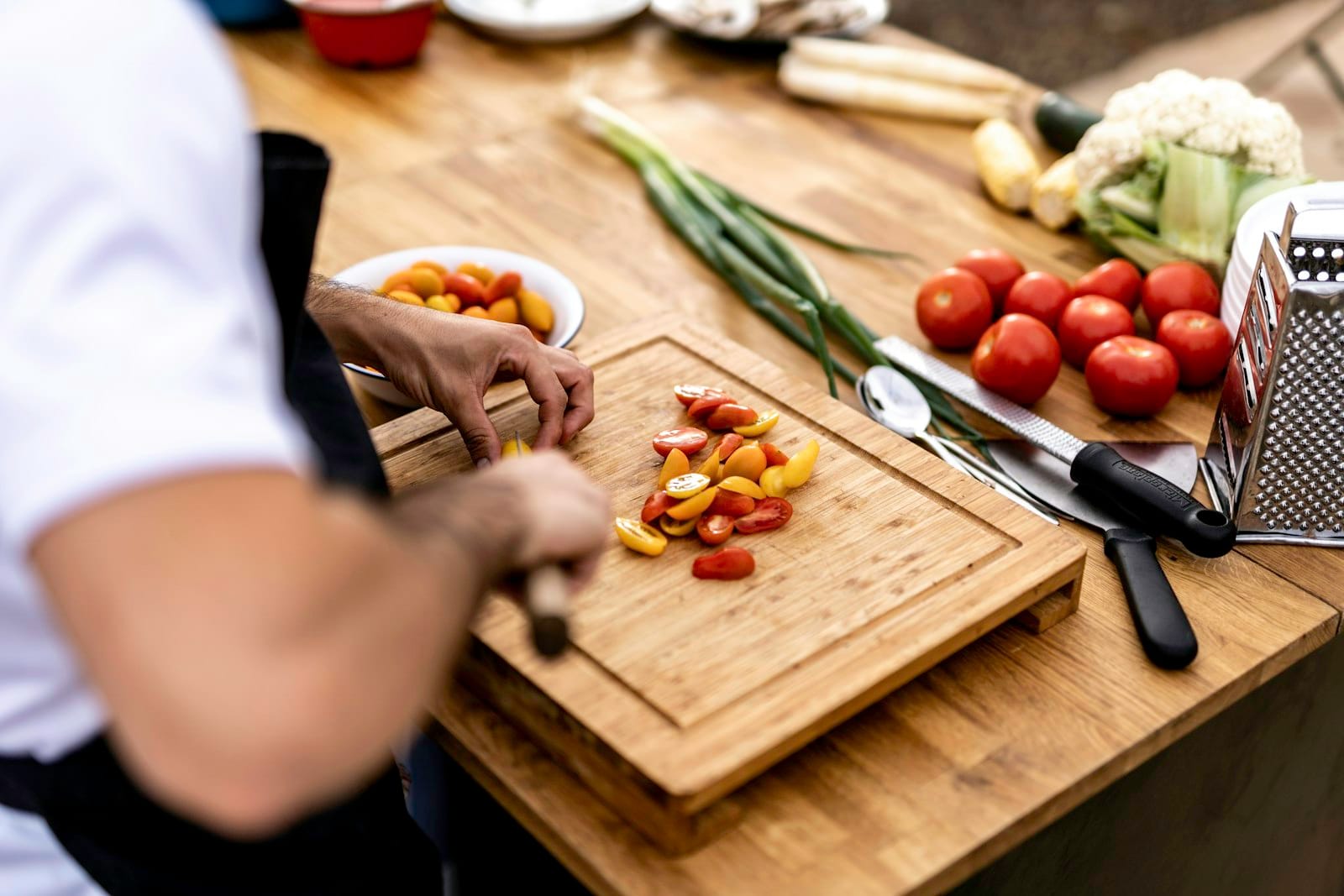
You do not need fancy recipes to eat well — some of the easiest plant-based meals are also the most satisfying.
- A grain bowl with roasted vegetables, chickpeas and tahini dressing.
- A hearty lentil curry served over rice.
- Wholegrain toast with mashed avocado and beans.
- Stir-fried tofu and vegetables with soy sauce and ginger.
Once a few of these become second nature, expanding your repertoire gets much easier. Our guide to vegan kitchen staples covers some handy ingredients worth knowing.
Eating out and staying social
One common worry is that plant-based eating will complicate eating out or socialising — in practice, it rarely does.
Most cuisines have naturally plant-based dishes, and a fully plant-based cafe removes the guesswork entirely. Our guide to eating out vegan with confidence covers exactly how to navigate menus and ask the right questions.
Family gatherings and group meals can feel like the trickiest part, especially early on. A little advance planning helps enormously — offering to bring a dish, suggesting a plant-based-friendly venue, or simply letting the host know ahead of time all make things easier for everyone.
Handling setbacks without giving up
Almost everyone who changes how they eat has an off day, an awkward dinner, or a week where old habits creep back in. That is completely normal, and it does not undo your progress.
The people who stick with plant-based eating long-term are rarely the ones who never slip up — they are simply the ones who get back to it the next meal, without treating one setback as a reason to abandon the whole effort.
Give yourself the same grace you would give a friend learning something new. Progress rarely moves in a straight line, and that is completely fine.
If you want a bit of extra support, cooking a few meals alongside a friend who is on the same journey can make the whole process considerably more enjoyable, and much easier to stick with.
Getting started at The Cardamom Pod
If you want an easy, pressure-free introduction, a meal at a fully plant-based cafe is one of the simplest ways to start. At The Cardamom Pod, everything on the menu is already plant-based, so there is nothing to decode.
Browse our full plant-based menu, or book a table at The Brickworks in Southport.
Staying motivated for the long run
Like any new habit, plant-based eating tends to stick best when it feels enjoyable rather than restrictive.
Give yourself permission to experiment, revisit meals you did not love and try them a different way, and celebrate small wins rather than fixating on perfection. Over a few months, what feels effortful at first tends to become simply how you eat.
It also helps to have a couple of go-to takeaway or cafe options on hand for busy days when cooking is not realistic — a fully plant-based venue nearby makes that far easier.
Frequently asked questions
How do I start eating plant-based?
Start small — swap one meal a day, or try a few meat-free days a week. Build up gradually rather than overhauling everything at once, and focus on foods you already enjoy that happen to be plant-based.
What can I eat on a plant-based diet?
Fruits, vegetables, whole grains, legumes, nuts, seeds and plant-based proteins like tofu and tempeh form the foundation, along with plant milks and plant-based versions of familiar staples.
Will I get enough protein eating plant-based?
Yes, with a varied diet. Legumes, tofu, tempeh, nuts, seeds and whole grains all contribute protein, and combining different plant sources across the day easily covers your needs.
Do I need supplements on a plant-based diet?
Vitamin B12 is the main one to watch, since it is not naturally present in plant foods. Many people take a B12 supplement or choose fortified foods; it is worth checking with your doctor for personalised advice.
Is it okay to eat plant-based only some of the time?
Absolutely. Many people successfully reduce animal products gradually rather than going fully plant-based overnight, and even partial changes bring real benefits.
Keep exploring
For more, read our guides to vegan kitchen staples, vegan protein sources, and plant-based vs vegan vs vegetarian.
Leave a Reply