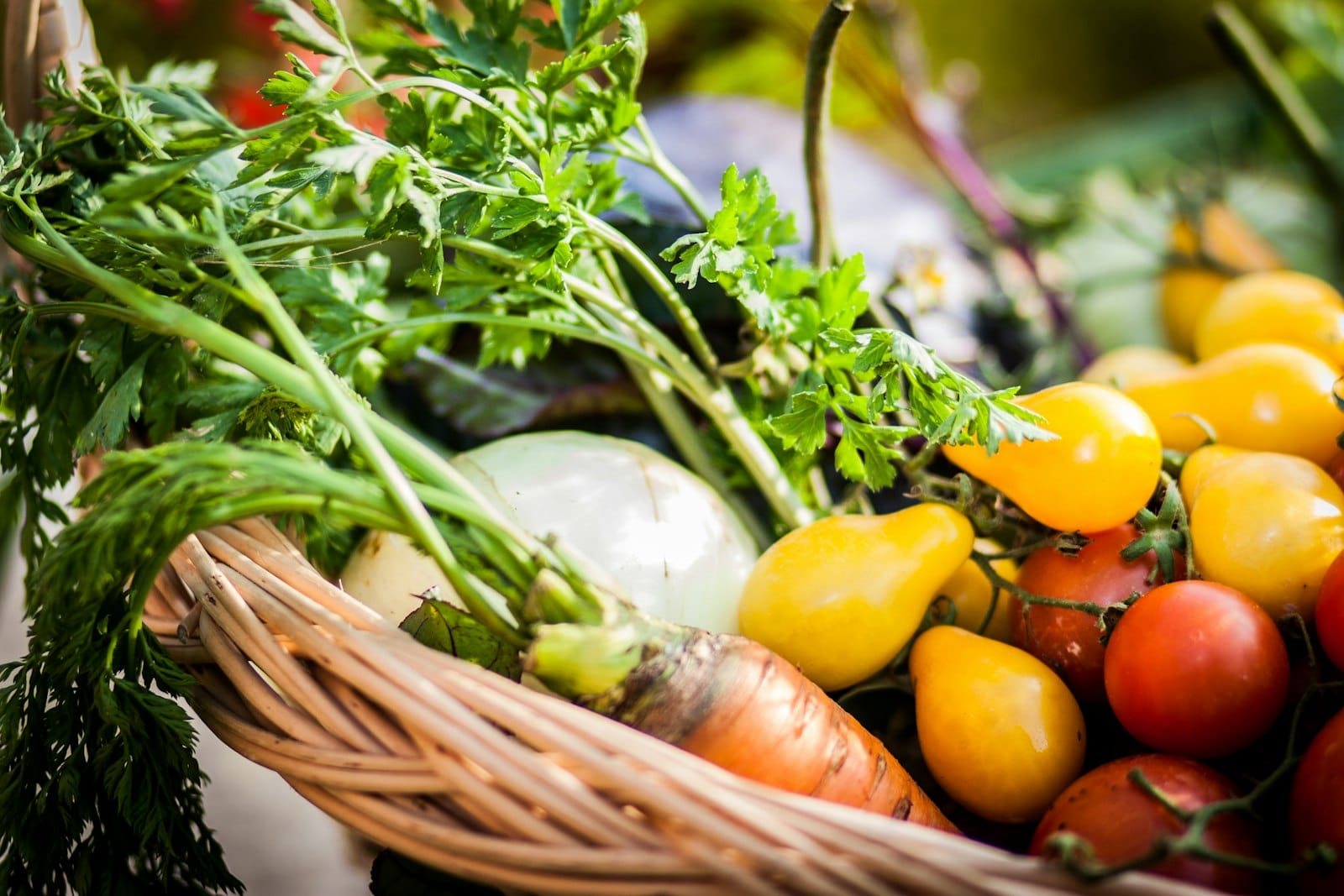
There is a persistent myth that vegan eating is expensive — usually based on a shopping trip full of specialty cheeses, meat substitutes and pre-made snacks.
Built around whole foods instead, plant-based eating is often genuinely cheaper than a diet centred on meat and dairy. Here is a practical, honest guide to eating well on a budget.
This is not about deprivation, either. Some of the most affordable plant-based staples — lentils, rice, seasonal vegetables — are also genuinely delicious, forming the backbone of entire cuisines around the world.
Where the “expensive vegan” myth comes from
The perception of expense usually comes down to what is being compared. A trolley full of premium plant-based cheese, meat substitutes and packaged snacks is genuinely pricey — but that is not what affordable vegan eating looks like.
Built instead around staples like rice, oats, lentils, beans and seasonal vegetables, a plant-based diet is consistently among the cheapest ways to eat well.

The cheapest protein sources
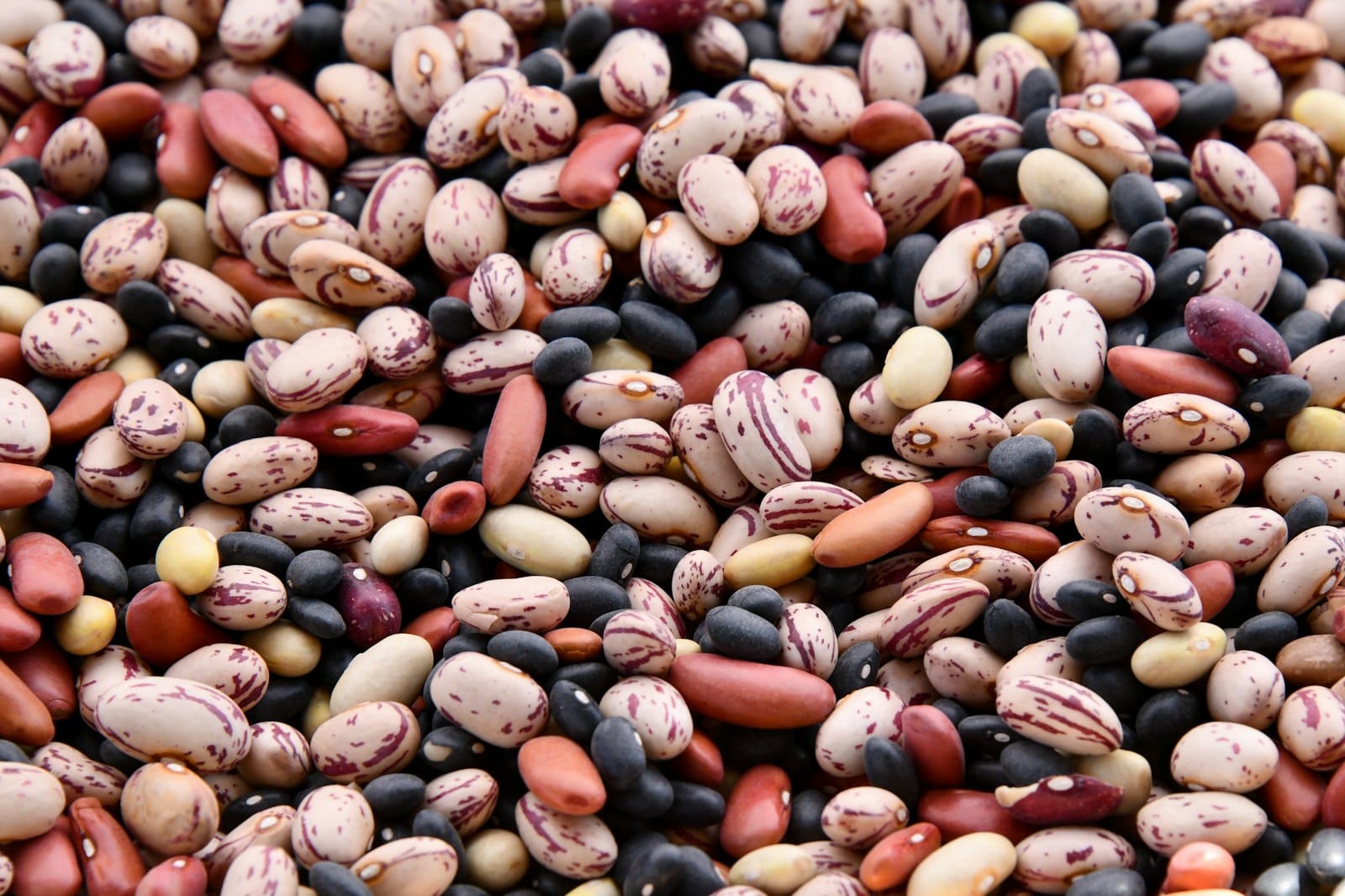
Plant-based protein is some of the most affordable food available, once you know where to look.
| Protein source | Approx. cost | Why it is cheap |
|---|---|---|
| Dried lentils | Very low | No processing, long shelf life |
| Canned beans/chickpeas | Low | Widely available, minimal prep |
| Tofu | Low–moderate | Made from soybeans, simple processing |
| Rolled oats | Very low | Bulk-friendly, versatile |
| Meat substitutes | High | Highly processed, branded products |
Cooking at home vs eating out
The single biggest factor in most people’s food budget is not what they buy at the supermarket, but how often they eat out.
This applies just as much to plant-based eating as any other diet — a home-cooked lentil curry costs a fraction of the same dish from a restaurant. Eating out remains a genuine pleasure worth budgeting for occasionally, but leaning on home cooking as the default is where the real savings happen.
Batch cooking a large pot of something simple, then eating from it across several days, is one of the most reliable ways to keep both cost and effort down during a busy week.
Smart shopping strategies
A few shopping habits make a genuine difference to your weekly grocery bill.
- Buy dry staples in bulk — rice, oats, lentils and beans cost far less per serving in larger quantities.
- Choose store brands — often identical in quality to name brands at a lower price.
- Shop seasonally — in-season produce is cheaper and generally tastes better.
- Plan meals ahead — reduces impulse buying and food waste.
For more on where to shop, see our guide to vegan grocery shopping on the Gold Coast.
Growing your own, even a little
You do not need a large garden to save money on produce — a few pots of herbs on a balcony or windowsill can meaningfully cut down on regular purchases of fresh basil, coriander or mint.
Even a single tomato plant or a small patch of leafy greens adds up over a season, and there is a genuine satisfaction in cooking with something you grew yourself.
A week of affordable staples
A genuinely budget-friendly week does not need to feel restrictive — it just leans on a rotating set of cheap, versatile staples.
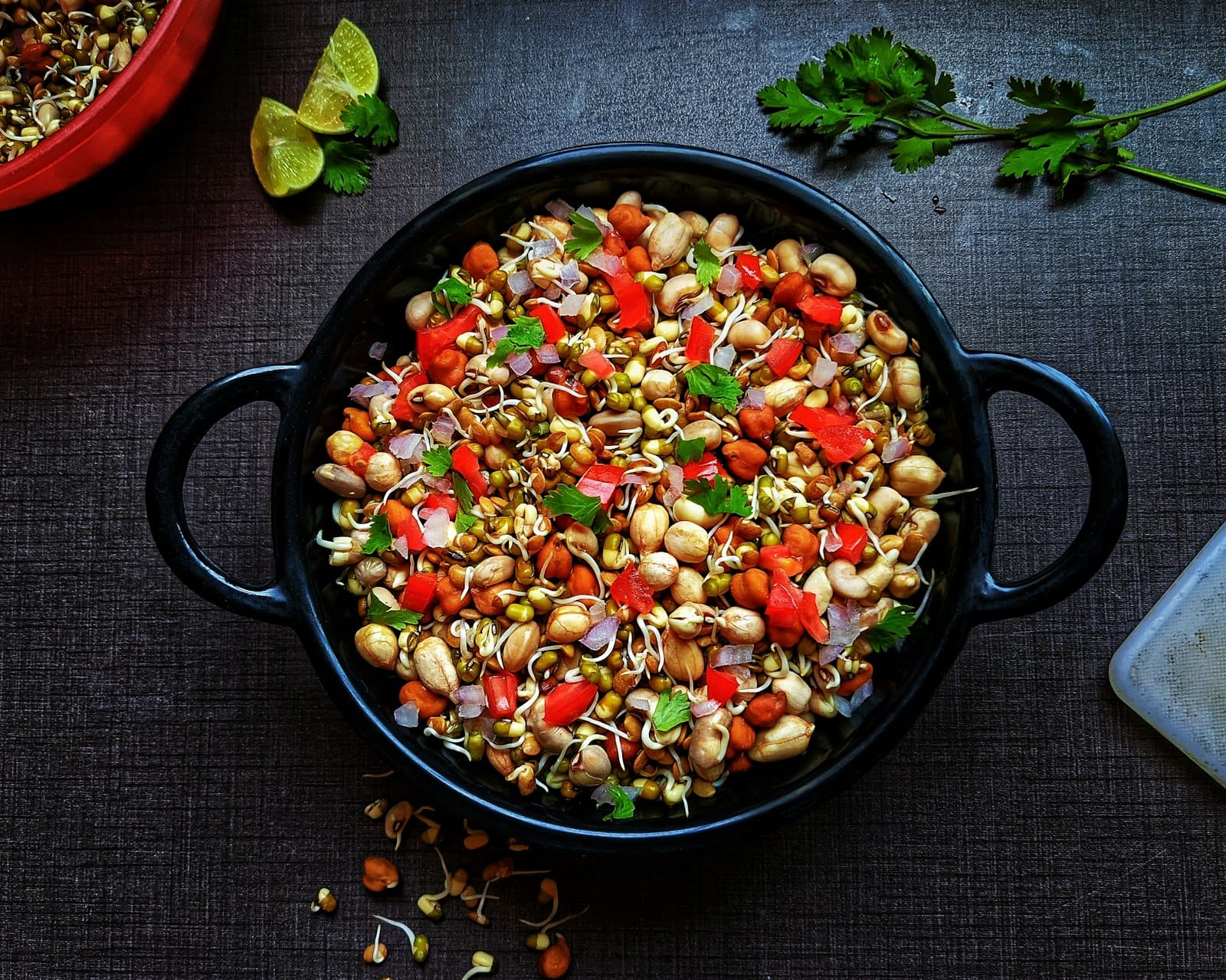
Think a big pot of lentil curry, a batch of rice, roasted seasonal vegetables, and a simple bean chilli — all built from ingredients that cost a fraction of their meat-based equivalents, and all genuinely satisfying.
Cutting food waste to stretch your budget further
Reducing waste is just as valuable as smart shopping when it comes to keeping grocery costs down.
Storing produce properly, using vegetable scraps for stock, and cooking a little extra to freeze for later all quietly reduce how much money ends up in the bin rather than on the table. Our guide to vegan meal prep covers several of these habits in more detail.
Avoiding the specialty product trap
It is easy to assume you need an ever-growing list of speciality vegan products to eat well — in practice, the opposite is usually true.
Whole foods do most of the heavy lifting. Save the pricier plant-based cheeses and meat substitutes for occasional treats rather than daily staples, and your grocery bill will thank you.
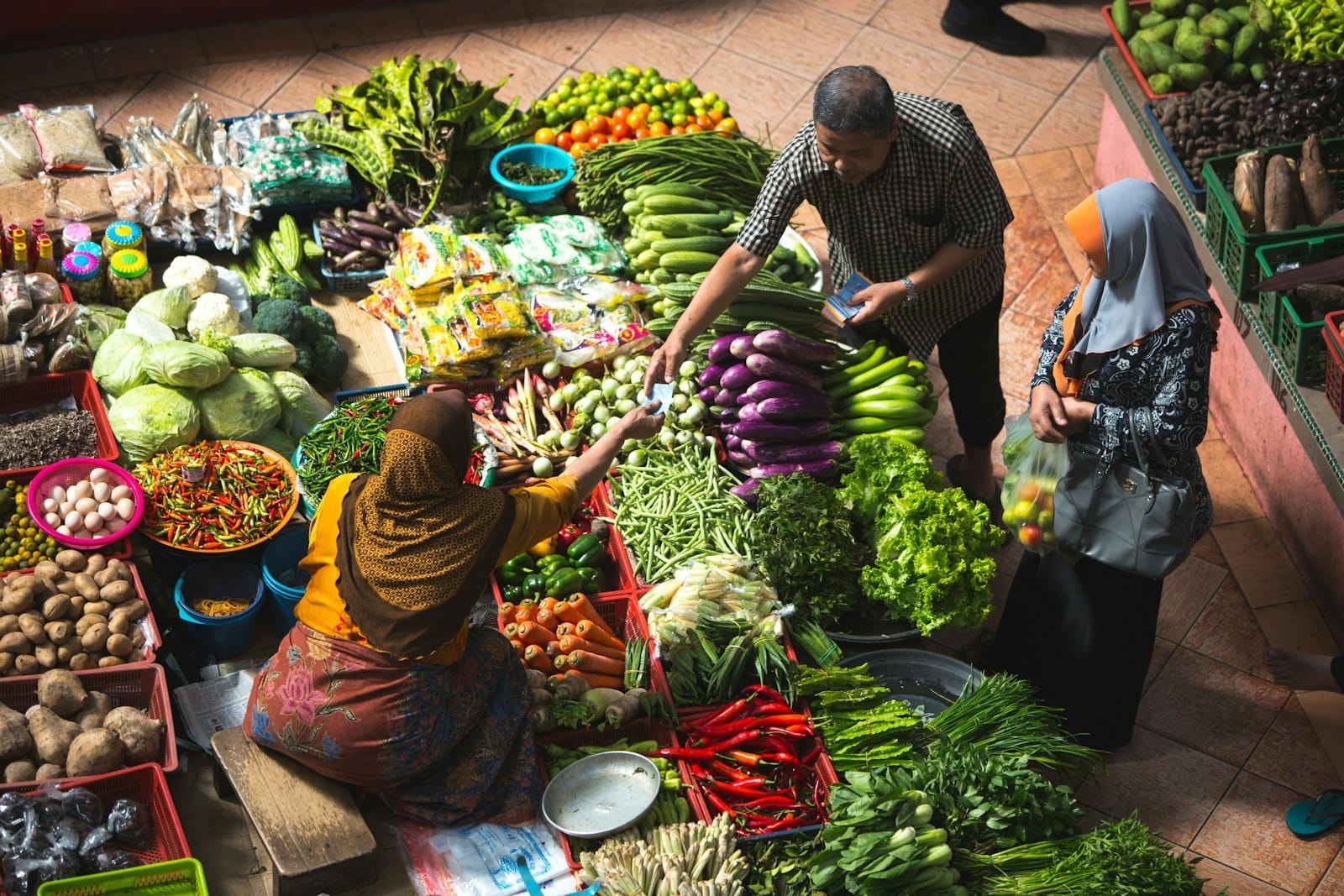
Planning makes the biggest difference
More than any single shopping trick, a little planning is what separates an affordable week from an expensive one.
A simple meal plan before you shop, built around what is on special and in season, avoids the impulse buys and food waste that quietly inflate most grocery bills. Our guide to vegan meal prep covers this in more detail.
Eating well without overspending
Plant-based eating, done thoughtfully, is genuinely one of the more affordable ways to eat — not despite being vegan, but often because of it.
Browse our full plant-based menu at The Cardamom Pod for inspiration, or explore our guide to getting started with plant-based eating.
A genuinely accessible way to eat
If cost has ever held you back from trying plant-based eating, it is worth reconsidering — built around whole foods, it is one of the more affordable ways to eat well, not a luxury reserved for anyone with money to spare.
Start with the basics, build from there, and let your grocery bill be part of the proof.
It might just be one of the more pleasant surprises of switching to a more plant-based way of eating.
Your wallet, much like your body, tends to notice the difference.
Give it a genuine month, track what you spend, and see for yourself.
More often than not, the numbers speak for themselves.
Affordable, nourishing and genuinely satisfying — plant-based eating on a budget really can be all three at once.
Frequently asked questions
Is vegan eating actually expensive?
Not necessarily. Built around whole foods like rice, beans, lentils and seasonal vegetables, plant-based eating is often cheaper than a diet centred on meat and dairy. Specialty vegan products drive up costs, not plant-based eating itself.
What are the cheapest vegan protein sources?
Dried or canned lentils, chickpeas and beans are among the most affordable protein sources available, often costing just cents per serving.
Should I buy in bulk?
Yes, where practical. Dry staples like rice, oats, lentils and beans are significantly cheaper bought in bulk and store well for months.
Are meat substitutes necessary for a budget vegan diet?
No — whole foods like tofu, tempeh, beans and lentils are far cheaper than processed meat substitutes and just as nutritious, often more so.
Does The Cardamom Pod fit a budget-conscious approach?
Our menu focuses on wholesome, quality ingredients rather than expensive novelty products — the same principle behind affordable plant-based cooking at home.
Keep exploring
For more, read our guides to vegan meal prep for beginners, vegan grocery shopping on the Gold Coast, and vegan kitchen staples.
Leave a Reply