Every bit of food that ends up in the bin is wasted money, wasted effort, and wasted resources — and a surprising amount of it never needed to be waste in the first place.
This guide covers practical, genuinely useful ways to reduce food waste in a plant-based kitchen, without turning cooking into a chore.
None of this requires a dramatic lifestyle overhaul. Small, consistent habits, built up gradually, make far more difference than an ambitious plan abandoned after a week.
Why food waste matters
Food waste is a bigger issue than most people realise, both financially and environmentally — wasted food represents wasted water, land and energy used to grow it in the first place.
Reducing it at home is one of the most directly impactful things an individual household can do, and it comes with the added benefit of a smaller grocery bill. Organisations like OzHarvest do brilliant work rescuing surplus food at scale, but household-level habits matter too.
Start with a plan
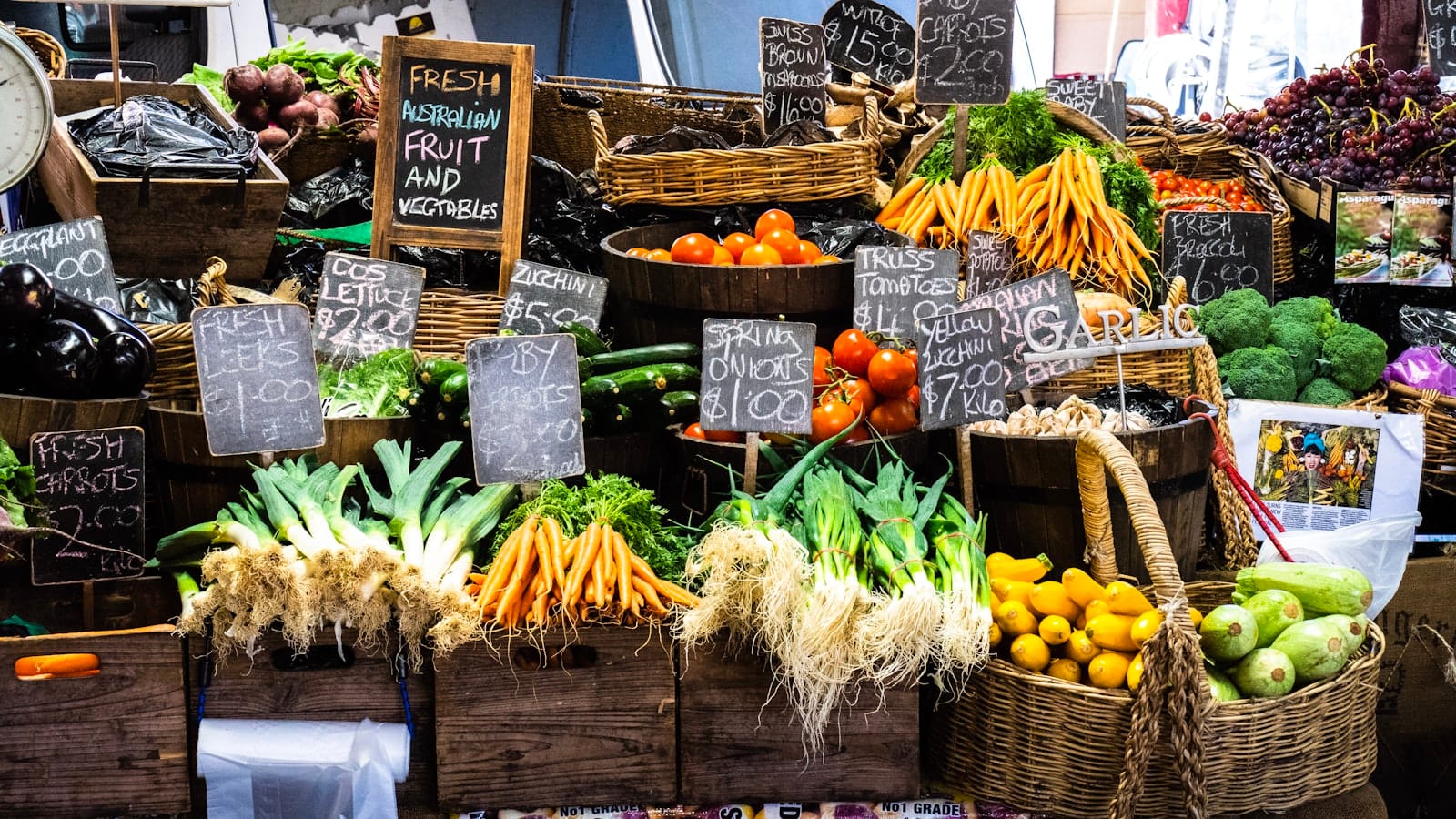
The single most effective zero-waste habit happens before you even start cooking — planning your meals around what you already have, and what you actually need.
A simple meal plan before shopping eliminates impulse purchases, prevents buying duplicates of things already in the pantry, and creates a natural order for using perishables before they spoil.
Using every part of the vegetable
So many vegetable parts get discarded out of habit rather than necessity.
| Scrap | What to do with it |
|---|---|
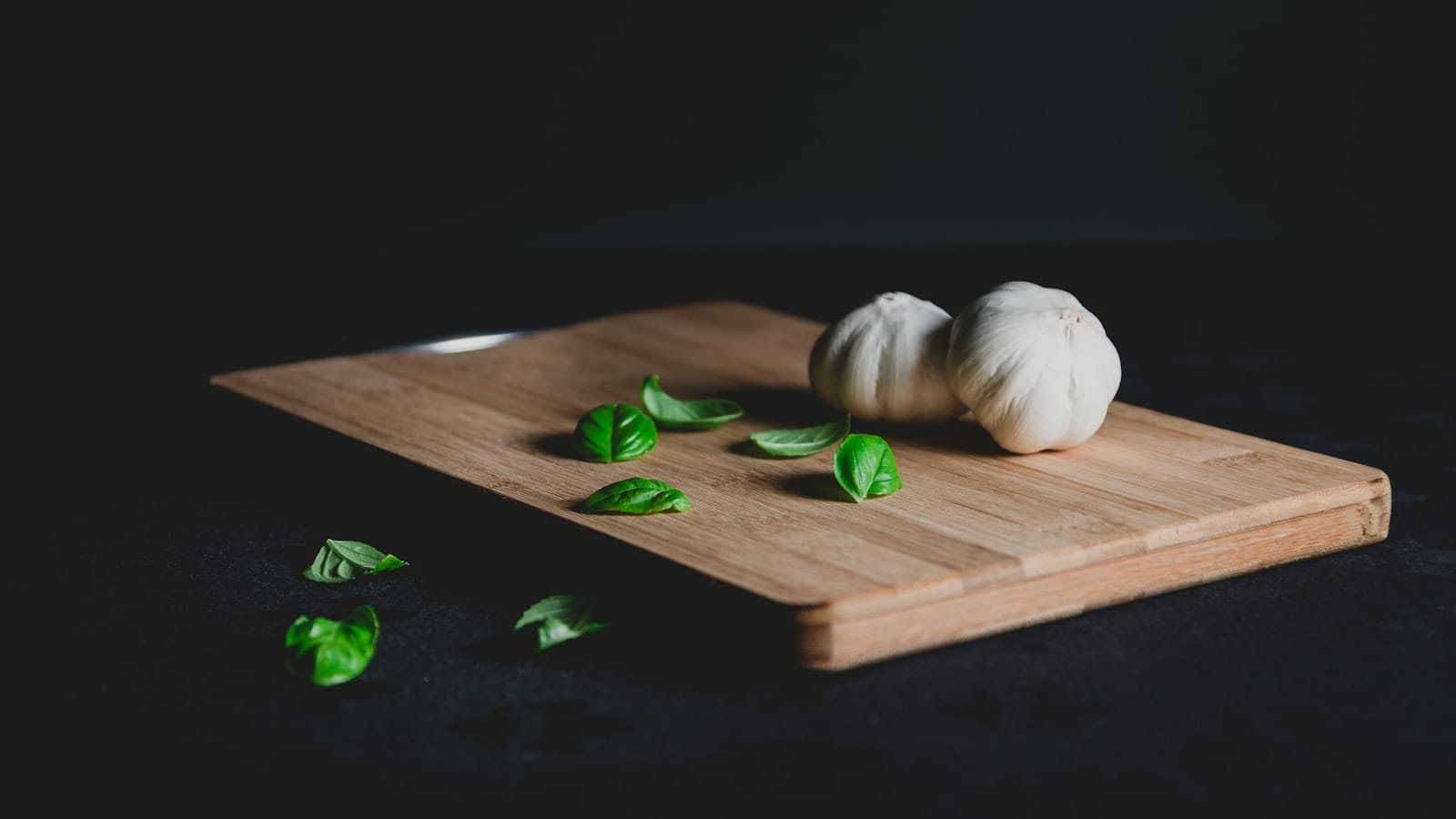
| Onion & garlic skins | Freeze for vegetable stock |
| Carrot & celery tops | Use like herbs in salads, or add to stock |
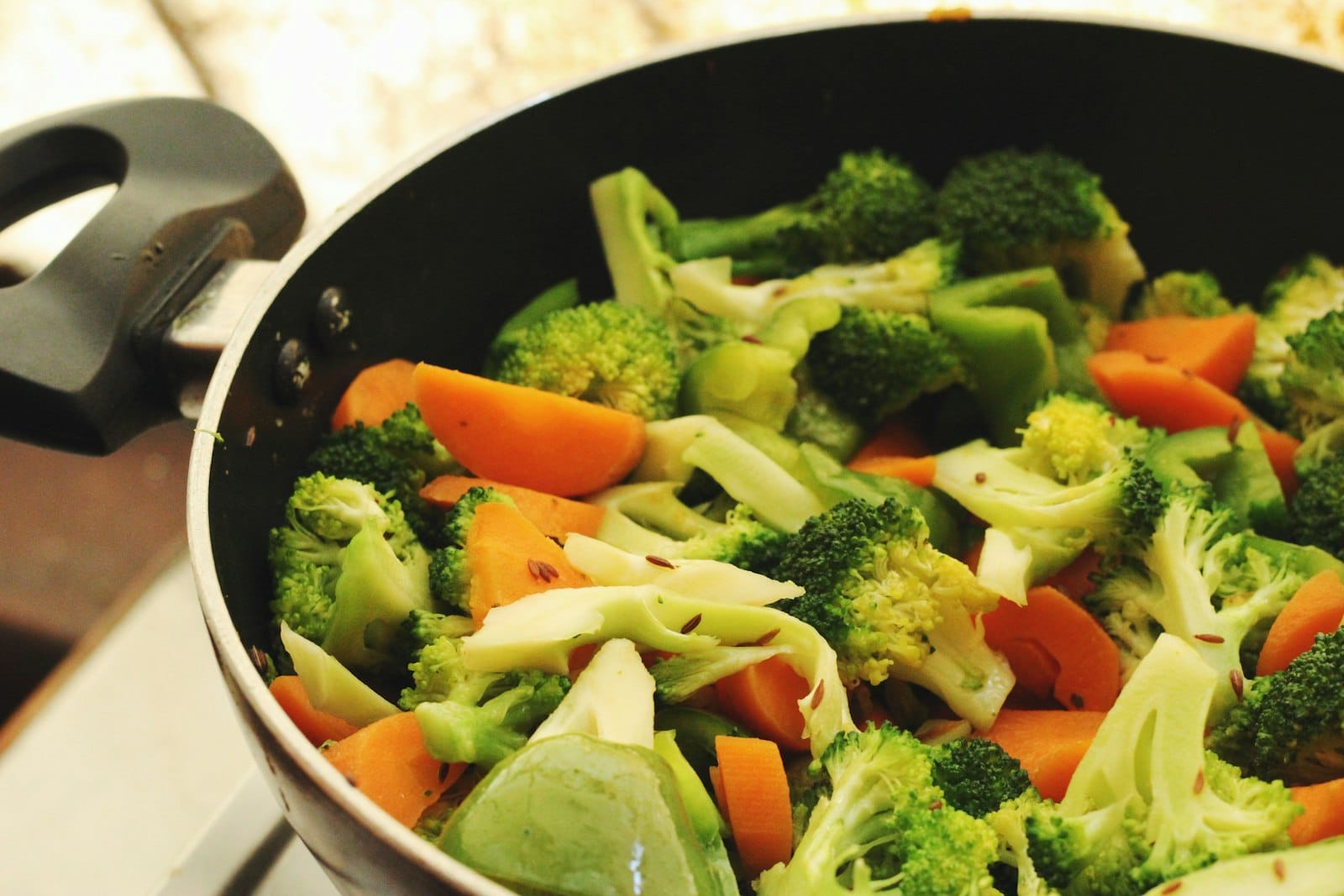
| Broccoli stems | Peel and slice thin for stir-fries |
| Herb stems | Chop finely and add to sauces or dressings |
| Citrus peels | Zest for baking, or dry for tea |
A simple scrap stock
Keeping a bag in the freezer for vegetable scraps is one of the easiest zero-waste habits to build.
Onion ends, carrot peels, celery leaves and similar bits, simmered in water for an hour, produce a genuinely flavourful stock — a base for soups, risottos and sauces that would otherwise have cost you money to buy pre-made.
Rethinking “best before” dates
Best before dates indicate peak quality, not safety, and a huge amount of genuinely good food gets discarded unnecessarily because of this confusion.
Use your senses — smell, appearance, texture — as the real test for most shelf-stable and lightly perishable foods, rather than treating the printed date as an absolute cut-off. “Use by” dates on more perishable items are worth taking more seriously.
Storage that actually extends freshness
Proper storage is one of the most underrated tools for reducing waste.
- Store leafy greens with a paper towel to absorb excess moisture.
- Keep herbs upright in a glass of water, like flowers.
- Use airtight containers for pantry staples to keep pests and moisture out.
- Freeze anything you will not use before it spoils, rather than letting it go to waste.
Buying only what you will actually use
Overbuying is one of the quieter causes of food waste, often driven by bulk discounts or simply misjudging how much a household actually eats in a week.
A quick mental check before adding something to the trolley — will this genuinely get used before it spoils — prevents a surprising amount of waste before it even happens.
It is a small pause that pays for itself many times over across a year of shopping.
A well-planned shopping list, built around meals you have actually decided on, is one of the simplest defences against this kind of impulse-driven waste.
Fruit and vegetables past their best
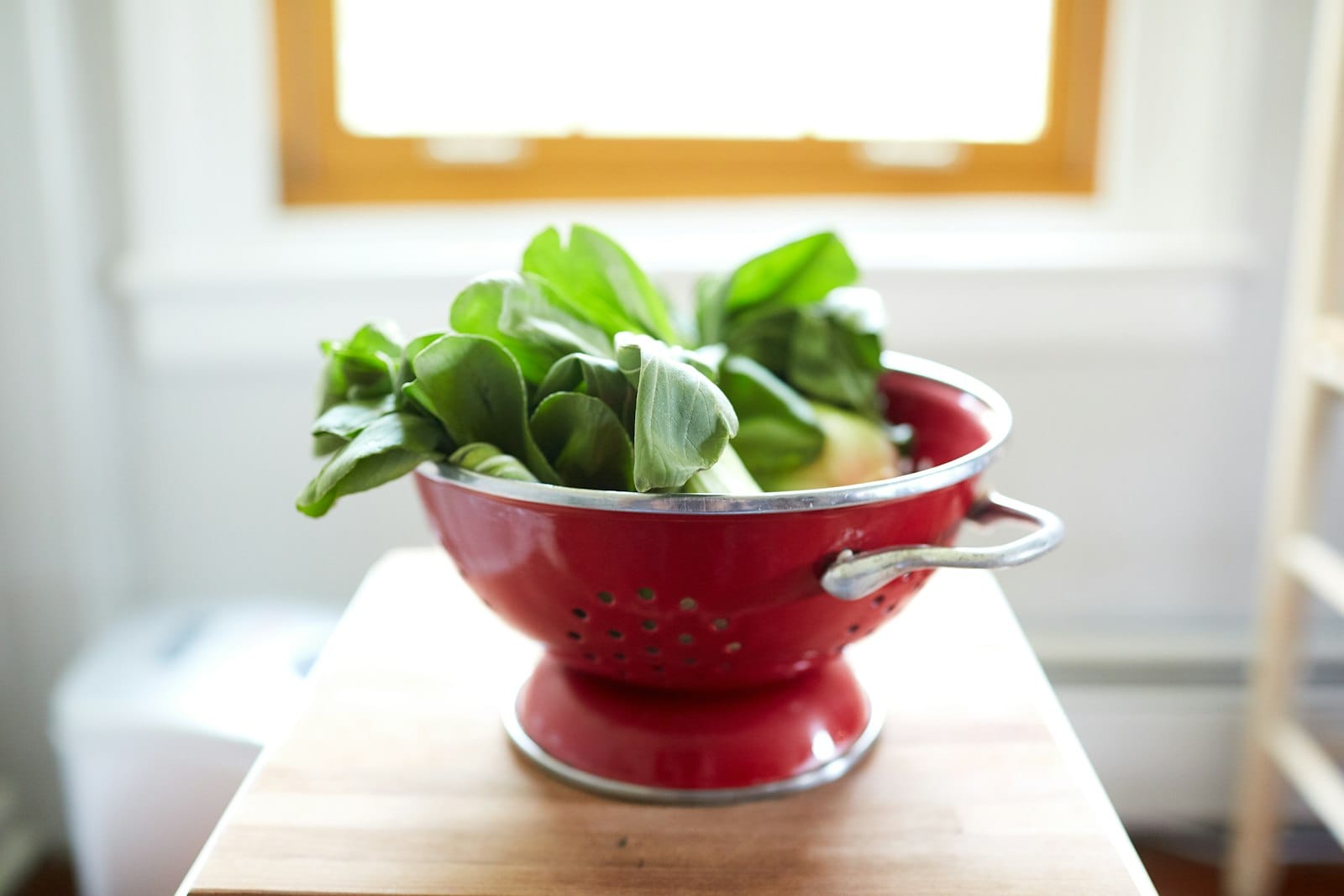
Slightly overripe or wilting produce is often thrown out unnecessarily, when it is usually still perfectly good for cooking, even if not for eating raw.
Overripe bananas are perfect for baking, soft tomatoes work beautifully blended into a sauce, and wilting greens can be revived with a cold water soak or simply cooked into a soup or stir-fry rather than composted straight away.
Composting what is genuinely left over
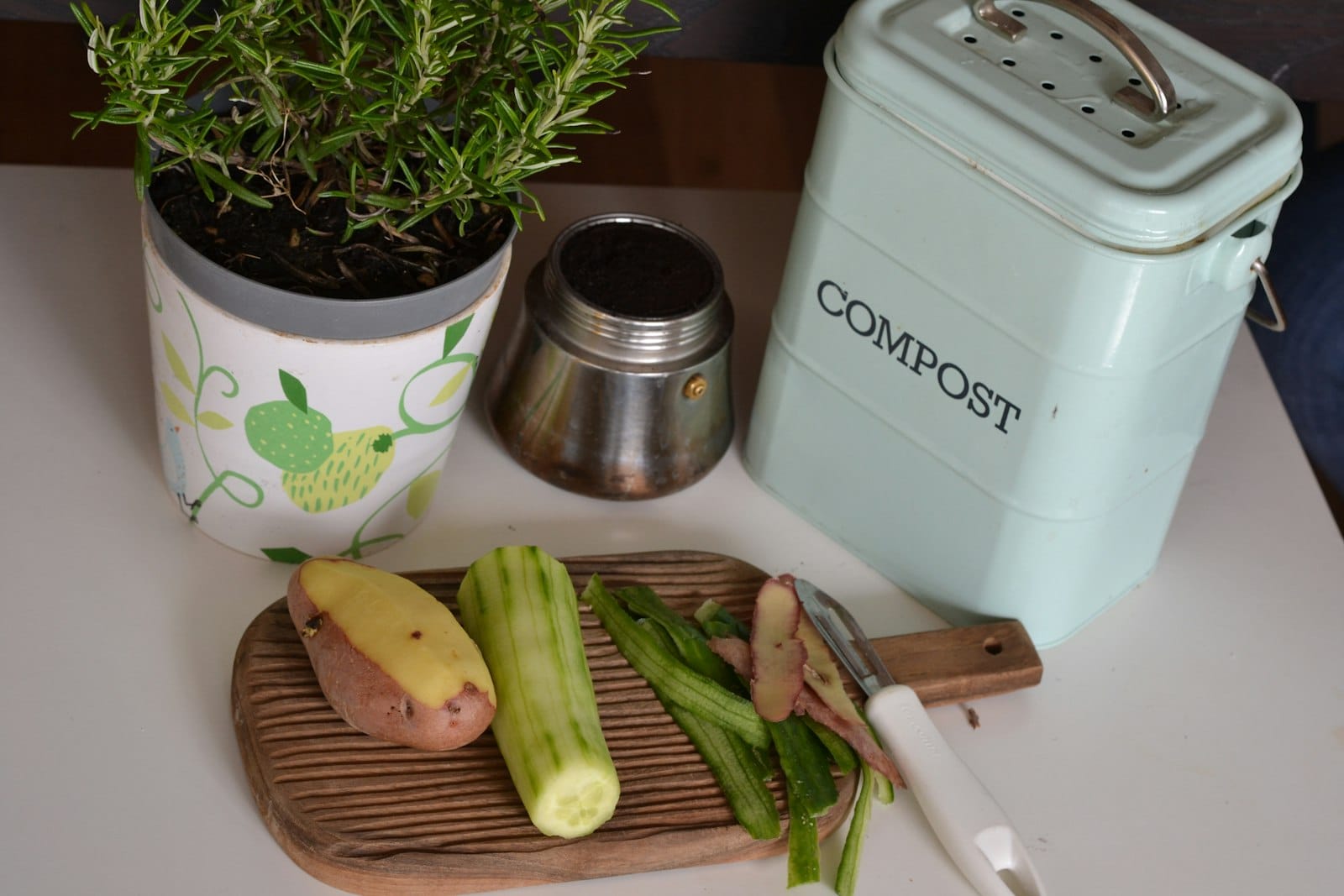
Even with the best intentions, some scraps genuinely cannot be used — and that is exactly what composting is for.
A simple kitchen compost bin diverts food scraps from landfill and, over time, produces genuinely useful material for a garden, community compost or council collection service.
A mindset, not a strict rulebook
Genuine zero waste, in the literal sense, is a difficult standard for any household to hit consistently — and that is not really the point.
The value comes from a general shift in mindset: noticing what tends to go to waste, and gradually building habits that reduce it. Small, consistent changes add up considerably over a year.
Cooking with intention at The Cardamom Pod
We aim to use ingredients thoughtfully across our menu, in keeping with the same values of care that shape everything we cook.
Browse our full plant-based menu, or explore our guide to vegan meal prep for more habits that reduce both waste and stress in the kitchen.
Small habits, real impact
None of these changes are dramatic on their own, but together they add up to a genuinely different relationship with the food coming through your kitchen.
Pick one or two habits from this guide to start with, rather than trying to overhaul everything at once, and build from there.
Your bin, your wallet and the planet all benefit from the same small shift in habits.
It is one of those rare changes where every incentive genuinely lines up in the same direction — less waste, less spending, and a kitchen that runs that little bit more smoothly.
Start with whatever feels easiest, and let the rest follow naturally from there.
Frequently asked questions
What is zero-waste cooking?
Zero-waste cooking means using as much of every ingredient as possible — peels, stems, scraps and all — to minimise what ends up in the bin.
What can I do with vegetable scraps?
Onion peels, carrot tops, celery ends and similar scraps can be frozen and used to make a flavourful vegetable stock, rather than thrown away.
Does meal planning actually reduce waste?
Yes, significantly. Planning meals before shopping prevents duplicate purchases and ensures perishables get used in order, rather than forgotten at the back of the fridge.
Is zero-waste cooking more expensive?
The opposite — using more of what you buy, and wasting less, generally reduces your overall grocery spend rather than increasing it.
Does The Cardamom Pod practise zero-waste cooking?
We aim to use ingredients thoughtfully across our menu, in keeping with the same values of care and intention that shape everything we cook.
Keep exploring
For more, read our guides to vegan meal prep for beginners, eating plant-based on a budget, and vegan grocery shopping on the Gold Coast.
Leave a Reply