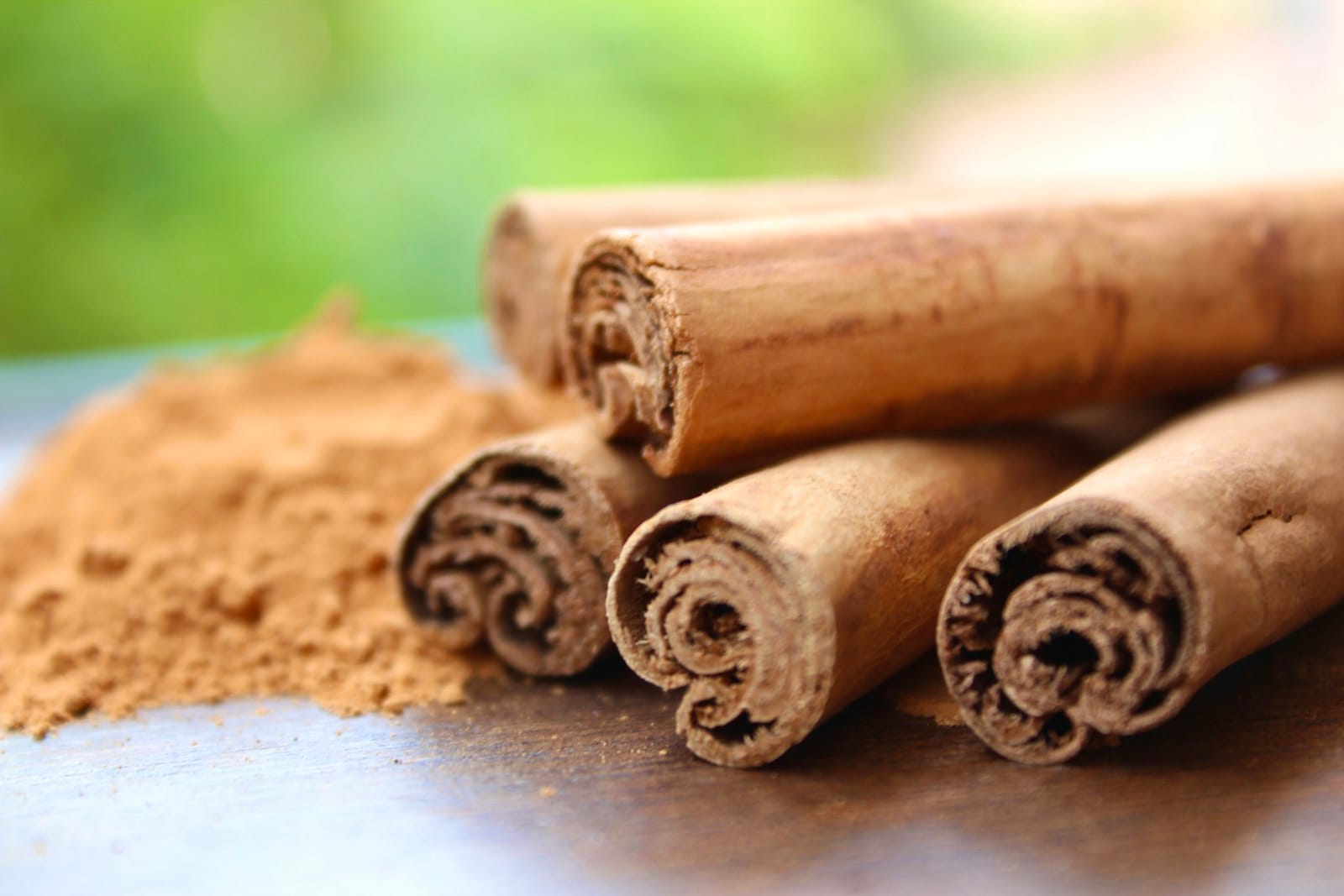
Cinnamon is one of the most familiar spices in any kitchen, yet it rarely gets the same attention as trendier spices like turmeric. That is a shame, because it genuinely earns its place, in both flavour and health benefits.
This guide covers what makes cinnamon worth using more often, the evidence behind its most popular health claims, and simple ways to bring it into your everyday cooking.
Part of why it gets overlooked is exactly because it is so familiar — sitting in nearly every pantry, easy to take for granted. It deserves a second look.
Where cinnamon comes from
Cinnamon is made from the inner bark of trees in the Cinnamomum genus, harvested, dried and rolled into the familiar curled sticks, or ground into powder.
It has one of the longest documented histories of any spice, with records of its use and trade stretching back thousands of years across ancient Egypt, China and the Mediterranean — once valuable enough to be exchanged as a diplomatic gift.
Two types of cinnamon, and why it matters
Not all cinnamon is the same, and knowing the difference is worth understanding.
| Type | Flavour | Coumarin level | Best for |
|---|---|---|---|
| Ceylon (“true” cinnamon) | Mild, delicate, slightly citrusy | Low | Regular use, delicate dishes |
| Cassia | Stronger, more intense, spicier | Higher | Occasional use, bold flavour |
Most supermarket cinnamon is cassia, which is fine for regular use, but very heavy daily consumption is worth moderating due to its higher coumarin content — a compound that can affect liver health in large amounts. Ceylon cinnamon, sometimes labelled “true cinnamon,” is the gentler alternative.

How to choose the right cinnamon at the store
Most supermarket cinnamon does not distinguish between Ceylon and cassia on the label, which makes it worth checking a little more closely if you want the milder variety.
Ceylon cinnamon is often labelled as such, or sold as “true cinnamon,” and tends to be a little more expensive. For everyday use in small culinary amounts, cassia is perfectly fine — the coumarin concern really only becomes relevant with very high daily intake, well beyond typical cooking use.
The health benefits worth knowing
Cinnamon’s benefits come largely from cinnamaldehyde, the compound responsible for its distinctive aroma and flavour.
According to the Cleveland Clinic’s overview of cinnamon’s benefits, it carries antioxidant and anti-inflammatory properties, may support healthy blood sugar and cholesterol levels, and has traditionally been used to aid digestion. As always, these benefits work best as part of a broader healthy diet rather than in isolation.
Storing cinnamon properly
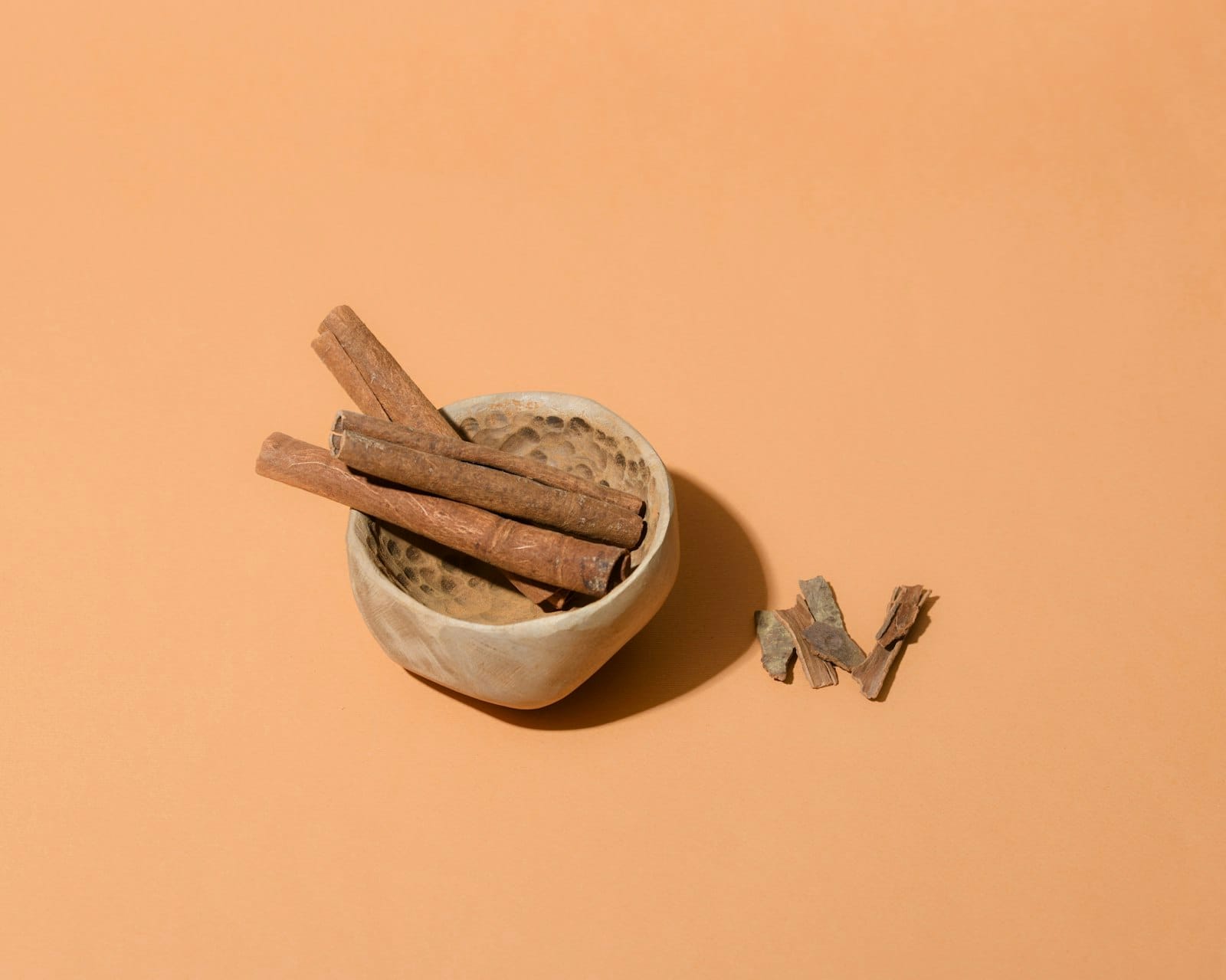
Cinnamon sticks hold their flavour considerably longer than ground cinnamon, since the intact bark protects the essential oils inside from evaporating as quickly.
Keep either form in an airtight container away from heat and light. Ground cinnamon is best used within about a year, while whole sticks can last several years without much noticeable decline in flavour.
Sweet and savoury: cinnamon’s dual life
What makes cinnamon particularly useful is how well it works in both sweet and savoury contexts, a versatility not every spice shares.
- Sweet — porridge, baking, fruit desserts, spiced lattes.
- Savoury — curries, stews, tagines, rice dishes.
- Drinks — chai, mulled beverages, spiced coffee.
- Preserves — chutneys, pickles, spiced fruit.

Cinnamon in savoury cooking, done right
Cinnamon in a savoury dish can feel unusual to those only used to it in desserts, but it is a genuine staple of Middle Eastern, North African and South Asian savoury cooking.
A small amount added to a slow-cooked stew, a tagine or a rich curry brings a warmth that is hard to place but unmistakably good — worth trying if you have only ever used cinnamon in baking.
A simple everyday habit
One of the easiest ways to bring more cinnamon into your routine is simply adding it to breakfast.
A sprinkle over porridge, stirred into overnight oats, or added to a smoothie all work beautifully, and the flavour pairs particularly well with banana, apple and warming spices like ginger and cardamom.
Cinnamon in warm drinks
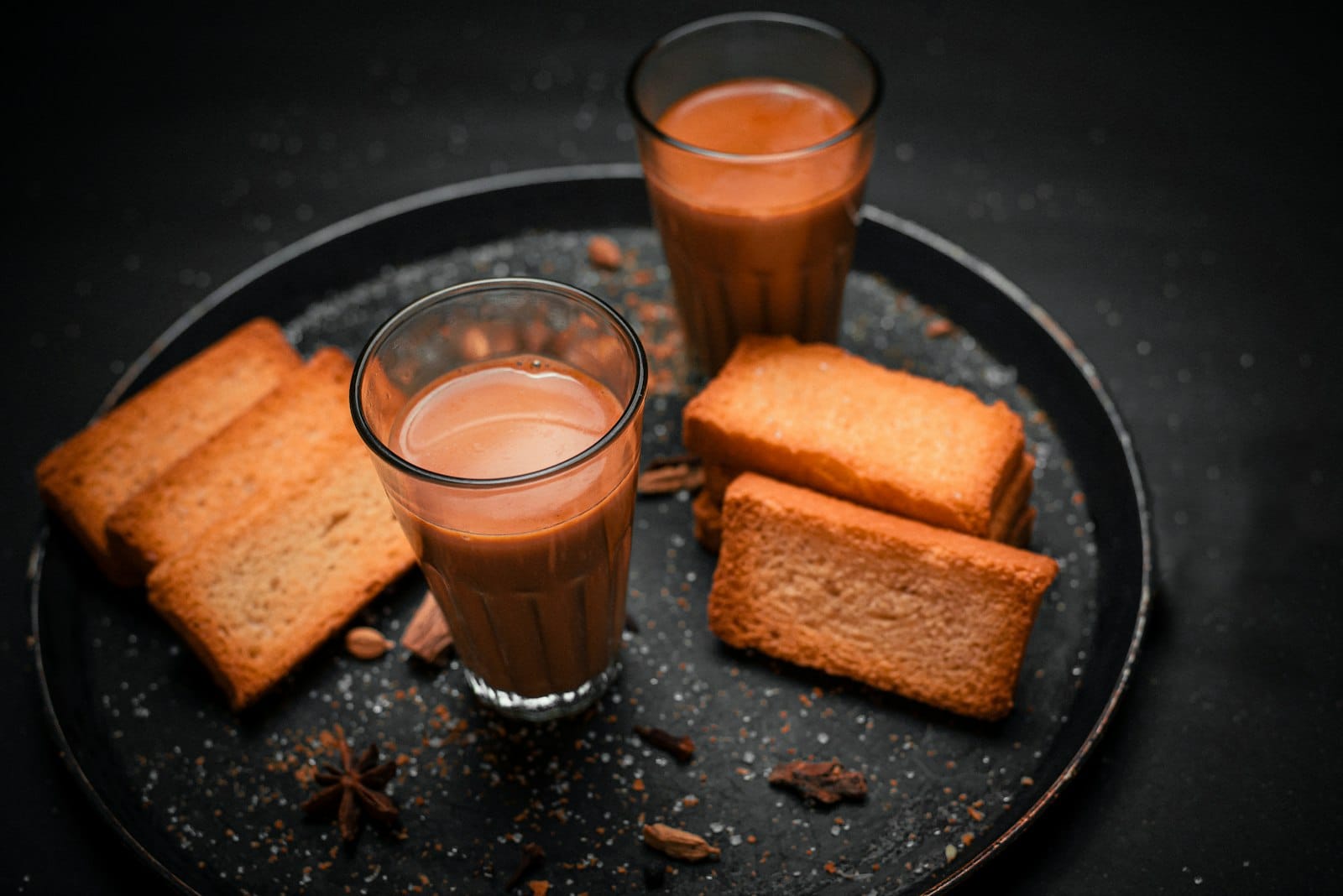
Cinnamon has a natural home in warm, spiced drinks, adding depth without needing much else.
A cinnamon stick steeped in chai, mulled apple juice, or even a simple hot plant-milk drink brings genuine warmth and comfort, especially through the cooler months.
Cinnamon at The Cardamom Pod
Cinnamon appears across both our savoury and sweet dishes, adding warmth and depth in keeping with the spice traditions that inspire our fully plant-based menu.
Browse our full plant-based menu, or explore our guide to golden milk, another warming spiced drink worth trying.

A pantry staple worth appreciating
Cinnamon may not have the trendy reputation of turmeric or the exotic appeal of newer spices, but it has quietly earned its permanent spot in kitchens around the world for good reason.
Next time you reach for it, take a moment to appreciate just how much this humble, familiar spice is doing — in flavour, and in the benefits it brings along with it.
It has earned its place in nearly every kitchen on the planet. That is not an accident.
A cinnamon stick steeped in something warm, on a cool evening, remains one of the simplest, most reliably comforting things a spice rack has to offer.
There are worse ways to spend a quiet moment than with a warm, cinnamon-spiced drink in hand.
Keep a jar close by, and you will likely find more reasons to use it than you expect.
Some ingredients need discovering. Cinnamon just needs a little more attention paid to something already sitting right there in the pantry.
Frequently asked questions
What are the health benefits of cinnamon?
Cinnamon contains cinnamaldehyde, a compound with antioxidant, anti-inflammatory and antimicrobial properties, and has been traditionally used to support digestion, blood sugar management and circulation.
Can cinnamon help manage blood sugar?
Some research suggests cinnamon may support healthy blood sugar levels, though it should complement, not replace, medical advice or treatment for diabetes.
What is the difference between Ceylon and cassia cinnamon?
Ceylon cinnamon is milder and considered higher quality, while cassia cinnamon (the more common supermarket variety) is stronger and contains more coumarin, a compound best consumed in moderation.
How do I use cinnamon in cooking?
Cinnamon works in both sweet and savoury dishes — stirred into porridge and baking, added to curries and stews for warmth, or steeped in hot drinks like chai and coffee.
Does The Cardamom Pod use cinnamon?
Yes — cinnamon appears across both our savoury and sweet dishes, adding warmth in keeping with the spice traditions that inspire our menu.
Keep exploring
For more, read our guides to turmeric benefits and uses, ginger benefits and culinary uses, and golden milk (turmeric latte).
Leave a Reply