Tiny, unassuming and easy to overlook, chia seeds punch well above their weight nutritionally. A small spoonful adds a genuinely meaningful amount of fibre, protein and healthy fats to almost anything.
This guide covers what makes chia seeds worth keeping in your pantry, and simple, practical ways to use them.
They also happen to be one of the few “superfoods” that genuinely lives up to the marketing hype, backed by real nutritional substance rather than just a trendy label.
Where chia seeds come from
Chia seeds come from a flowering plant native to Central America, historically an important staple food for Aztec and Mayan civilisations long before their recent resurgence in popularity.
That history is worth noting — this is not a newly invented health trend, but a genuinely ancient food that modern nutrition science has simply caught up with.
What makes chia seeds so nutrient-dense
For their size, chia seeds carry an impressive nutritional profile.
- Fibre — a significant amount per serving, supporting digestion and satiety.
- Omega-3 fats — a strong plant-based source of alpha-linolenic acid (ALA).
- Protein — a useful contribution, especially combined with other plant proteins.
- Minerals — calcium, magnesium and phosphorus, all important for bone health.
According to Harvard Health’s overview of chia seed benefits, this nutrient density is genuinely well documented, making chia a useful, easy addition to a varied diet.
Are chia seeds worth the price?
Chia seeds sit at a slightly higher price point than everyday pantry staples like rice or oats, which sometimes raises the question of whether they are worth it.
Given how little is needed per serving — typically just a tablespoon or two — the actual cost per use works out modest, even for a premium-priced bag. A little genuinely goes a long way here, both nutritionally and financially.
Buying in bulk, where available, brings the per-serving cost down even further, making chia one of the more affordable nutritional upgrades you can make.
It is worth comparing prices across a few stores too, since chia is sold both at a premium in health food shops and considerably cheaper in the bulk bins of some supermarkets and wholefood stores.
The famous gel: what it is and why it matters
Chia seeds have a distinctive property that sets them apart from most other seeds — when soaked in liquid, they absorb many times their weight and form a thick, gel-like texture.
That gel is the basis for chia pudding, works as a natural thickener in smoothies, and makes an effective egg replacer in baking. It is also part of why chia seeds are so filling — the gel adds bulk and slows digestion, supporting a feeling of fullness.

Simple ways to use chia seeds
Chia seeds are remarkably easy to work into everyday eating, whether soaked or added dry.
| Use | Method | Result |
|---|---|---|
| Chia pudding | Soak in plant milk overnight | A creamy, pudding-like breakfast |
| Smoothie booster | Blend in dry or soaked | Added fibre and thickness |
| Egg replacer | 1 tbsp chia + 3 tbsp water, rest 10 minutes | A binder for baking |
| Topping | Sprinkle dry over food | Extra crunch and nutrition |
A simple overnight chia pudding
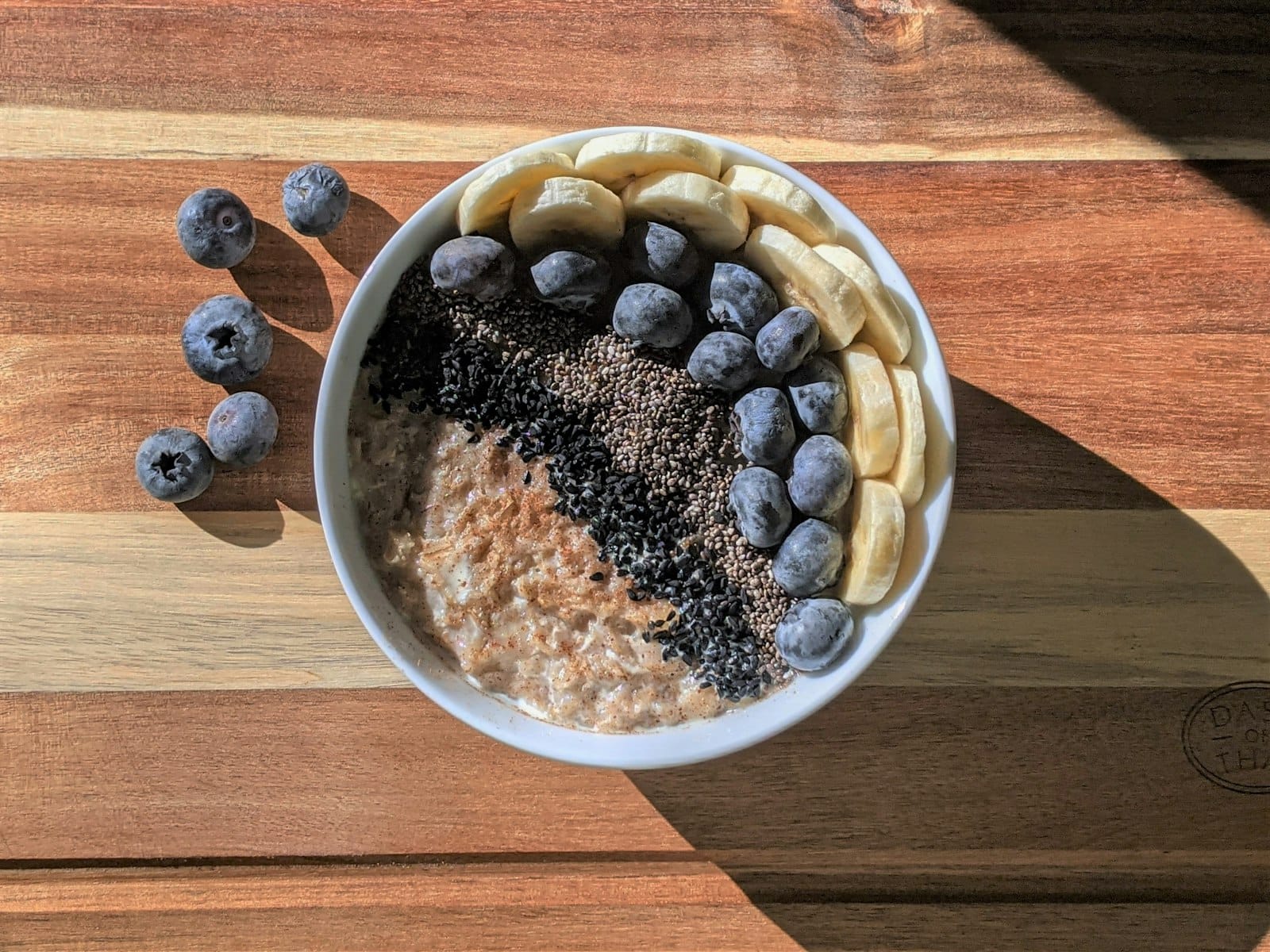
One of the easiest, most reliable ways to use chia seeds is a basic overnight pudding.
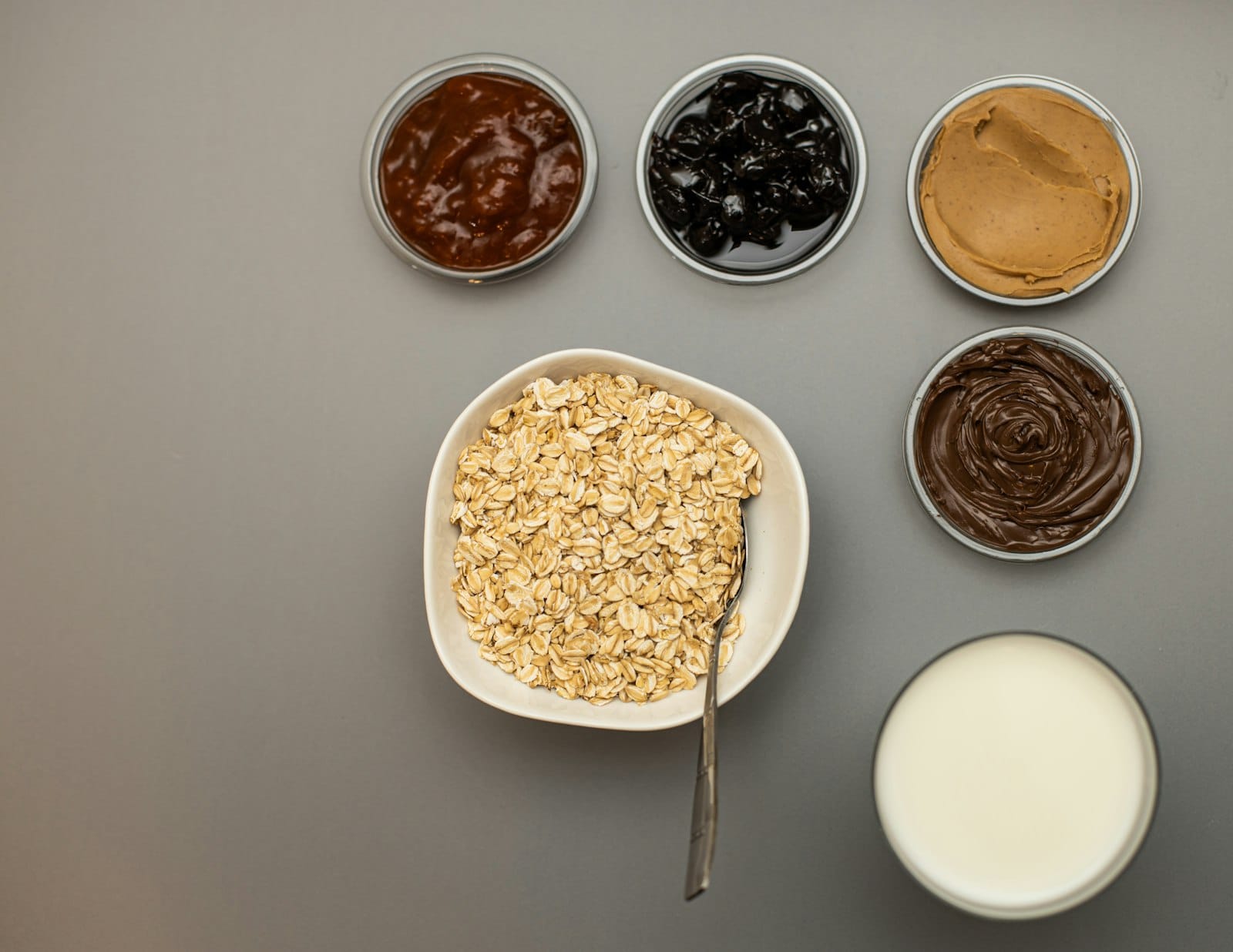
Combine three tablespoons of chia seeds with a cup of plant milk and a touch of sweetener, stir well, and refrigerate overnight. By morning, it thickens into a creamy, spoonable pudding — top with fresh fruit, granola or nut butter for a simple, filling breakfast.
Boosting other meals
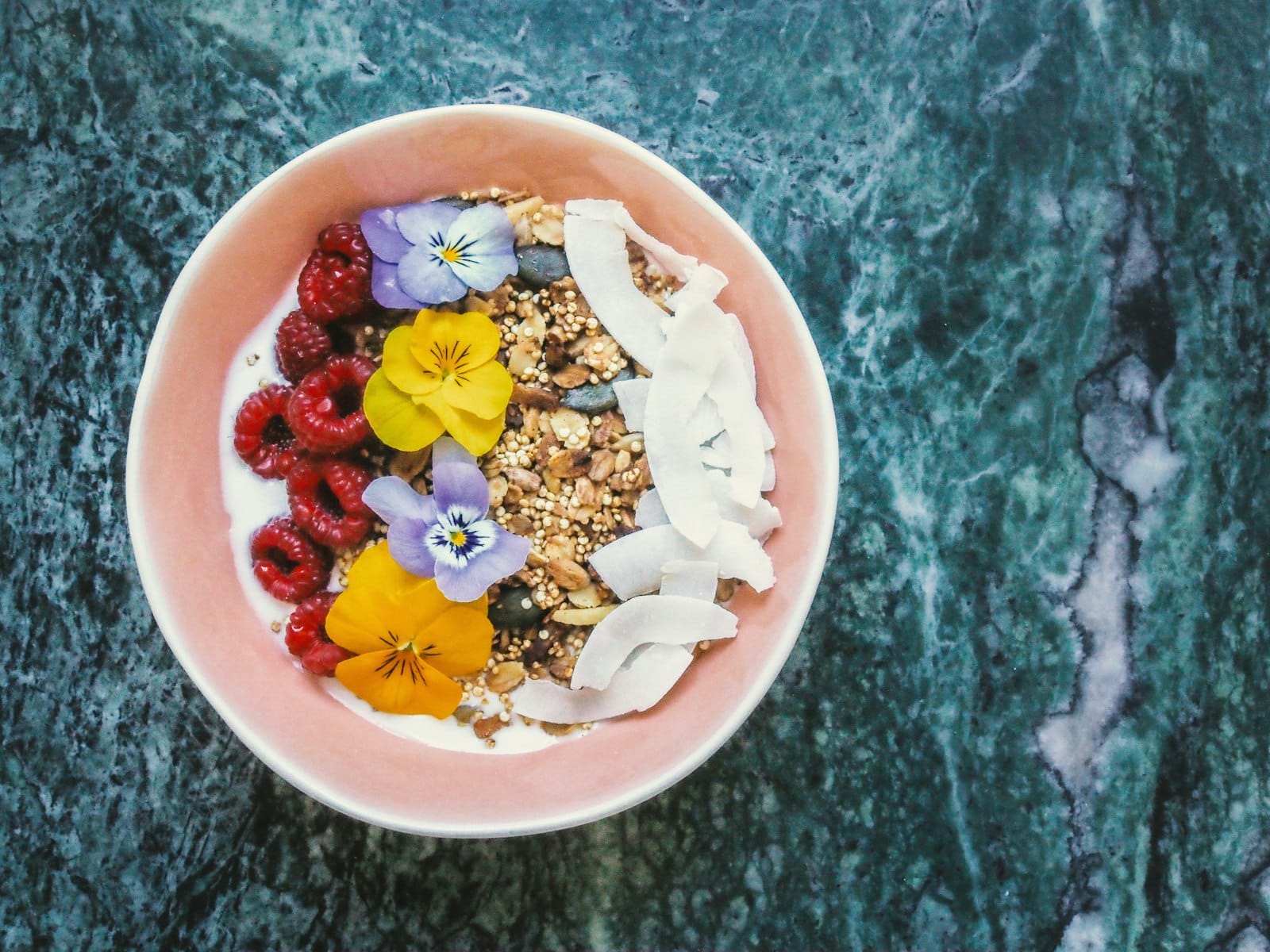
Beyond pudding, chia seeds work well stirred into almost anything without changing the flavour much.
- A tablespoon stirred into oatmeal for extra fibre and staying power.
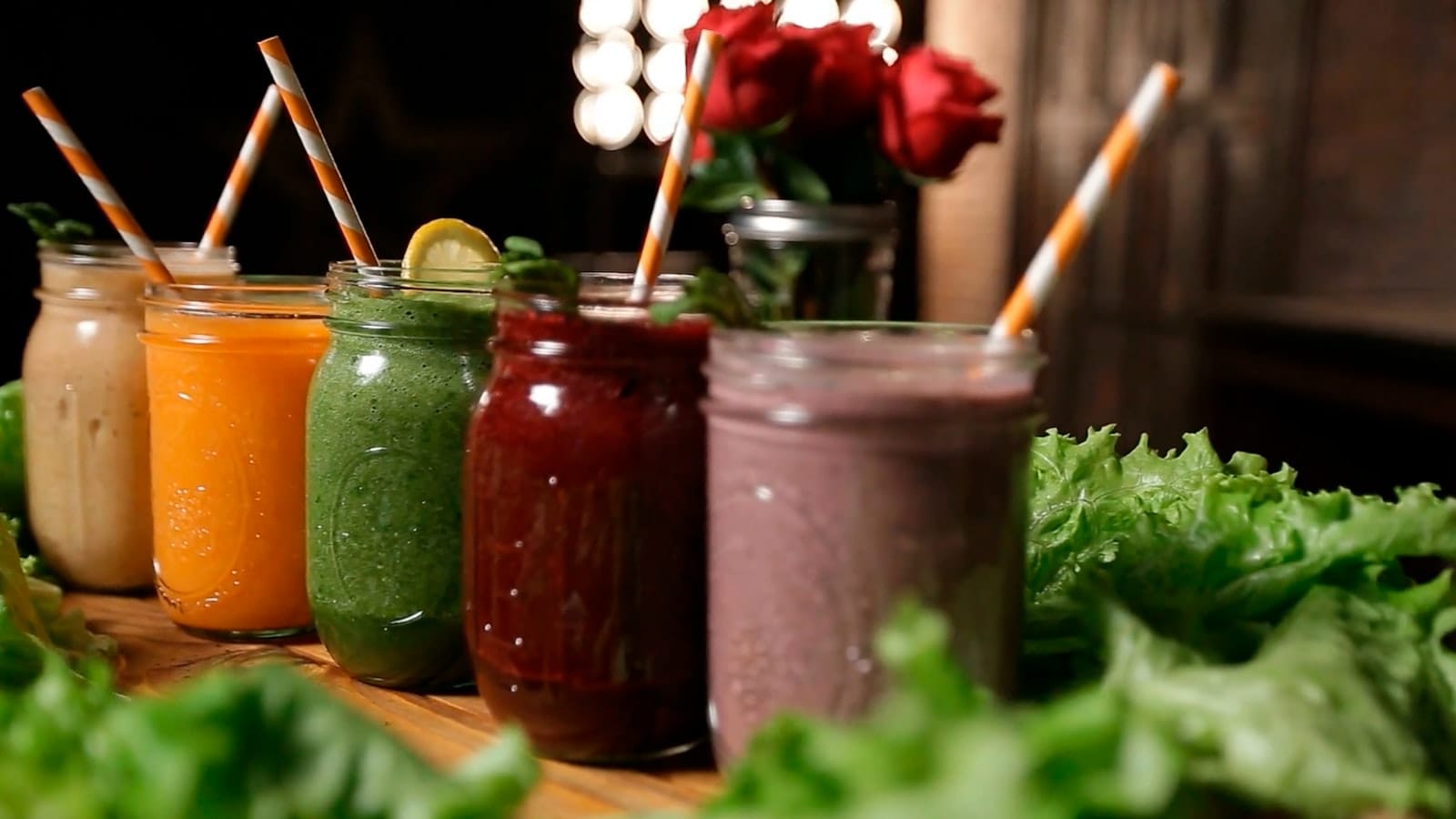
- Blended into a smoothie for a thicker, more filling texture.
- Sprinkled over yoghurt or salads for a bit of crunch.
- Mixed into homemade granola or energy balls.
Chia vs flax: a common comparison
Chia and flax seeds often get lumped together, since both are small, nutrient-dense seeds valued for their omega-3 content.
| Feature | Chia seeds | Flax seeds |
|---|---|---|
| Preparation | Can be eaten whole | Best ground for absorption |
| Texture when soaked | Forms a gel, holds shape | Becomes more mucilaginous |
| Flavour | Neutral | Slightly nutty |
| Shelf life | Long, stable | Shorter once ground, best refrigerated |
Both are excellent additions to a plant-based diet — chia’s main practical advantage is that it does not need grinding to be properly absorbed, making it slightly more convenient for everyday use.
A note on portion size
Chia seeds are easy to overdo, given how concentrated their fibre content is — introducing them gradually, alongside plenty of water, helps avoid any digestive discomfort.
A tablespoon or two a day is a sensible, sustainable amount for most people to enjoy the benefits without overwhelming your system.
A small addition worth making
Chia seeds are one of the easiest nutritional upgrades available — genuinely nutrient-dense, versatile, and simple to work into meals you are already making.
For more plant-based kitchen staples worth keeping on hand, see our guide to vegan kitchen staples, or browse our full plant-based menu at The Cardamom Pod.
A little goes a long way
Part of what makes chia seeds so easy to recommend is how little effort they require for the benefit they provide — no cooking, no special preparation, just a spoonful stirred into something you are already eating.
It is one of the simplest, most genuinely worthwhile additions you can make to an everyday diet.
Keep a jar in the pantry, and you will likely find a reason to use it most days once it becomes a habit.
It is a small habit with a genuinely outsized return.
Frequently asked questions
What are the health benefits of chia seeds?
Chia seeds are rich in fibre, plant-based omega-3 fats, protein, calcium and antioxidants, supporting digestion, heart health and bone health as part of a balanced diet.
How do I use chia seeds?
Stir them into smoothies, yoghurt or oatmeal, use them to make chia pudding, or combine with water to create an egg substitute for baking.
Do chia seeds need to be soaked?
Not always, but soaking (in water, milk or juice) allows them to form their characteristic gel, which is used in puddings and as an egg replacer. Dry seeds can be sprinkled directly onto food.
How much chia should I eat per day?
Around one to two tablespoons a day is a commonly recommended amount, providing a meaningful dose of fibre and omega-3s without overdoing it.
Can chia seeds replace eggs in baking?
Yes — one tablespoon of chia seeds mixed with three tablespoons of water, left to sit for a few minutes, creates a gel that works well as a binder in most baking recipes.
Keep exploring
For more, read our guides to vegan kitchen staples, iron-rich vegan foods, and homemade plant-based granola.
Leave a Reply