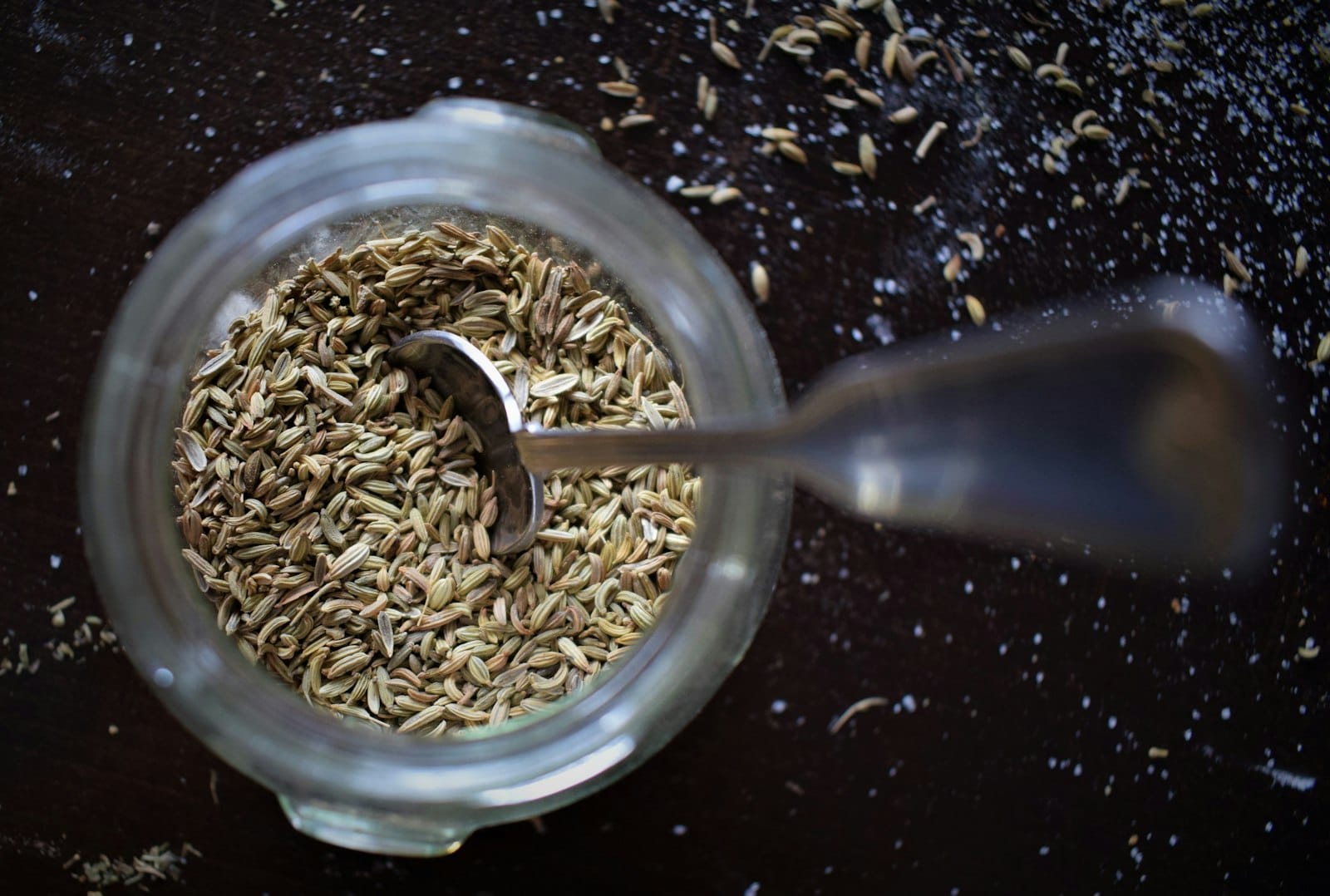
Cumin is one of those spices that quietly underpins an enormous amount of the world’s great cooking — from Indian curries to Mexican chilli, Middle Eastern falafel and Moroccan carrots.
This guide covers what makes cumin so widely loved, the evidence behind its health benefits, and simple ways to use it more in your own cooking.
It is a spice that rarely gets top billing, quietly working in the background of a dish rather than announcing itself — and that understated role is exactly why so many cuisines rely on it.
Where cumin comes from
Cumin seeds come from a flowering plant in the parsley family, native to a region spanning the eastern Mediterranean to South Asia.
It has been cultivated and traded for thousands of years, with archaeological evidence of its use stretching back to ancient Egypt. That kind of history tends to follow only the genuinely useful ingredients — the ones worth carrying across trade routes and generations.
A spice with genuine reach
Few spices show up across as many different culinary traditions as cumin. It is a staple across Mexican, Indian, African and Asian cooking, flavouring everything from stews and breads to pickles and even some sweet recipes, where its smokiness pairs surprisingly well with chocolate.
That kind of cross-cultural staying power is a strong signal of just how versatile and genuinely useful this spice is.
The health benefits, briefly
Cumin brings more to the table than flavour alone.
- Digestive support — may increase digestive enzyme activity and bile release.
- Blood sugar regulation — phenolic compounds and flavonoids may help manage blood sugar levels.
- Anti-inflammatory properties — may help lower blood pressure and reduce inflammation.
- Antioxidant content — helps protect cells against oxidative stress.
According to the Cleveland Clinic’s guide to cooking with cumin, these benefits are genuinely promising, though as with most spices, cumin works best as part of an overall healthy diet rather than a stand-alone remedy.
Storing cumin properly
Whole cumin seeds keep their flavour far longer than ground cumin, since grinding exposes more surface area to air and speeds up flavour loss.
Store either form in an airtight container away from heat and light, and try to use ground cumin within six months for the best flavour. Whole seeds, kept well, can last a couple of years without much noticeable decline.
Cumin vs coriander: clearing up the confusion
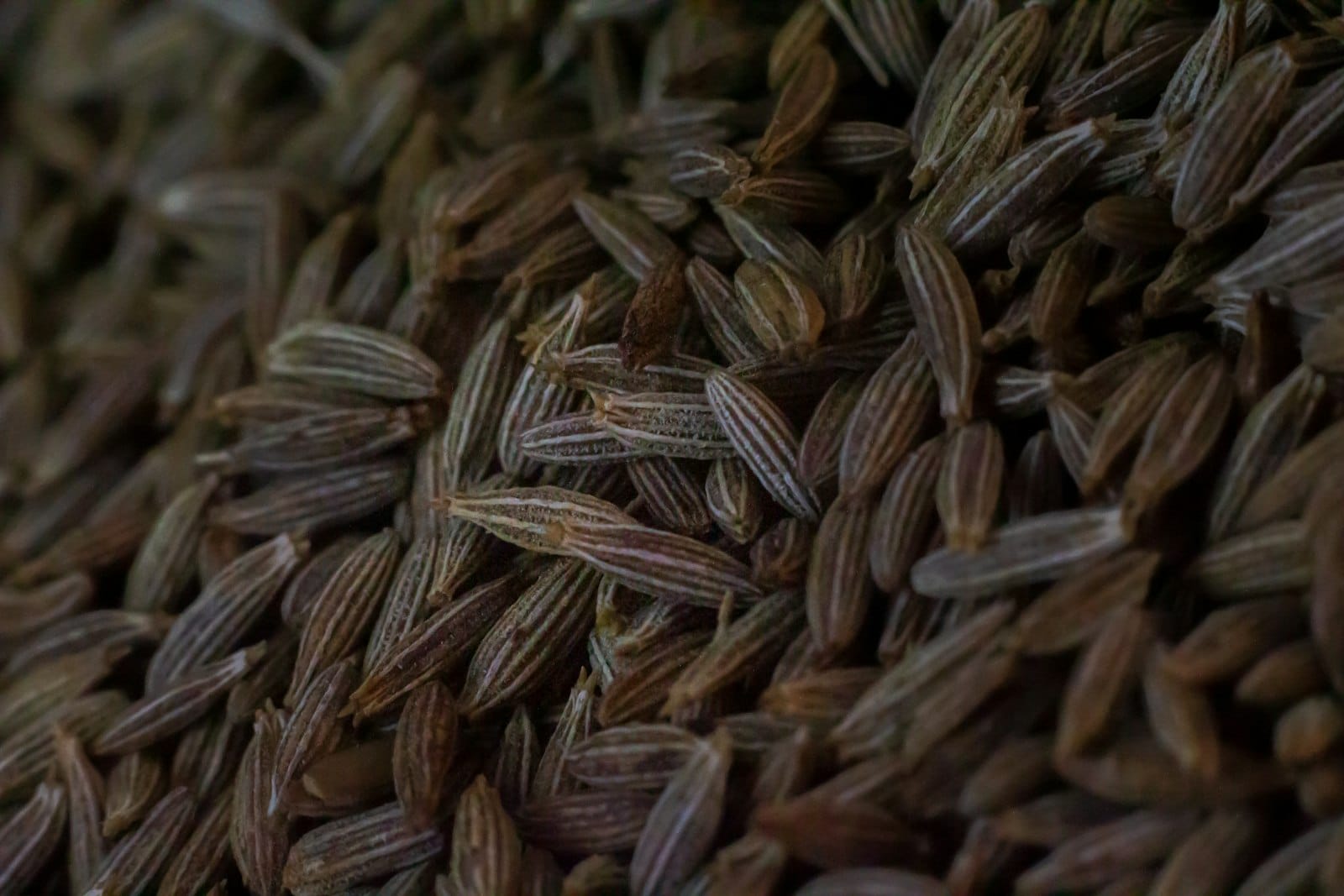
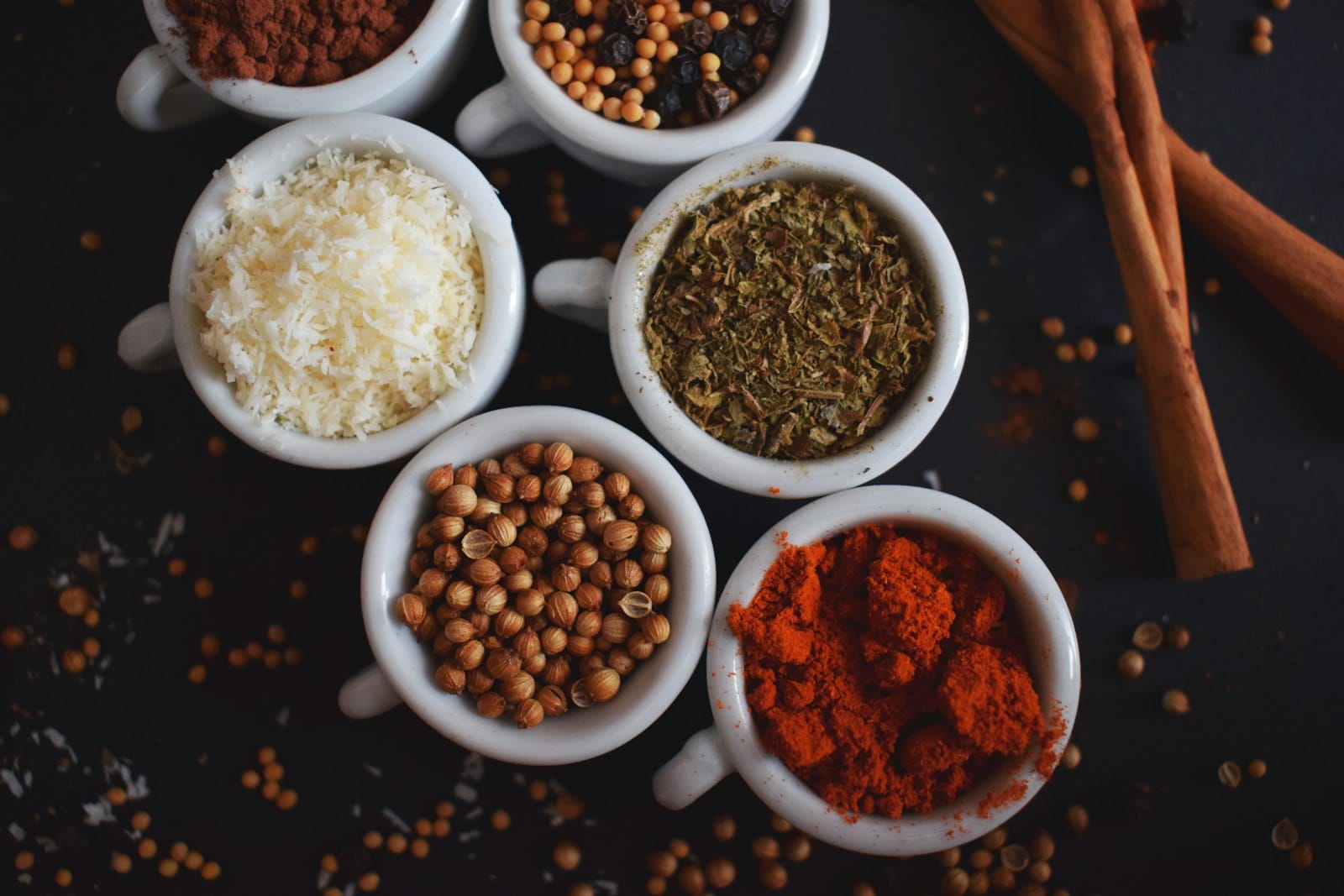
Cumin and coriander are often mixed up, despite being genuinely different spices from entirely different plants.
| Spice | Flavour | Appearance | Best for |
|---|---|---|---|
| Cumin | Earthy, smoky, peppery | Narrow, elongated, curved seeds | Curries, chilli, roasted vegetables |
| Coriander | Citrusy, floral, semi-sweet | Round, yellowish seeds | Pickles, spice blends, baking |
The two are frequently used together in Indian cooking, since their contrasting flavours complement each other beautifully — but they are not good substitutes for one another.
Black cumin: a different spice entirely
It is worth a quick mention that “black cumin” (nigella seeds) is a completely different spice, despite the shared name.
Nigella seeds have a more bitter, oregano-like flavour and are typically used whole rather than ground, often sprinkled over flatbreads and pickles. If a recipe calls for black cumin specifically, do not substitute regular cumin — the flavour is quite different.
Getting the most flavour from cumin
A simple technique makes a real difference to how much flavour cumin brings to a dish.
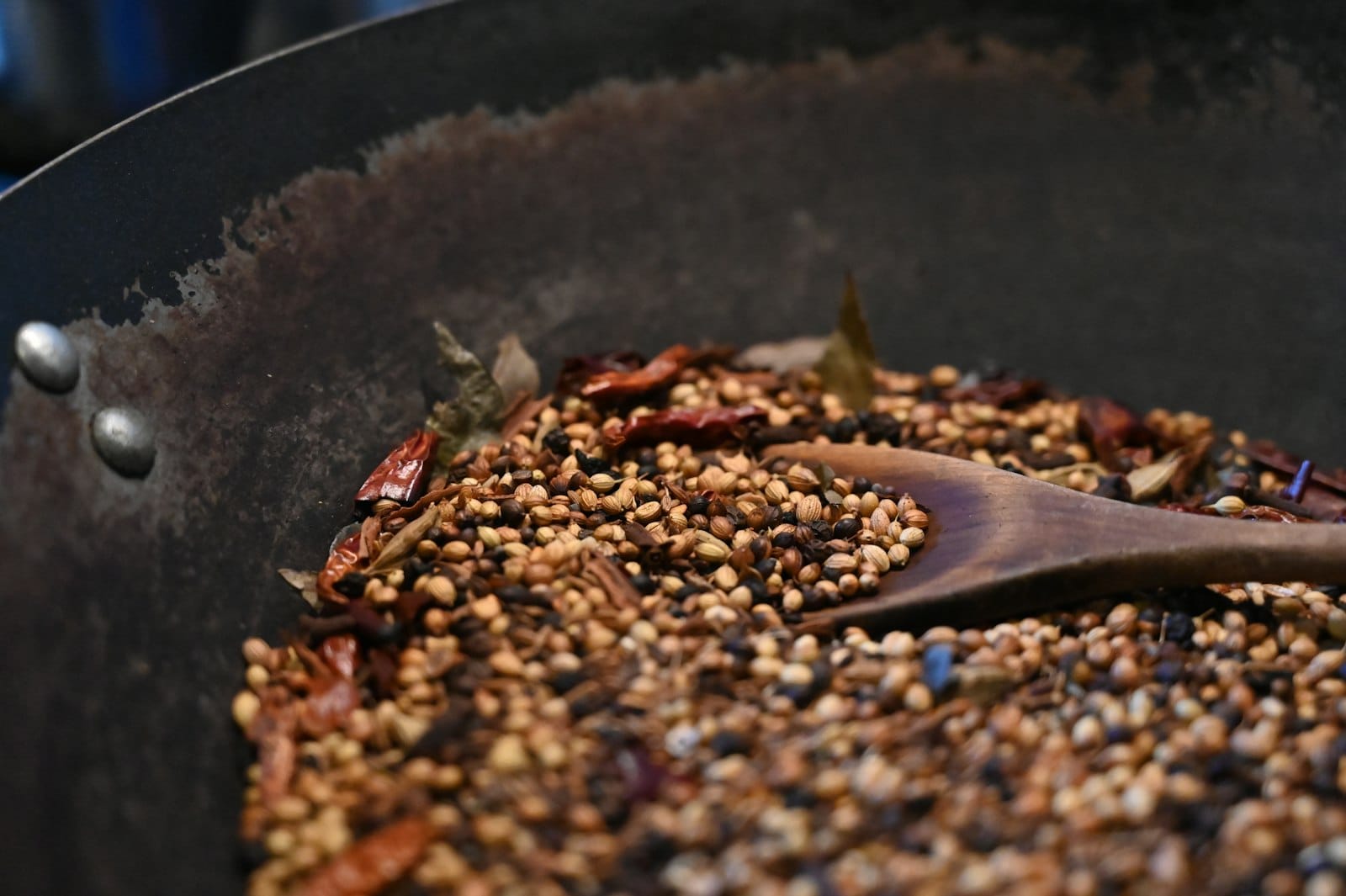
Toasting whole cumin seeds in a dry pan for a minute or two, until fragrant, releases their essential oils and deepens their flavour considerably compared to using pre-ground cumin straight from the jar. Grinding the toasted seeds yourself, just before cooking, takes this a step further again.
Cumin in dips and spreads
Beyond curries and roasted vegetables, cumin works beautifully in dips — a small pinch added to hummus, for instance, gives it a warmer, more complex flavour than tahini and chickpeas alone.
The same trick works well with a simple bean dip or a smoky baba ganoush, where cumin’s earthiness rounds out the other flavours nicely.
Simple ways to use more cumin
Cumin is easy to work into everyday cooking well beyond curry.
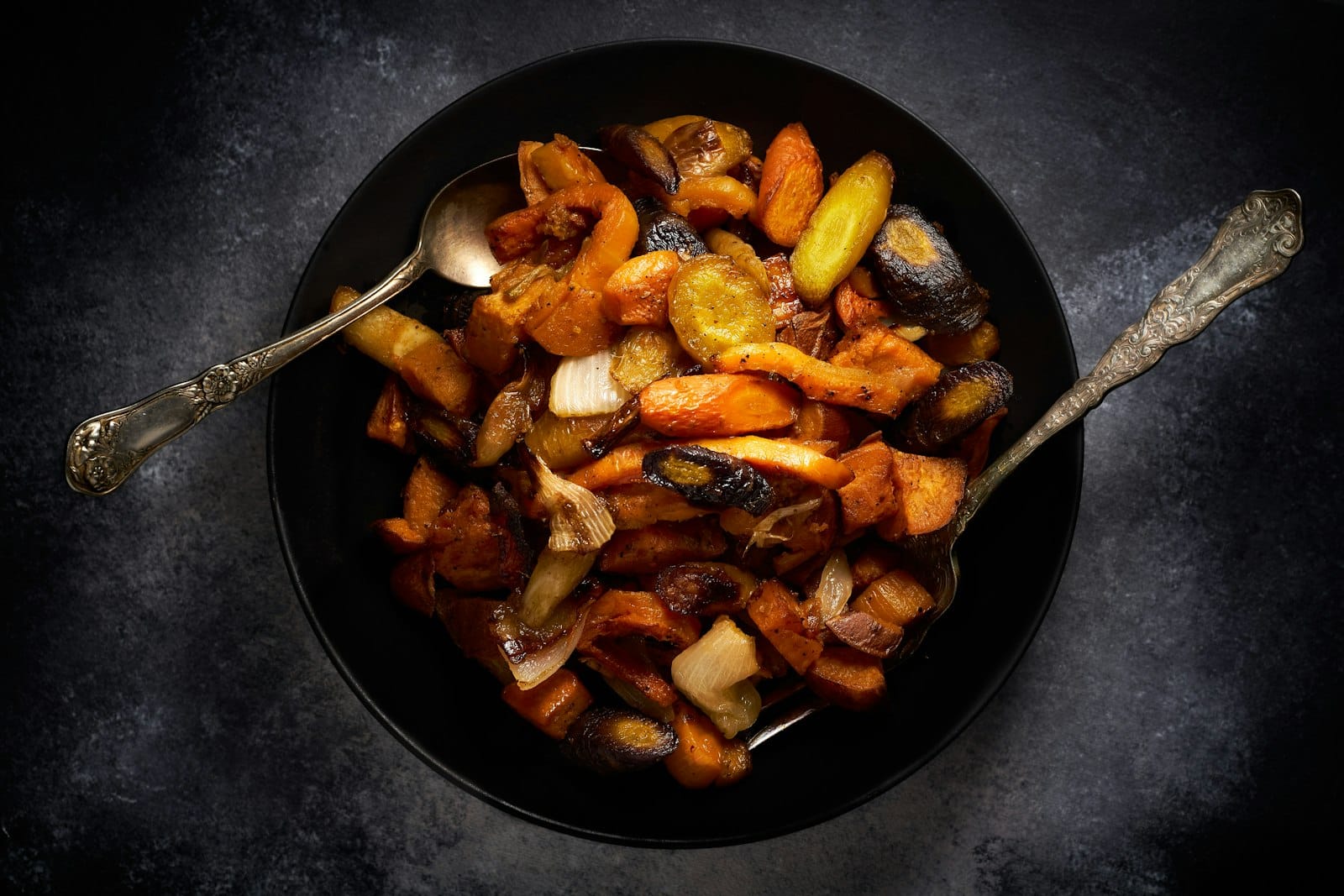
- Toss roasted vegetables with cumin, olive oil and a little salt before roasting.
- Add to bean or lentil dishes for a warm, earthy base flavour.
- Stir into a simple tomato sauce for extra depth.
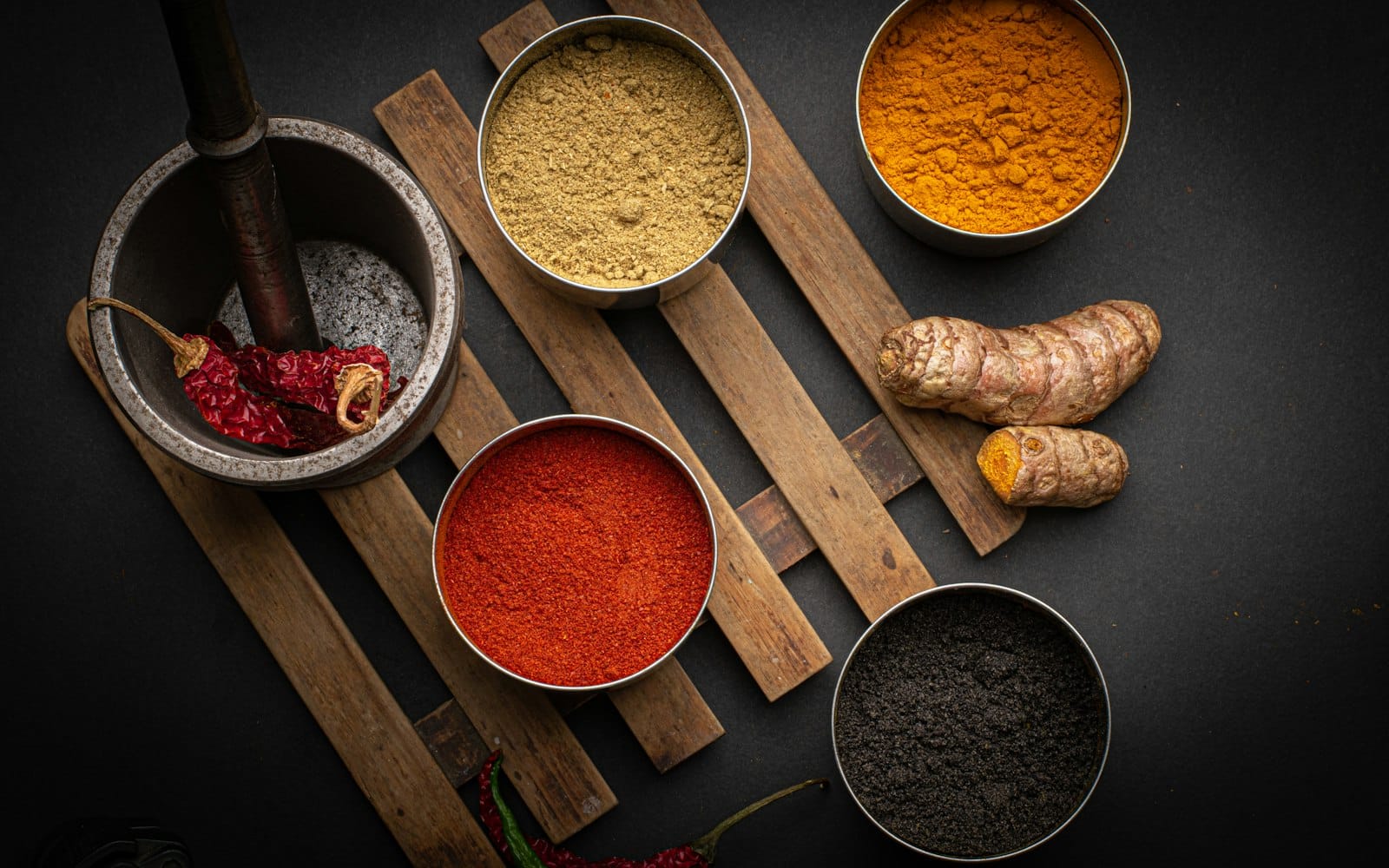
- Include in a homemade spice blend alongside coriander, paprika and chilli.
Cumin at The Cardamom Pod
Cumin is a foundational spice in our kitchen, woven through curries and spice blends across the menu, in keeping with the Indian culinary traditions that inspire what we cook.
Browse our full plant-based menu, or explore our guide to cardamom, another essential spice in our kitchen.
A small spice with a big job
It is easy to overlook a spice this common, but cumin is genuinely doing a lot of work in the dishes it appears in — building the savoury backbone that other, more prominent flavours sit on top of.
Next time you are cooking a curry or a pot of beans, pay a little extra attention to the cumin. It is doing more than you probably give it credit for.
A well-stocked spice drawer without cumin is, frankly, an incomplete one.
If you only add one new habit to your cooking after reading this, let it be toasting your cumin seeds before use — a thirty-second step that makes a genuinely noticeable difference.
It is a small change, but the kind that quietly improves nearly everything you cook from that point on.
Give it a try tonight, and see whether you can taste the difference.
It costs nothing extra and takes almost no time — simply a habit worth building.
Frequently asked questions
What are the health benefits of cumin?
Cumin has been shown to support digestion, may help regulate blood sugar, and carries anti-inflammatory and antioxidant properties from its phenolic compounds and flavonoids.
What does cumin taste like?
Cumin has a warm, earthy, slightly smoky and peppery flavour with bittersweet notes — distinct from the citrusy, floral flavour of coriander, despite the two often being confused.
Is cumin the same as coriander?
No — they come from entirely different plants. Cumin seeds are narrow and curved with an earthy, smoky flavour, while coriander seeds are round with a citrusy, floral taste.
How do I use cumin in cooking?
Toast whole cumin seeds in a dry pan to release their oils before grinding, or add ground cumin directly to curries, roasted vegetables, stews and spice blends.
Does The Cardamom Pod use cumin?
Yes — cumin is a foundational spice in our kitchen, used throughout our curries and spice blends, true to the Indian culinary traditions that inspire our menu.
Keep exploring
For more, read our guides to cardamom benefits and uses, turmeric benefits and uses, and vegan kitchen staples.
Leave a Reply