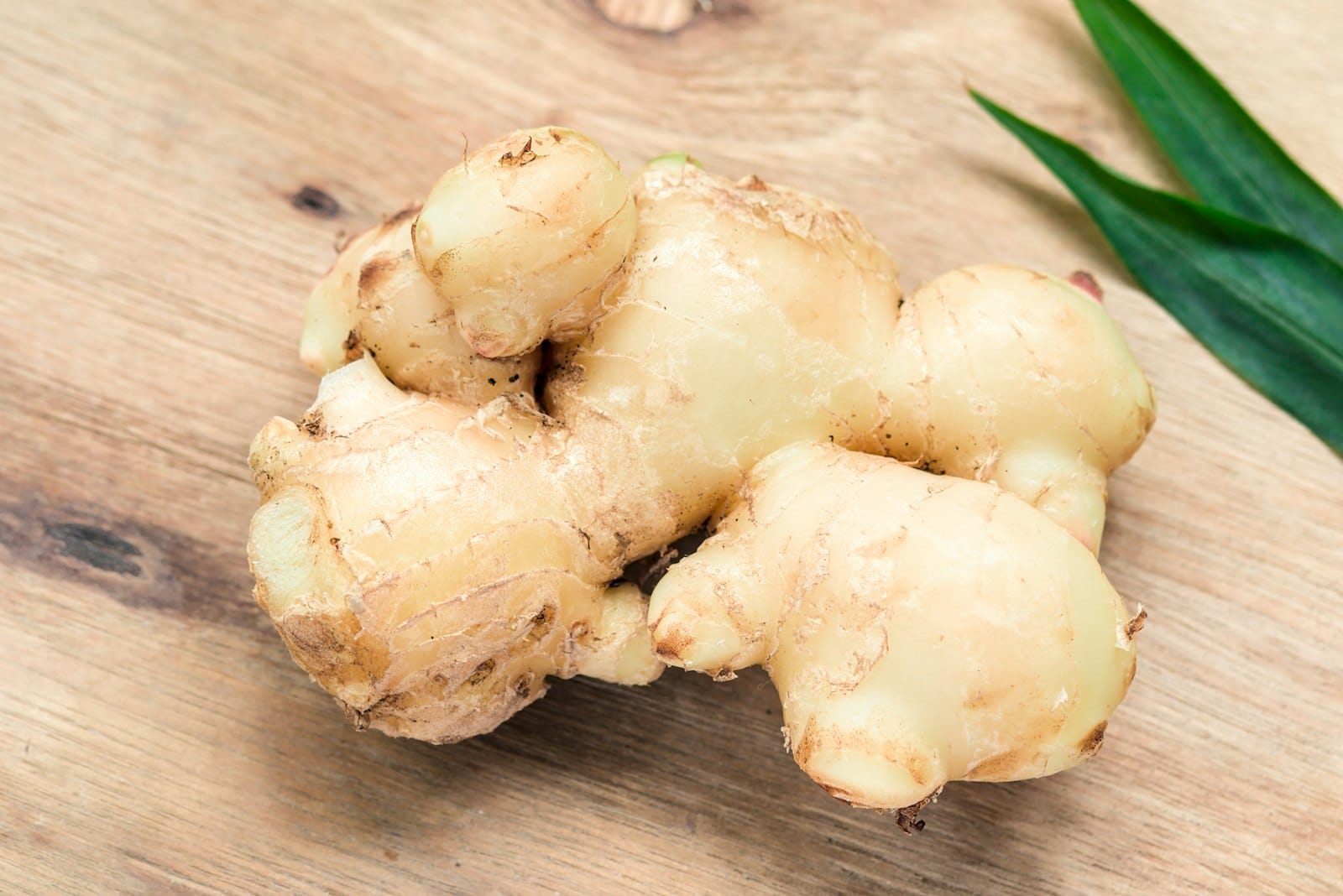
Ginger is one of those spices that earns its place in the kitchen through sheer usefulness — equally at home in a stir-fry, a curry, a tea or a baked treat, with genuine health benefits to match its flavour.
This guide covers what makes ginger worth keeping on hand, the evidence behind its most popular health claims, and simple ways to use it more often.
It is also one of the few spices that genuinely earns a permanent spot in the fridge rather than the back of the pantry — fresh ginger keeps well and gets used often enough to justify the space.
What makes ginger so useful
Ginger’s benefits come largely from compounds like gingerol, shogaol and zingerone, which give it both its distinctive warmth and its therapeutic properties.
It has been used for thousands of years across many culinary and medicinal traditions, which says something about how consistently useful it has proven to be, long before modern research came along to explain why.
That kind of staying power across so many different cultures and cuisines is rare, and it is a fairly reliable sign that an ingredient earns its keep rather than simply riding a trend.
Buying and storing ginger
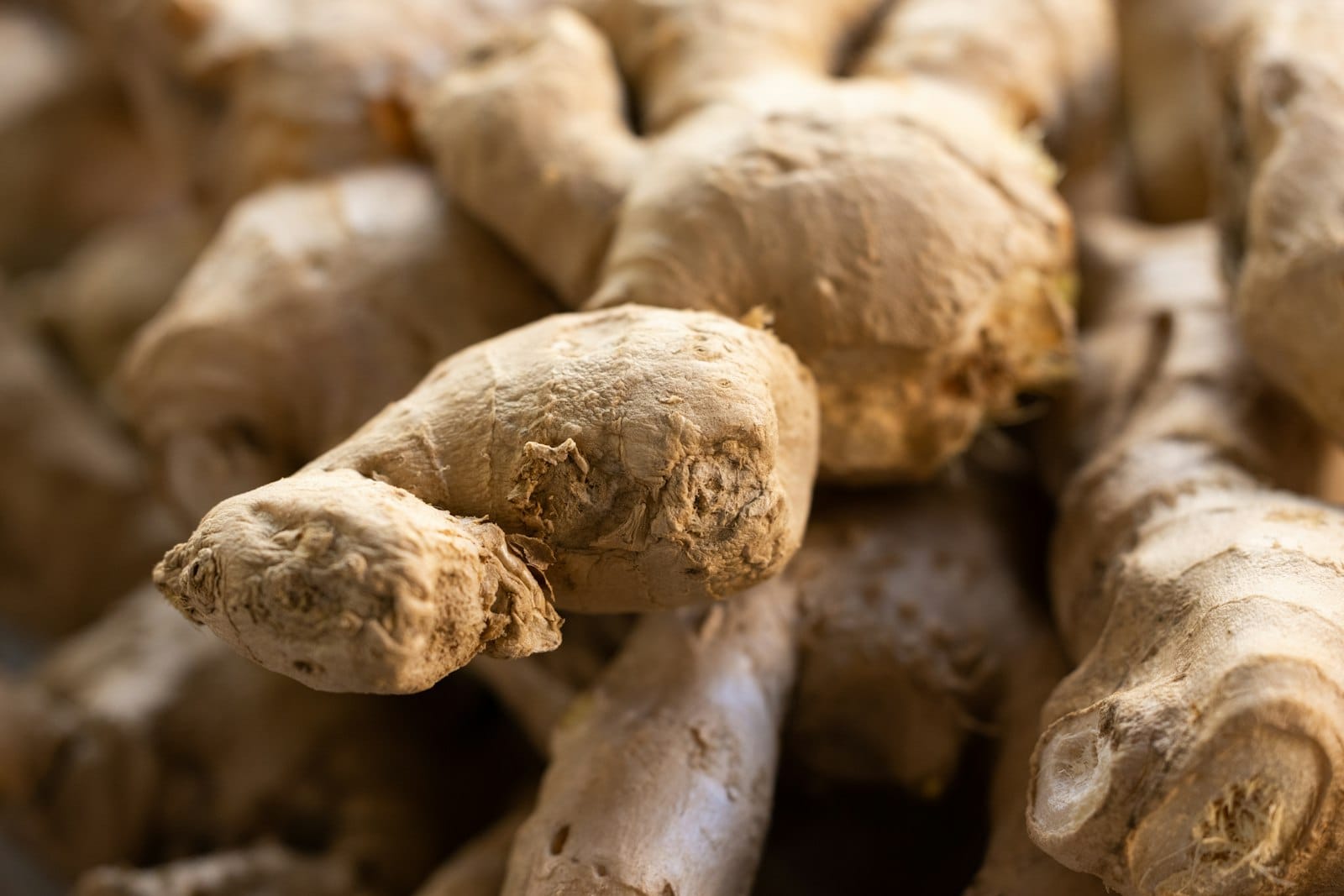
Fresh ginger root keeps well for a few weeks in the fridge, ideally wrapped loosely rather than sealed in plastic, which can encourage mould.
For longer storage, freeze whole ginger root and grate it directly from frozen — it works just as well as fresh and saves the hassle of peeling. Ground ginger, kept in an airtight container away from light, stays potent for around a year.
The health benefits worth knowing
A few of ginger’s benefits are particularly well supported by research, according to Healthline’s review of the evidence.
- Nausea relief — one of ginger’s best-studied uses, effective for motion sickness and general queasiness.
- Digestive support — may help food move more efficiently through the gut.
- Anti-inflammatory effects — gingerol has documented antioxidant and anti-inflammatory properties.
- Heart health — some research links regular ginger consumption to improved cholesterol levels.
Fresh vs ground ginger, compared
Both forms are useful, but they suit slightly different situations in the kitchen.
| Form | Flavour | Best for |
|---|---|---|
| Fresh root | Sharp, bright, slightly citrusy | Stir-fries, tea, dressings |
| Ground/dried | Warmer, more concentrated | Baking, spice blends, curries |
| Pickled | Tangy, sweet-sour | Palate cleansing, garnish |
| Crystallised | Sweet, chewy | Snacking, baking |
Peeling ginger the easy way
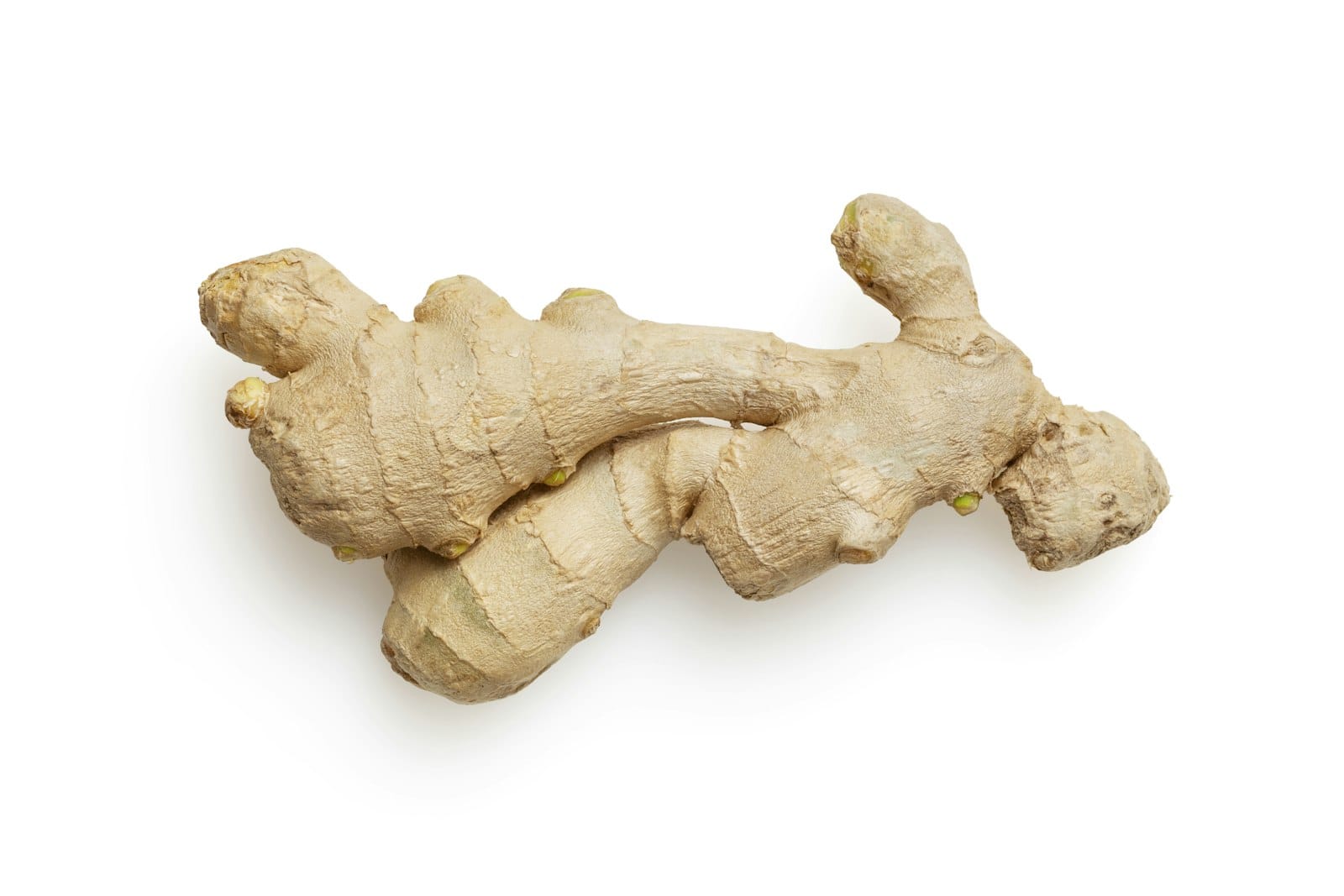
One small kitchen trick worth knowing: a teaspoon is often better than a knife for peeling ginger.
Simply scrape the edge of a spoon along the skin, following the contours of the root. It removes the thin skin cleanly without wasting the flesh underneath, and works far better than trying to peel it like a potato.
Simple ways to eat more ginger
Working more ginger into your week does not require a big shift in how you cook — a few small habits go a long way.
- Grate fresh ginger into stir-fries and curries as a base flavour.
- Steep sliced fresh ginger in hot water for a simple, warming tea.
- Add a thumb-sized piece to smoothies for a subtle kick.
- Stir ground ginger into baked goods for warmth without overpowering other flavours.
A warming addition to soups and broths
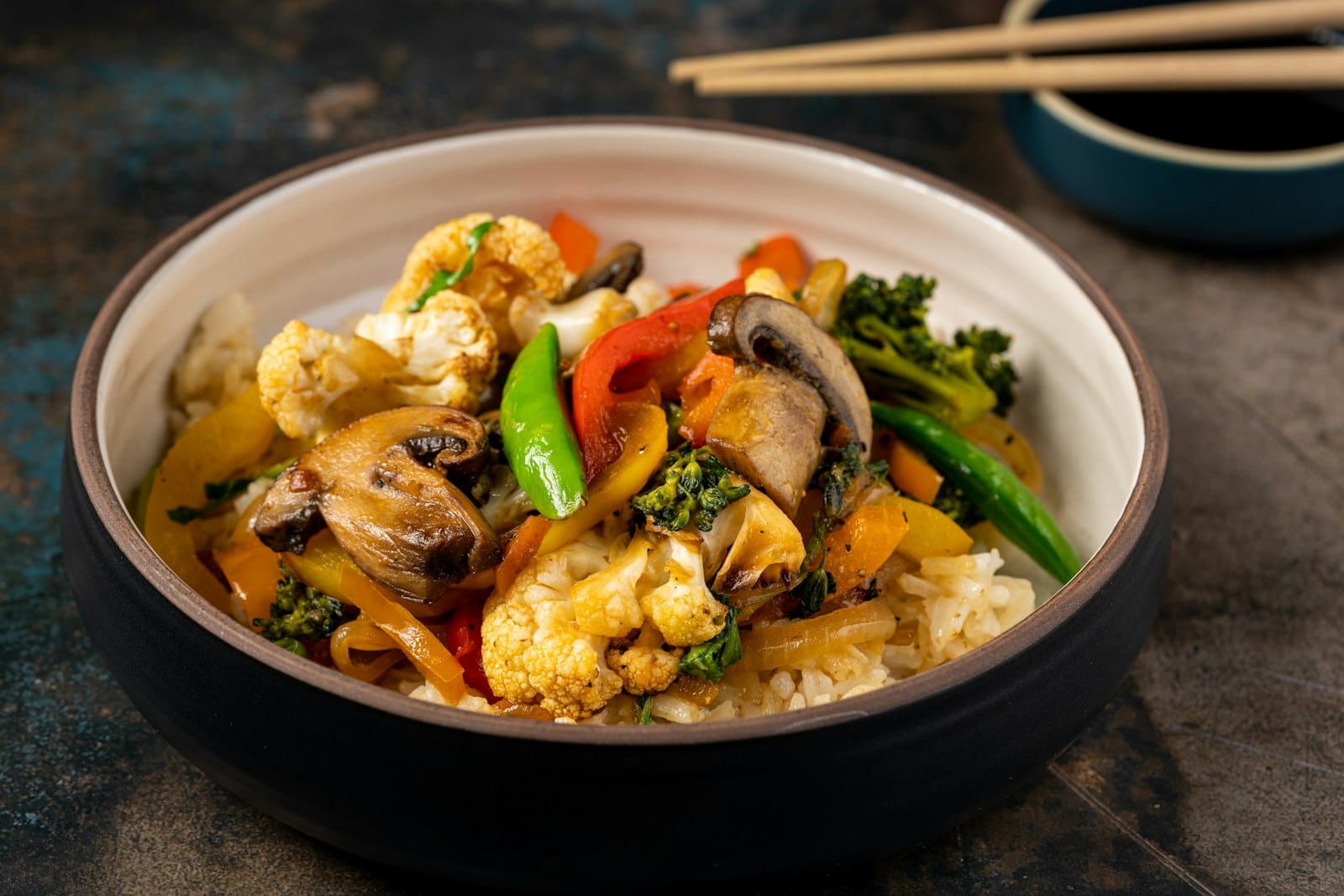
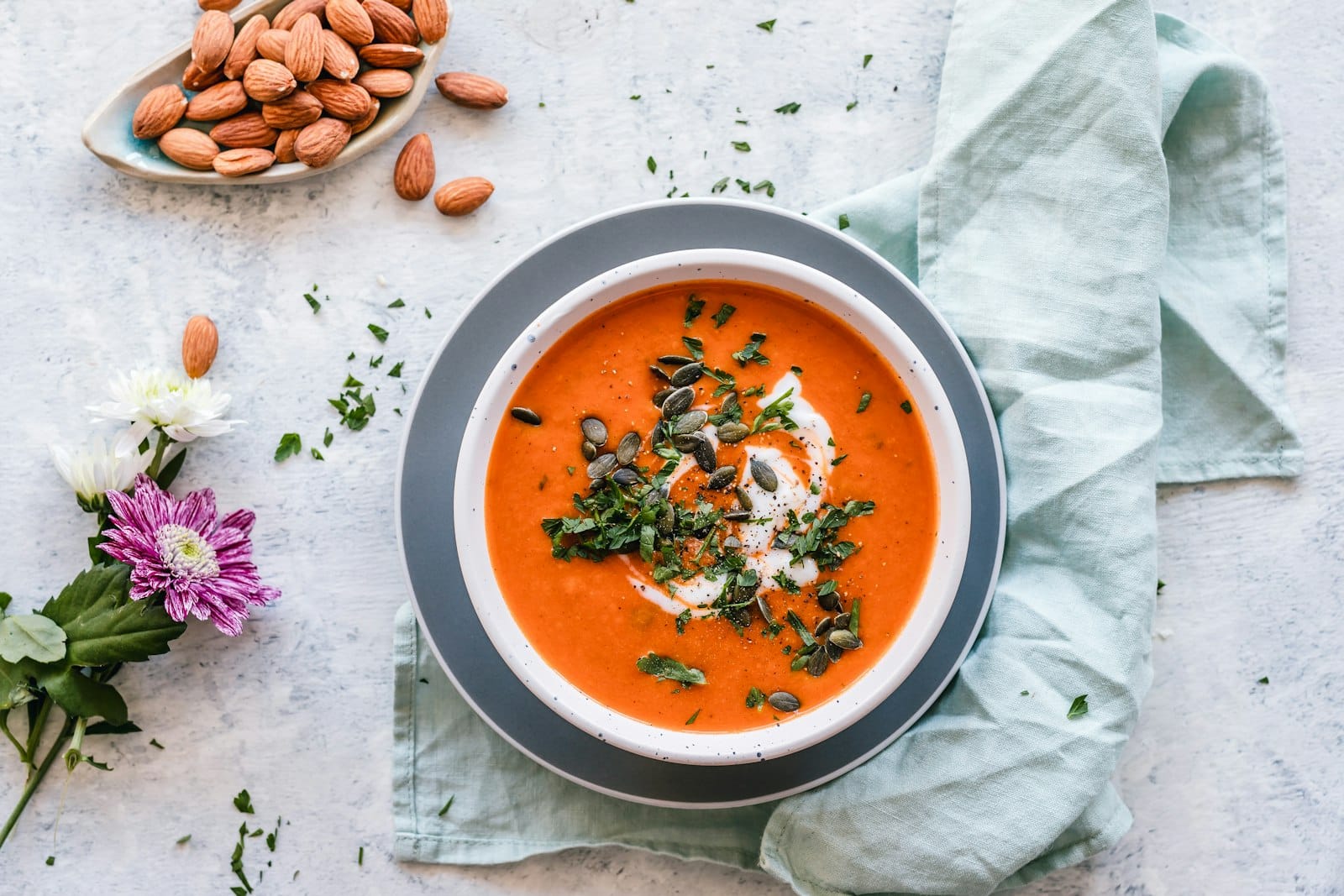
Ginger shines particularly well in soups and broths, where its warmth and gentle spice come through beautifully against a savoury base.
A few slices of fresh ginger simmered into a vegetable broth adds real depth with very little effort — a simple trick worth remembering next time you are making soup from scratch.
A drink worth trying
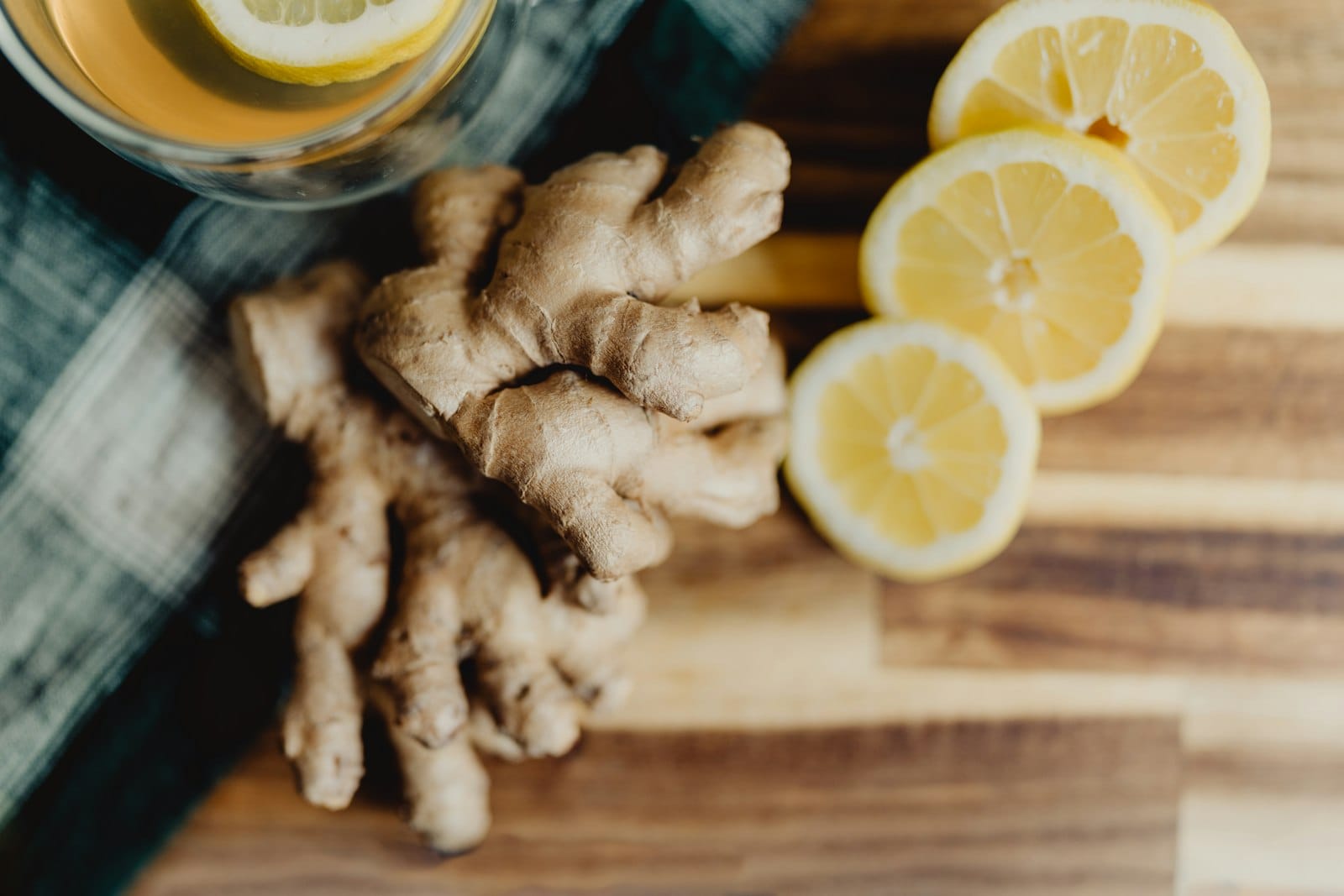
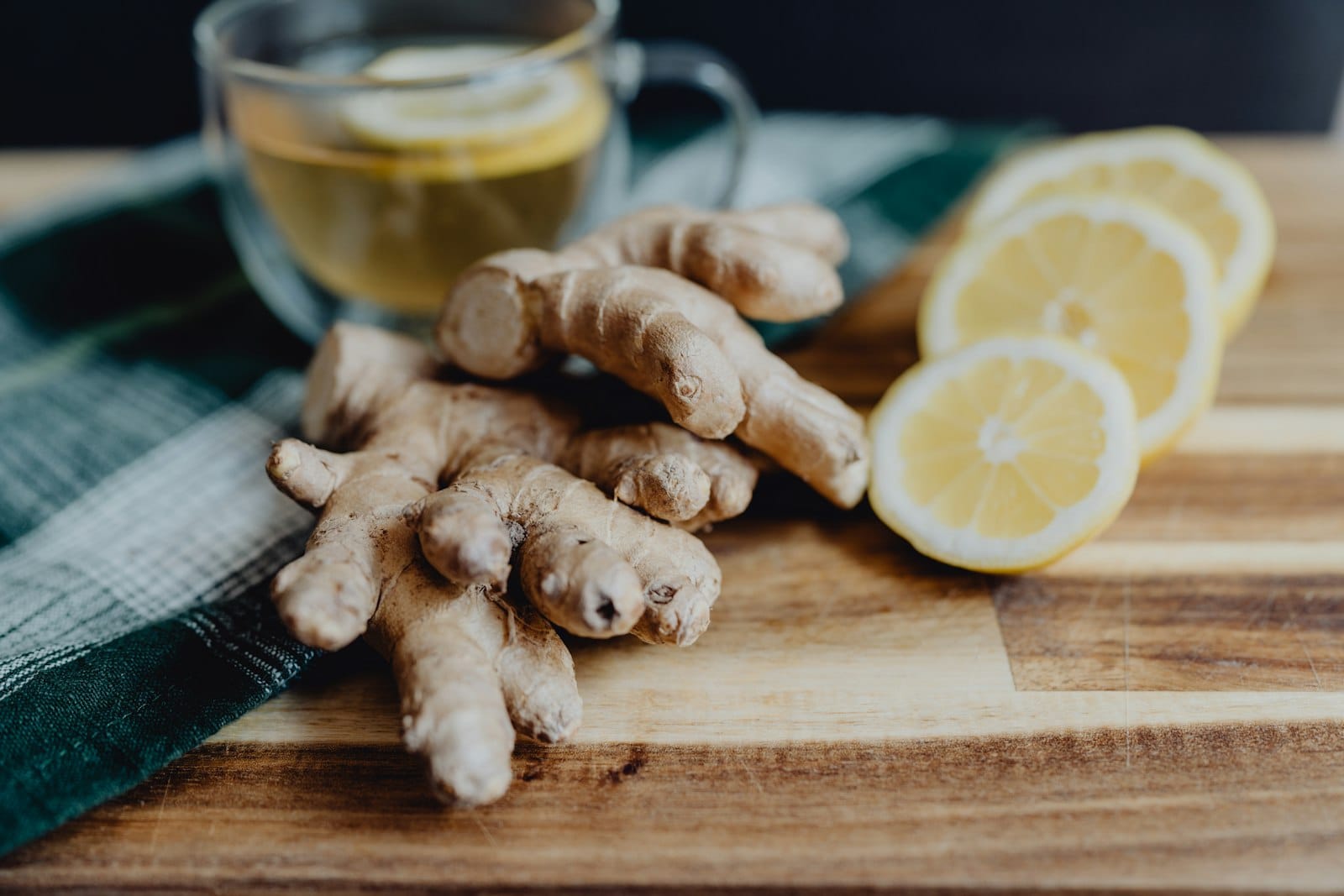
Ginger, lemon and a touch of natural sweetener make a genuinely soothing drink, whether served warm or over ice.
It is a simple combination that shows up across many cultures and cuisines for good reason — the sharpness of lemon and the warmth of ginger balance each other beautifully.
It is also a genuinely lovely thing to sip slowly on a cool evening, or to reach for at the first sign of a scratchy throat.
A spice for every season
Unlike some ingredients that feel distinctly seasonal, ginger works year-round — warming in a winter soup, refreshing in a summer iced tea, sharp and bright in a spring stir-fry.
That versatility is a big part of why it has remained a kitchen staple across so many different climates and cultures for as long as it has.
Few ingredients earn a permanent spot in every season’s cooking — ginger genuinely does.
Keep it close at hand, and you will likely find yourself reaching for it more often than you expect.
It is a small, humble root with an outsized amount to offer — well worth the permanent spot in your fridge.
Next time a recipe calls for it, do not skip it or swap it out — ginger tends to be doing more work in a dish than its small quantity suggests.
Ginger at The Cardamom Pod
Ginger is a foundational spice in our kitchen, adding warmth and depth to many of our curries and dishes, in keeping with the traditions of Indian cooking that inspire our menu.
Browse our full plant-based menu, or explore our guide to turmeric, another staple spice in our kitchen.
Between the two, our kitchen leans heavily on this pairing — ginger’s sharpness and turmeric’s warmth genuinely do more together than either manages alone.
Once you start noticing it, you will find that pairing showing up again and again across Indian cooking — a small but telling detail of how well-matched the two really are.
Frequently asked questions
What are the main health benefits of ginger?
Ginger is best known for easing nausea and supporting digestion, and also has antioxidant and anti-inflammatory properties linked to benefits for heart health and general wellbeing.
Does ginger really help with nausea?
Yes — this is one of the better-supported uses of ginger, with research backing its effectiveness for motion sickness, morning sickness and general nausea.
How much ginger should I eat per day?
Around 3–4 grams a day is a commonly cited amount for general benefit, though this varies by individual and reason for use. Culinary amounts in everyday cooking are generally well within a safe range.
Is fresh or ground ginger better?
Both have their place. Fresh ginger has a brighter, sharper flavour suited to stir-fries and tea, while ground ginger is more convenient for baking and spice blends.
Does The Cardamom Pod use ginger?
Yes — ginger is a foundational spice in our kitchen, adding warmth and depth across many of our curries and dishes.
Keep exploring
For more, read our guides to turmeric benefits and uses, cardamom benefits and uses, and vegan kitchen staples.
Leave a Reply