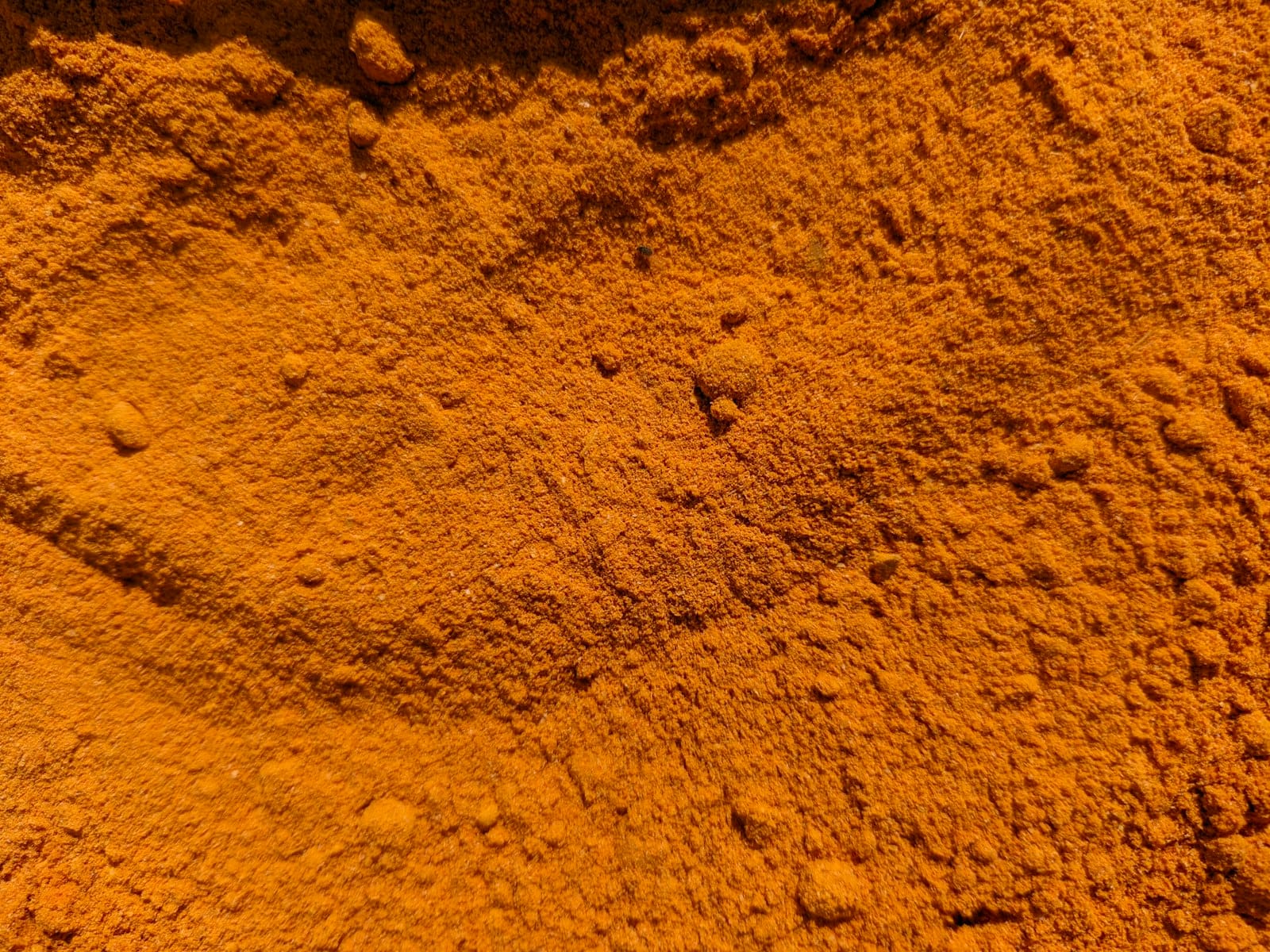
Turmeric has quietly gone from a pantry basic to something of a wellness celebrity — showing up in lattes, smoothies and supplements as much as in curry. But its reputation is well earned.
This guide covers what makes turmeric genuinely worth using, the evidence behind its health claims, and simple ways to bring more of it into your everyday cooking.
It is easy to be sceptical of any ingredient with this much hype attached. Turmeric has earned its reputation the old-fashioned way, though — through centuries of consistent culinary use, long before modern research came along to explain the details.
What is turmeric, exactly?
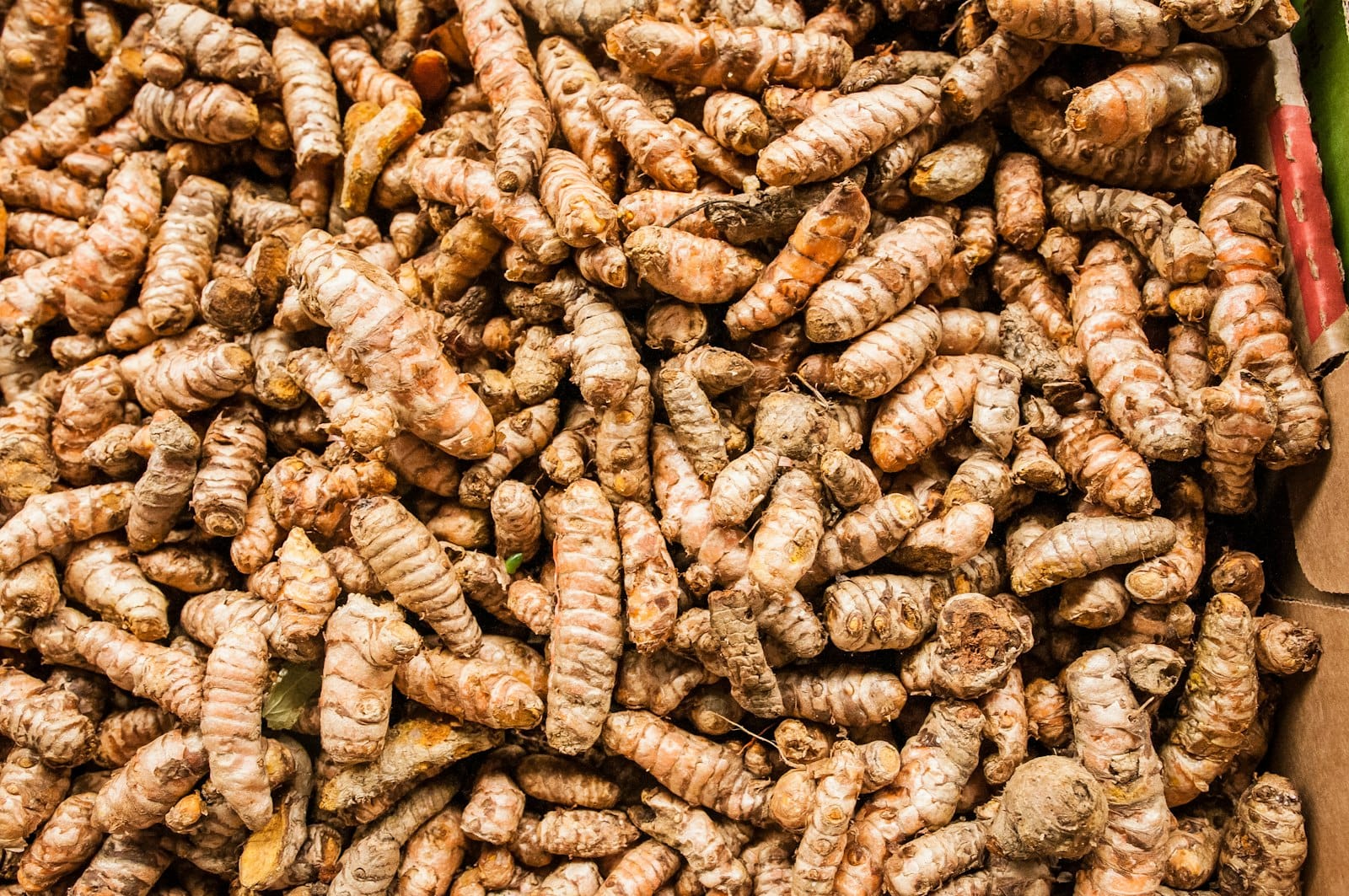
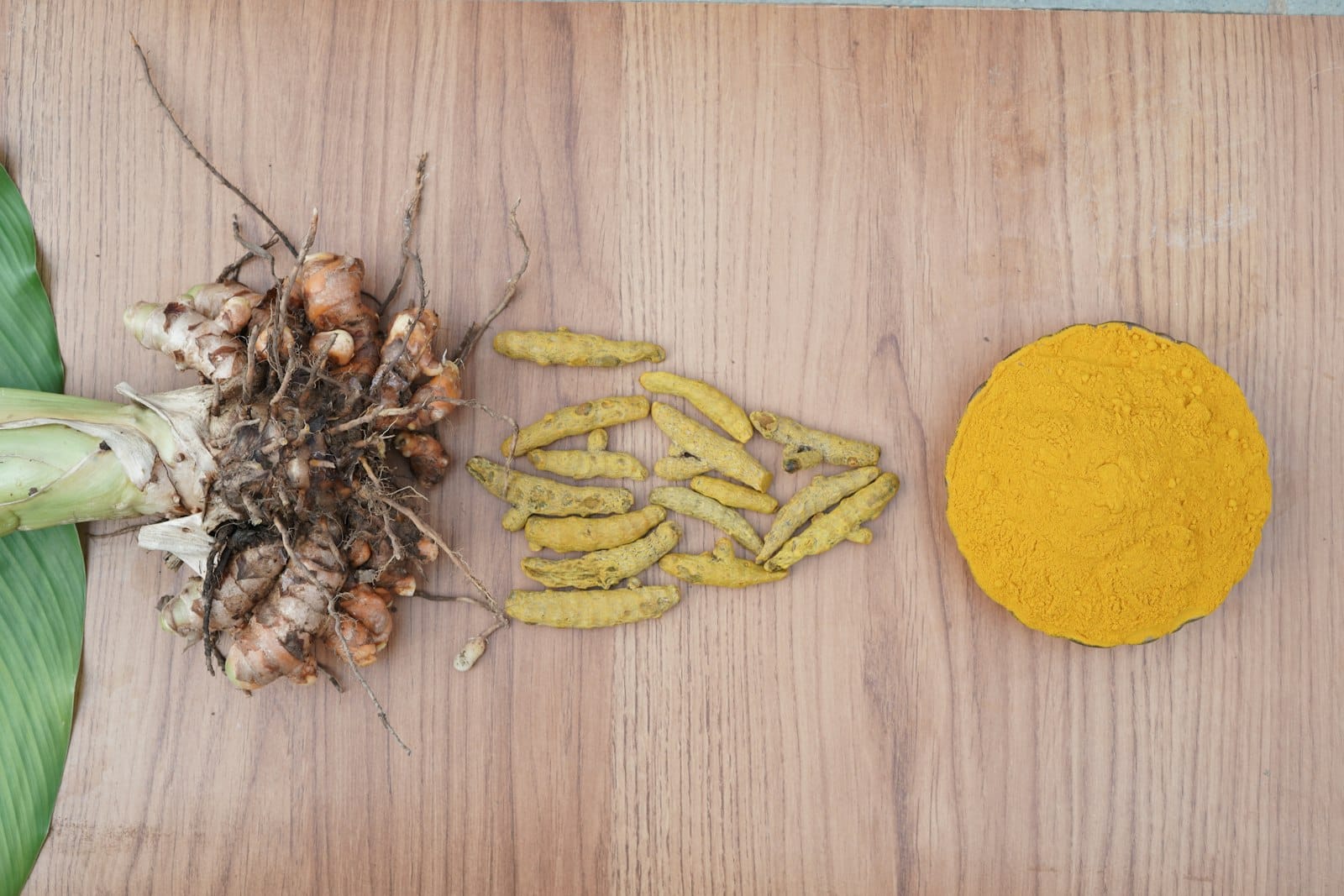
Turmeric is a bright yellow-orange spice made from the root of a plant in the ginger family, most commonly sold ground into a fine powder.
Its distinctive colour and warm, slightly bitter, earthy flavour have made it a staple of Indian and Southeast Asian cooking for centuries, long before it became a wellness trend elsewhere.
It stains almost everything it touches a vivid yellow, from wooden spoons to fingertips — a small but telling sign of just how concentrated its natural pigment really is.
The evidence behind the health claims
Turmeric’s reputation largely comes down to curcumin, its key active compound, which has documented antioxidant and anti-inflammatory properties.
According to Harvard Health’s review of the evidence, research points to potential benefits for joint discomfort, cardiovascular health and cell protection, though much of the strongest evidence still comes from studies using concentrated curcumin supplements rather than everyday culinary amounts.
That does not make cooking with turmeric pointless — a diet rich in a variety of spices, herbs and whole foods is consistently linked to better health outcomes generally, and turmeric is a genuinely valuable part of that picture.
Turmeric in everyday cooking
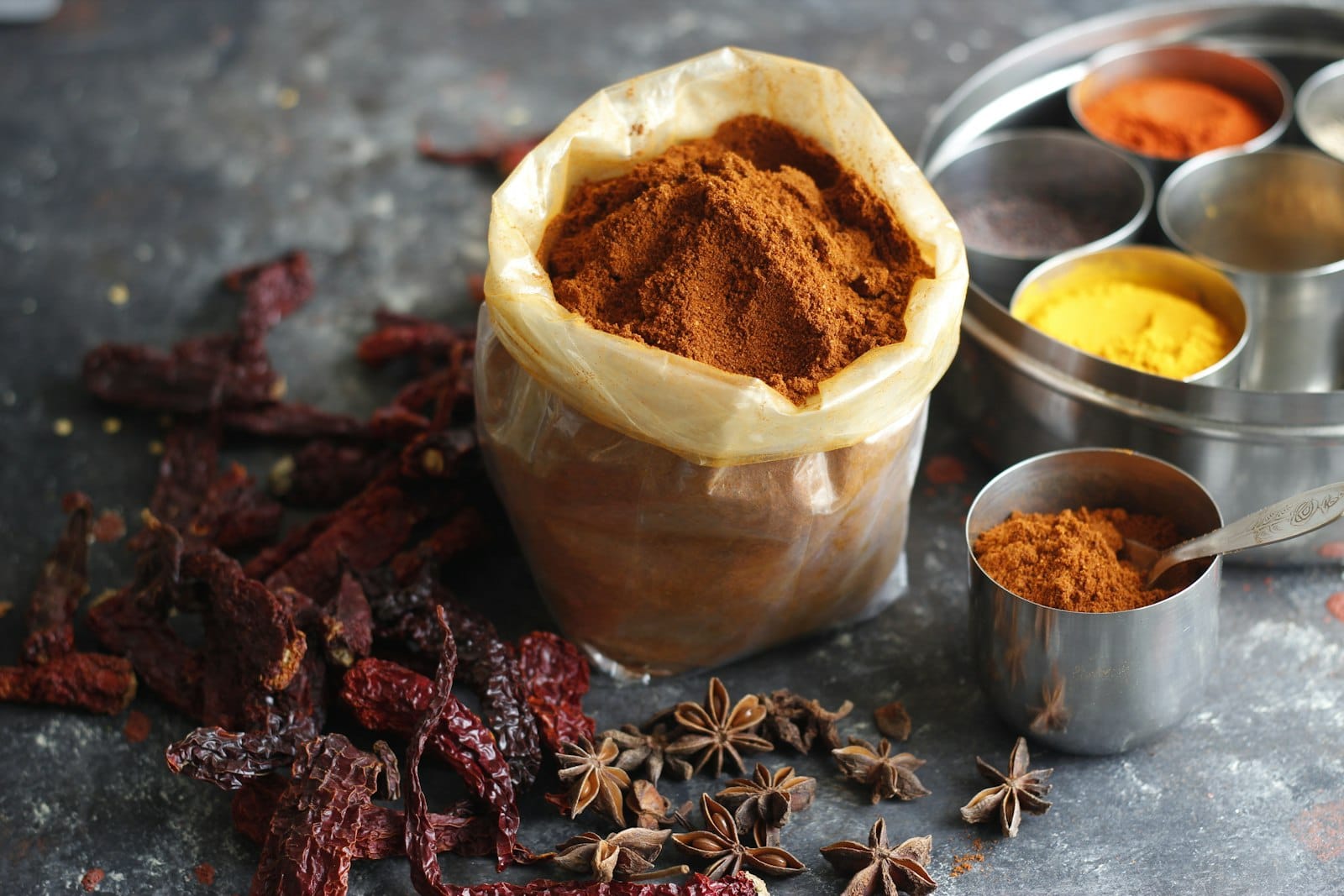
The easiest way to benefit from turmeric is simply to cook with it regularly, rather than relying on occasional supplements.
| Dish type | How turmeric is used | Flavour result |
|---|---|---|
| Curries | Bloomed in oil early in cooking | Warm, earthy base note |
| Rice dishes | Stirred through while cooking | Golden colour, subtle flavour |
| Soups | Added with other aromatics | Depth and warmth |
| Smoothies & golden milk | Blended in fresh or powdered | Earthy, slightly peppery |
Buying and storing turmeric
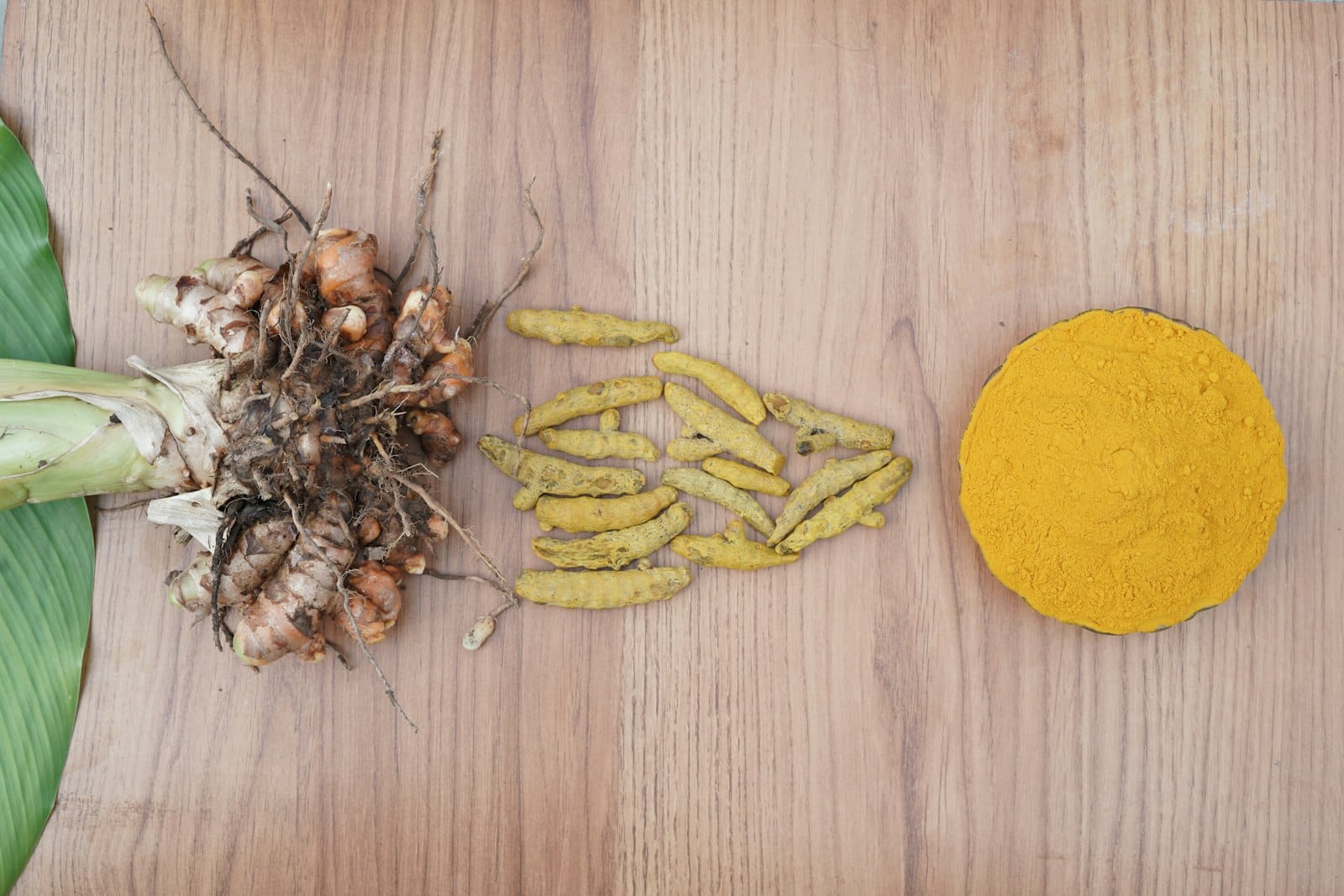
Whether you buy it fresh or ground, a little care in storage keeps turmeric’s flavour and potency intact for longer.
Ground turmeric should be kept in an airtight container away from direct light and heat, and is best used within about a year for peak flavour. Fresh turmeric root keeps well in the fridge for a couple of weeks, or can be frozen whole for several months — simply grate it from frozen as needed.
A simple absorption tip
One detail worth knowing: curcumin is not easily absorbed by the body on its own.
Pairing turmeric with a pinch of black pepper (which contains piperine) and a source of fat, such as coconut milk or olive oil, can significantly improve how much curcumin your body actually absorbs. It is an easy habit to build into your cooking without much thought.

Turmeric beyond the curry pot
While curry is the obvious starting point, turmeric works well in plenty of dishes that might not immediately come to mind.
- Roasted vegetables, tossed with turmeric and oil before roasting.
- Scrambled tofu, for both colour and flavour.
- Salad dressings, for a warm, earthy note.
- Homemade pickles, where it adds both colour and a gentle spice.
A small amount goes a long way, so start light and adjust to taste as you experiment.
It is also worth noting turmeric’s reputation as a natural food colouring — long before synthetic dyes existed, it was a common way to give rice and other dishes their signature golden hue, a tradition still very much alive today.
Fresh vs ground turmeric
Both forms have their place in the kitchen, and it is worth having a sense of when to reach for each.
- Ground turmeric — convenient, consistent, ideal for curries and everyday cooking.
- Fresh turmeric root — brighter, slightly more peppery flavour, great grated into dressings or teas.
- Turmeric paste — a useful middle ground, often used as a base for curries.
A spice worth respecting, not fearing
For all the wellness hype around turmeric, it is ultimately just a spice — a genuinely good one, but not a miracle cure to be taken in excess.
Culinary amounts, used regularly as part of varied, whole-food cooking, are the sensible way to enjoy everything turmeric has to offer, without needing to treat it as medicine.
Approached that way, turmeric earns its place for the simplest reason of all: it makes food taste better.
That, more than any headline about curcumin, is reason enough to keep a jar within easy reach.
Start simple, add it where it feels natural, and let your own cooking guide how much of a role it plays from there.
Give it a fair trial across a few different dishes before deciding how big a role it deserves in your own kitchen.
Turmeric at The Cardamom Pod
Turmeric runs through much of our cooking at The Cardamom Pod, true to the Indian culinary traditions that inspire our fully plant-based menu.
You will find it woven through curries, rice dishes and warming plates across the menu. Browse our full plant-based menu, or read more about cardamom, another spice central to our kitchen.
If you have never cooked with turmeric beyond a pinch here and there, ordering a proper turmeric-forward curry is a good way to understand exactly what all the fuss is about.
It rarely takes more than one genuinely well-made dish to understand why this humble root has stayed a kitchen essential for as long as it has.
Frequently asked questions
What are the health benefits of turmeric?
Turmeric contains curcumin, a compound with antioxidant and anti-inflammatory properties. Research points to potential benefits for joint discomfort, heart health and general cell protection, though evidence is still developing in many areas.
How do I use turmeric in cooking?
Turmeric works well in curries, rice dishes, soups, smoothies and teas. Ground turmeric is the most common form, though fresh turmeric root can also be grated into dishes for a brighter flavour.
Does turmeric need black pepper to work?
Black pepper contains piperine, which can significantly increase the body’s absorption of curcumin. Adding a pinch of black pepper alongside turmeric is a simple, common practice worth adopting.
Is turmeric the same as curry powder?
No — turmeric is a single spice, while curry powder is a blend that typically includes turmeric alongside other spices like cumin, coriander and chilli.
Does The Cardamom Pod use turmeric?
Yes — turmeric is a staple spice in our kitchen, woven through many of our curries and warming dishes, true to the traditions of Indian cooking that inspire our menu.
Keep exploring
For more, read our guides to cardamom benefits and uses, vegan kitchen staples, and the philosophy behind our cooking.
Leave a Reply