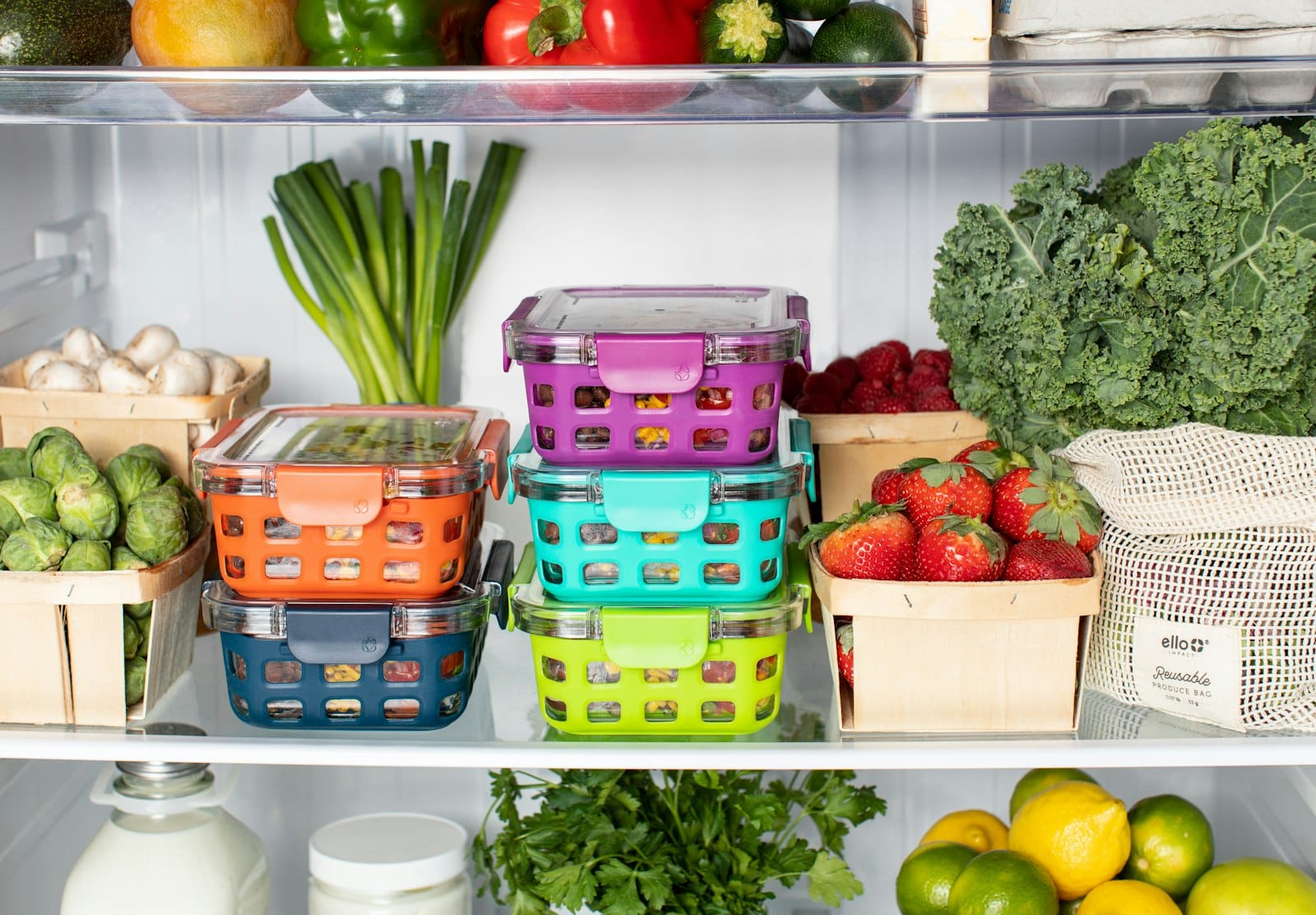
Meal prep has a reputation for being a big, joyless Sunday ritual involving dozens of identical containers. It does not have to be that way, especially with plant-based food.
This beginner’s guide covers a simpler, more flexible approach to vegan meal prep — one built around a few versatile staples rather than a rigid weekly plan.
Done well, meal prep is less about eating the same thing every day, and more about making weekday cooking dramatically easier.
The biggest misconception is that meal prep has to mean eating five identical containers of the same meal. It does not — and honestly, it should not, since that approach is exactly what makes most people give up on it within a couple of weeks.
Why plant-based meal prep is genuinely easier
Compared to meal prepping with meat, plant-based staples have a few practical advantages worth knowing.
Grains and legumes reheat beautifully without drying out the way meat often does, and many plant-based proteins like tofu and tempeh actually improve in flavour after a day or two of marinating. Vegetables, too, tend to hold their prepped texture well when stored properly.
Setting realistic expectations
Before diving in, it helps to set expectations that actually match your life, rather than an idealised version of meal prep from a glossy recipe blog.
If you cook for one, prepping five full dinners might create more leftovers than you can realistically eat before they spoil. If you have a large family, a single prep session might need doubling. There is no universal formula — the right amount of prep is whatever actually gets used.
The building-block approach
Rather than prepping five identical meals, a more flexible approach is to prep separate components — grains, proteins, vegetables and sauces — that you can mix and match through the week.
This keeps things interesting, since a bowl built from rice, roasted vegetables and a peanut sauce tastes completely different to the same base ingredients with a different sauce and some fresh herbs.
What to prep, at a glance
A well-rounded prep session usually covers four categories, each doing a different job on the plate.
| Category | Examples | Why prep it |
|---|---|---|
| Grains | Rice, quinoa, couscous | A base that keeps well and reheats easily |
| Protein | Lentils, chickpeas, tofu, tempeh | The most time-consuming part to cook fresh daily |
| Vegetables | Roasted or steamed, seasonal | Adds bulk, colour and nutrients |
| Sauce/dressing | Peanut, tahini, chilli oil | Transforms the same base into a different meal |
A simple weekly prep session
You do not need to block out an entire day — a focused two to three hour session covers most of what you need for the week ahead.
- Get grains and legumes cooking first, since they take the longest and need little attention.
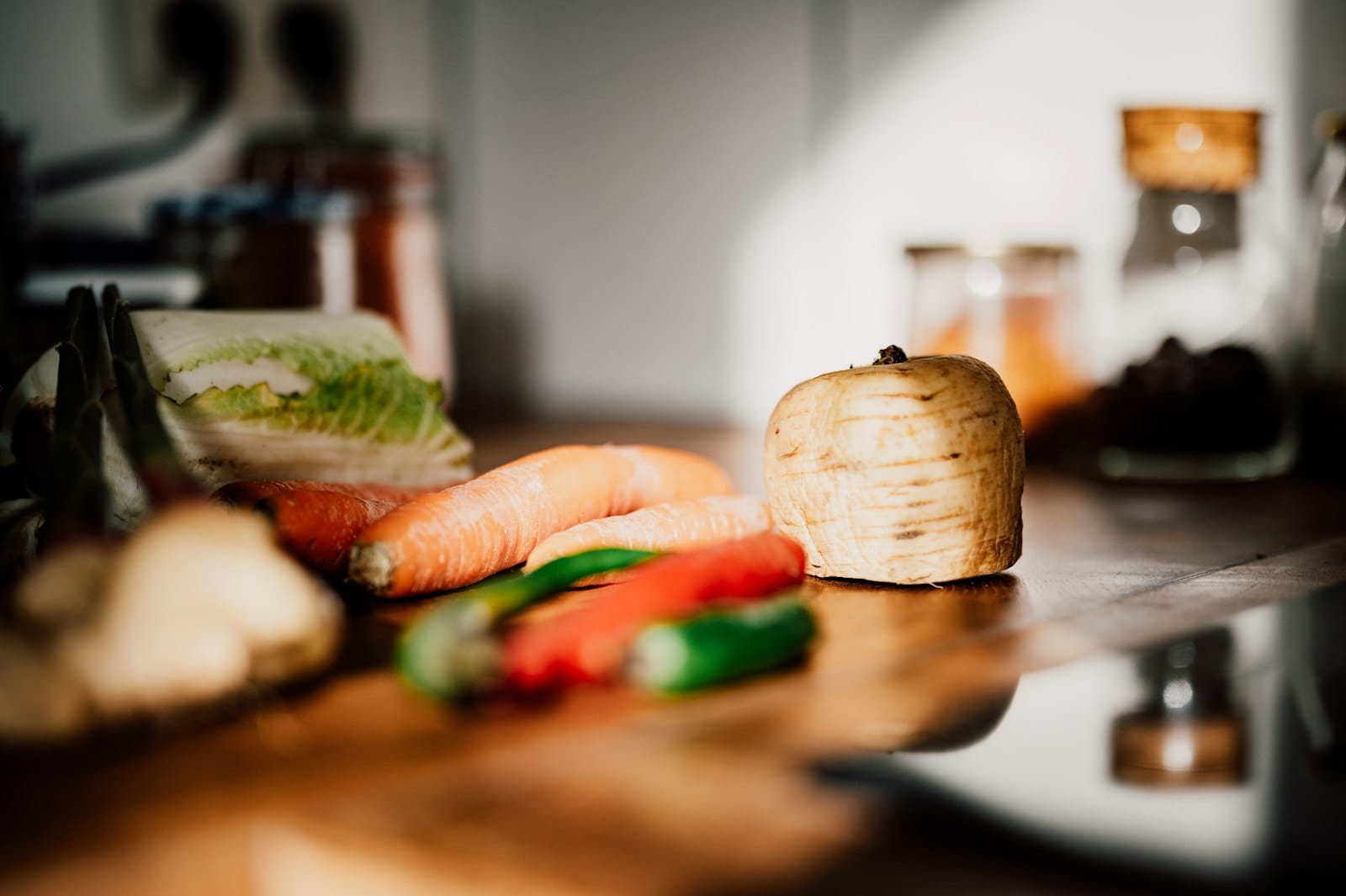
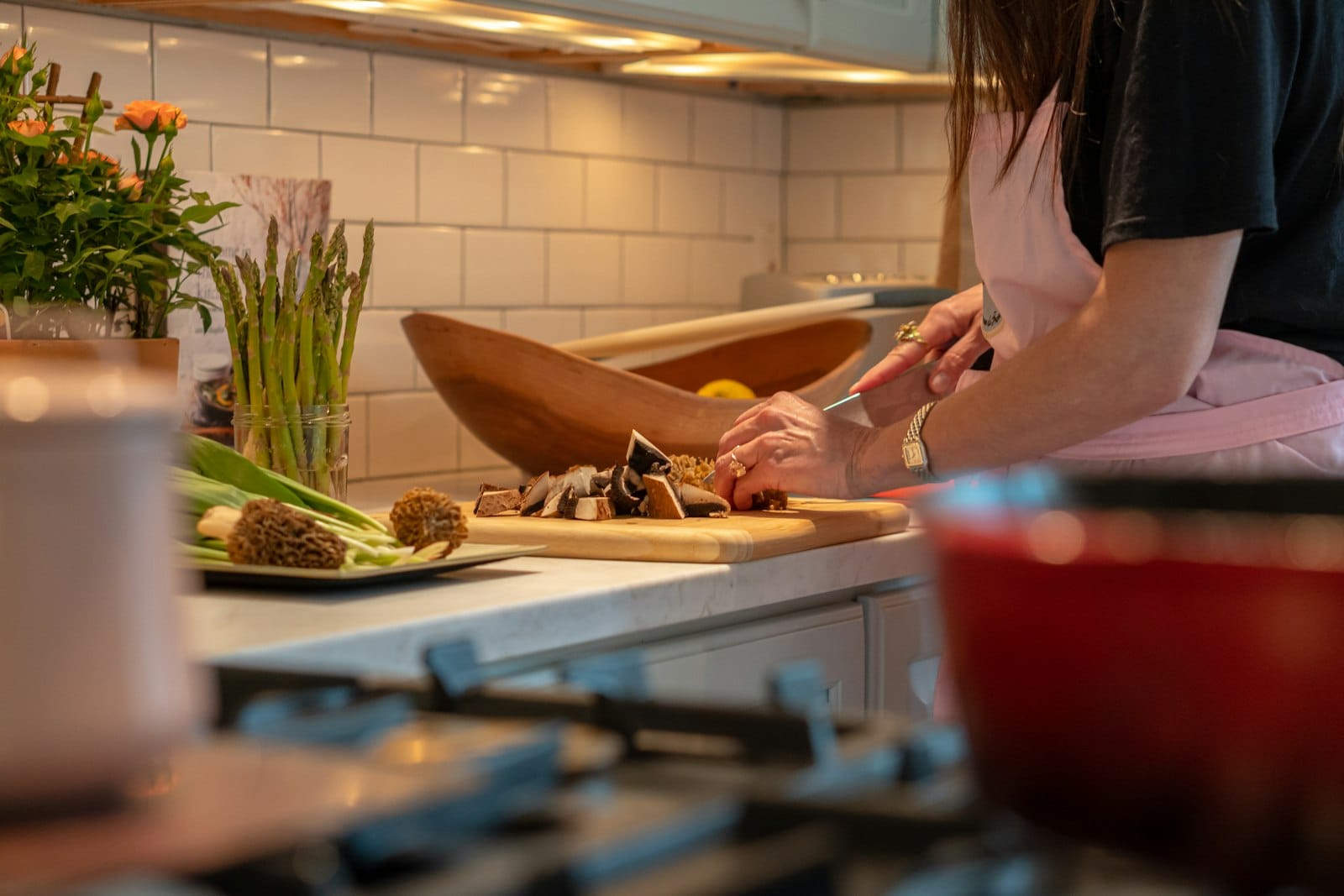
- While they cook, wash and chop vegetables for roasting or quick stir-fries.
- Roast vegetables in the oven while you prepare one or two sauces on the stovetop.
- Cool everything before storing, then portion into containers.
Storing food properly
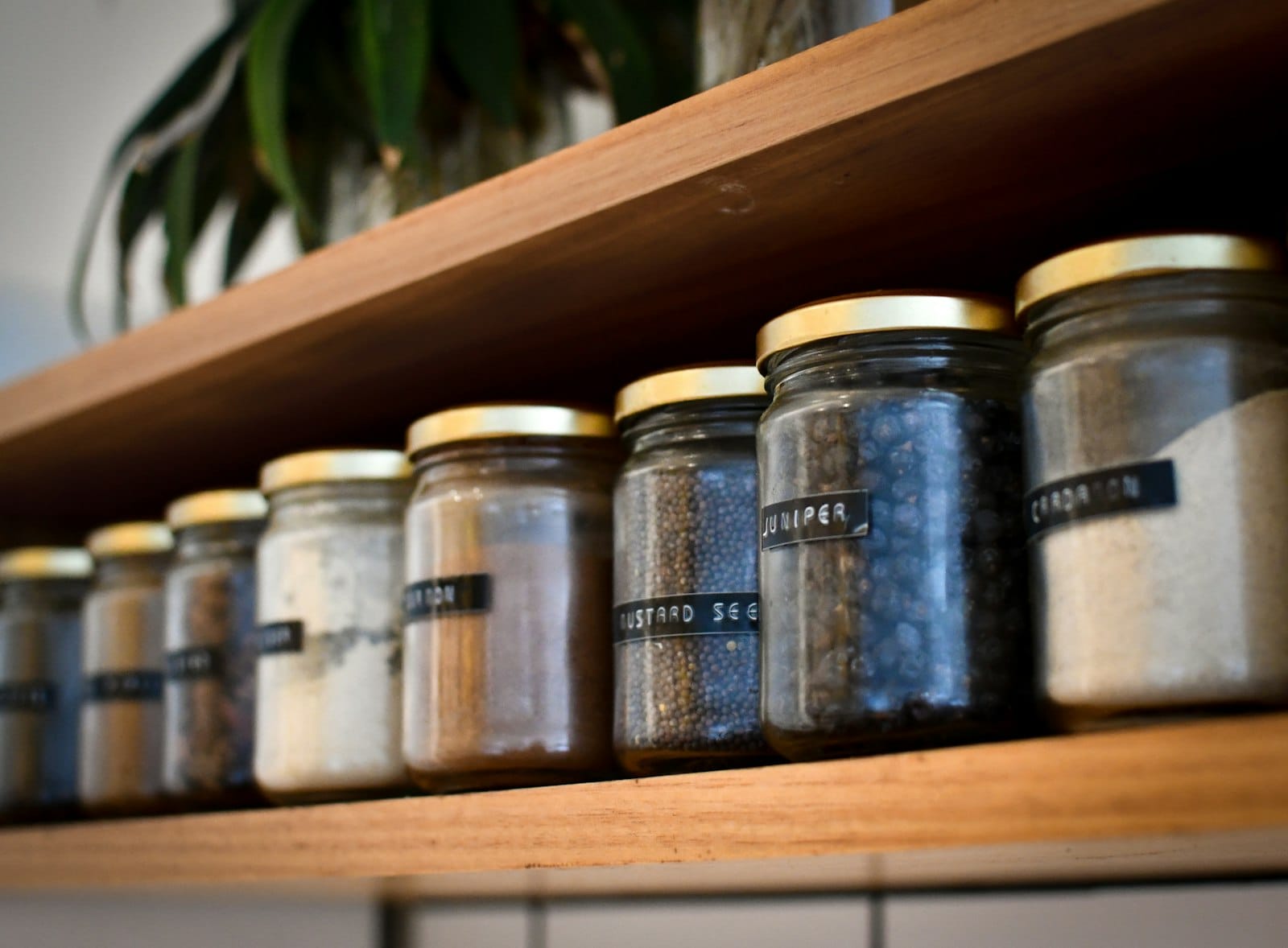
Good storage is what actually makes meal prep work — without it, even the best prep session goes to waste.
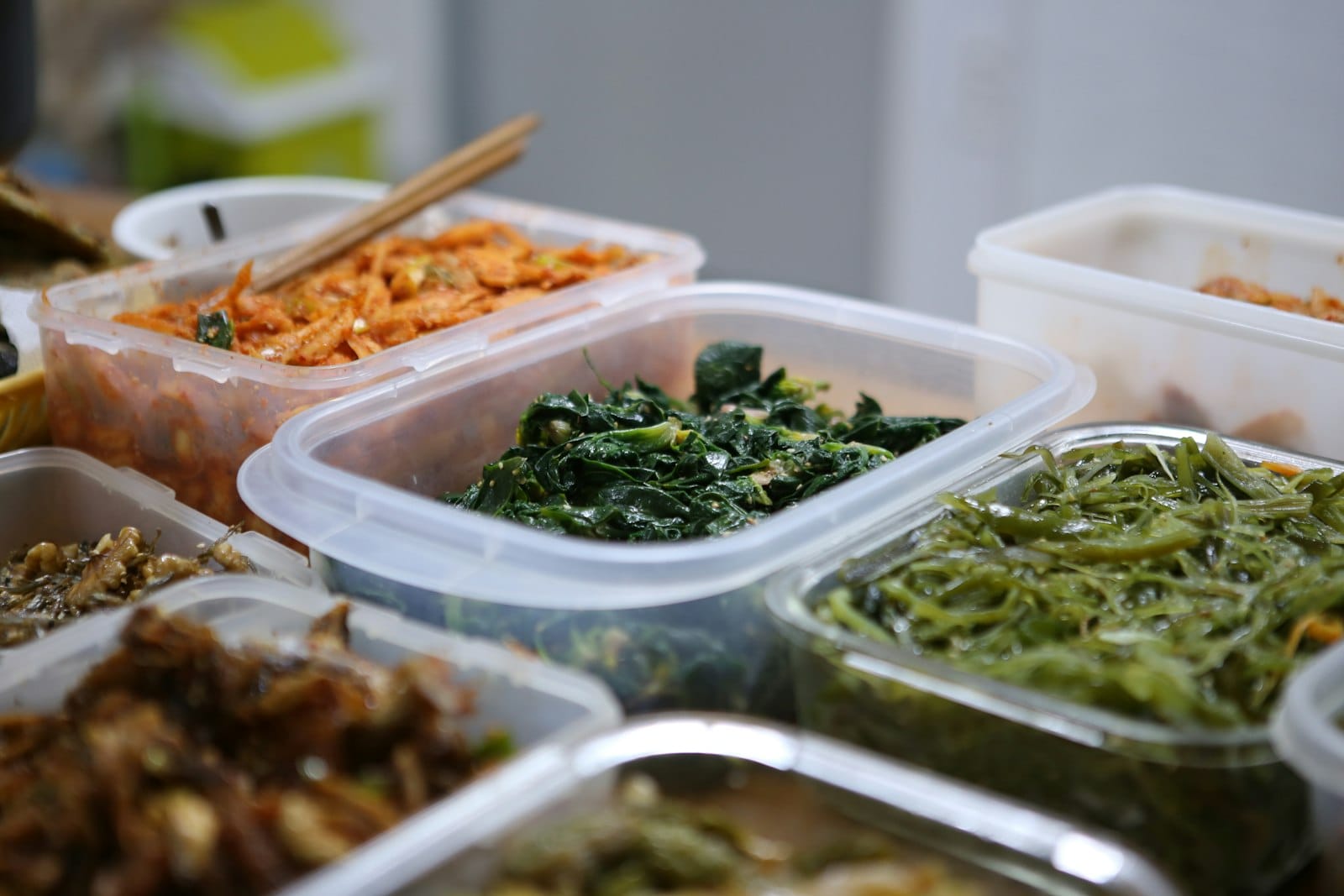
- Use airtight containers to keep food fresher for longer.
- Store grains, legumes and vegetables separately where possible, to preserve texture.
- Label containers with the date, especially if freezing.
- Keep leafy greens dry, with a paper towel in the container, to prevent wilting.
For general guidance on healthy cooking and shopping habits, Better Health Channel’s healthy cooking tips are a solid, practical resource.
Freezing for later
Not everything needs to be eaten within the week — many plant-based staples freeze beautifully, extending their usefulness considerably.
Cooked grains, legumes, curries and soups all hold up well in the freezer. Portion into single servings before freezing, so you can pull out exactly what you need without defrosting more than necessary.
Putting it all together
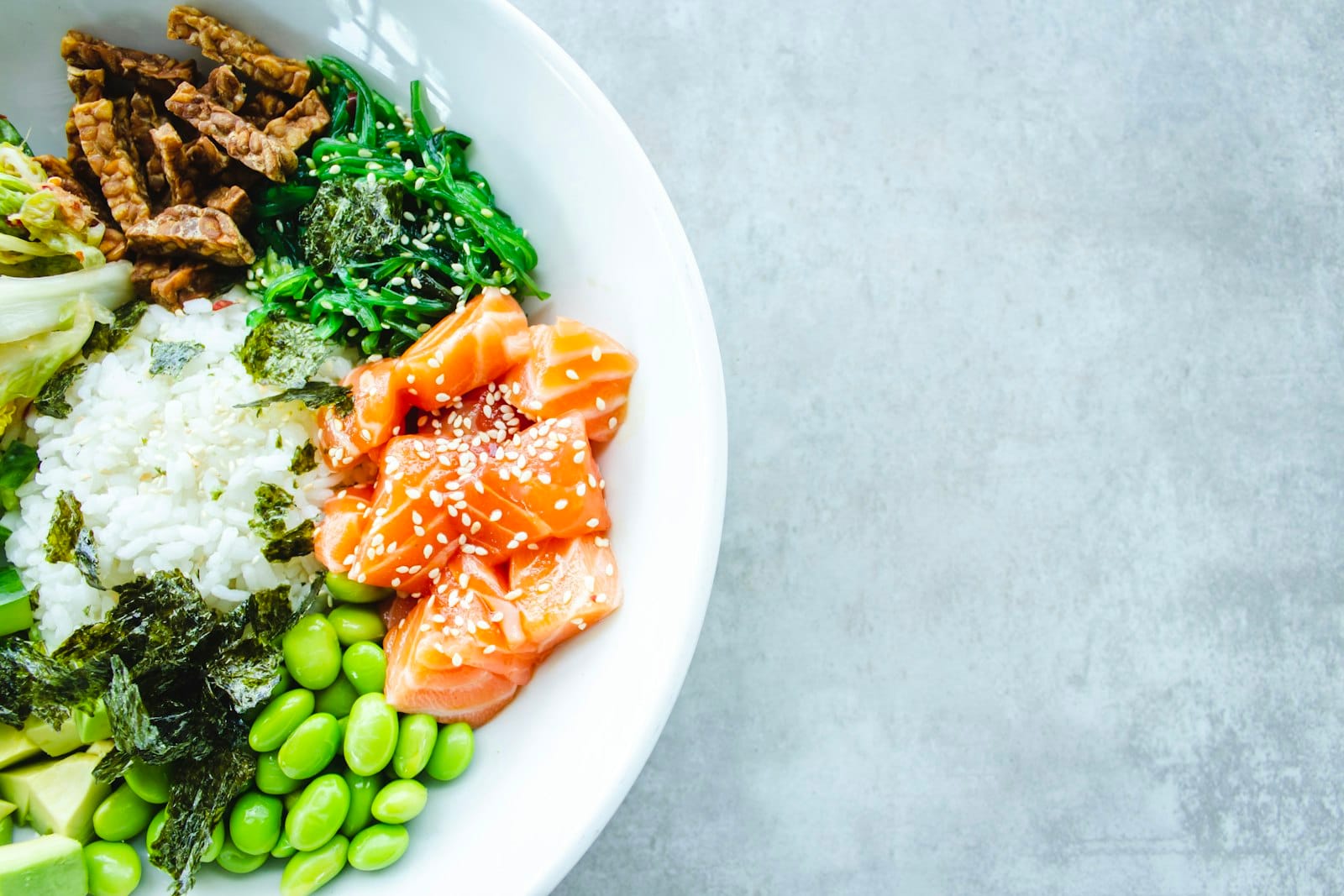
A well-stocked fridge of prepped components makes weeknight dinners genuinely fast — a bowl of grains, a scoop of protein, some vegetables and a sauce comes together in minutes.
For inspiration on flavour combinations, browse our full plant-based menu or our guide to vegan kitchen staples for pantry ideas worth keeping on hand.
Staying consistent, week to week
The hardest part of meal prep is rarely the cooking itself — it is building the habit of actually doing it regularly.
Picking the same day and time each week, even if the session is short, makes it far more likely to stick than an inconsistent, whenever-you-remember approach. Treat it like any other regular appointment, and it becomes routine much faster than you would expect.
It is also worth giving yourself permission to skip a week occasionally without treating it as a failure. Meal prep is a tool to make your week easier, not another obligation to feel guilty about.
Over time, you will likely develop your own shortcuts and preferences — favourite sauce combinations, go-to grain and vegetable pairings, a rhythm that fits your schedule. That personal version, refined through actually doing it, will always work better than following someone else’s system exactly.
Give it a genuine month before deciding whether it works for you. The first attempt rarely goes perfectly, and that is completely normal — the real benefit shows up once it becomes routine.
However you approach it, the goal is simple: fewer stressful weeknights spent staring into the fridge wondering what to cook.
A little effort on a Sunday genuinely does buy back a surprising amount of ease during the busy week ahead.
Once the habit sticks, you may find you look forward to it — a quiet, productive hour that sets the whole week up well.
Frequently asked questions
How do I start vegan meal prep as a beginner?
Start small — prep just two or three meals for the week rather than every single one, using simple staples like grains, legumes and roasted vegetables you can mix and match.
What are good vegan meal prep staples?
Rice, quinoa, lentils, chickpeas, roasted vegetables and a couple of versatile sauces form a great base. Combined in different ways, they can make a different meal each day without much extra effort.
How long does vegan meal prep last in the fridge?
Most prepped grains, legumes and roasted vegetables keep well for three to four days in an airtight container in the fridge. Anything beyond that is best frozen.
Can I freeze meal-prepped vegan food?
Yes — cooked grains, legumes, curries and soups all freeze well. Portion into individual containers before freezing for easy, ready-to-go meals later.
How much time does vegan meal prep take?
A solid weekly prep session usually takes two to three hours, though even 30–45 minutes of simple prep (chopping vegetables, cooking a batch of grains) makes a real difference during the week.
Keep exploring
For more, read our guides to vegan kitchen staples, a beginner’s guide to plant-based eating, and easy vegan breakfast ideas.
Leave a Reply