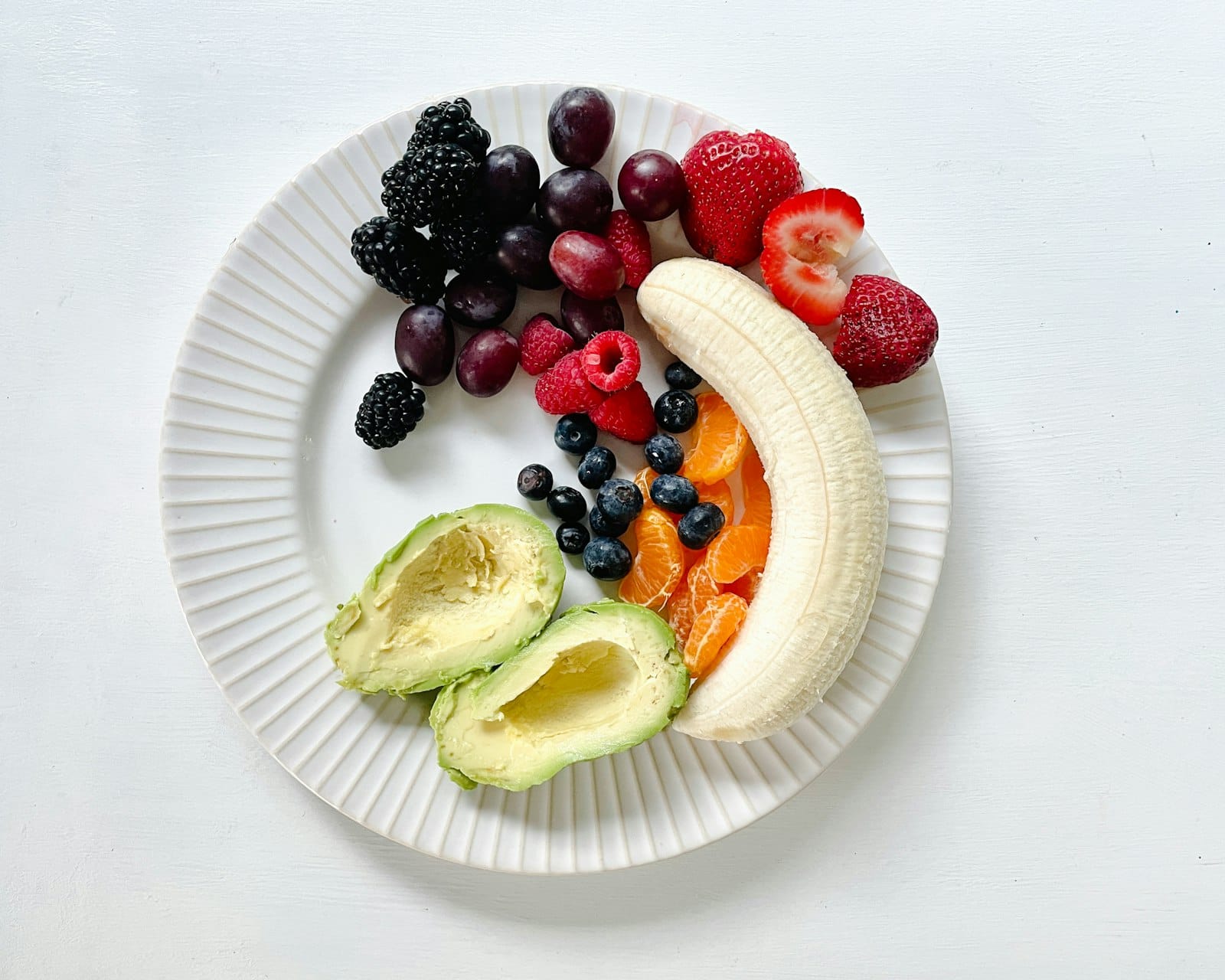
It is one of the most common questions about plant-based eating, and a fair one: is a vegan diet actually healthy, or does cutting out animal products come with hidden trade-offs?
The honest, evidence-based answer is that a well-planned vegan diet can be genuinely healthy — but “well-planned” is doing some real work in that sentence. Here is what the evidence says, and how to do it properly.
As with the rest of our health content, this is general information rather than personalised medical advice — if you have specific health conditions or concerns, a doctor or accredited dietitian is always the right first call.
Why this question comes up so often
It is a reasonable question to ask. Removing an entire category of food from your diet is a significant change, and it is sensible to want reassurance that it will not leave you missing something important.
The good news is that this has been studied extensively, across large populations and over long periods, which means the answer is not just anecdotal — it is backed by a genuine body of nutritional research.
What major health bodies actually say
This is not a fringe question with a shaky answer. Major dietetic associations have looked closely at this.
The Academy of Nutrition and Dietetics and the British Dietetic Association both affirm that appropriately planned vegetarian and vegan diets are healthy, nutritionally adequate, and may offer benefits for preventing and managing certain chronic diseases. See the Academy of Nutrition and Dietetics’ guide to healthy vegetarian and vegan eating for more detail.
That is a meaningful endorsement. These are not fringe wellness organisations but mainstream, evidence-based professional bodies, which lends real weight to the answer.
The nutrients worth watching
A vegan diet is not automatically deficient in anything, but a few nutrients need a little more conscious attention.
| Nutrient | Why it matters | Plant sources / notes |
|---|---|---|
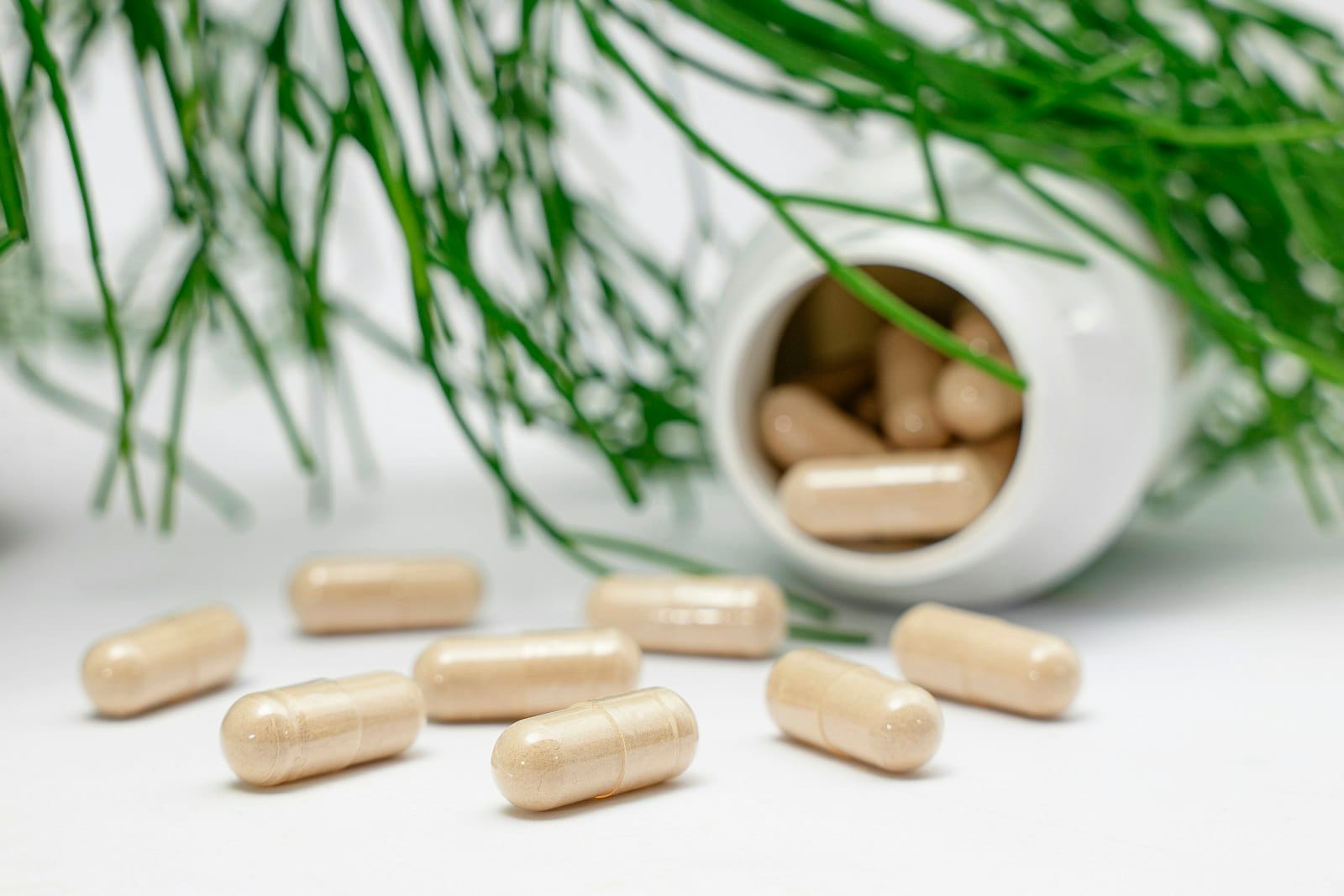
| Vitamin B12 | Nerve function, red blood cells | Not in plant foods; supplement or fortified foods needed |
| Vitamin D | Bone health, immunity | Sunlight, fortified foods, supplement if needed |
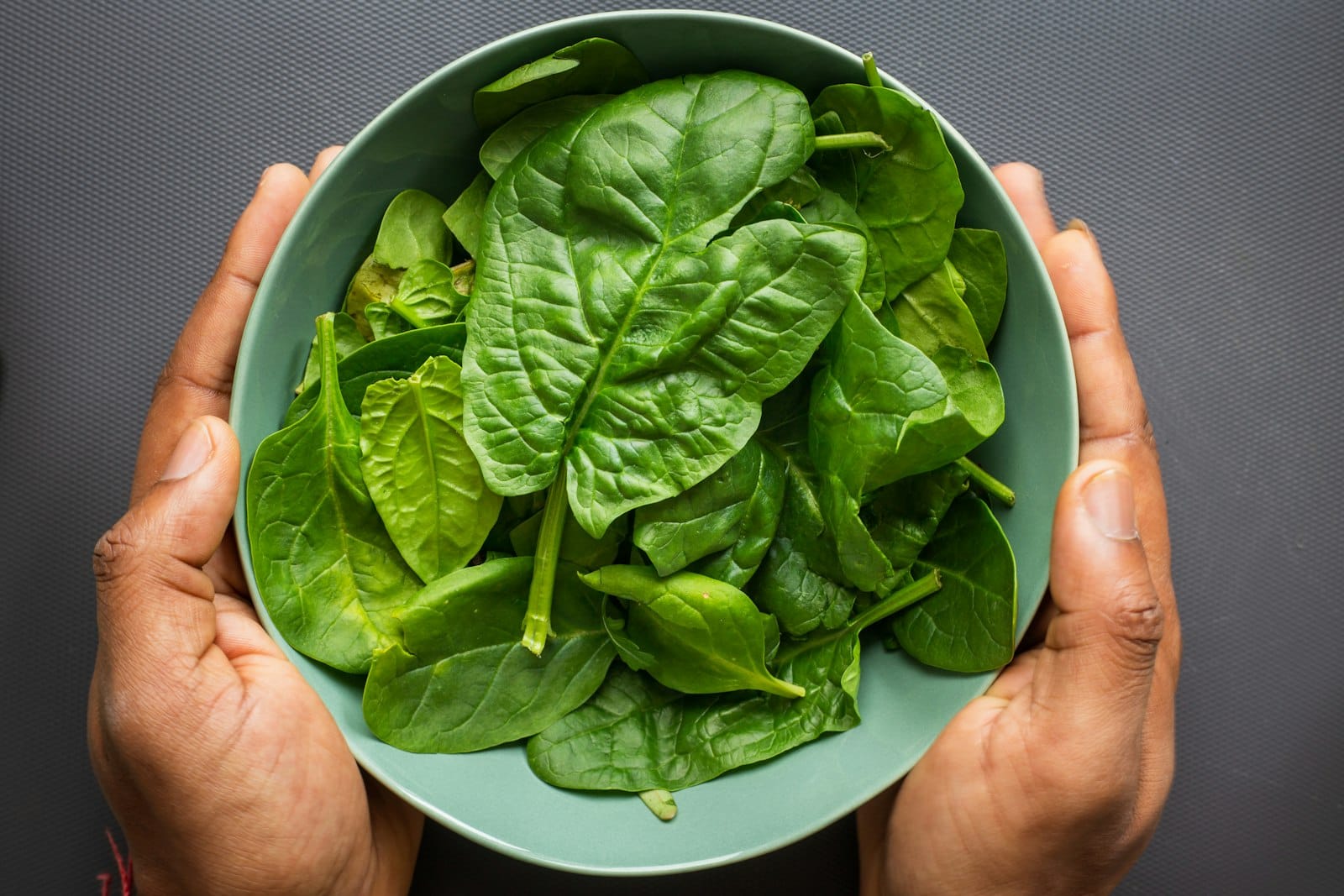
| Iron | Energy, oxygen transport | Lentils, tofu, leafy greens; pair with vitamin C for absorption |
| Calcium | Bone health | Tofu, fortified plant milks, leafy greens |
| Omega-3s | Heart & brain health | Flaxseed, chia, walnuts, algae-based supplements |
| Iodine | Thyroid function | Iodised salt, seaweed (in moderation) |
“Vegan” does not automatically mean healthy
This is the flip side worth being honest about: chips, sugary cereal and many packaged snacks are technically vegan, but they are not exactly health food.
A diet built mostly around processed vegan convenience foods is not going to deliver the same benefits as one built around whole plant foods. The same principle applies to any diet — quality matters as much as the label.
This is sometimes called the “junk food vegan” trap, and it is worth being aware of if weight or general health is part of your motivation for going plant-based. The label on a product tells you what it excludes, not automatically what it is good for you.
The upside: what the evidence supports
When built around whole foods, plant-based and vegan diets are consistently associated with several genuine health benefits.
- Lower saturated fat intake, supporting healthier cholesterol levels.
- Higher fibre intake, supporting digestion and steady blood sugar.
- More antioxidants and phytonutrients from a wide variety of plants.
- Lower risk factors for some chronic diseases, when the diet is well-balanced.
How to build a genuinely healthy vegan plate
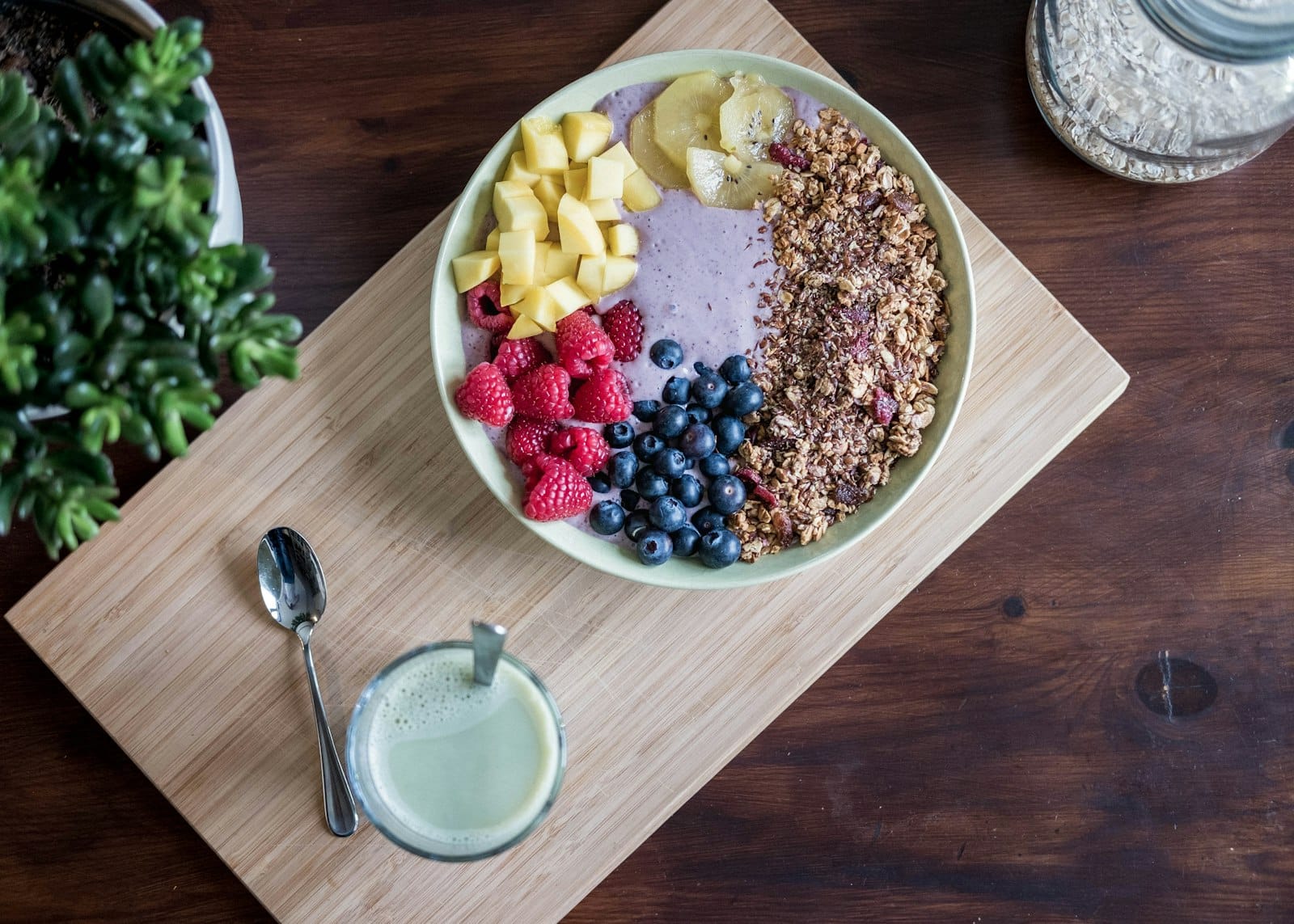
A simple mental model helps: build meals around a source of plant protein, a wholegrain or starchy carb, plenty of vegetables, and a source of healthy fat.
Varying your protein sources across the week — lentils one day, tofu the next, chickpeas another — naturally covers a broader range of nutrients than relying on the same one repeatedly. For more detail, see our guide to vegan protein sources and how much you need.
Colour is a useful shortcut, too. A plate with several different coloured vegetables tends to naturally deliver a wider spread of vitamins and antioxidants than one built around a single dominant ingredient, without needing to calculate anything.
A sensible, practical approach
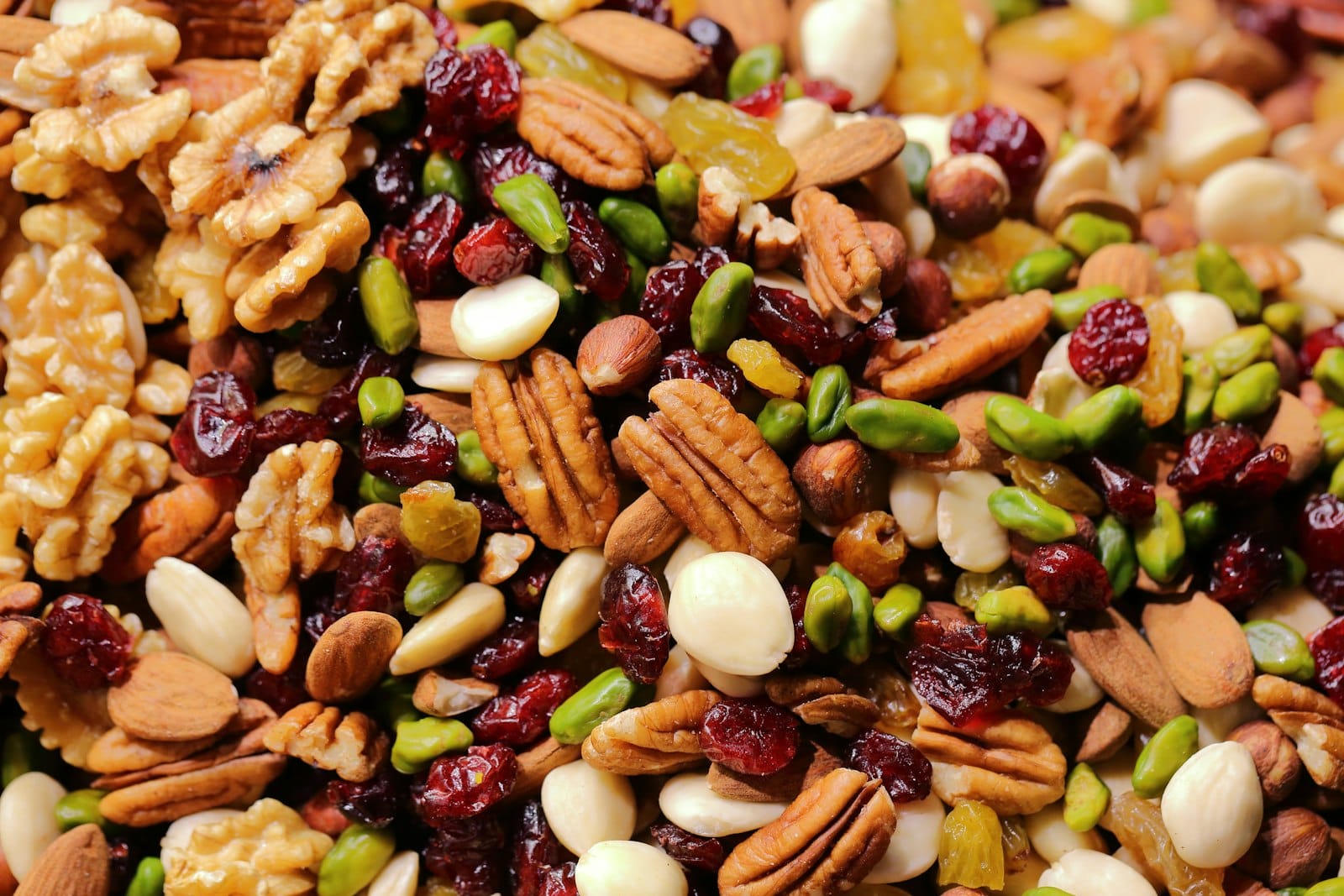
If you are considering a vegan diet, or already following one, a few habits make it genuinely healthy rather than just technically plant-based.
Get a blood test if you are unsure about specific nutrient levels, particularly B12, iron and vitamin D. Choose whole foods most of the time, and treat processed vegan products as an occasional convenience rather than a dietary staple. And do not hesitate to speak with a doctor or dietitian for guidance tailored to you.
If you are transitioning gradually rather than switching overnight, that is a perfectly sound approach too — it gives you time to build new habits and notice how your body responds along the way, rather than making every change at once.
However you approach it, being informed rather than following whatever claim is loudest online is really the whole point of a question like this one.
That is exactly why we have leaned on established dietetic bodies rather than opinion throughout this guide, and why we would encourage you to do the same as you keep reading elsewhere.
Eating well, the easy way
At The Cardamom Pod, our menu is built around whole plant-based ingredients — vegetables, legumes, grains and warming spices — designed to be both nourishing and genuinely satisfying, not just technically vegan.
Browse our full plant-based menu, or book a table at The Brickworks in Southport.
The honest bottom line
A vegan diet is neither automatically healthy nor automatically risky — it is a framework, and what you build within that framework is what determines the outcome.
Done thoughtfully, with attention to the handful of nutrients that need it, a vegan diet stacks up as one of the genuinely healthy ways to eat, backed by real evidence rather than trend-driven hype.
Frequently asked questions
Is a vegan diet healthy?
A well-planned vegan diet can be healthy and nutritionally adequate at every life stage, according to major dietetic associations. As with any diet, food quality and variety matter.
What nutrients do vegans need to watch?
Vitamin B12, vitamin D, iodine, iron, calcium and omega-3 fats are the main nutrients that need a little more attention on a vegan diet, since they are less abundant or less bioavailable in plant foods.
Do vegans need to take supplements?
Most health authorities recommend a vitamin B12 supplement or fortified foods for vegans, since B12 is not naturally present in plant foods. Other supplements may help depending on individual diet and blood tests.
Can a vegan diet be unhealthy?
Yes, if it relies heavily on processed vegan snacks and refined carbohydrates rather than whole foods. Being vegan does not automatically mean being healthy — food quality still matters.
Is The Cardamom Pod a healthy vegan option?
Our menu is built around whole plant-based ingredients — vegetables, legumes, grains and spices — designed to be both nourishing and genuinely satisfying.
Keep exploring
For more, read our guides to vegan protein sources, plant-based vs vegan vs vegetarian, and common vegan food myths, busted.
Leave a Reply