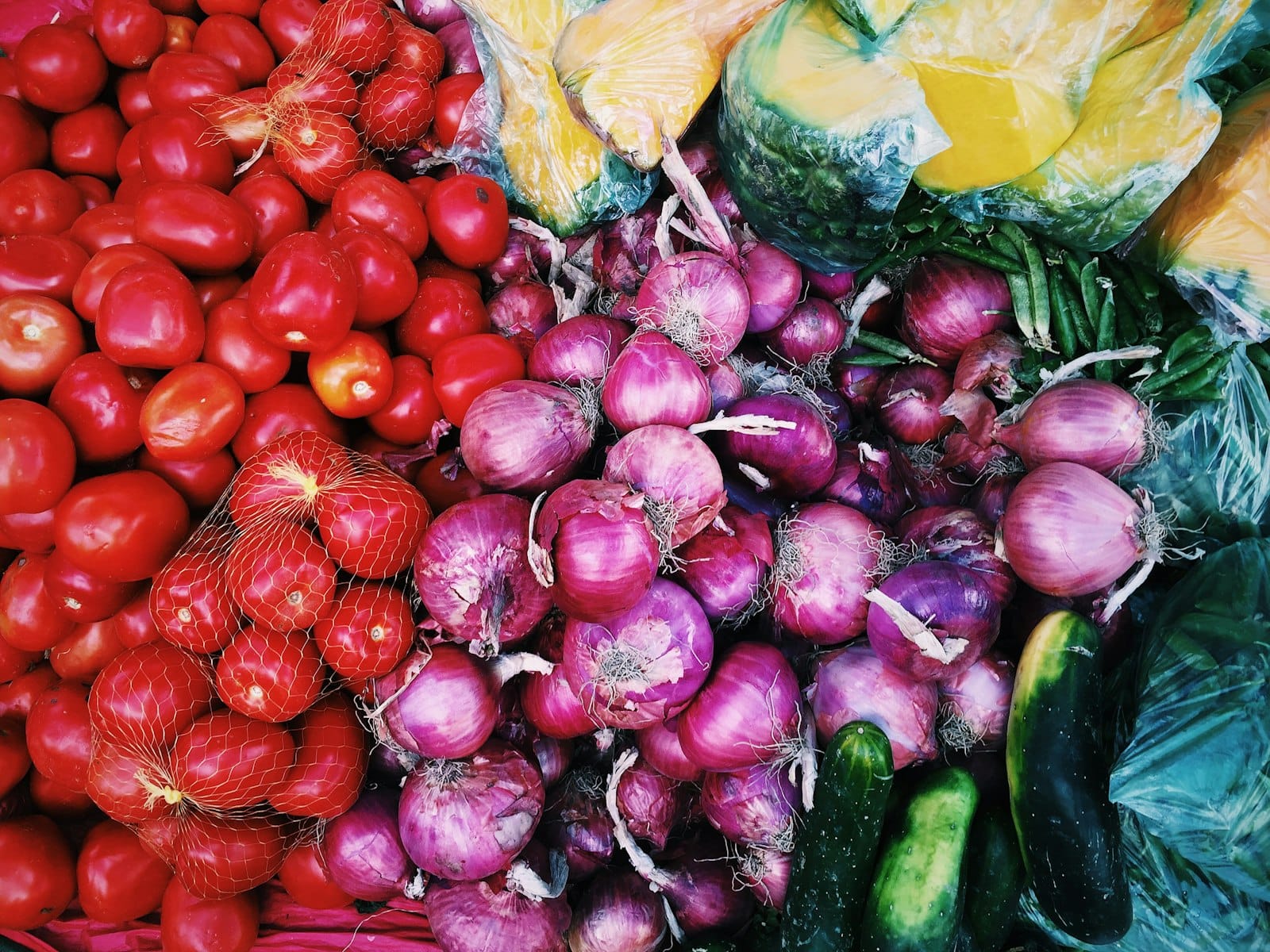
“Plant-based,” “vegan” and “vegetarian” get used almost interchangeably in everyday conversation, but they actually describe three different things.
Understanding the distinction makes it much easier to order confidently, cook for others, and know what to expect from a menu. Here is a clear, simple breakdown of each.
None of these labels is inherently “better” than the others — they simply describe different sets of choices, often made for different reasons. Knowing which is which just makes navigating food, menus and conversations a lot easier.
Vegetarian: no meat, but some animal products
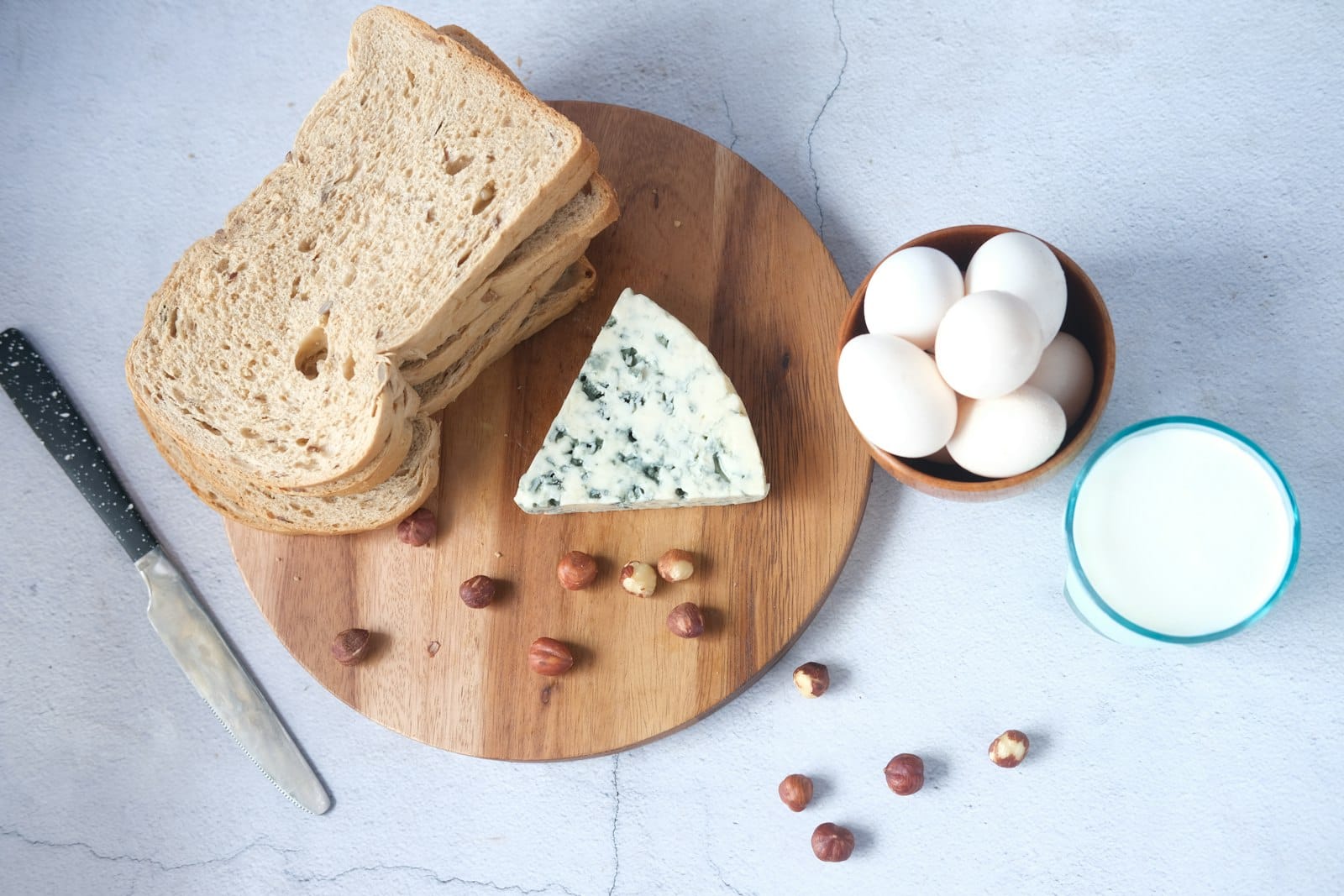
A vegetarian diet excludes meat, poultry and fish, but often still includes dairy and eggs.
There are a few sub-categories worth knowing: lacto-vegetarian (includes dairy, no eggs), ovo-vegetarian (includes eggs, no dairy), and lacto-ovo vegetarian (includes both). It is the broadest and most common of the three categories.
Vegan: no animal products at all
A vegan diet goes further, eliminating all animal products — meat, dairy, eggs and honey included.
For many people, vegan is not just a diet but a broader lifestyle and ethical stance, extending to fashion, beauty and other products, and rooted in animal welfare, environmental or anti-exploitation values.
Plant-based: a focus on whole plant foods
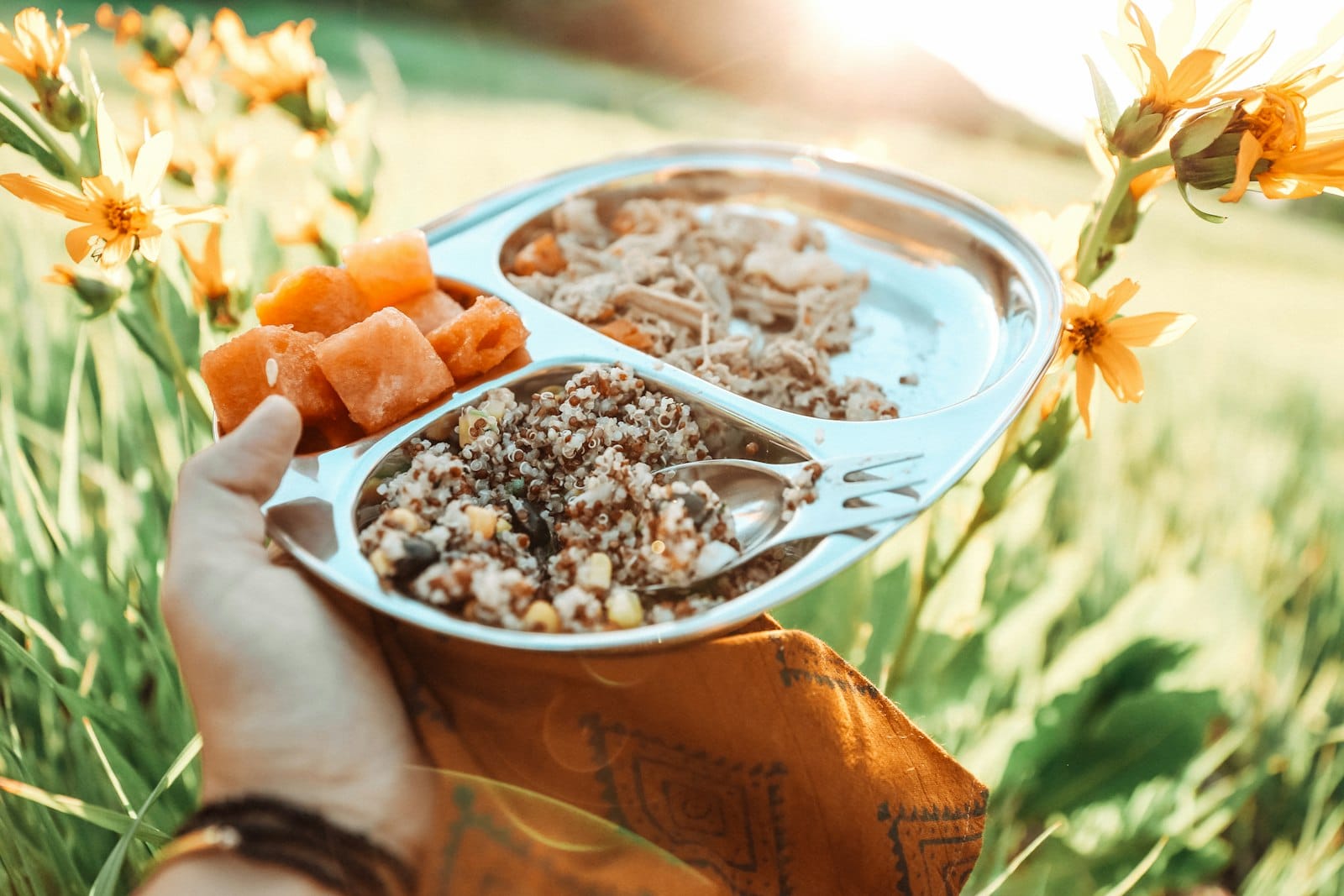
Plant-based is a little different again. It describes a diet built around fruits, vegetables, whole grains, nuts and seeds, typically for health reasons rather than ethics.
Importantly, plant-based does not always mean 100% free of animal products — some people who describe their eating as plant-based still allow occasional meat, dairy or eggs, with plants simply making up the majority of what they eat.
This is also where the term gets a little blurry in everyday use. Many people who eat a fully vegan diet also describe themselves as “plant-based,” using the two terms almost interchangeably — even though, strictly speaking, plant-based does not require the same all-or-nothing approach that veganism does.
Side by side: how the three compare
Here is a simple summary of how the three approaches differ.
| Term | Excludes | Primary motivation | Flexibility |
|---|---|---|---|
| Vegetarian | Meat, poultry, fish | Varies (ethics, health, culture) | May include dairy and eggs |
| Vegan | All animal products | Often ethics/animal welfare | Strict, no animal products at all |
| Plant-based | Nothing strictly defined | Usually health-focused | Often flexible, plant-majority |
For a further, evidence-based look at these distinctions, Healthdirect’s guide to vegetarian and vegan diets is a reliable Australian resource.
Why the distinction actually matters
Knowing the difference helps in a few very practical ways, beyond just semantics.
- Ordering out — a “vegetarian” dish may still contain dairy or egg, so vegans should always double-check.
- Cooking for others — knowing which category a guest follows avoids awkward surprises.
- Reading menus — a fully plant-based venue removes the guesswork entirely, since nothing on the menu contains animal products.
- Setting goals — whether your motivation is health, ethics or the planet shapes which label actually fits you.
Where The Cardamom Pod fits in
At The Cardamom Pod, we sit firmly across all three: every dish is vegan and plant-based, and naturally vegetarian too, since we never use meat, dairy or eggs.
It means the usual questions — “is this vegetarian?”, “can this be made vegan?” — simply do not come up. Everything on the menu already fits. Browse our full plant-based menu, or book a table at The Brickworks in Southport.
Finding the approach that fits you
If you are new to any of this, it is worth remembering that these are not exams to pass, but simply useful labels for describing how you like to eat.
Some people move gradually — starting plant-based a few days a week, then vegetarian, then fully vegan over time. Others land straight on one and stay there. Whichever direction you are exploring, understanding these three terms clearly is a genuinely useful first step.
Common misconceptions worth clearing up
A few misunderstandings come up again and again in conversations about these three approaches.
- “Vegetarian means healthy.” Not necessarily — a vegetarian diet can still be high in processed food, cheese and sugar.
- “Vegan and plant-based are the same thing.” Related, but not identical — one is a strict lifestyle, the other a flexible dietary focus.
- “Plant-based means bland.” With the right herbs, spices and technique, plant-based food can be every bit as bold and satisfying as anything else.
- “You have to pick one and stick with it forever.” Many people move between these approaches over time as their motivations and circumstances change.
Clearing up these small misconceptions tends to make the whole topic feel a lot less complicated than it first appears.
A quick way to remember the difference
If the definitions still feel a little slippery, a simple mental shortcut helps: vegetarian is about what meat you avoid, vegan is about avoiding all animal products as a lifestyle, and plant-based is about what you actively eat more of.
None of them are mutually exclusive labels, either — someone can accurately describe themselves as vegan, vegetarian and plant-based all at once, simply by building their diet around whole plant foods and avoiding animal products entirely. That overlap is exactly where a venue like ours sits.
If you take nothing else away from this, remember that the labels exist to help communication, not to gatekeep who gets to enjoy good plant-based food. Whatever term fits your own approach, you are welcome at the table.
And if you are still deciding which approach suits you best, the simplest advice is usually the best advice: start with a meal you would genuinely enjoy, plant-based or otherwise, and let your habits build naturally from there rather than forcing a label on day one.
Whichever path you take, a fully plant-based venue is always a safe, welcoming place to start — there is nothing to decode, and nothing on the menu you need to ask about twice.
Frequently asked questions
What is the main difference between vegan and vegetarian?
Vegetarians avoid meat, poultry and fish but may still eat dairy and eggs. Vegans avoid all animal products entirely, including dairy, eggs and honey, often extending that to non-food items too.
Is plant-based the same as vegan?
Not exactly. Plant-based usually describes a diet focused on whole plant foods, often for health reasons, and may allow occasional animal products. Vegan is typically a stricter, ethically motivated lifestyle that avoids all animal products entirely.
Which is healthiest: vegan, vegetarian or plant-based?
Any of the three can be healthy or unhealthy depending on food choices — a diet of vegan junk food is still less nutritious than a well-balanced vegetarian or plant-based one. Whole, minimally processed foods are the common thread behind the healthiest versions of each.
Can you be vegetarian but not plant-based?
Yes. A vegetarian diet built around cheese, eggs and processed foods is technically vegetarian but not necessarily plant-based, since plant-based implies a focus on whole plant foods.
Is The Cardamom Pod vegan, vegetarian or plant-based?
The Cardamom Pod is fully plant-based and vegan — every dish is free from dairy and animal by-products, with a cow-milk option available for coffee if you prefer it.
Keep exploring
For more, read our guides to vegan protein sources and how much you need, plant-based diets and weight loss, and common vegan food myths, busted.
Leave a Reply