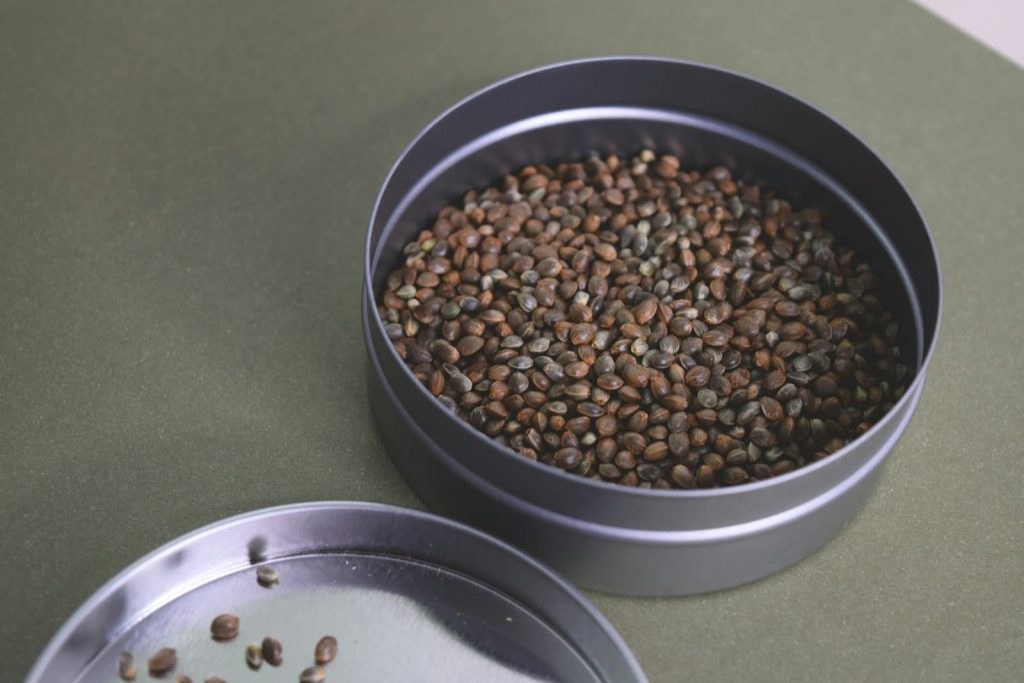
Hemp seeds pack a genuinely surprising amount of nutrition into a small, mild-tasting seed — protein, healthy fats and fibre, with almost no effort required to include them regularly.
This guide covers what makes hemp seeds worth adding to a plant-based diet, the nutrition behind them, and easy, practical ways to use them day to day.
They are one of the few plant foods that genuinely qualify as a complete protein, which makes them worth understanding a little better.
A complete plant protein
Hemp seeds contain all nine essential amino acids, a trait shared by relatively few plant foods, making them a genuinely useful addition to a varied plant-based diet.
That does not mean they need to be a primary protein source on their own — but as a regular sprinkle across meals, they quietly add up over the course of a week without much conscious effort.
What hemp seeds bring nutritionally
Beyond protein, hemp seeds carry a solid dose of fibre and healthy fats, including both omega-3 and omega-6 fatty acids.
| Nutrient | Why it matters | Per ~30g serving |
|---|---|---|
| Protein | Complete amino acid profile | Roughly 9–10g |
| Omega-3 & omega-6 fats | Heart and brain health support | A meaningful daily contribution |
| Fibre | Digestive health, fullness | Both soluble and insoluble |
| Magnesium & iron | Energy, muscle and blood support | Useful trace amounts |
Hemp seeds vs hemp hearts
Most hemp seeds sold for eating have already been hulled, revealing the soft, pale inner seed — often labelled “hemp hearts” on packaging.
These have a mild, slightly nutty flavour and a soft texture, closer to a small grain than a crunchy seed, which makes them easy to add to almost anything without changing the texture much.
The easiest ways to use them
Hemp seeds do not need cooking or preparation — they are ready to sprinkle straight from the bag.
- Stir into a smoothie or smoothie bowl for a protein boost.
- Sprinkle over salads, soups or grain bowls for texture.
- Mix into oatmeal, muesli or yoghurt bowls.
- Blend into homemade dressings or dips for extra creaminess.
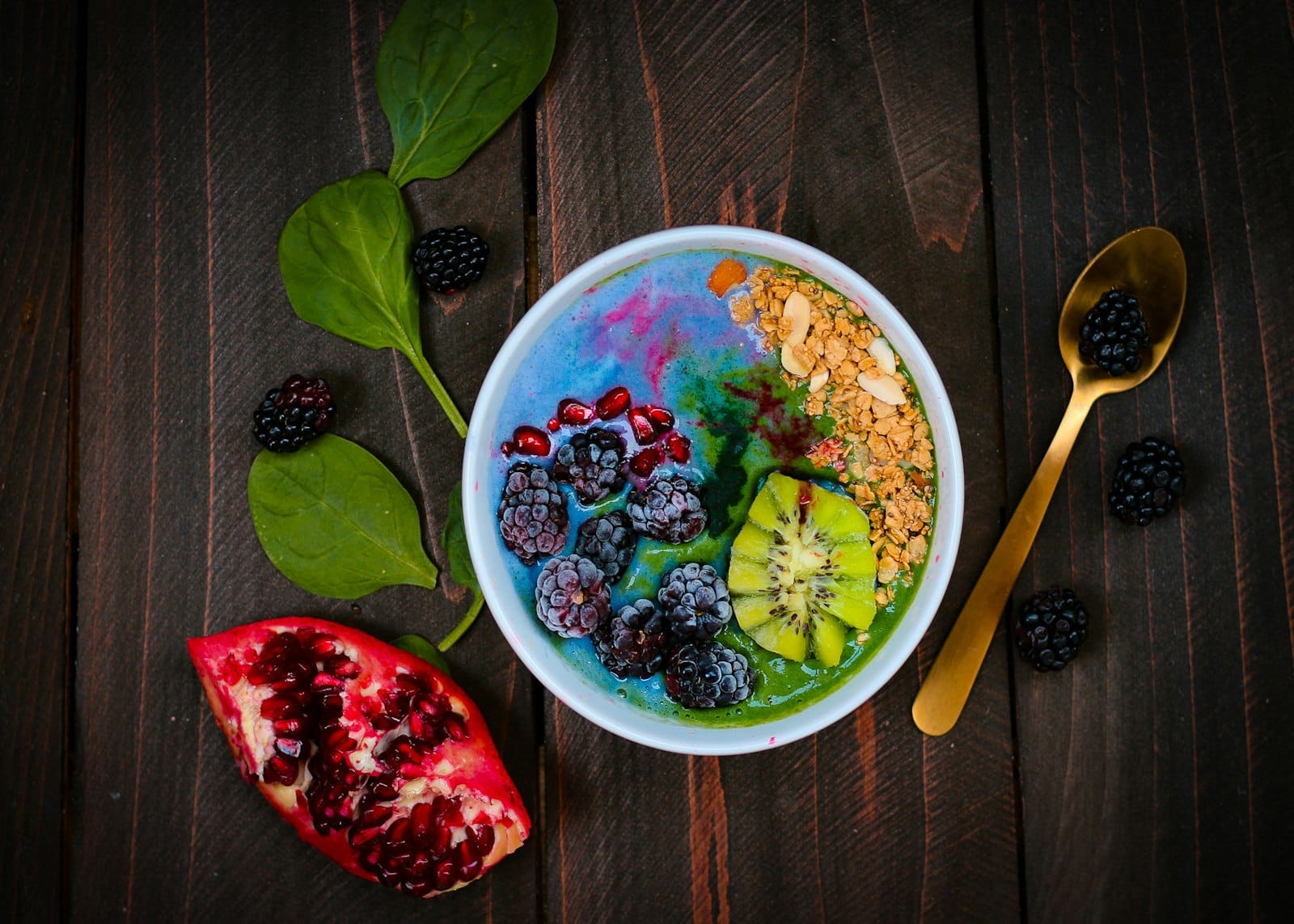
Adding them to breakfast
Breakfast is one of the easiest places to build a hemp seed habit — a spoonful stirred through porridge, muesli or a plant-based yoghurt bowl barely changes the flavour but adds a genuinely useful protein boost.
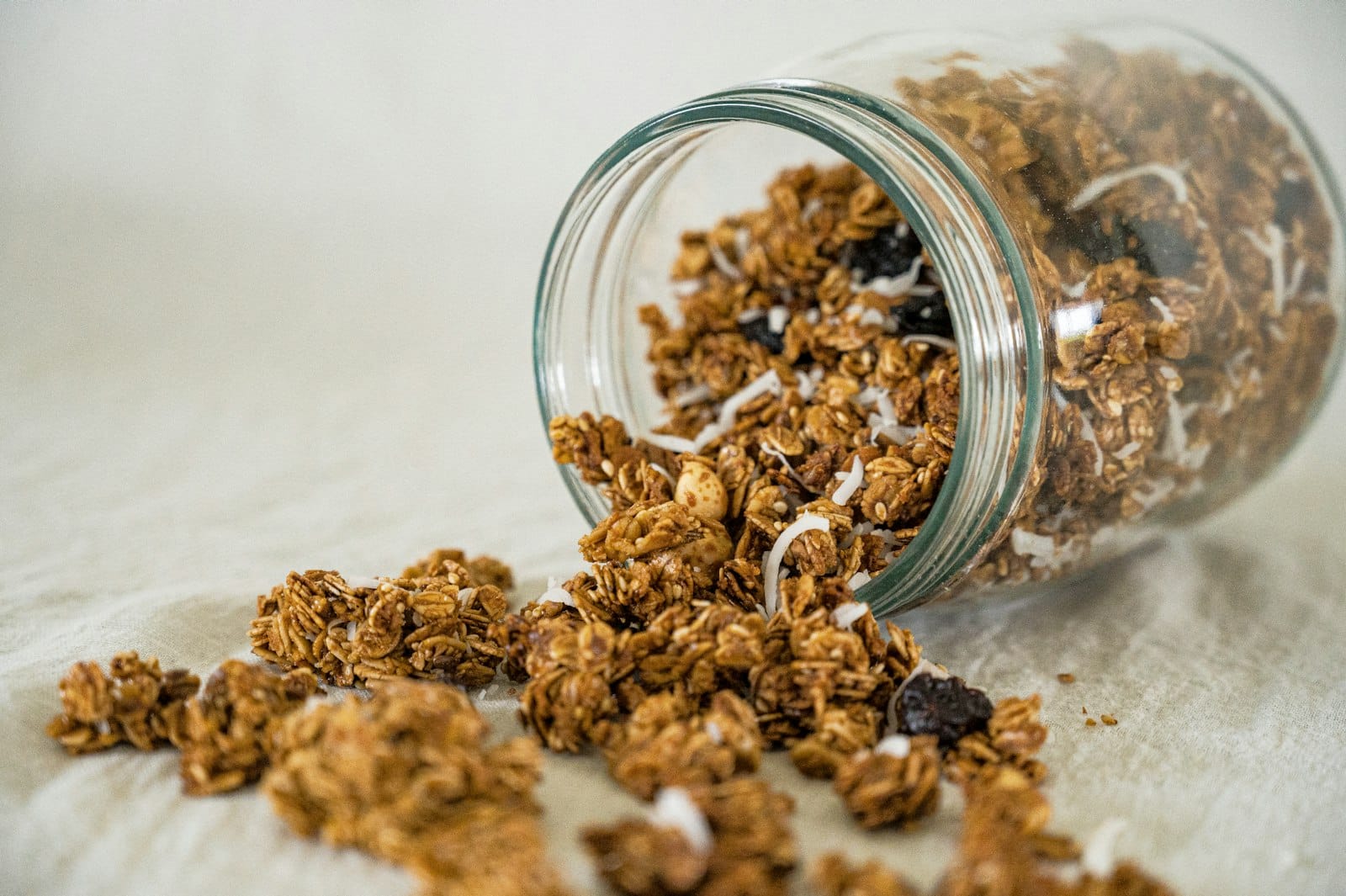
They pair particularly well with homemade plant-based granola, adding extra protein alongside the oats and nuts already in the mix.
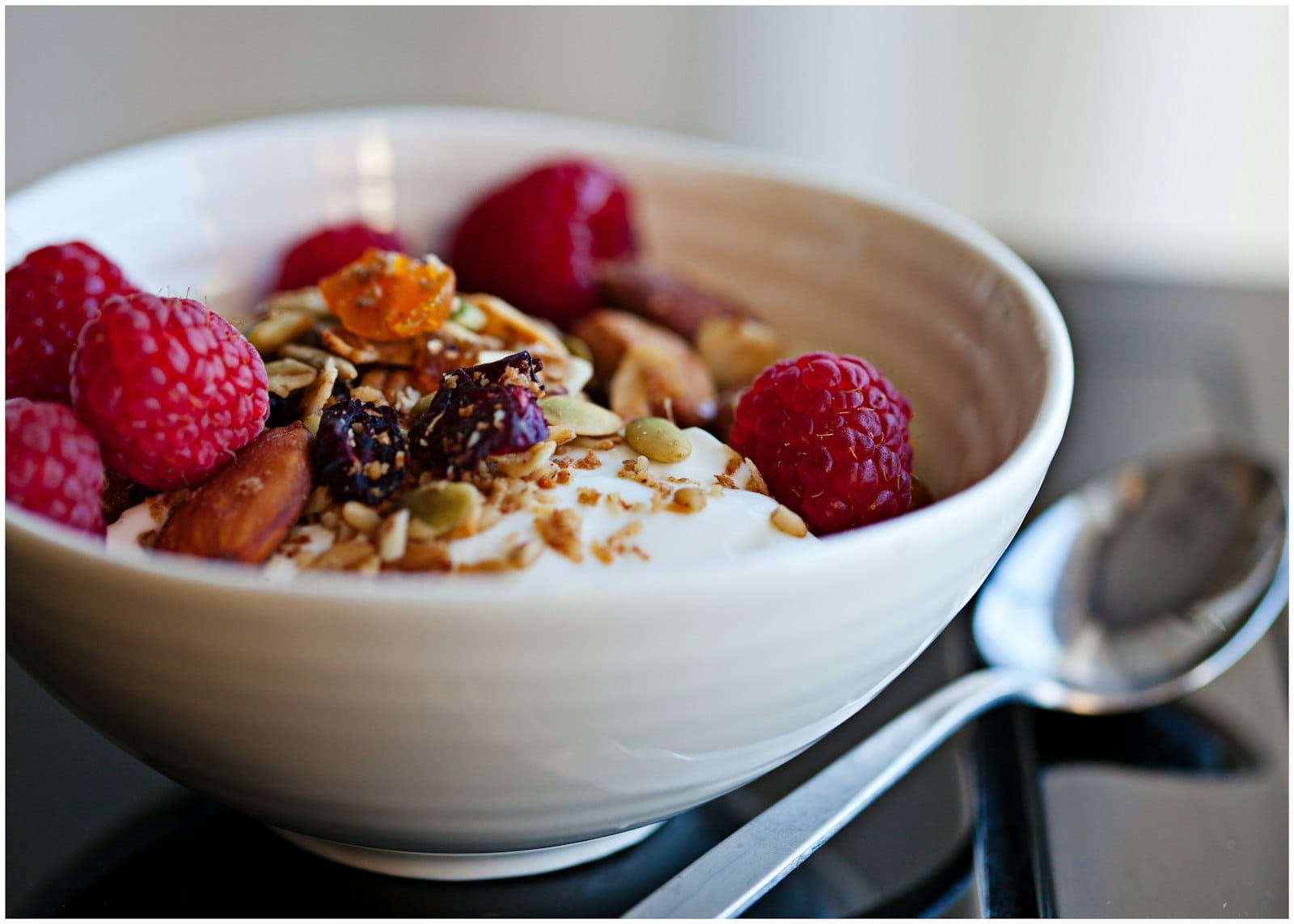
Building creamy dressings and dips
Because hemp seeds have a naturally mild flavour and blend down smoothly, they work well as a base for creamy dressings, dips and even dairy-free “milk”.
Blend hulled hemp seeds with water, a little lemon juice and garlic for a quick, creamy dressing base — no soaking required, unlike cashews.
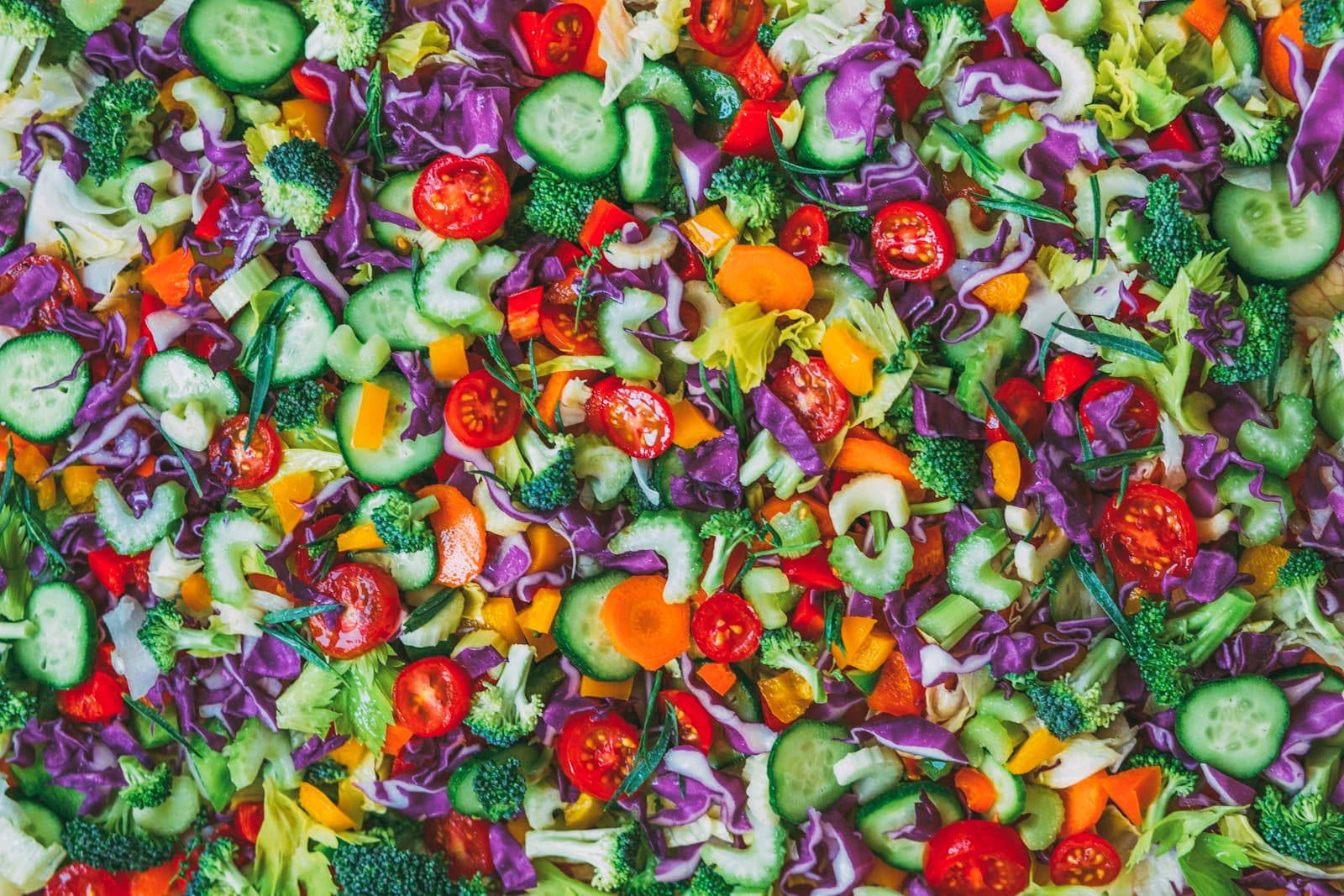
Hemp seeds vs chia and flax
Hemp seeds often get compared to chia and flax, since all three are popular plant-based additions with a good fat and fibre profile, but they behave quite differently.
Chia and flax both form a gel when soaked in liquid, useful for thickening or as an egg replacer, while hemp seeds stay loose and simply add texture and protein without that gelling effect. Each has its place, and there is no real reason to pick just one — see our guide to chia seeds for how they compare more directly.
A note on the hemp plant itself
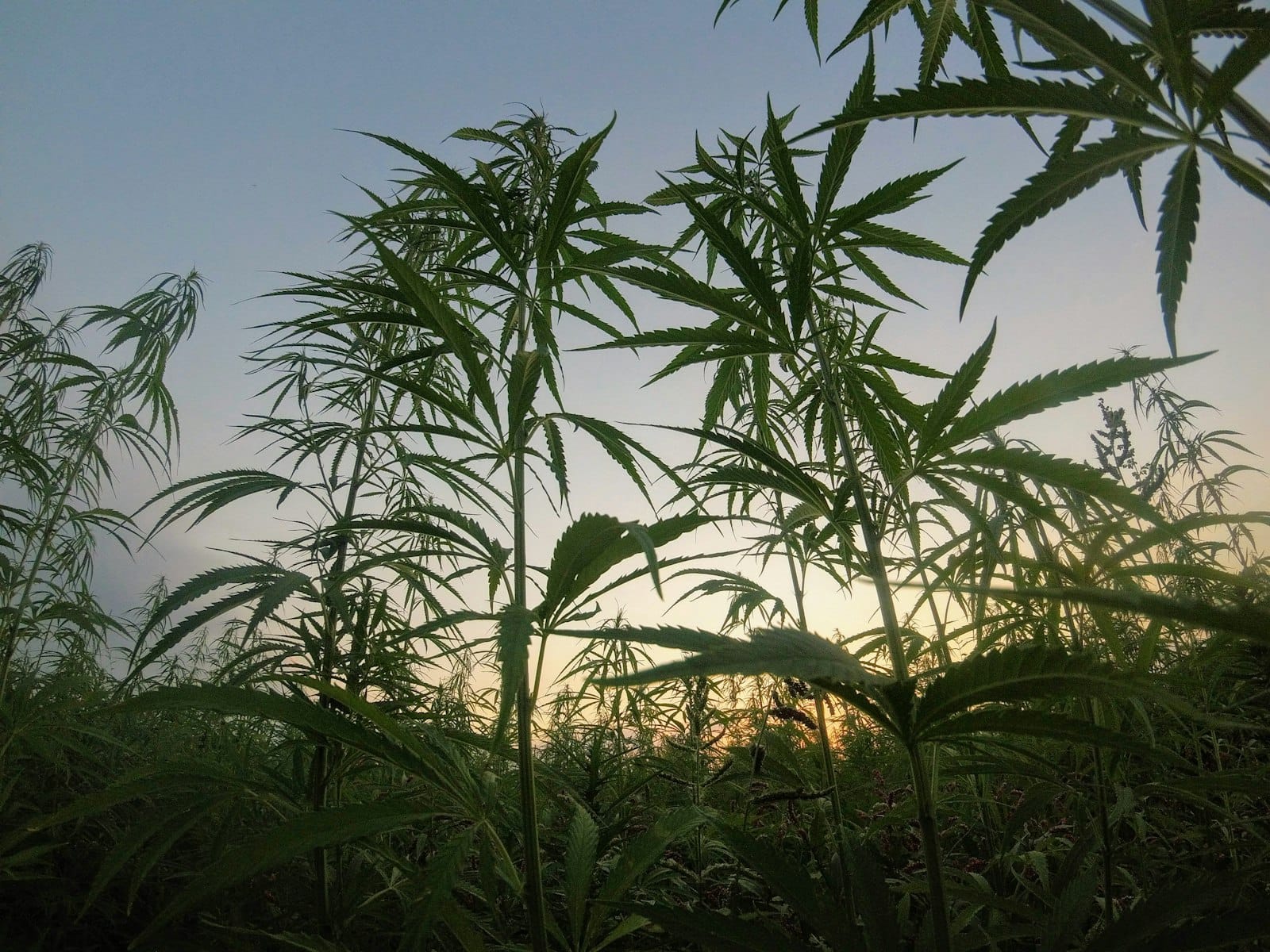
Hemp and marijuana come from the same plant species, Cannabis sativa, which understandably raises questions — but food-grade hemp seeds are grown from low-THC varieties and contain negligible to no THC by the time they reach the shelf.
They will not produce any psychoactive effect, and are legally sold as a food product in Australia specifically because of this distinction.
It is worth mentioning to anyone hesitant about trying them for the first time purely because of the plant they come from — the seeds themselves are a genuinely unremarkable, everyday pantry item once you look past the name.
Hemp seeds and heart health
The balance of omega-3 and omega-6 fatty acids in hemp seeds is often cited as supportive of heart health, alongside their fibre content, which can help moderate cholesterol.
They are a useful addition alongside other plant-based omega-3 sources — see our guide to vegan omega-3 sources for the fuller picture.
Storing hemp seeds properly
Hemp seeds are relatively high in fat, which means they can turn rancid faster than a drier pantry staple if left at room temperature for too long.
Keeping them in the fridge or freezer, in a sealed container, is the simplest way to preserve their flavour and nutritional quality for months. A faintly bitter or “paint-like” taste is the clearest sign a batch has turned and should be replaced.
Buying in smaller quantities more often is a reasonable strategy too, particularly if you are not going through them quickly enough to justify a large bulk bag.
A small, easy nutritional upgrade
Hemp seeds are about as close to a “just add it” ingredient as plant-based nutrition gets — no soaking, no cooking, and a genuinely useful nutritional profile.
They are also increasingly easy to find, with most major supermarkets now stocking them in the health food or baking aisle, usually alongside chia and flax seeds.
For more building blocks of a well-rounded plant-based pantry, see our guide to vegan kitchen staples, or browse our full plant-based menu at The Cardamom Pod.
For more on the research behind hemp seed nutrition, Medical News Today’s overview of hemp seed benefits is worth a read.
Worth keeping within reach
Once a bag of hemp seeds is sitting in the pantry, they tend to get used more often than you would expect — a spoonful here and there adds up quickly over a week.
Keep them near the breakfast bowls or the salad dressing ingredients, wherever you will actually remember to reach for them.
A small habit, but a genuinely useful one — and one of the easiest nutritional upgrades in this entire guide to actually stick with long term.
Frequently asked questions
Are hemp seeds a complete protein?
Yes — hemp seeds contain all nine essential amino acids, which is relatively rare among plant foods, making them a genuinely useful protein source.
Do hemp seeds contain THC?
No — hemp seeds themselves contain negligible to no THC, as they come from the same plant species as cannabis but are grown and processed specifically for food, not for their psychoactive compounds.
How much hemp seed should I eat daily?
Around one ounce (roughly 3 tablespoons) is a commonly recommended serving, providing a solid dose of protein, omega-3s and fibre without overdoing it.
Do hemp seeds need to be shelled?
Hulled (shelled) hemp seeds, sometimes called hemp hearts, are the most common form sold for eating — soft, mild and ready to sprinkle straight onto food.
Can hemp seeds go rancid?
Yes — their fat content means they can turn if left too long at room temperature, so storing them in the fridge or freezer helps preserve freshness.
Keep exploring
For more, read our guides to dates: benefits and how to use them, chia seeds: benefits and how to use them, and vegan protein: the best sources.