A vegan pregnancy is entirely achievable with the right planning — major health bodies around the world agree a well-structured plant-based diet can meet nutritional needs at every stage of pregnancy.
This guide covers the nutrients that deserve the most particular attention, and practical, realistic ways to meet them through everyday food choices and supplementation.
As always, this is general information rather than medical advice — working closely with a doctor or dietitian is genuinely worthwhile throughout pregnancy, whether vegan or not.
The nutrients that need the most attention
A handful of key nutrients are either absent from plant foods entirely or genuinely harder to obtain in sufficient amounts, making each one worth planning around quite deliberately.
| Nutrient | Why it matters | Plant sources |
|---|---|---|
| Vitamin B12 | Nervous system, red blood cells | Fortified foods, supplement essential |
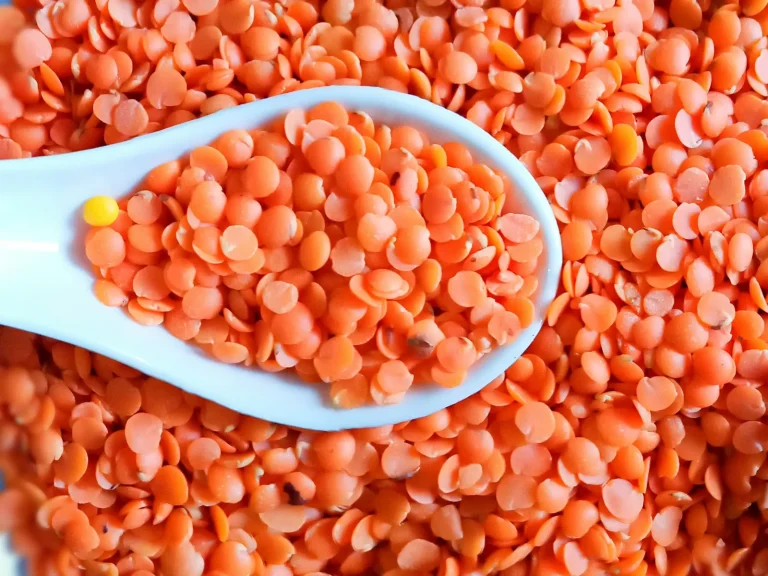
| Iron | Prevents anaemia, supports increased blood volume | Lentils, beans, tofu, fortified cereals |
| Calcium | Bone development | Fortified plant milk, tofu, leafy greens |
| Iodine & omega-3 | Baby’s brain development | Iodised salt, algae-based omega-3 |
Protein needs during pregnancy
Protein requirements genuinely increase as pregnancy progresses, with most current guidance suggesting around 75–85 grams daily by the later stages — roughly 28 grams more than typical non-pregnant needs.
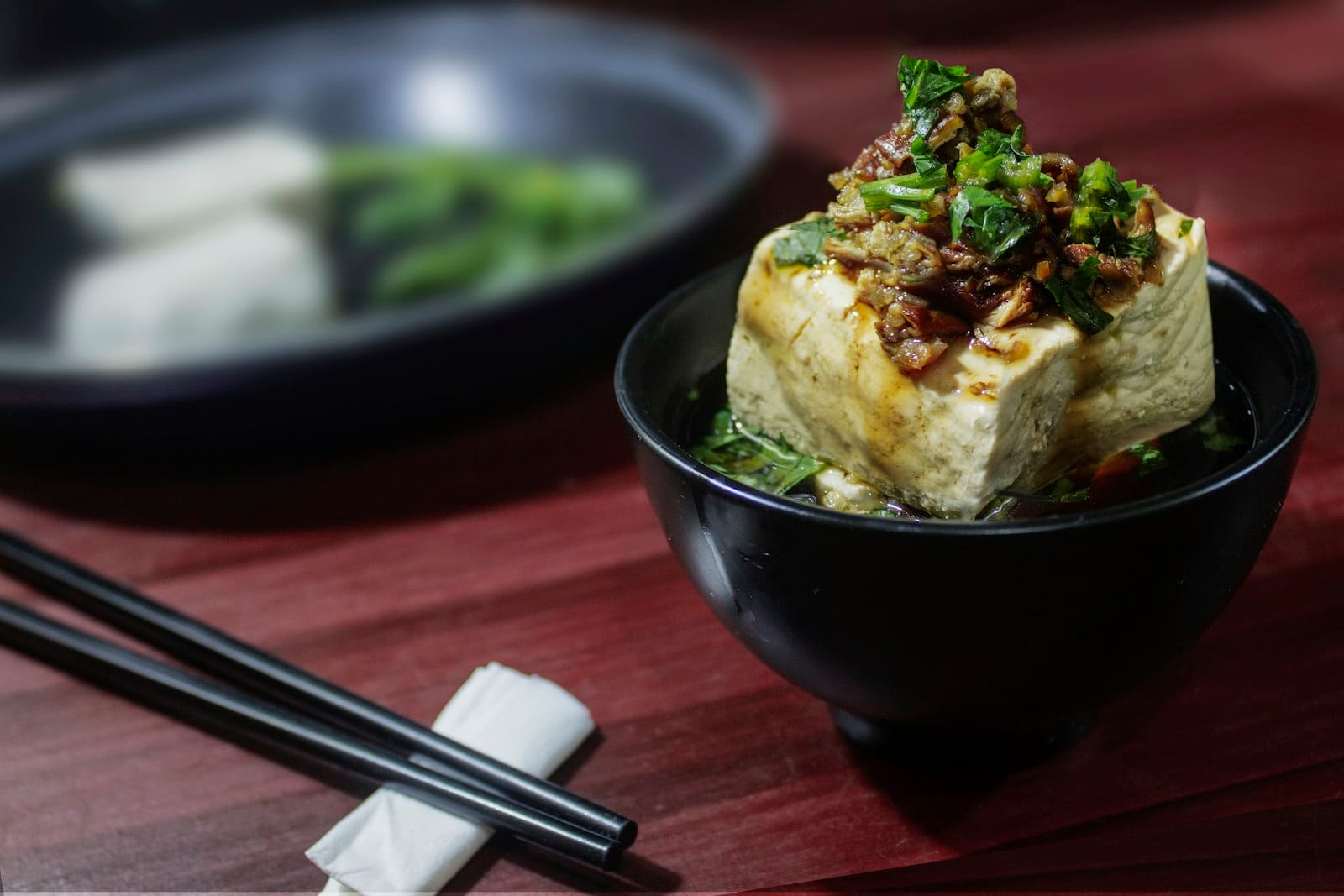
Tofu, seitan, legumes, nuts and whole grains, spread reasonably evenly across meals, make this genuinely achievable without much difficulty. See our guide to vegan protein sources for the fuller picture.
Iron: a nutrient worth watching closely
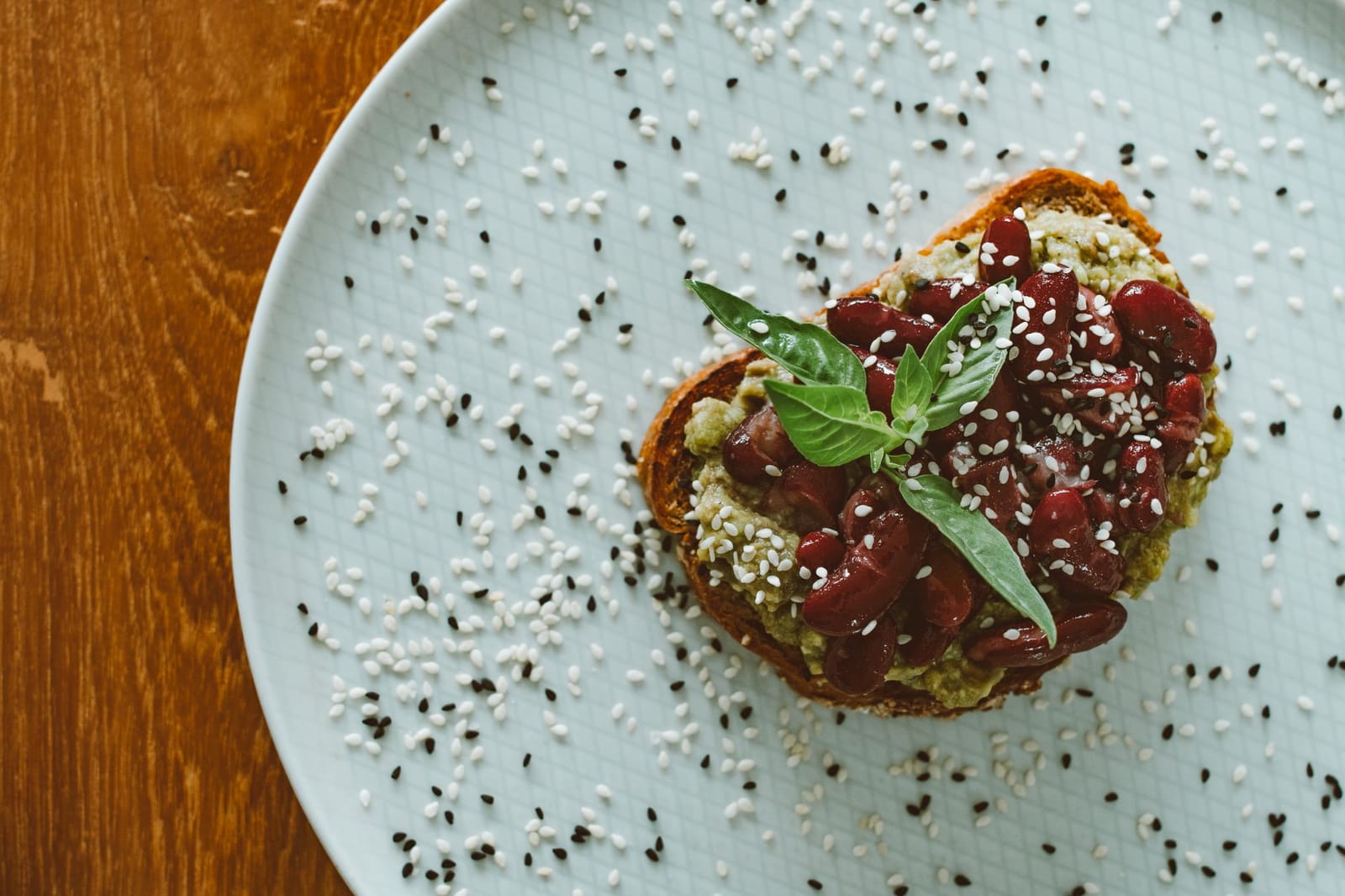
Iron needs increase quite notably during pregnancy to support the body’s expanding blood volume, and plant-based iron (non-haem iron) is absorbed somewhat less efficiently than the iron found in animal products.
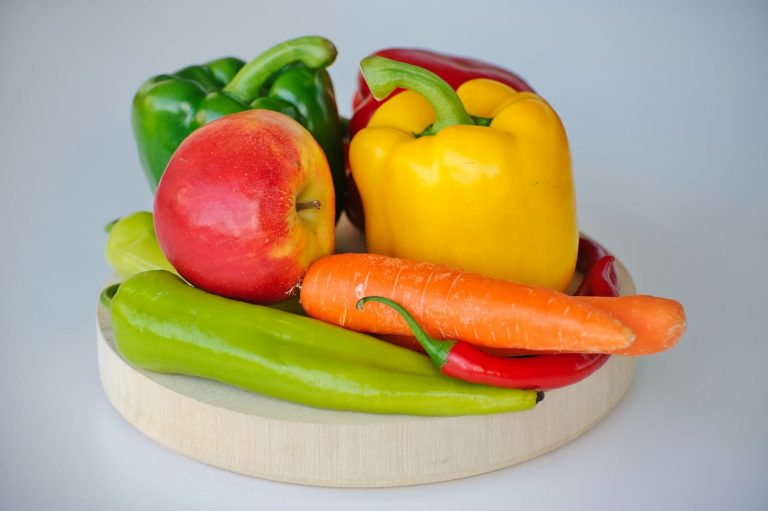
Pairing iron-rich foods like lentils and beans with a source of vitamin C — citrus, capsicum, tomato — meaningfully improves absorption. See our guide to iron-rich vegan foods for practical combinations.
B12: the one that cannot come from plants
Vitamin B12 does not occur naturally in plant foods in any reliable form, making fortified foods and a dedicated supplement essential for any vegan diet, pregnancy or not.
This is one of the most consistently agreed-upon points across vegan nutrition guidance — see our guide to vitamin B12 on a vegan diet for more detail on dosing and sources.
A day of eating, roughly sketched
A well-rounded vegan pregnancy diet does not need to be complicated at all — a few thoughtfully built meals, repeated with variation, genuinely cover most of the important bases.
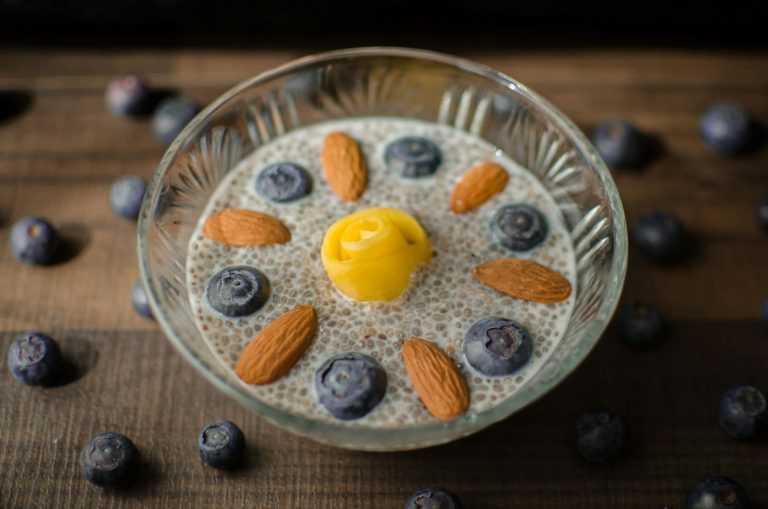
- Breakfast: fortified plant milk with oats, chia seeds and fruit.
- Lunch: a lentil or chickpea salad with leafy greens and a vitamin C-rich dressing.
- Dinner: tofu or tempeh stir-fry with tahini sauce and whole grains.
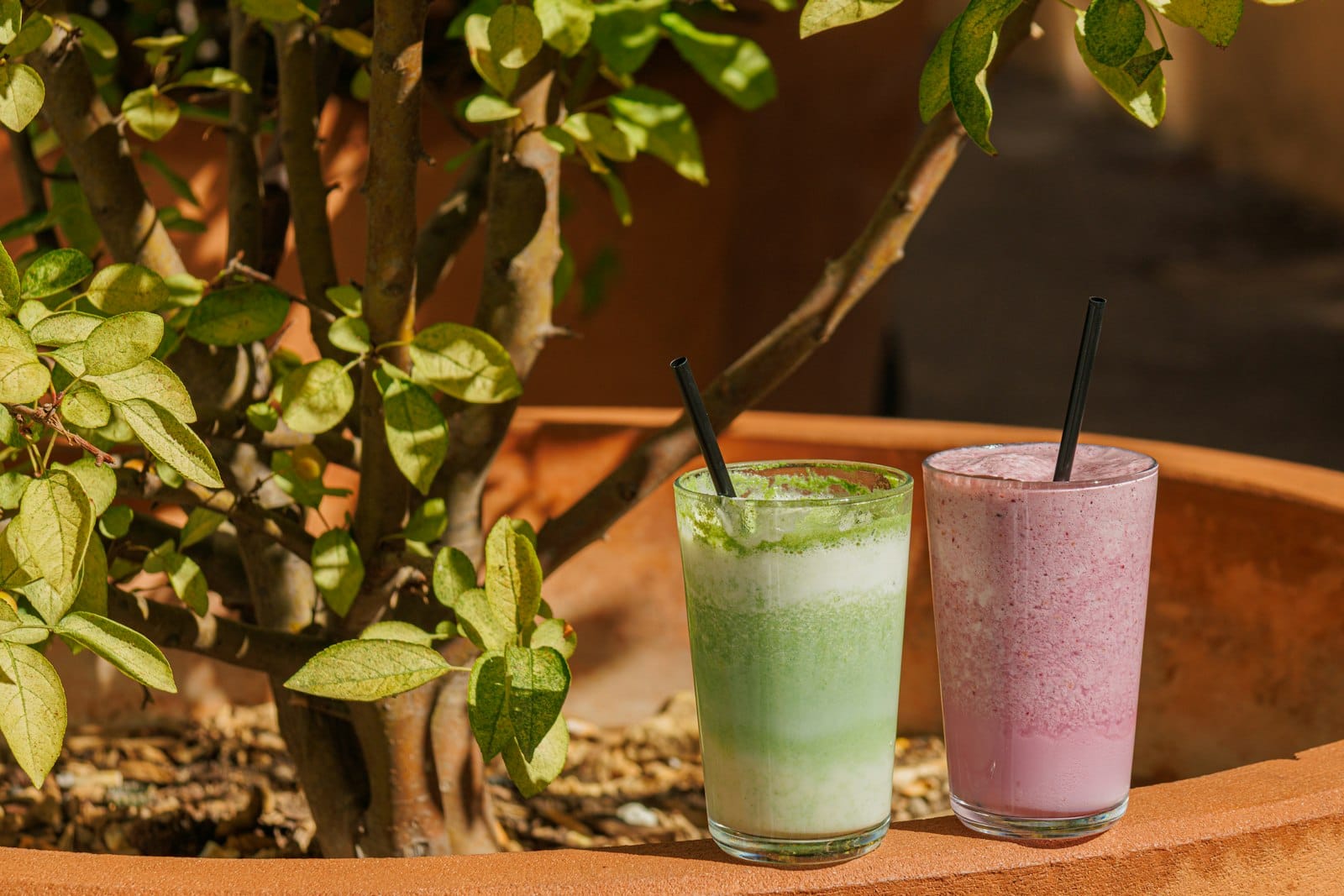
- Snacks: nuts, seeds, hummus with vegetables, or a smoothie with plant yoghurt.
Why a prenatal supplement still matters
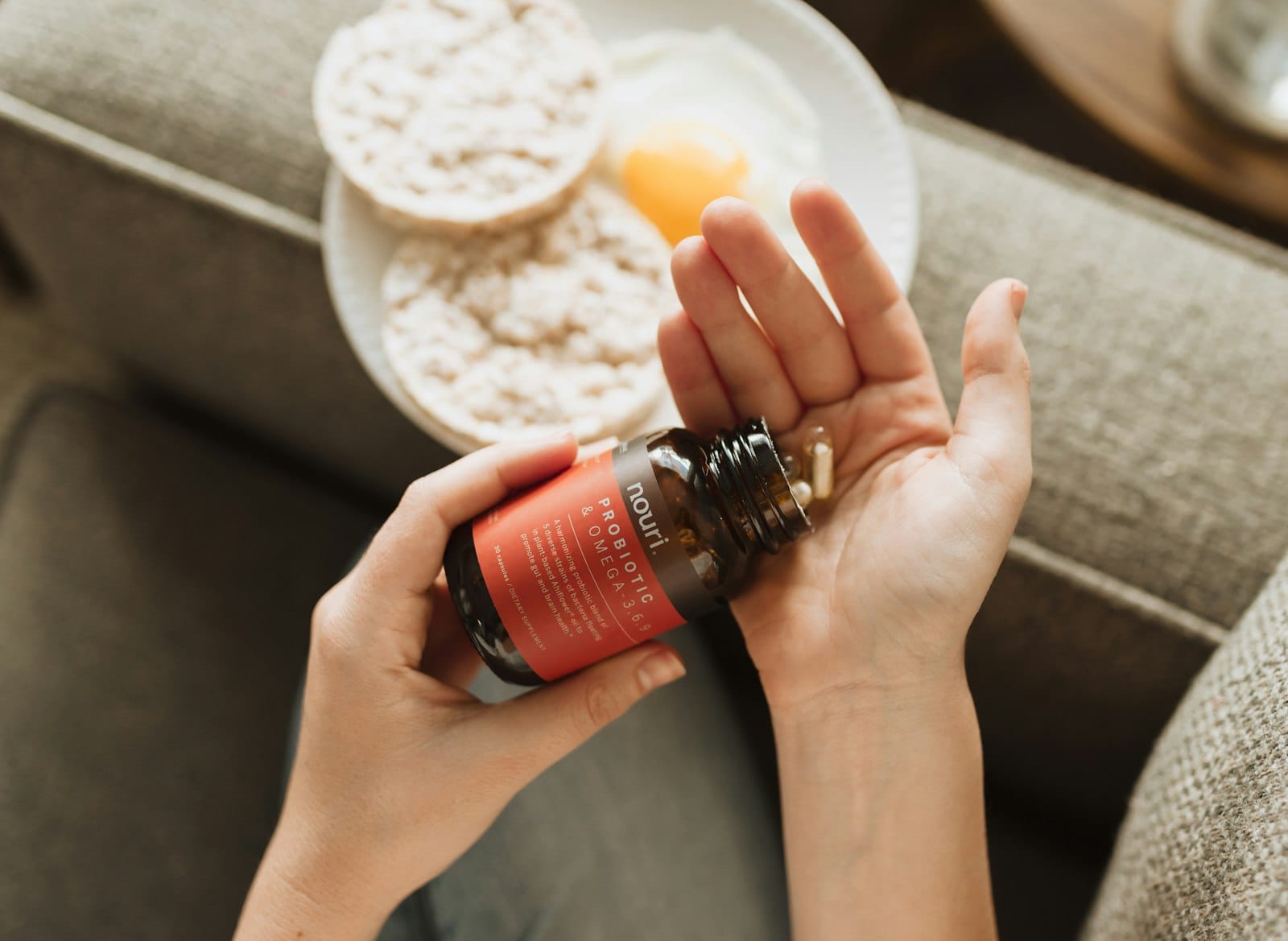
Even with a well-planned diet, a prenatal multivitamin is standard advice for vegan and non-vegan pregnancies alike, typically covering folic acid, iodine, vitamin D and often B12 and iron.
It is worth discussing your specific supplement needs with a doctor early in pregnancy, since individual requirements can vary.
Choline and omega-3: two easy to overlook
Choline, genuinely important for the baby’s brain development, is found in modest amounts in tofu, soy milk and legumes, though vegan diets can run lower in choline overall than diets that include eggs.
Omega-3s, similarly important for brain development, are best obtained on a vegan diet through an algae-based supplement, since plant sources like flax and chia provide a less efficiently converted form.
Common concerns worth addressing early
A few concerns tend to come up repeatedly for anyone considering, or already navigating, a vegan pregnancy, and most of them have a genuinely straightforward answer once explained properly.
Nausea in the first trimester can make it genuinely harder to eat a varied diet, so it is worth not being too hard on yourself if meals look less balanced during that period — whatever stays down consistently is the priority, and variety can be rebuilt as symptoms ease. Weight gain expectations are the same for vegan and non-vegan pregnancies alike, and a well-planned plant-based diet supports healthy gestational weight gain just as effectively.
Meal planning as pregnancy progresses
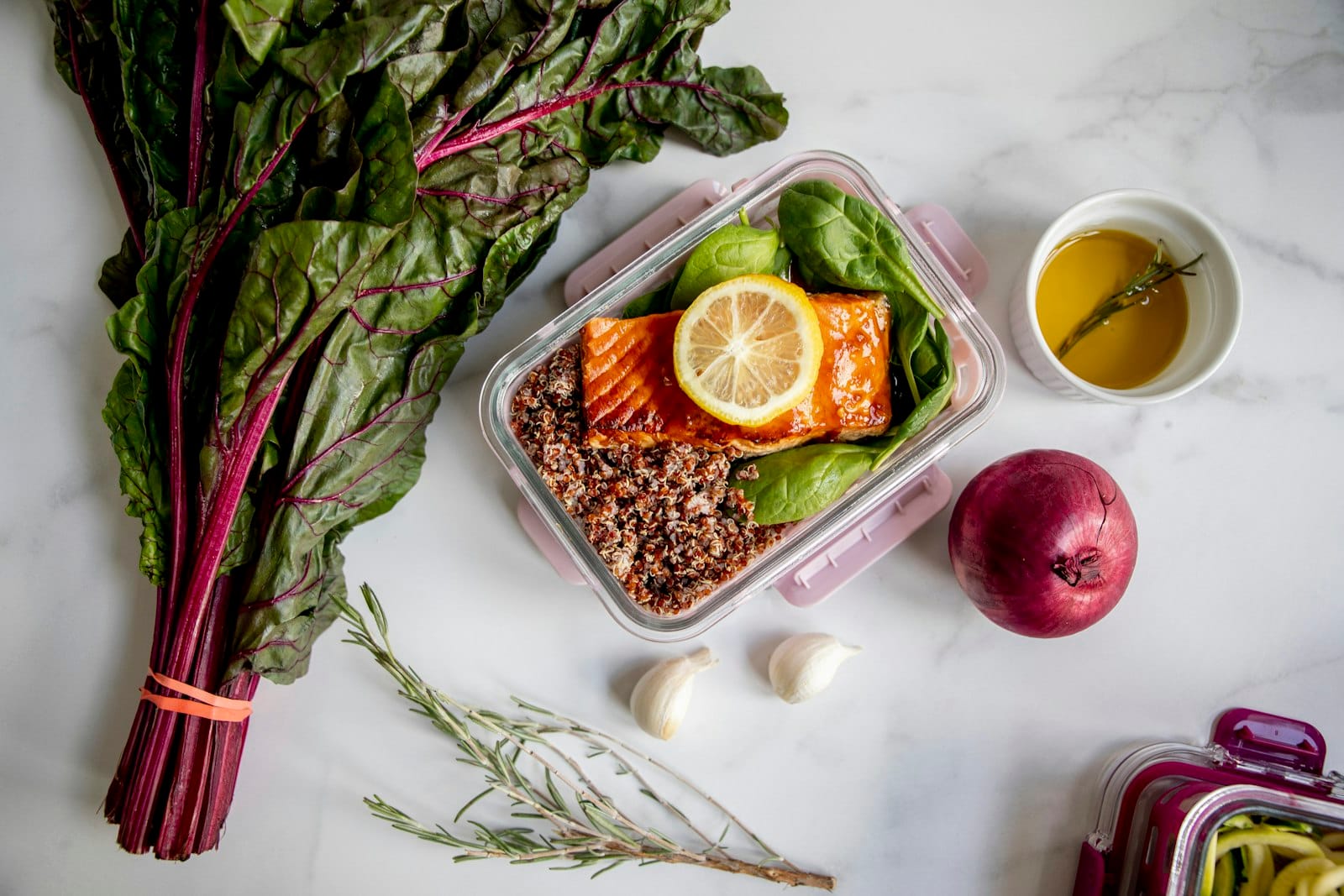
Nutritional needs and appetite both shift noticeably across pregnancy, so it is worth genuinely revisiting your meal plan each trimester rather than assuming the same approach works all the way through.
Simple, batch-prepared meals become particularly useful in the later stages, when cooking motivation and energy can dip — see our guide to vegan meal prep for practical strategies.
Working with a professional
A dietitian familiar with vegan nutrition can help confirm your specific diet is genuinely meeting the needs of your particular pregnancy, especially in the first trimester when nutritional demands first begin noticeably shifting.
This guide is general information, not medical advice — always check any significant dietary decision with your own healthcare provider.
A pregnancy that can absolutely thrive plant-based
With a bit of genuine attention to the nutrients that need it most, a vegan pregnancy can be just as well-nourished as any other — the planning simply needs to be a little more deliberate and consistent.
Browse our full plant-based menu at The Cardamom Pod, or book a table at The Brickworks in Southport for a nourishing meal out.
For detailed nutritional guidance specific to vegan pregnancy, The Vegan Society’s pregnancy and breastfeeding nutrition guide is a thorough, dietitian-reviewed resource.
A little planning goes a long way
None of this needs to feel overwhelming — a few consistent habits around B12, iron, calcium and a good prenatal supplement cover most of what matters.
Talk to your care team, eat a varied diet, and trust that plant-based pregnancy nutrition is genuinely well-supported by the evidence, provided the fundamentals in this guide are covered consistently.
Pregnancy is demanding enough without added dietary stress — a reasonably varied plate, a good prenatal supplement and regular check-ins with your care team really do cover the essentials.
Frequently asked questions
Is it safe to be vegan during pregnancy?
Major health bodies agree that a well-planned vegan diet can meet nutritional needs throughout pregnancy, provided key nutrients like B12, iron, calcium, omega-3 and iodine are specifically accounted for.
How much protein do vegans need during pregnancy?
Most guidance suggests around 75–85 grams of protein daily by later pregnancy, achievable through tofu, legumes, seitan, nuts and whole grains spread across meals.
Does a vegan pregnancy diet need supplements?
Almost always yes — a prenatal multivitamin covering B12, iron, iodine and vitamin D is standard advice for vegan and non-vegan pregnancies alike, and worth discussing with a doctor early on.
What are the most important nutrients to watch during a vegan pregnancy?
B12, iron, calcium, iodine, choline and omega-3 fatty acids deserve particular attention, since they are either absent or harder to obtain in sufficient amounts from plants alone.
Should I see a dietitian during a vegan pregnancy?
It is a genuinely good idea, particularly in the first trimester, to make sure your specific diet is covering everything needed for that stage of pregnancy.
Keep exploring
For more, read our guides to vitamin B12 on a vegan diet, iron-rich vegan foods, and vegan calcium: sources and how much you need.