Omega-3 is one of the more genuinely nuanced nutrition questions on a vegan diet — not because plant sources do not exist, but because understanding which type of omega-3 you are getting actually matters.
This guide covers the different types of omega-3, where to find them as a vegan, and how to think about supplementation.
It is worth approaching this one with a bit more nuance than iron or B12 — the answer genuinely depends on your individual needs, not a single blanket recommendation.
Why omega-3 matters
Omega-3 fatty acids play an important role in heart health, brain function and reducing inflammation throughout the body.
DHA in particular is a major structural component of the brain and retina, which is part of why it gets singled out so often in nutrition advice, especially around pregnancy and early childhood development.
The three types of omega-3, explained
Not all omega-3 is the same, and understanding the difference is the key to this whole topic.
| Type | Main role | Plant sources |
|---|---|---|
| ALA (alpha-linolenic acid) | Precursor, some conversion to EPA/DHA | Flaxseed, chia, hemp, walnuts |
| EPA (eicosapentaenoic acid) | Anti-inflammatory support | Algae oil (direct source) |
| DHA (docosahexaenoic acid) | Brain and eye health | Algae oil (direct source) |
Why conversion matters
The body can convert some ALA into EPA and DHA, but the process is genuinely inefficient — typically around 5 to 10 percent conversion to EPA, and often less than 1 percent to DHA.
That is exactly why relying on ALA-rich foods alone may not fully cover EPA and DHA needs, particularly for anyone with higher requirements, such as during pregnancy or for specific health conditions.
The best vegan ALA sources
A handful of plant foods provide genuinely meaningful amounts of ALA.
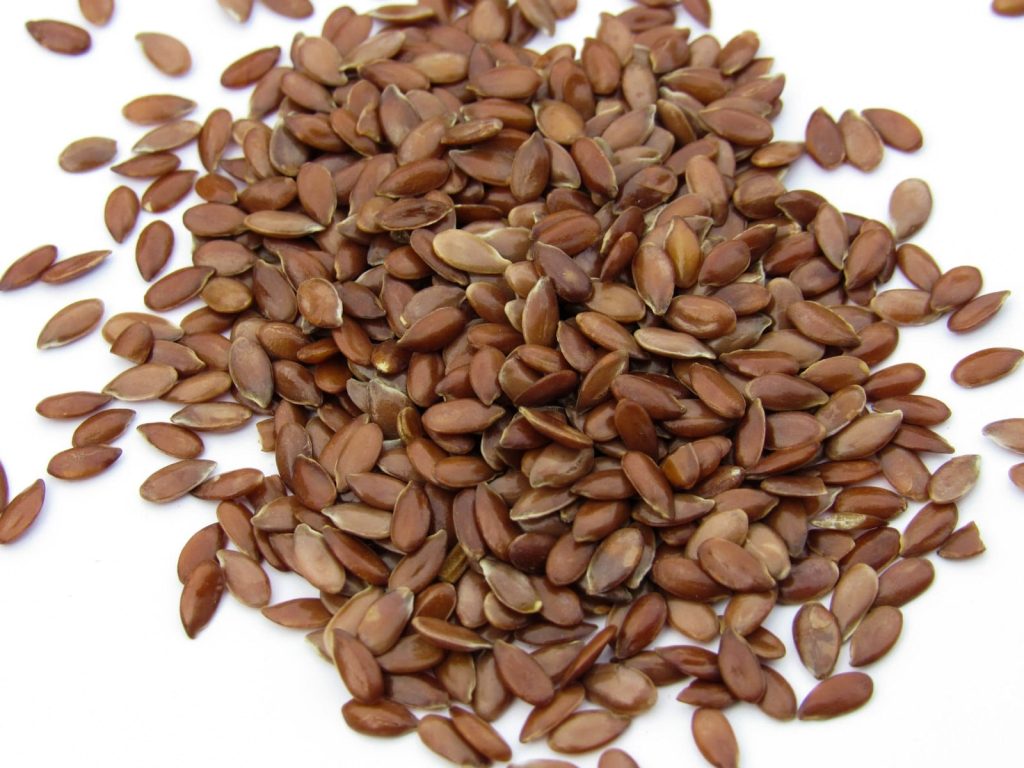
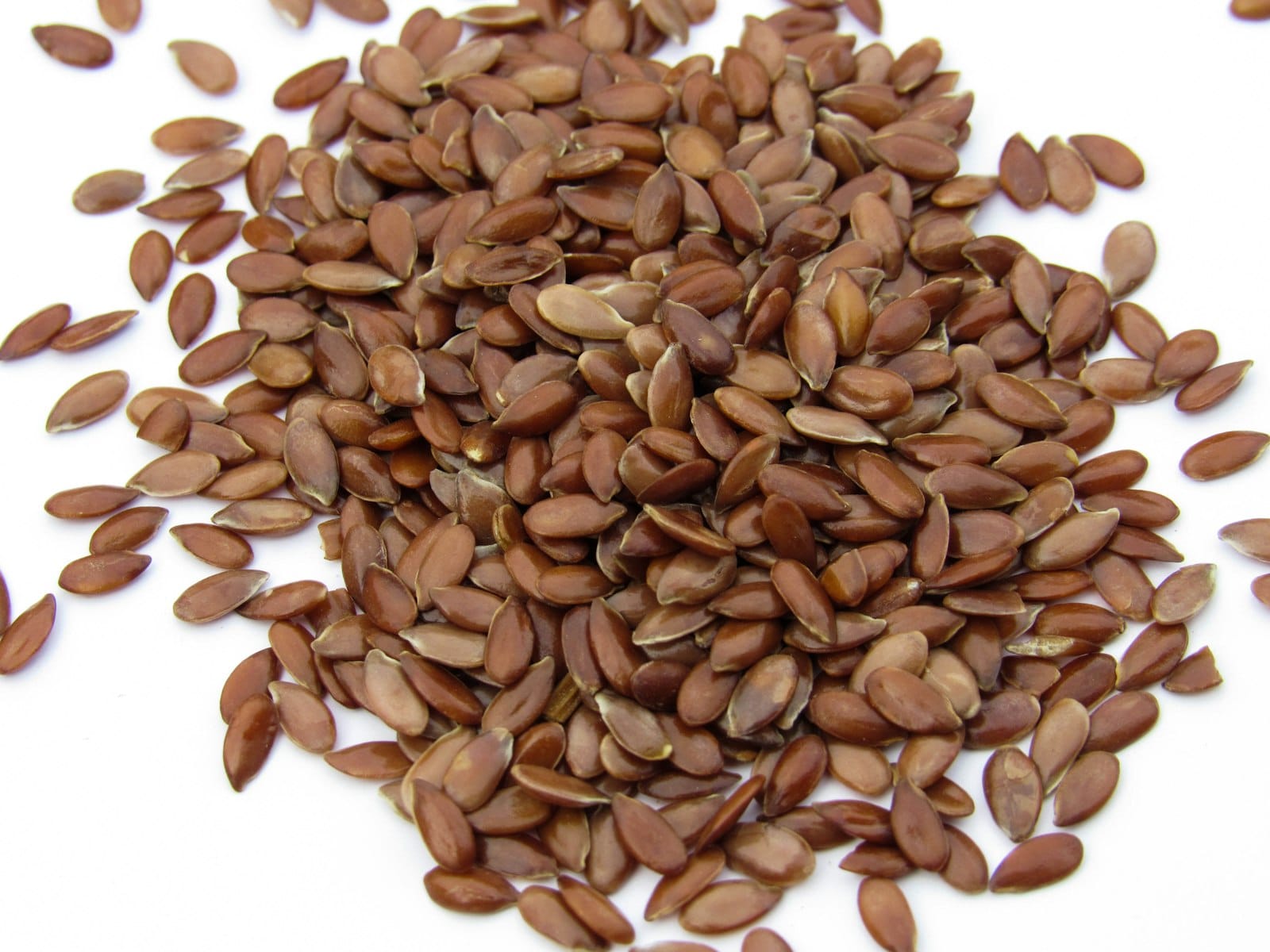
- Flaxseed & flaxseed oil — among the richest plant sources, up to 73% polyunsaturated fat.
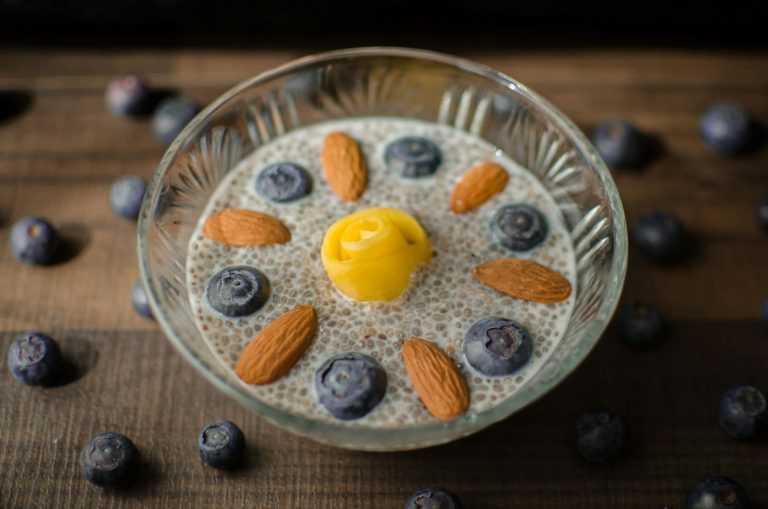
- Chia seeds — a convenient, easy-to-add source.
- Hemp seeds — a good balance of omega-3 and omega-6.
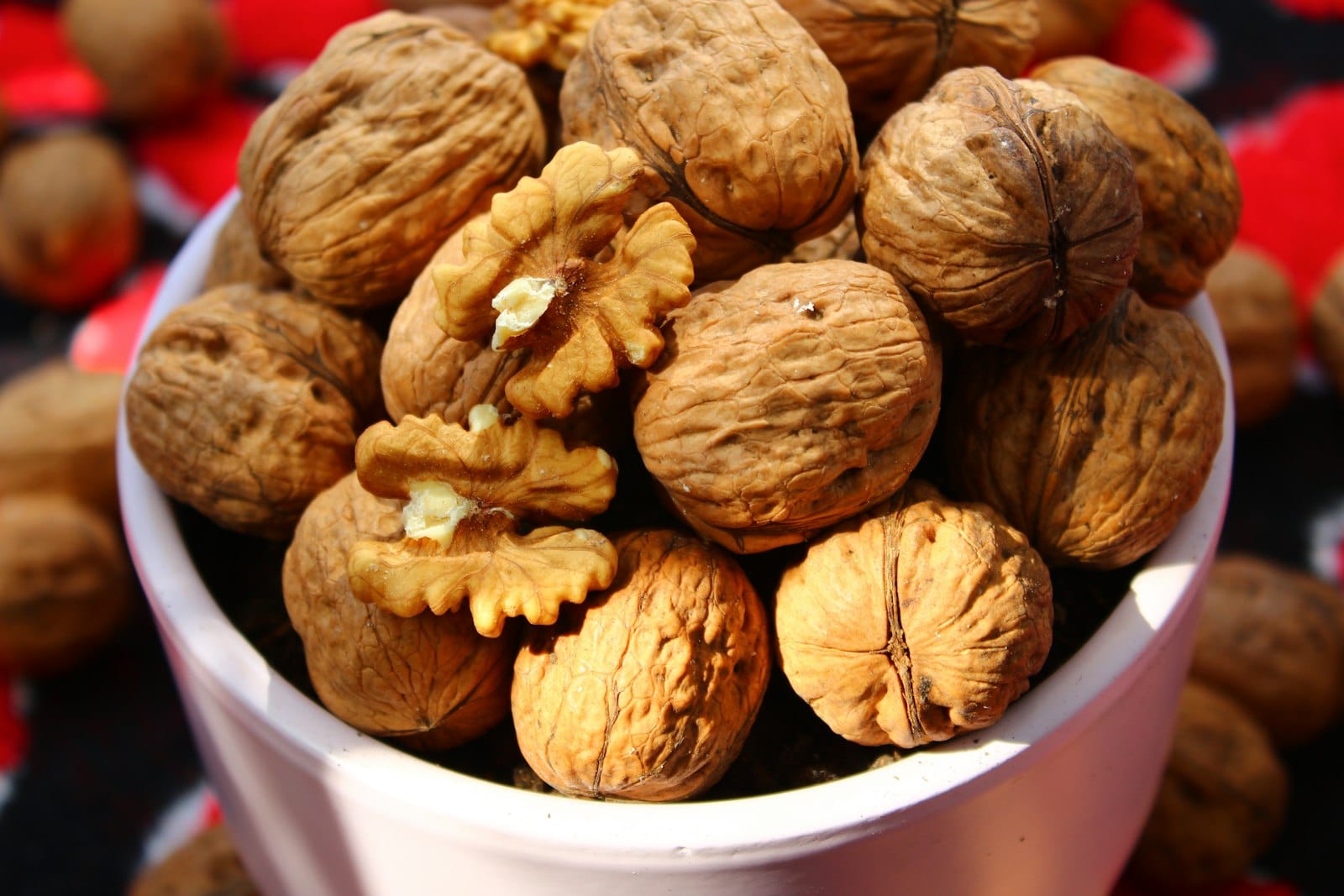
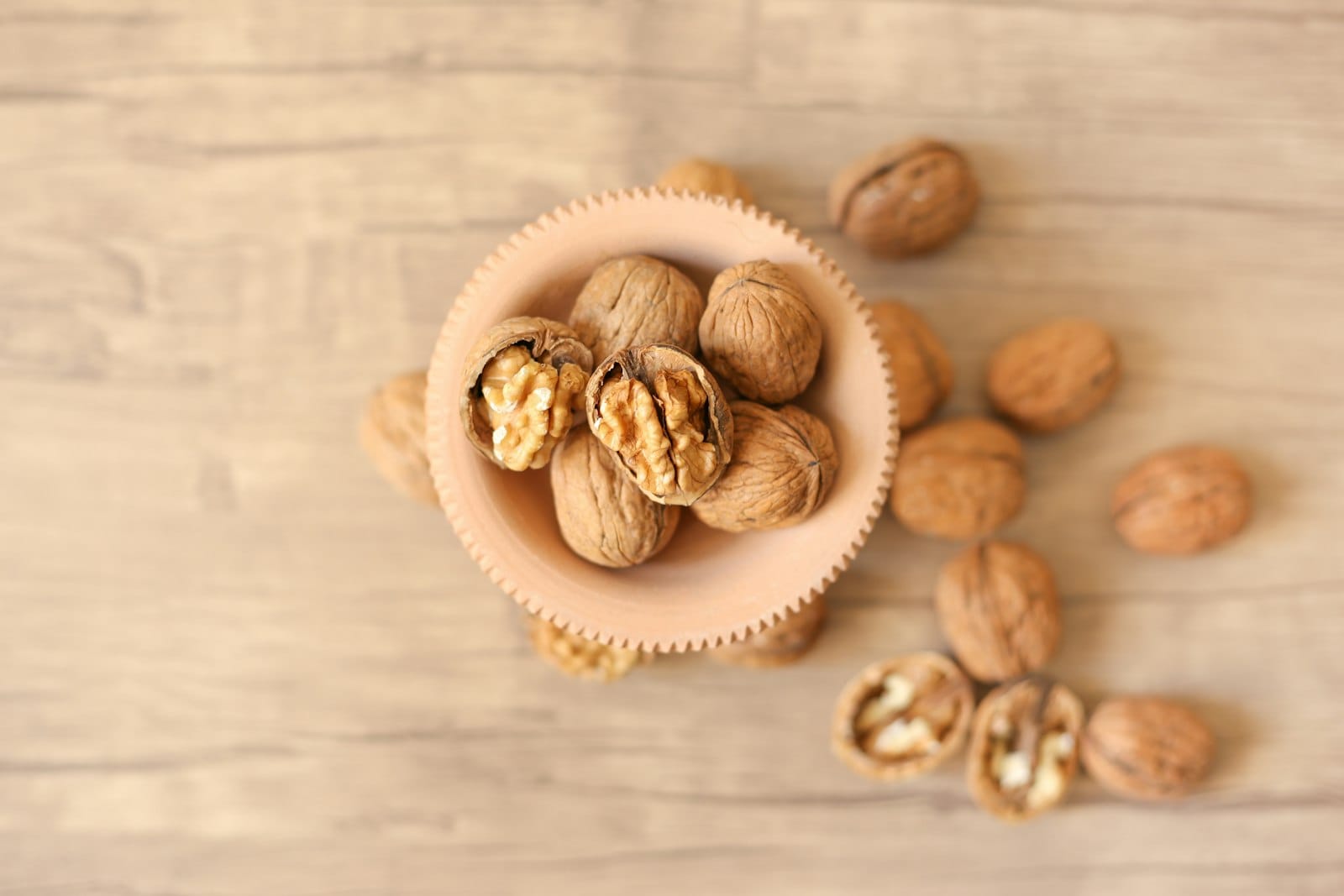
- Walnuts — a satisfying snack with a solid ALA contribution.
Reading supplement labels carefully
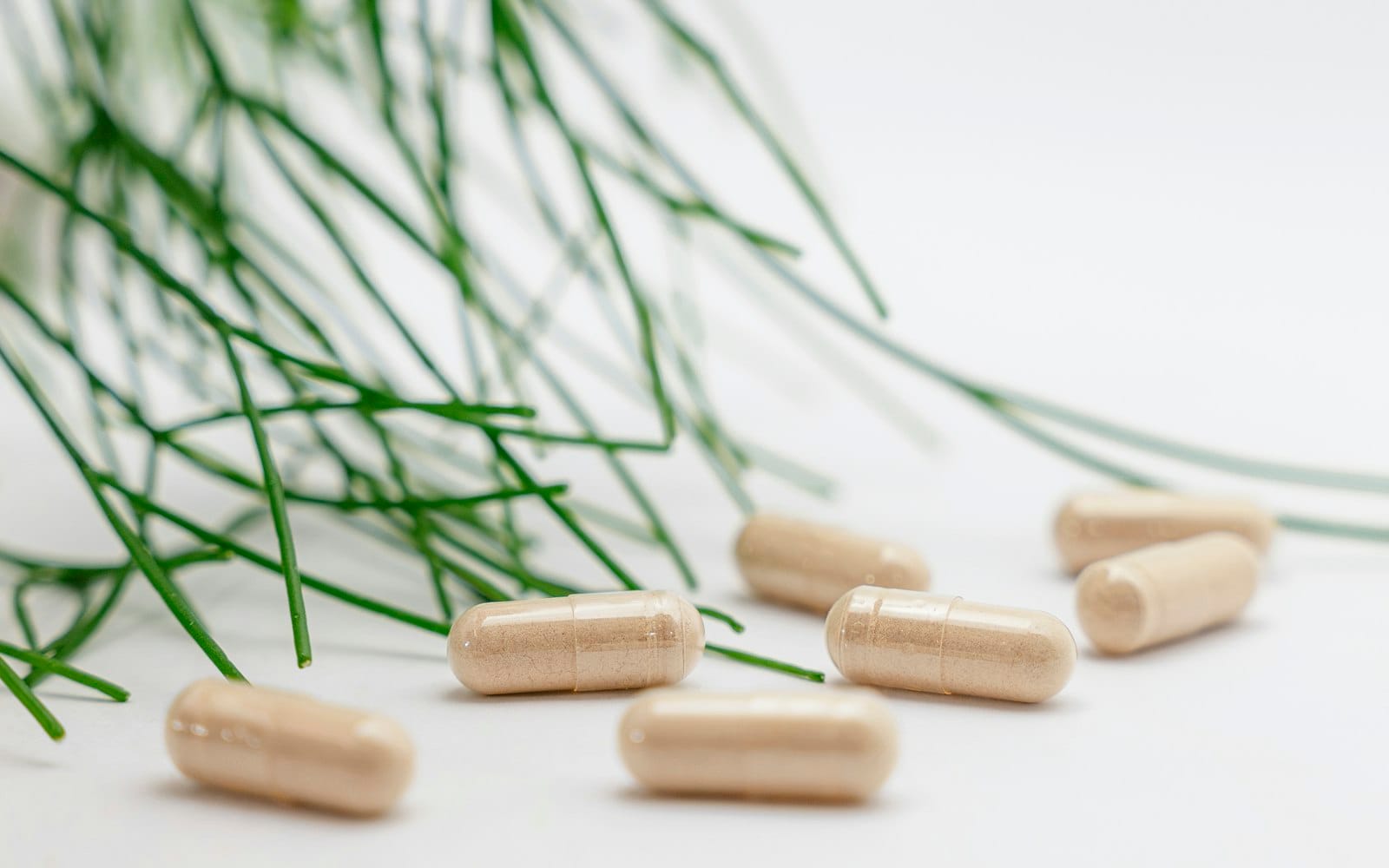
When shopping for an algae-based omega-3 supplement, checking the actual EPA and DHA content per serving matters more than the total omega-3 figure on the front of the bottle.
Some products dilute their active EPA/DHA content considerably, so a quick look at the supplement facts panel is worth the extra thirty seconds before buying.
Getting EPA and DHA directly
Given the low conversion rate from ALA, algae oil stands as the most reliable direct vegan source of both EPA and DHA.
Algae is, notably, the original source of omega-3 in the marine food chain — fish accumulate their omega-3 by eating algae, which means an algae-based supplement is going straight to the actual source rather than relying on an intermediary.
Timing and absorption tips
Omega-3, whether from ground flaxseed, chia or an algae supplement, is fat-soluble, which means it absorbs better when eaten alongside some dietary fat rather than on its own.
Stirring ground flaxseed into a smoothie with nut butter, or taking an algae supplement with a meal that contains some healthy fat, is a small habit that helps your body actually make use of what you are eating rather than passing it through unused.
Omega-3 vs omega-6 balance
Omega-3 does not exist in isolation — the ratio between omega-3 and omega-6 fats in your overall diet matters too, since both compete for the same conversion pathways in the body.
Modern diets, plant-based or not, tend to be heavy in omega-6 from vegetable oils and processed foods, which can make omega-3 conversion even less efficient. Being mindful of this balance, rather than fixating on omega-3 alone, gives a fuller picture.
A quick note on cost
Algae-based omega-3 supplements have become considerably more affordable and widely available over the past few years, so the barrier to adding one is genuinely lower than it used to be.
Seaweed: an often-overlooked source
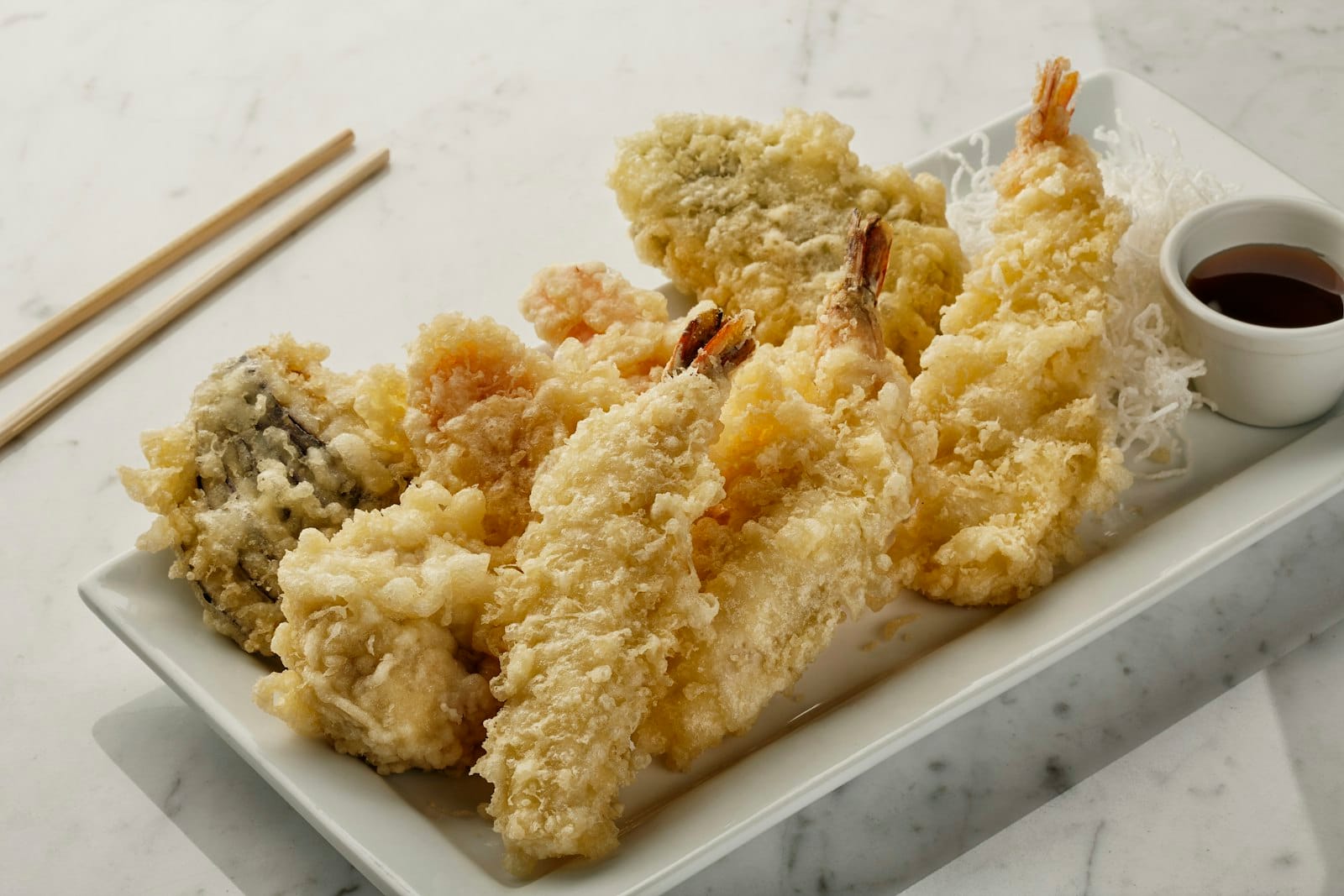
Seaweed offers a smaller but genuine contribution of omega-3, alongside a useful dose of iodine and other minerals.
It is not a substitute for an algae supplement if you need higher amounts, but working seaweed into your diet through dishes like nori-wrapped rolls or a seaweed salad is a pleasant, food-based way to add a little more.
Who should pay closer attention
While the general guidance above suits most people, a few groups have good reason to be more deliberate about omega-3 intake specifically.
Pregnant and breastfeeding people, given DHA’s role in foetal and infant brain development, are typically advised to prioritise a reliable algae-based source. Anyone managing an inflammatory condition, or simply eating very little in the way of seeds and nuts day to day, may also benefit from being more intentional here rather than assuming a varied diet automatically covers it.
Should you supplement?
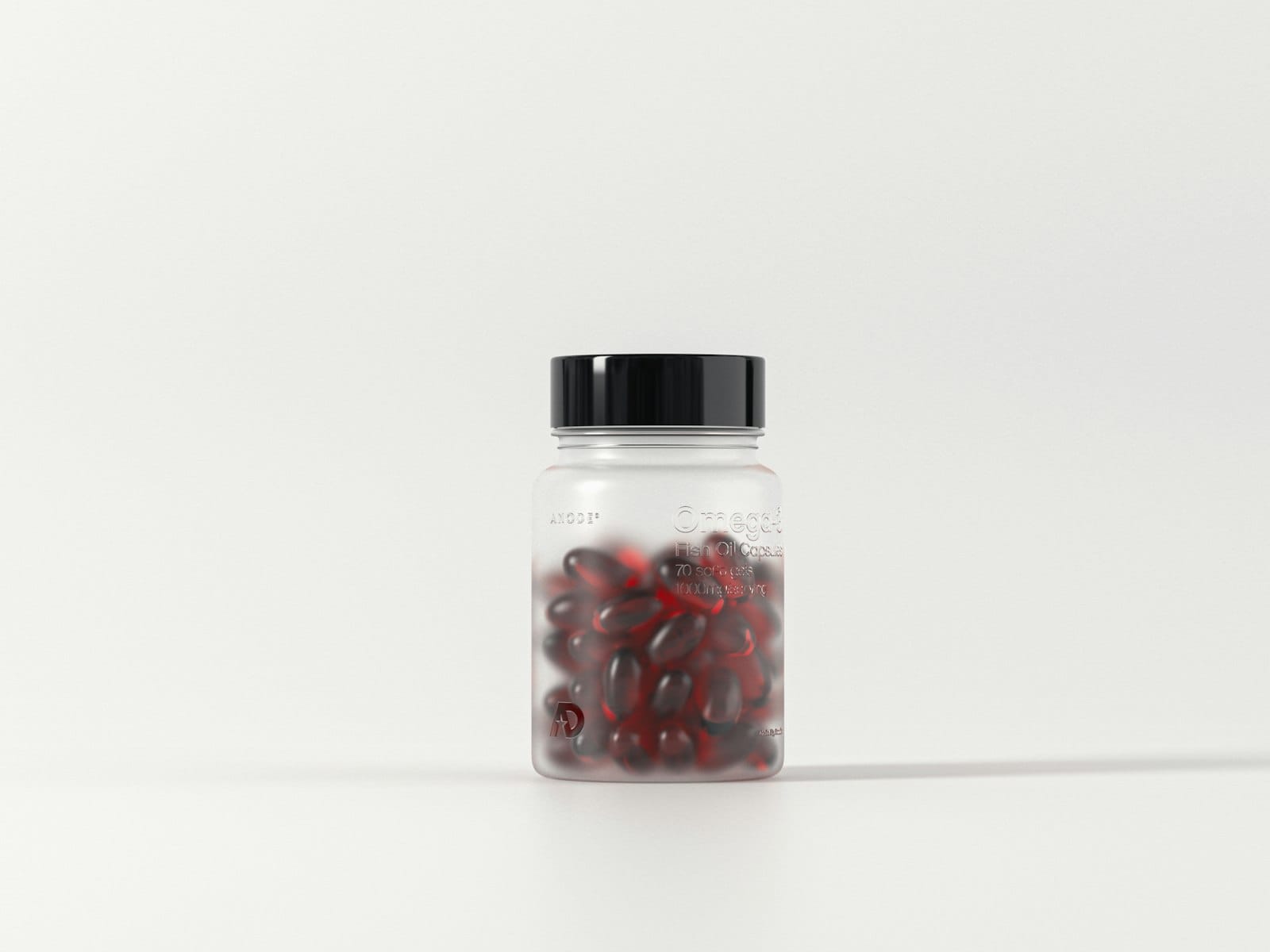
Whether a supplement is worth it depends on your individual needs, but for many vegans, an algae-based EPA/DHA supplement is a sensible, low-effort way to close the gap that ALA conversion alone may not cover.
According to Harvard’s Nutrition Source on omega-3 fats, algae-based supplements are a genuinely well-supported option for anyone wanting a direct, reliable EPA and DHA source without fish.
Building omega-3 into your routine
A simple, sustainable approach covers most bases without requiring much thought.
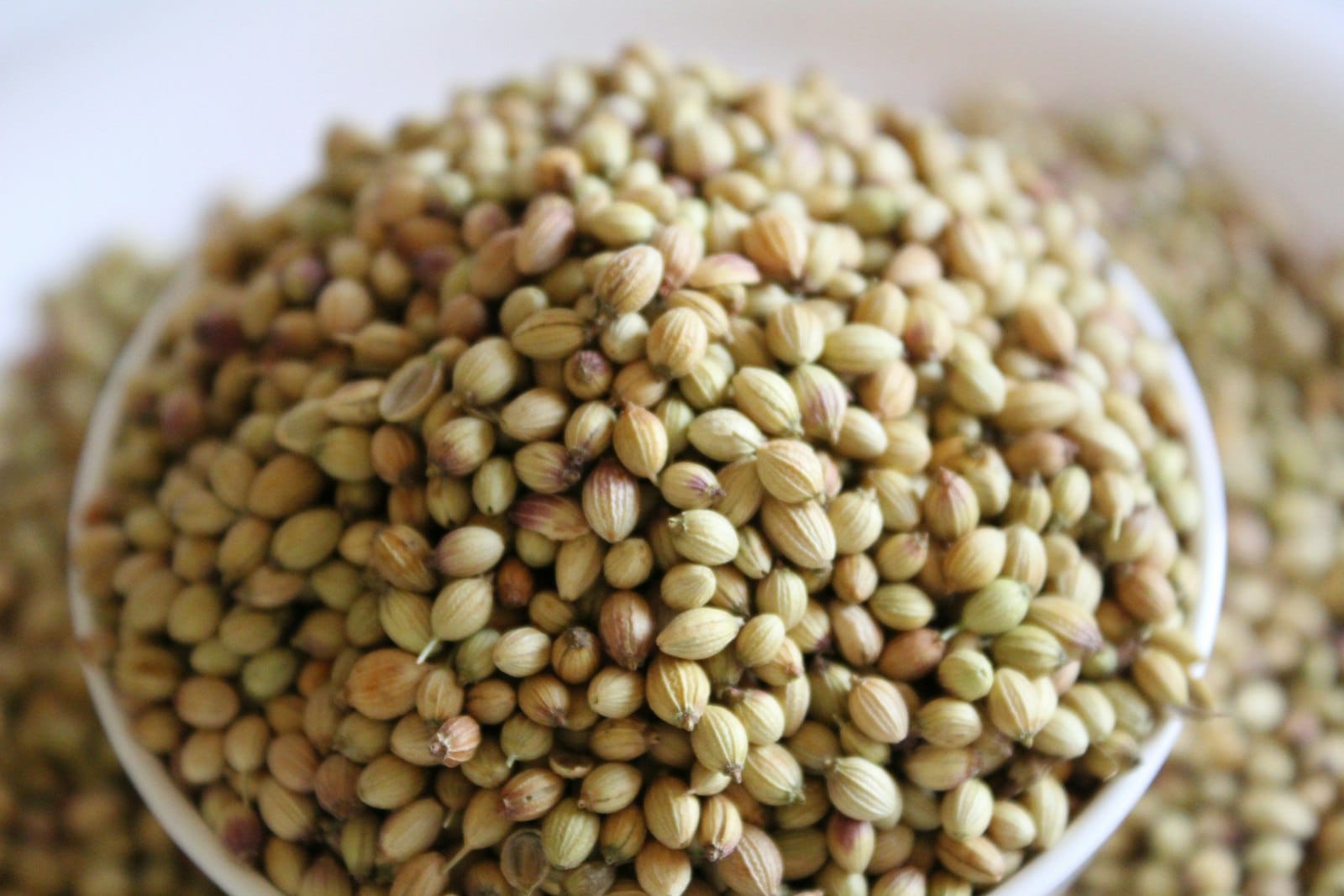
A tablespoon of ground flaxseed or chia most days, a small handful of walnuts a few times a week, and an algae supplement if you want the added assurance of direct EPA and DHA — together, that is a genuinely solid foundation.
A nutrient worth understanding properly
Omega-3 on a vegan diet is not complicated once you understand the distinction between ALA and the direct EPA/DHA sources — it just takes a little more intentionality than eating oily fish.
For the fuller nutritional picture, see our guides to iron-rich vegan foods and vegan calcium sources. Browse our full plant-based menu, or book a table.
A nutrient worth getting right
Of all the nutrients worth planning around on a vegan diet, omega-3 is one where a little extra attention genuinely pays off.
A few consistent habits — seeds, nuts, and an algae supplement if needed — cover it well without much ongoing effort.
Build the habit once, and it becomes a permanent, low-effort part of how you eat.
Frequently asked questions
Can vegans get enough omega-3?
Yes, with a bit of planning. Flaxseed, chia and walnuts provide ALA omega-3, while algae-based supplements provide direct EPA and DHA, the two forms otherwise mainly found in fish.
What is the difference between ALA, EPA and DHA?
ALA is a plant-based omega-3 found in seeds and nuts, while EPA and DHA are typically found in fish and algae. The body can convert some ALA into EPA and DHA, though the conversion rate is low.
Do vegans need an omega-3 supplement?
Many health authorities recommend an algae-based EPA/DHA supplement for vegans, since ALA conversion alone may not be sufficient, particularly for those with higher needs.
What are the best vegan omega-3 sources?
Flaxseed and flaxseed oil, chia seeds, hemp seeds, walnuts and algae oil are the main reliable plant-based sources.
Does The Cardamom Pod include omega-3 rich ingredients?
Ingredients like nuts and seeds feature across parts of our menu, though we would encourage anyone with specific dietary targets to check individual dishes directly with us.
Keep exploring
For more, read our guides to vegan calcium sources, iron-rich vegan foods, and vitamin B12 on a vegan diet.