Lentils are about as reliable as plant-based cooking gets — cheap, quick-cooking, and genuinely versatile across cuisines from Indian dal to French-style salads.
This guide covers what lentils offer nutritionally, the different types available, and how to cook and store each one properly for best results.
They are one of the easiest ways to build a hearty, protein-rich meal without much planning ahead.
Why lentils are such a useful staple
Unlike most dried legumes, lentils need no pre-soaking and cook relatively quickly, which makes them one of the most genuinely convenient plant proteins to keep permanently stocked in any kitchen.
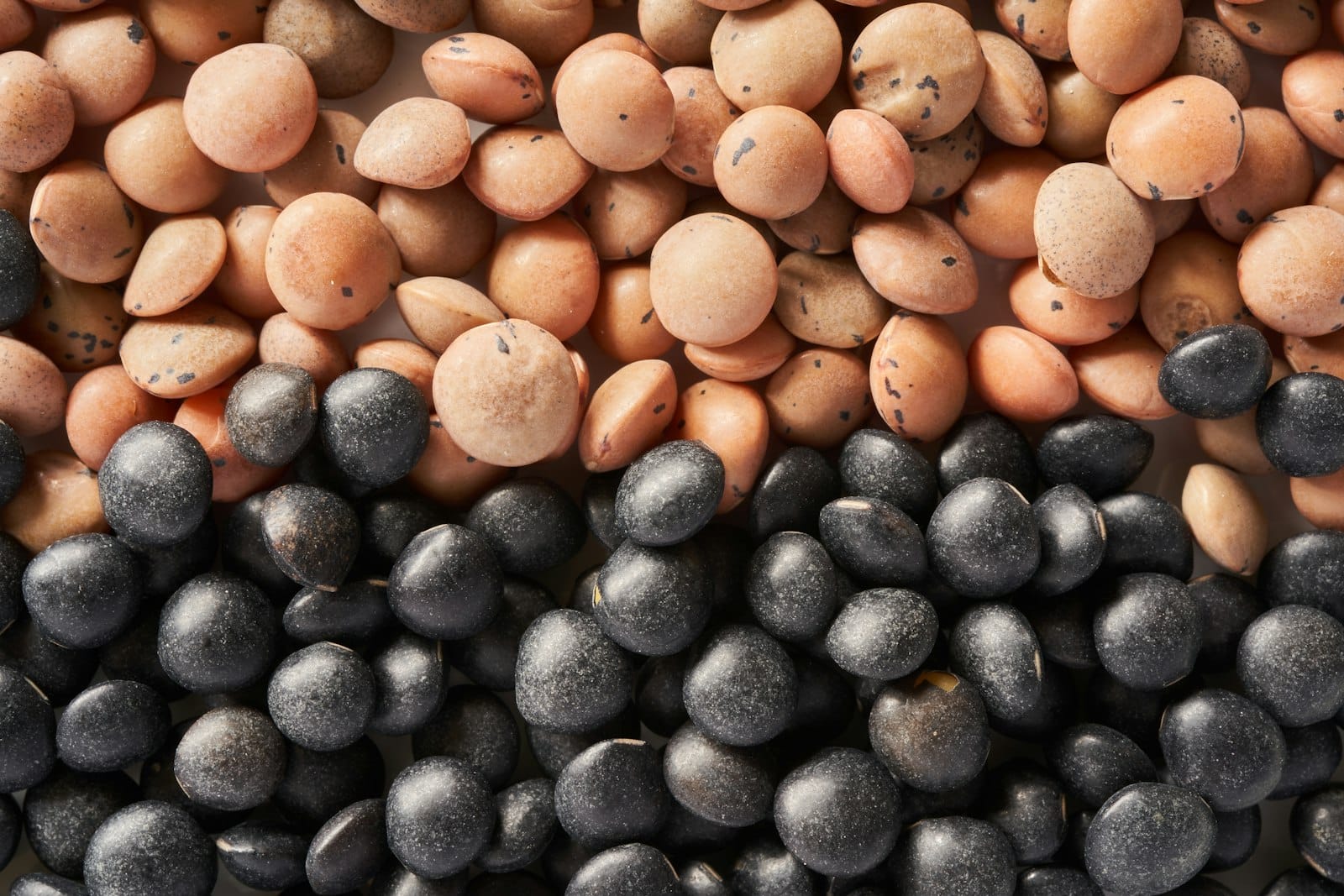
They also come in enough varieties — brown, green, red, yellow, black — that a single pantry staple can genuinely cover soups, curries, salads and dips without much repetition at all.
What lentils offer nutritionally
Roughly a quarter of the calories in lentils come from protein, alongside a substantial dose of fibre and a range of minerals.
| Nutrient | Why it matters |
|---|---|
| Protein | A hearty, plant-based protein source |
| Fibre | Supports digestion and helps you feel full |
| Iron | Useful plant-based iron, best paired with vitamin C |
| Folate & potassium | Supports overall metabolic health |
Whole vs split lentils
The main practical distinction when cooking lentils is whether they are whole or split, and it changes how they behave in a pot.
Whole lentils keep their seed coat and hold their shape once cooked, which makes them well suited to salads, burgers or dishes where texture matters. Split lentils, stripped of that coat, cook faster and break down more, making them ideal for dals, soups and dips.
How to cook lentils
The basic method is straightforward across most varieties.
- Rinse lentils and pick through for any debris — no soaking needed.
- Cover with water or stock, roughly double the volume of lentils.
- Bring to a boil, then reduce to a simmer and cover.
- Cook 15–20 minutes for split lentils, 25–40 minutes for whole varieties, until tender.
A simple dal, from scratch
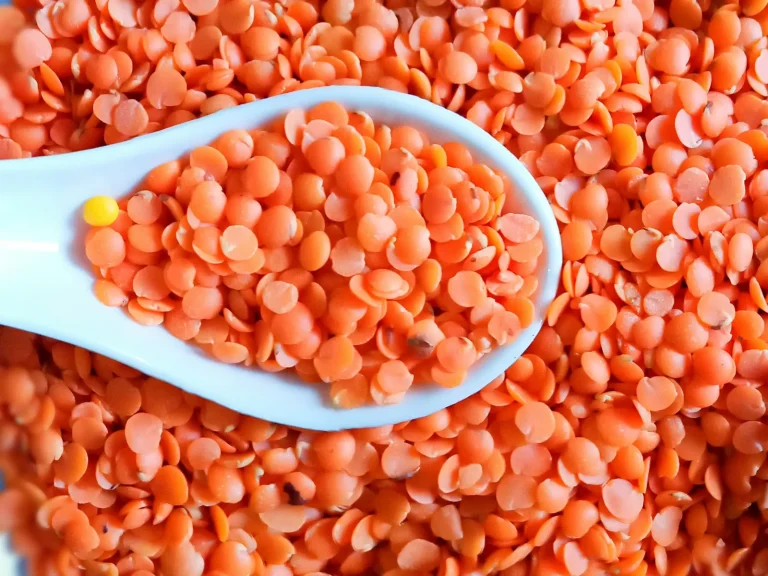
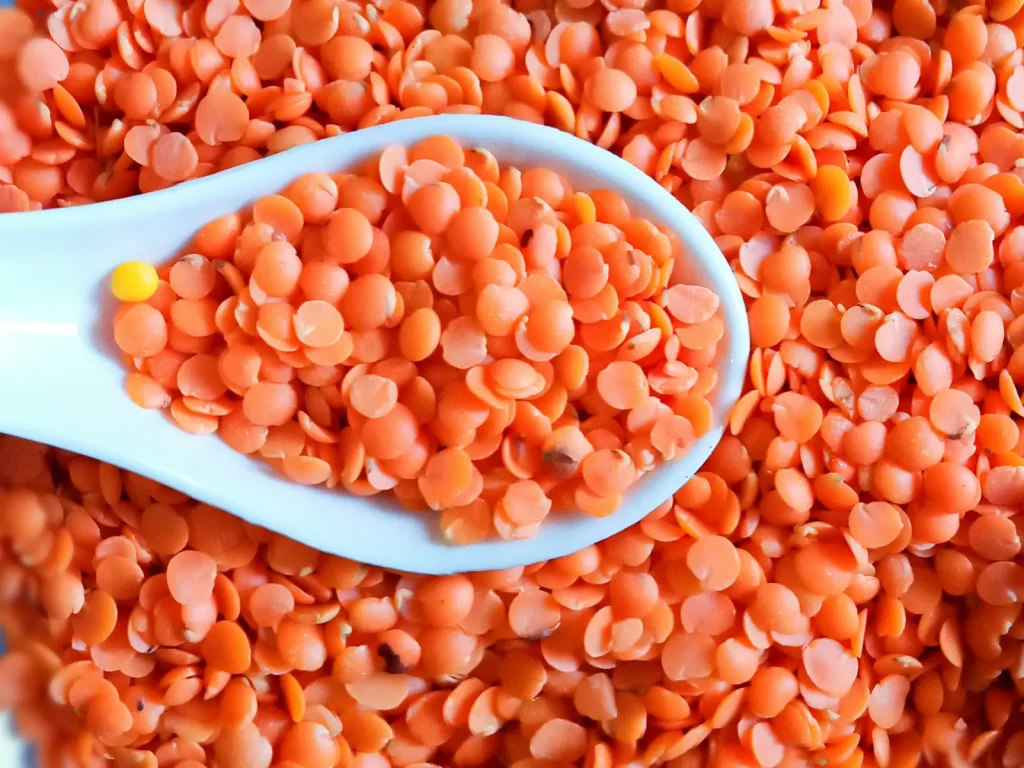
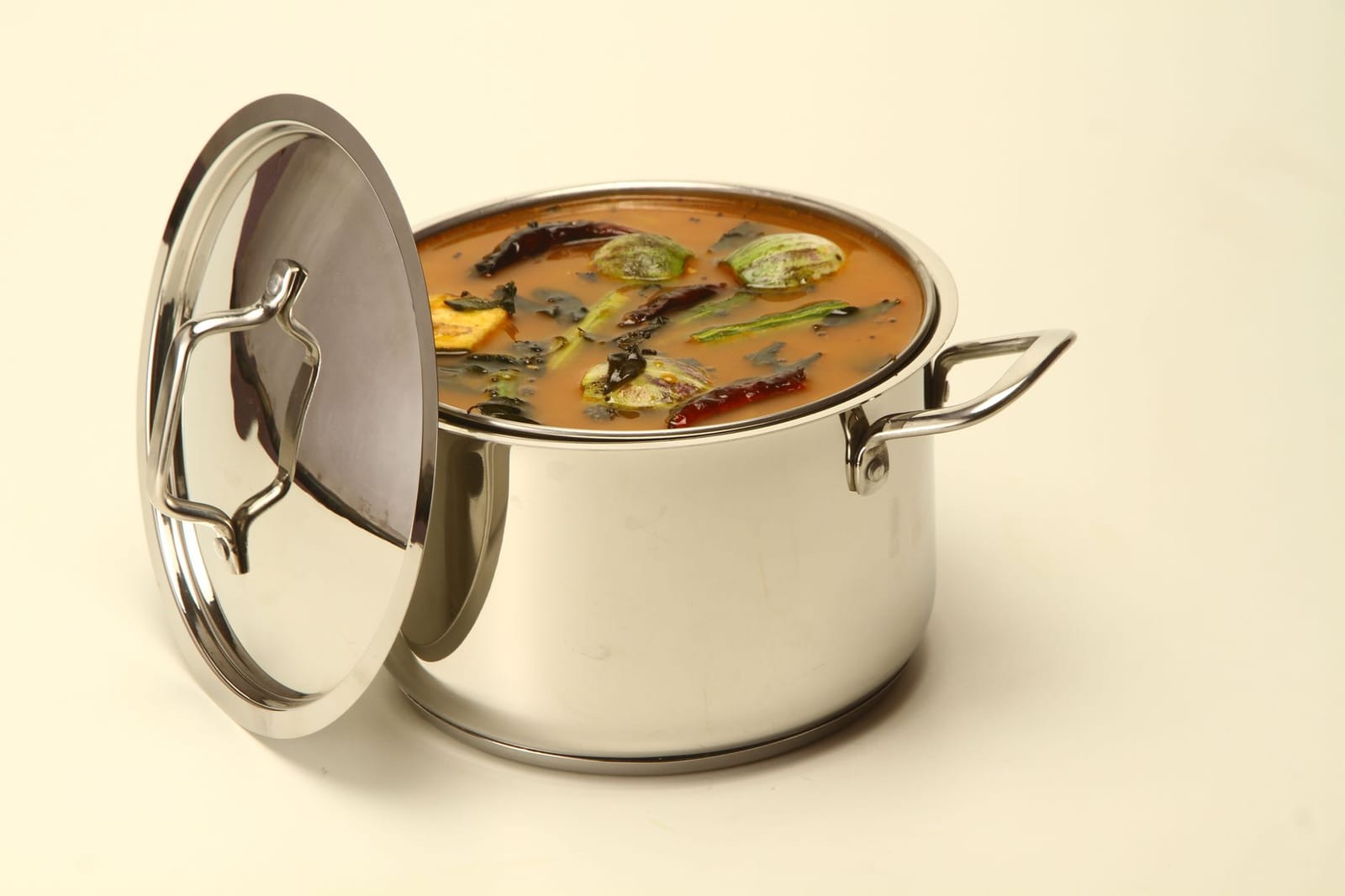
Red split lentils, simmered with turmeric, cumin and a little ginger, make one of the simplest and most rewarding dishes to learn.
Finish with a tempering of garlic and mustard seeds fried briefly in oil, poured over the top just before serving — a technique that adds a real depth of flavour for very little extra effort. See our guide to turmeric for more on the spice behind that classic golden colour.
Common cooking mistakes to avoid
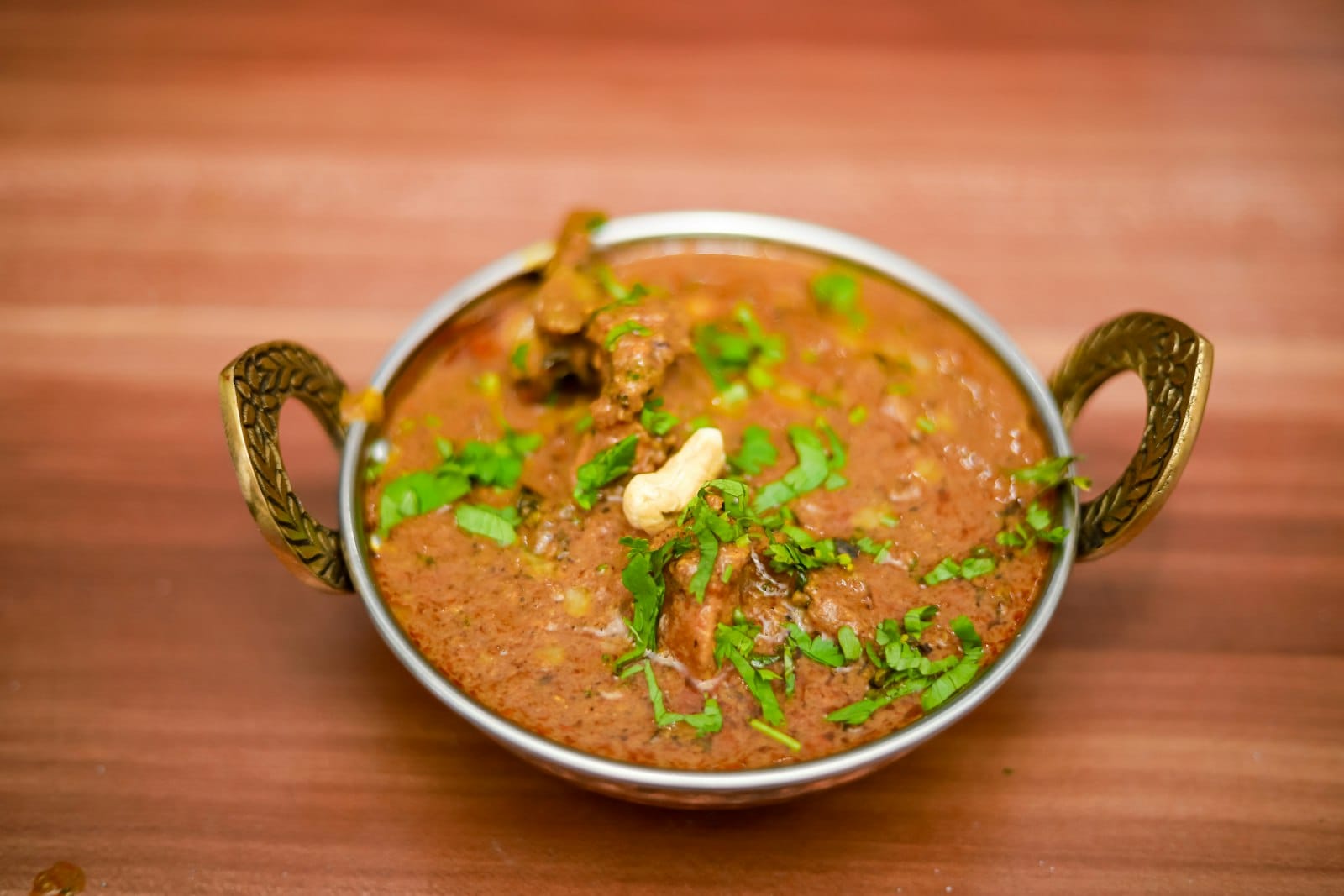
A handful of small missteps are behind most disappointing pots of lentils.
- Adding salt too early — it can toughen the skins and slow cooking; season toward the end instead.
- Boiling too hard — a rolling boil breaks lentils apart faster than intended; a gentle simmer is better.
- Overcooking split lentils meant to hold their shape, like in a salad.
- Skipping the rinse — a quick rinse removes any dust or debris from packaging.
Beyond soup and dal
Lentils show up well beyond their most obvious uses.
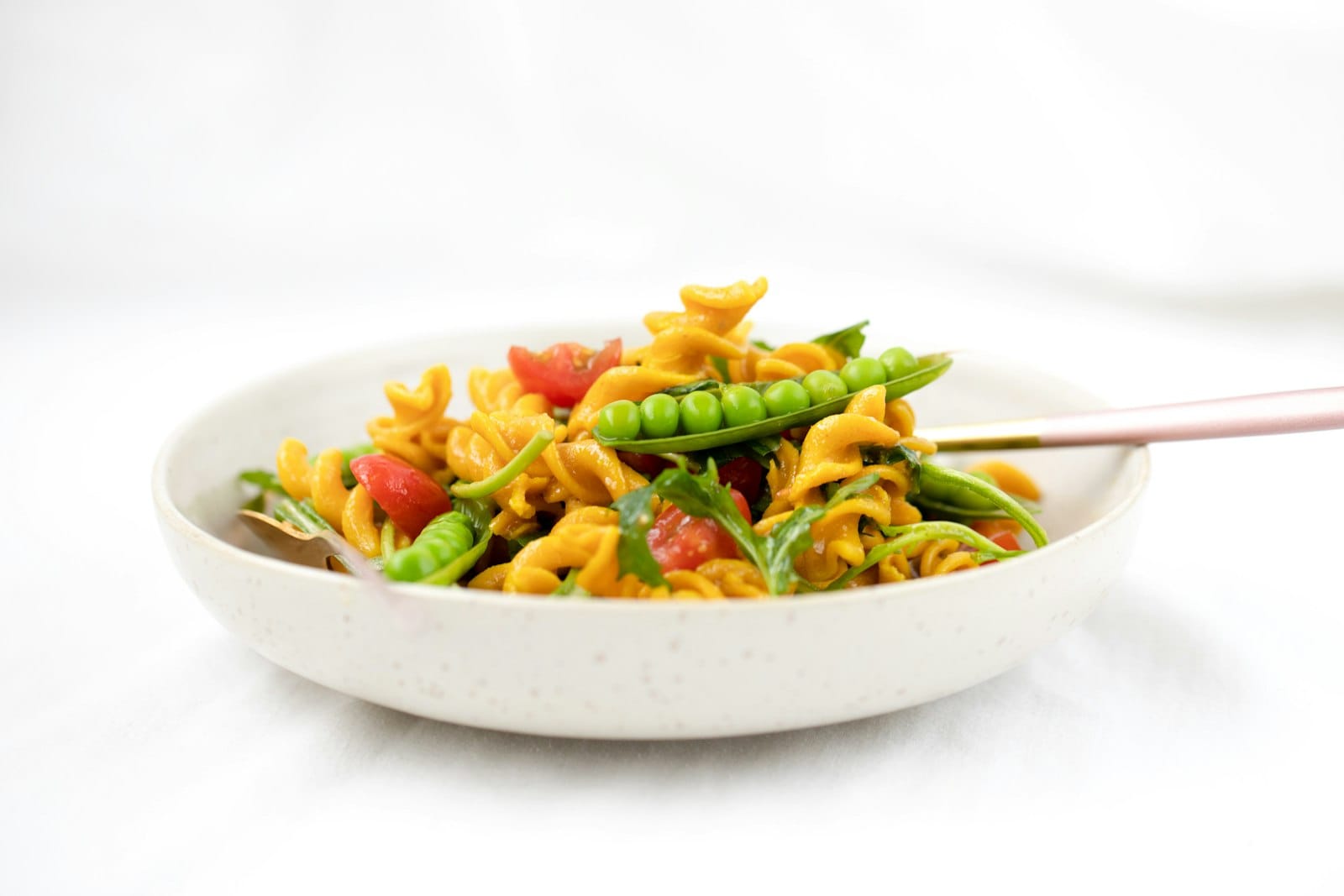
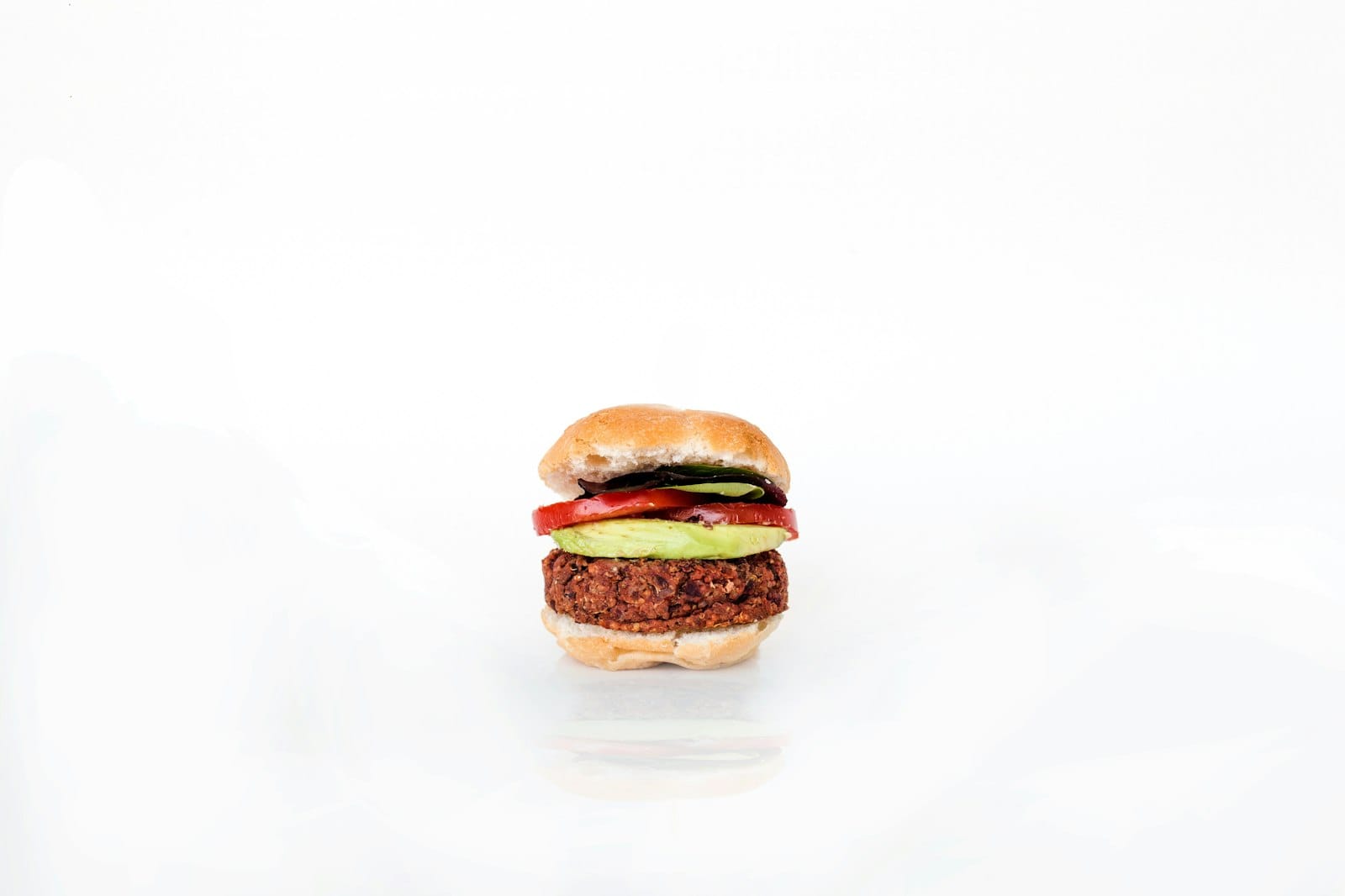
Cooked whole lentils fold nicely into a grain salad with roasted vegetables, mashed lentils bulk out a homemade veggie burger patty, and a lentil bolognese makes a satisfying, protein-rich alternative to a traditional meat sauce.
Freezing and batch cooking
Cooked lentils freeze remarkably well, which makes them a genuinely useful batch-cooking staple — simmer a large pot, portion it into containers, and you have the base for several quick meals ready to go.
They thaw quickly, either overnight in the fridge or straight into a hot pan, and hold their texture better through freezing than many other cooked legumes. See our guide to vegan meal prep for more on building a freezer stash like this.
A note on canned lentils
Canned, pre-cooked lentils are a genuinely useful shortcut when time is tight — just drain and rinse before using, since the canning liquid can carry a slightly metallic taste that fresh-cooked lentils do not have.
They lack a little of the texture and depth of dried lentils cooked from scratch, but for a quick weeknight salad or soup addition, the convenience is well worth the small trade-off. Keep a couple of tins in the pantry as a genuine backup for nights when cooking from dried simply is not going to happen.
Pairing lentils for complete protein
Lentils are low in one essential amino acid, methionine, so they are not technically a complete protein on their own.
Pairing them with grains like rice, over the course of a day rather than necessarily the same meal, rounds out a complete amino acid profile — see our guide to vegan protein sources for more on building a balanced plate.
A budget-friendly staple
Dried lentils are genuinely inexpensive relative to how much they stretch, making them one of the most cost-effective plant proteins available — a single kilo bag can realistically stretch across several meals for very little cost.
For more on stretching a plant-based grocery budget further, see our guide to eating vegan on a budget.
A staple worth relying on
Lentils rarely get the spotlight that tofu or chickpeas do, but they deserve a permanent spot in any plant-based pantry — quick, cheap and endlessly adaptable across breakfast, lunch and dinner alike.
They also travel well across cuisines — equally at home in an Indian dal, a French-style lentil salad or a hearty Middle Eastern soup, without needing to be adapted much at all beyond swapping the spices used.
Browse our full plant-based menu for our own dal and lentil-based dishes, or book a table at The Brickworks in Southport.
For more on the health benefits behind lentils, WebMD’s overview of lentil nutrition is a useful reference.
A pantry staple worth restocking often
Once lentils become a weekly habit, they rarely sit unused for long — soups, curries, salads and burgers all lean on them regularly.
Keep a few varieties on hand — a bag of red split for quick dals, and a bag of whole brown or green for salads and heartier mains — and a satisfying, protein-rich meal is rarely more than half an hour away.
Frequently asked questions
Do lentils need to be soaked before cooking?
No — unlike many dried beans, lentils cook without pre-soaking, which is part of why they are such a convenient pantry staple.
How long do lentils take to cook?
Split lentils cook in around 15–20 minutes, while whole lentils (brown, green or black) take closer to 25–40 minutes, depending on the variety.
What is the difference between split and whole lentils?
Whole lentils keep their seed coat and hold their shape after cooking, making them good for salads, while split lentils break down more and suit soups, dals and dips.
Are lentils a complete protein?
Not on their own — lentils are low in one essential amino acid, methionine, so pairing them with grains like rice over the course of a day rounds out a complete amino acid profile.
Does The Cardamom Pod use lentils?
Yes — dal and lentil-based dishes are part of our Indian-inspired plant-based menu.
Keep exploring
For more, read our guides to vegan protein: the best sources, tofu vs tempeh vs seitan, and the best vegan Indian food and curry on the Gold Coast.