Calcium is one of the first questions people ask about going dairy-free, right alongside protein and B12 — and it is a fair one, worth answering properly rather than dismissing.
The good news is that with a bit of planning, meeting your calcium needs on a vegan diet is genuinely straightforward. Here is a practical, evidence-based guide.
Research consistently shows that a well-planned vegan diet, with attention to calcium-rich foods, carries no detrimental effect on bone health — the key phrase being “well-planned.”
Why calcium matters beyond bones
Calcium is best known for its role in bone health, but it also plays an essential part in muscle function, nerve signalling and blood clotting.
That broader role is part of why the body regulates calcium levels so tightly — if dietary intake falls short, the body will draw calcium from bone stores to maintain those other essential functions, which is exactly what long-term low intake risks.
How much calcium you actually need
Calcium requirements vary by age and life stage, and knowing your target is the first step to meeting it.
| Age/group | Daily calcium target |
|---|---|
| Adults 19–50 | 1000mg |
| Women 51+ | 1200mg |
| Men 70+ | 1200mg |
| Teenagers 9–18 | 1300mg |

The best vegan calcium sources
A wide range of plant foods provide well-absorbed calcium, making it easy to build a varied, calcium-rich diet.
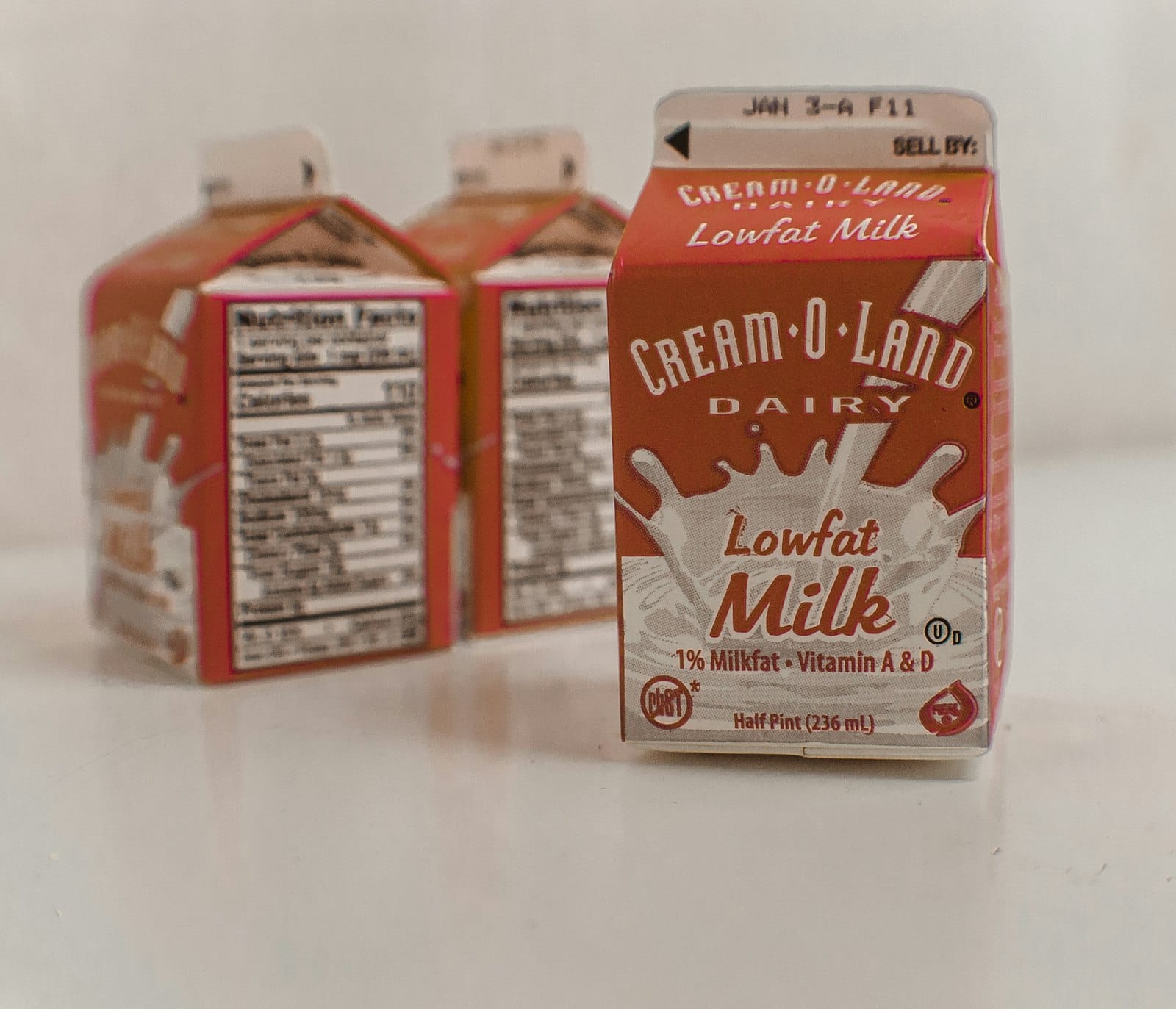
- Calcium-fortified plant milk — often matches or exceeds dairy milk’s calcium content.
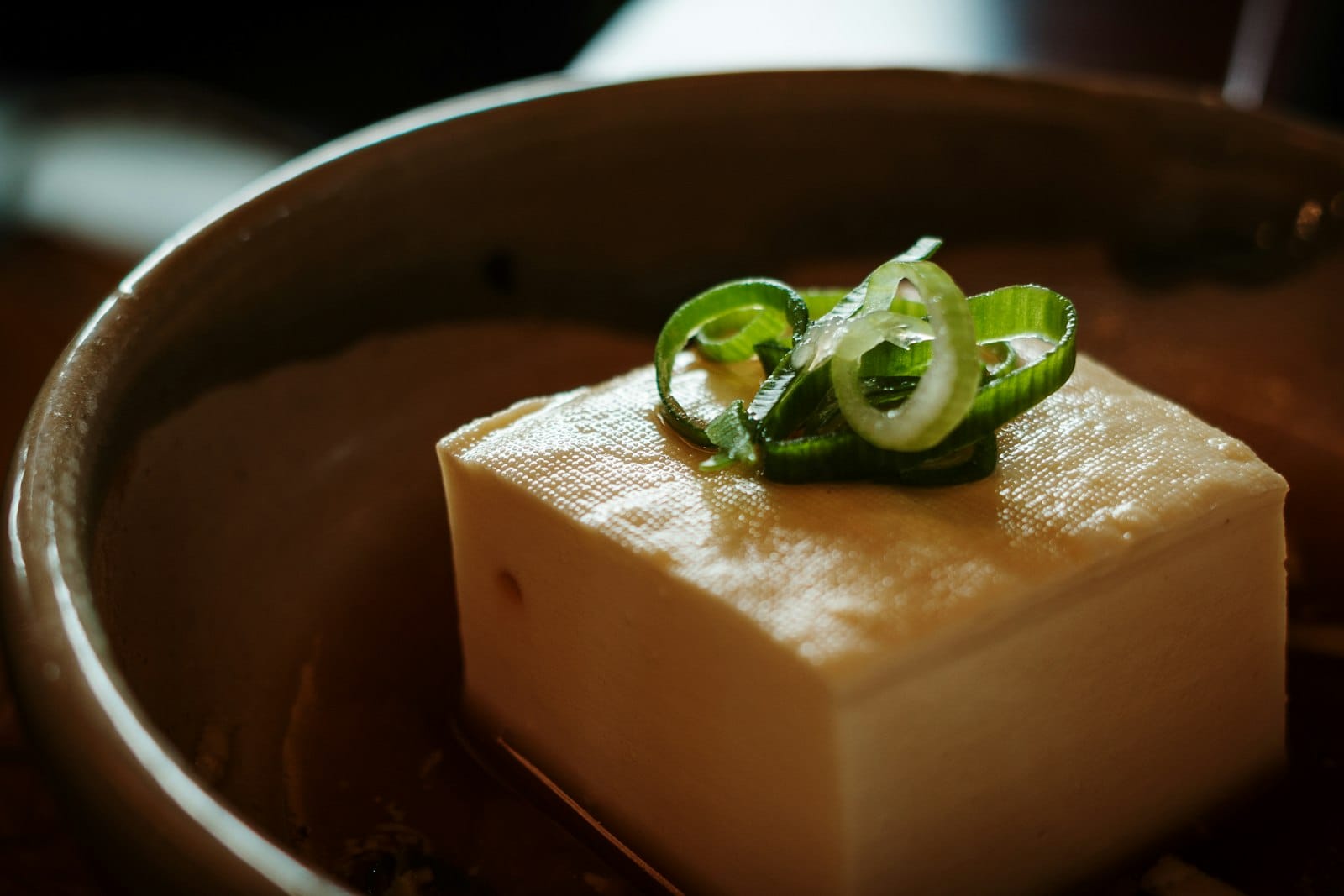
- Calcium-set tofu — check the label, since not all tofu is set with calcium.
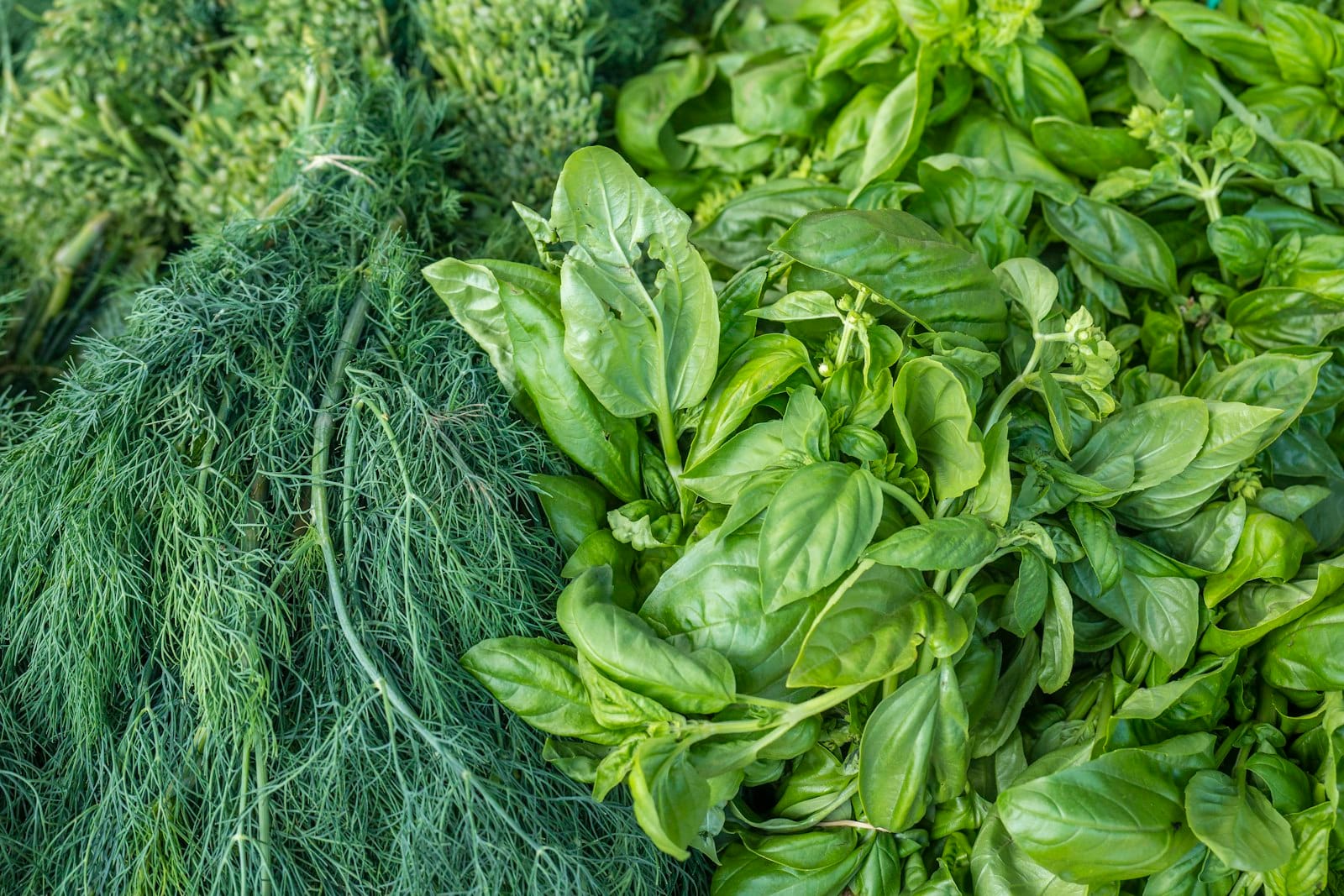
- Leafy greens — bok choy, kale and Chinese cabbage are particularly well absorbed.
- Sesame seeds & tahini — a genuinely rich source, easy to add to meals.
- Legumes — chickpeas and soybeans contribute meaningful amounts.
According to the Vegetarian Resource Group’s guide to calcium, some plant sources are actually absorbed more efficiently than dairy calcium, which helps offset any difference in overall volume consumed.
Exercise plays a role too
Calcium intake is only part of the bone health picture — weight-bearing exercise is just as important for maintaining bone density over time.
Walking, resistance training and other weight-bearing activities send a signal to the body to maintain and build bone, working alongside adequate calcium and vitamin D rather than replacing the need for either.
Why vitamin D matters just as much
Calcium does not work in isolation — vitamin D is essential for the body to actually absorb and use it properly.
Regular sensible sun exposure is the main natural source, though fortified foods and a supplement are worth considering for anyone with limited sun exposure, particularly through winter months.
Calcium and children on a plant-based diet
Growing children and teenagers have higher calcium needs than adults, given how much bone-building happens during those years.
If you are raising children on a plant-based diet, it is worth speaking with a paediatrician or dietitian to make sure their specific needs are properly covered, rather than assuming adult guidance applies directly.
Building a calcium-smart day
Meeting your calcium needs does not require obsessive tracking — a few smart choices spread across the day add up naturally.
A calcium-fortified plant milk with breakfast, a tofu stir-fry with bok choy for lunch, a handful of sesame seeds or tahini dressing, and a legume-based dinner together comfortably cover most adults’ daily needs.
A quick calcium checklist
If you want a simple way to sense-check your own intake, run through this short list across a typical day.
- A serving of calcium-fortified plant milk or yoghurt.
- A leafy green vegetable at least once a day.
- A tofu or legume-based meal.
- A source of sesame, whether tahini or seeds, somewhere in your cooking.
Hitting most of these most days is a strong sign your calcium intake is in good shape.
Common misconceptions about vegan calcium
A few myths persist around plant-based calcium that are worth clearing up.
- “You need dairy for strong bones.” Many cultures with historically low dairy intake have strong bone health outcomes, built around other calcium sources.
- “Plant calcium does not absorb well.” Some plant sources, like bok choy and kale, absorb even better than dairy calcium.
- “Supplements are always necessary.” A well-planned whole-food diet can meet calcium needs without supplementation for most people.
Foods that can affect absorption
A few dietary factors are worth knowing, since they can reduce how much calcium your body actually absorbs from a meal.
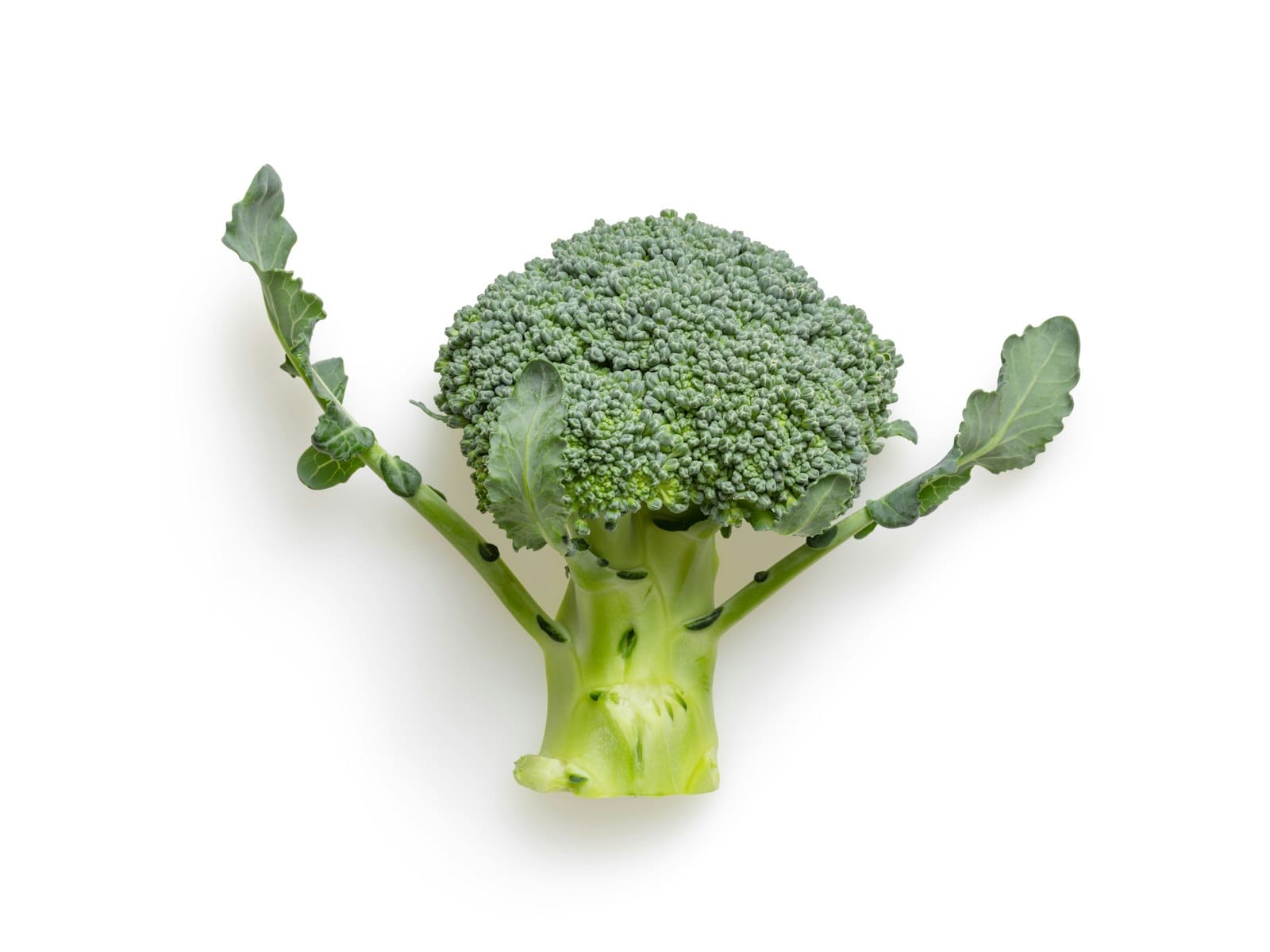
Oxalates (found in spinach and some other greens) and phytates (found in raw grains and legumes) can bind to calcium and reduce absorption somewhat. This does not mean avoiding these foods — simply eating a varied diet, including some lower-oxalate greens like bok choy and kale, helps balance things out.
A nutrient worth planning around, not fearing
Calcium is genuinely easy to cover on a vegan diet once you know the key sources and build a few of them into your regular rotation.
For the fuller nutritional picture, see our guides to iron-rich vegan foods and vitamin B12 on a vegan diet. Browse our full plant-based menu, or book a table.
A little consistency goes a long way
Like most nutrients on a plant-based diet, calcium is less about any single perfect meal and more about consistent habits built up over weeks and months.
Build a few reliable calcium sources into your regular rotation, and the rest takes care of itself.
Approach it with the same steady consistency you would bring to any other part of a balanced diet, and there is genuinely nothing to worry about.
Your bones will thank you for the attention, whatever milk you choose to pour on your cereal.
A little consistent care now pays off for decades to come.
Start today, and your future self will notice the difference.
Frequently asked questions
Can vegans get enough calcium without dairy?
Yes — calcium-set tofu, fortified plant milks, leafy greens, sesame seeds and legumes all provide meaningful amounts, and a well-planned vegan diet can comfortably meet calcium needs.
How much calcium do adults need per day?
Most adults aged 19–50 need around 1000mg per day, rising to 1200mg for women over 51 and men over 70. Teenagers need even more during peak bone-building years.
What are the best vegan calcium sources?
Calcium-fortified plant milk, calcium-set tofu, bok choy, kale, broccoli, sesame seeds and chickpeas are all well-absorbed sources for vegans.
Does vitamin D matter for calcium absorption?
Yes — vitamin D is essential for the body to actually absorb and use calcium, so it is worth considering alongside calcium intake, particularly with limited sun exposure.
Should vegans take calcium supplements?
Not necessarily, if calcium-rich foods are eaten regularly. For those who struggle to get enough from food alone, 500–600mg of supplemental calcium per day is generally considered safe and effective.
Keep exploring
For more, read our guides to iron-rich vegan foods, vitamin B12 on a vegan diet, and is a vegan diet healthy?