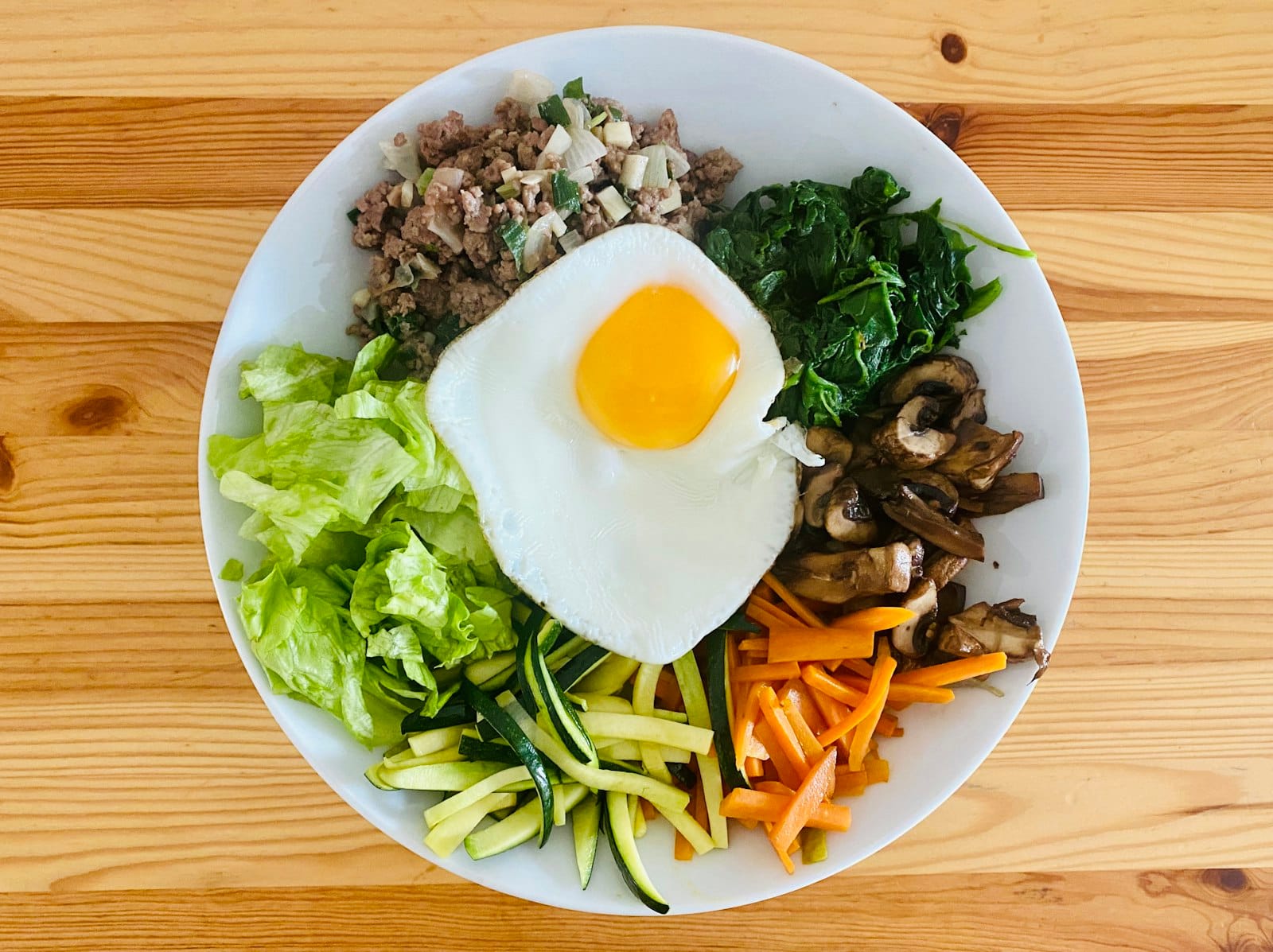
The idea that you cannot build serious muscle or perform at a high level on a vegan diet has been repeated for years — and the evidence increasingly says otherwise.
This guide covers what the research actually shows, how much protein active plant-based eaters really need, and the best sources to build a training diet around.
It is a question worth taking seriously rather than dismissing either way — the honest answer involves real nutrition science, not just anecdotes from either side of the debate.
Why the old assumption stuck around so long
The idea that plant protein is somehow inferior largely traces back to older research using isolated, incomplete measures of protein quality, rather than how people actually eat in practice.
Combined with a genuine lack of mainstream vegan athletes to point to a few decades ago, the myth had space to take hold. That has changed considerably, both in the research and in the growing number of elite vegan athletes competing at the highest levels.
What the research actually shows
Multiple clinical trials have directly compared plant-based and animal-based protein for muscle building, matched for total protein intake and training load.
The consistent finding: when protein and training are equivalent, plant-based and omnivorous groups build comparable amounts of lean muscle, with no statistically significant difference in strength gains either. The old assumption that plant protein is inherently inferior for building muscle simply does not hold up under proper research.
The Physicians Committee for Responsible Medicine’s guide to nutrition for athletes covers this evidence in more detail, including practical guidance on meeting higher protein needs on a plant-based diet.
How much protein active people actually need
Athletes and active people generally need more protein than the general population, regardless of diet.
| Activity level | Protein target | Notes |
|---|---|---|
| General population | 0.8g per kg body weight | Baseline recommendation |
| Recreationally active | 1.2–1.6g per kg | Regular exercise, moderate intensity |
| Strength/muscle building | 1.6–2.2g per kg | Serious resistance training |
| Endurance athletes | 1.4–1.6g per kg | High training volume |
The best vegan protein sources for training
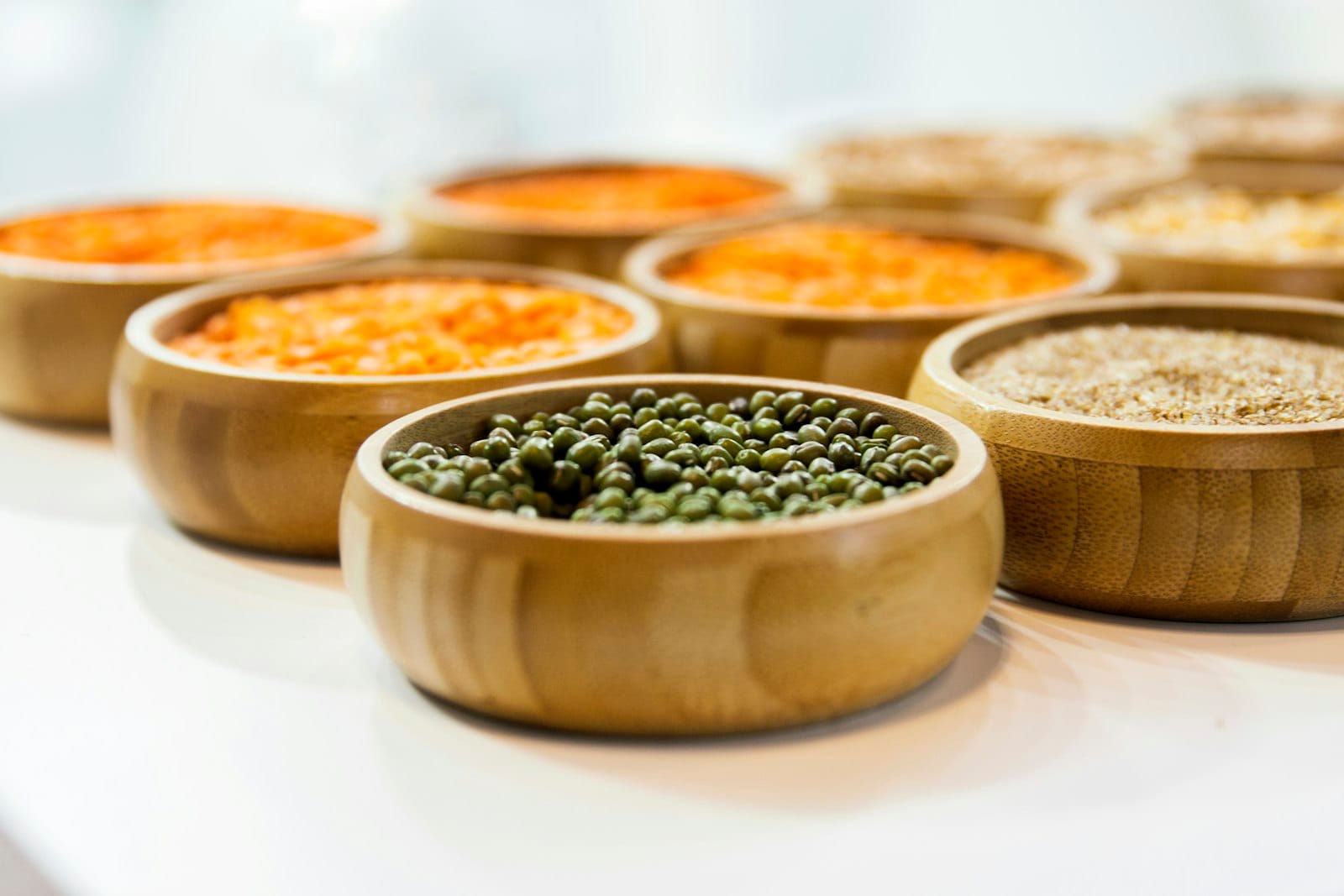
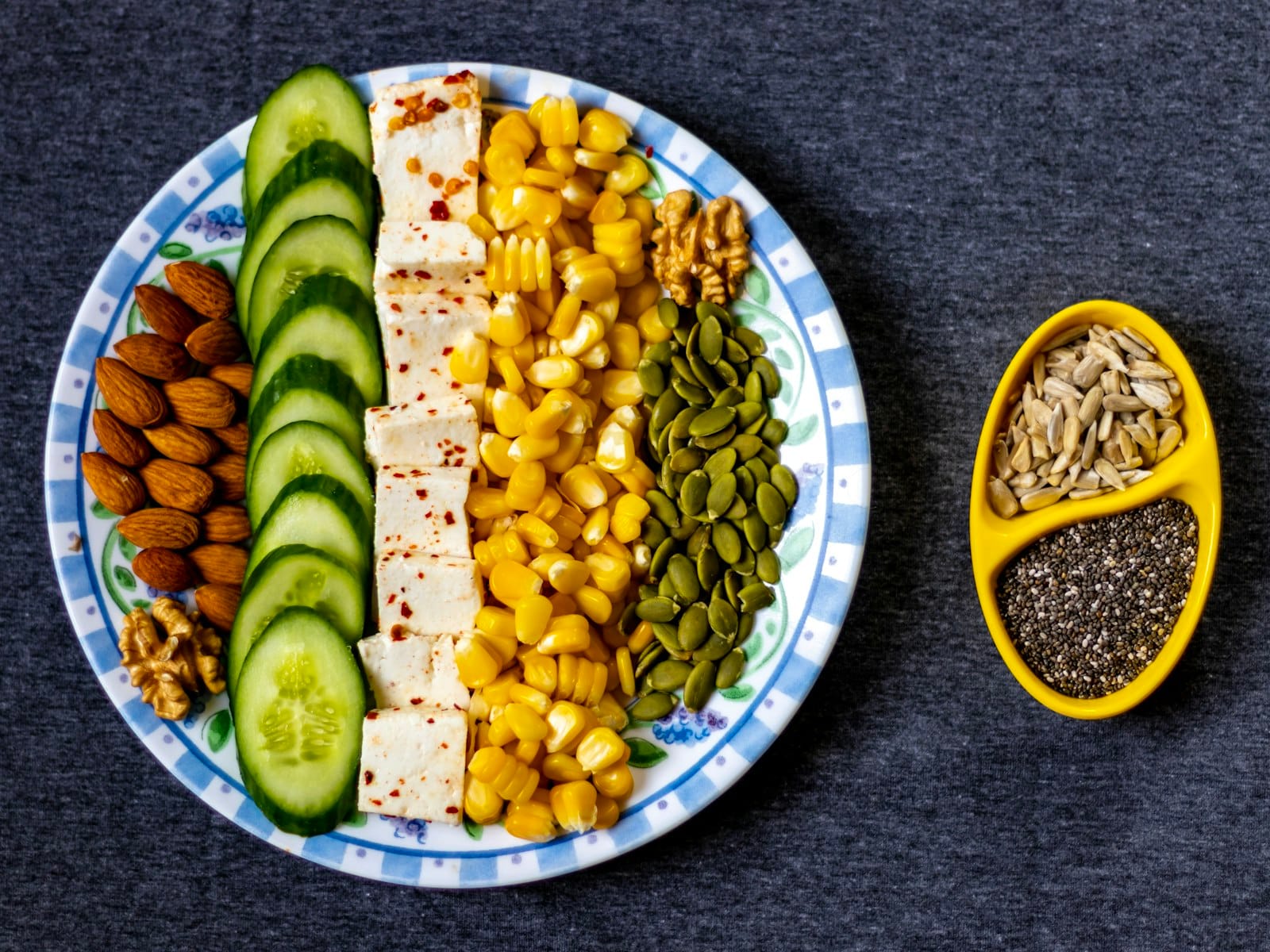
A handful of plant proteins stand out for their protein density and versatility in an active person’s diet.
- Tofu & tempeh — complete protein, versatile, easy to prepare in bulk.
- Seitan — very high in protein, meat-like texture, great in stir-fries.
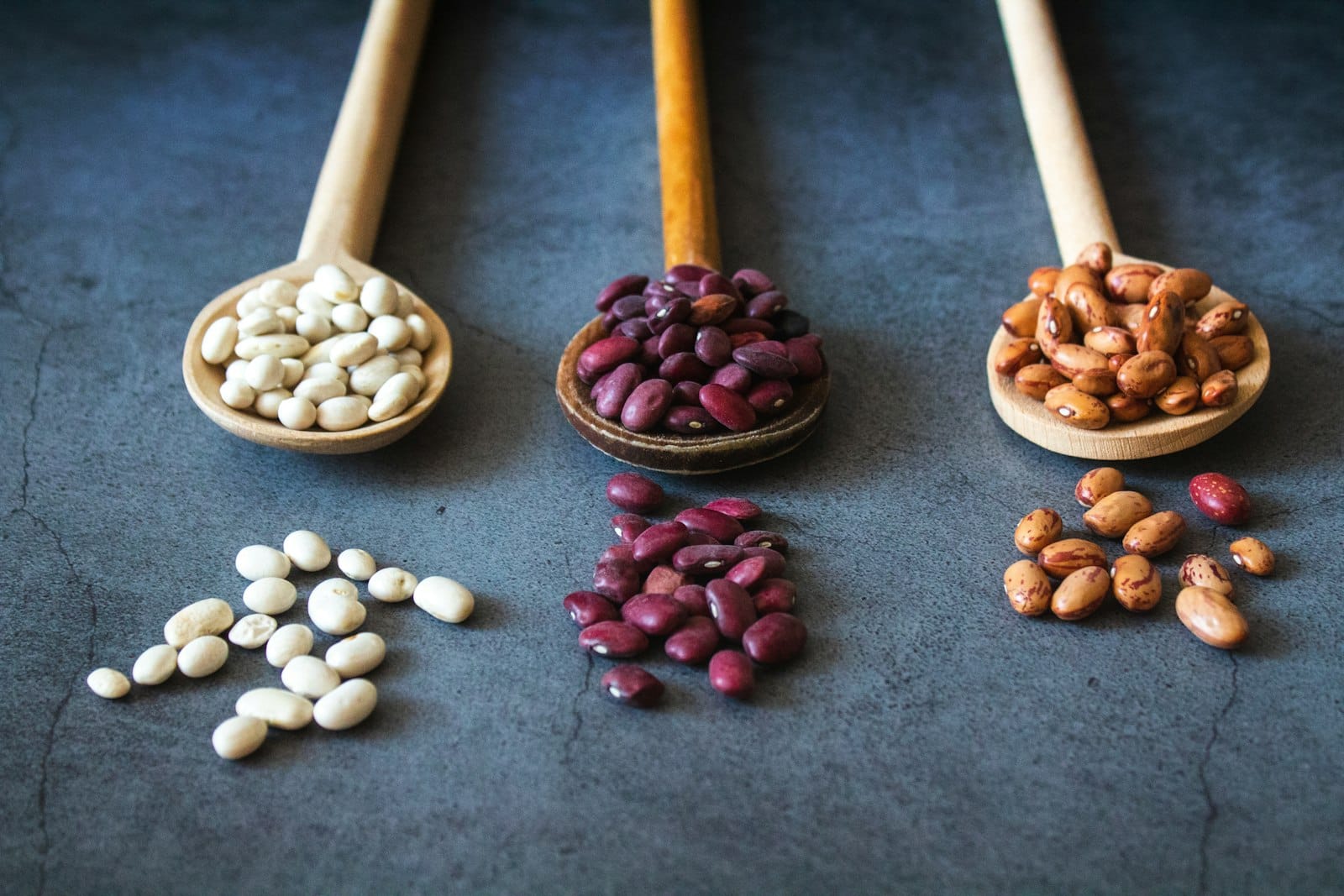
- Legumes — lentils, chickpeas and beans, affordable and fibre-rich.
- Edamame — a complete protein, easy post-workout snack.
- Quinoa — a complete protein grain, useful as a training-day staple.
A note on plant-based protein powders
A quality plant-based protein powder is a genuinely convenient tool, particularly for hitting higher targets around training, but it is worth choosing thoughtfully.
Pea, rice or hemp-based blends (often combined for a fuller amino acid profile) tend to perform well. Check the label for actual protein content per serving, since some products are more filler than protein.
Building a complete amino acid profile
One outdated concern about plant protein is amino acid completeness — the idea that you need to carefully combine proteins at every meal to get everything your body needs.
Modern research has largely moved past strict meal-by-meal combining. Eating a variety of plant proteins across the day — not necessarily every single meal — comfortably covers your full amino acid needs for most people.
Common mistakes to avoid
A few missteps tend to hold back new vegan athletes more than any actual limitation of plant protein itself.
- Under-eating overall — plant foods are often less calorie-dense, so total intake needs a closer eye.
- Relying too heavily on one protein source — variety helps cover the full amino acid spectrum.
- Skipping supplementation where needed — B12 in particular still needs planning for, regardless of training goals.
- Assuming more protein is always better — hitting your target consistently matters more than exceeding it.
Timing protein around training
For anyone focused on muscle building specifically, spreading protein intake across the day, including a serving within a couple of hours of training, tends to support recovery and growth best.
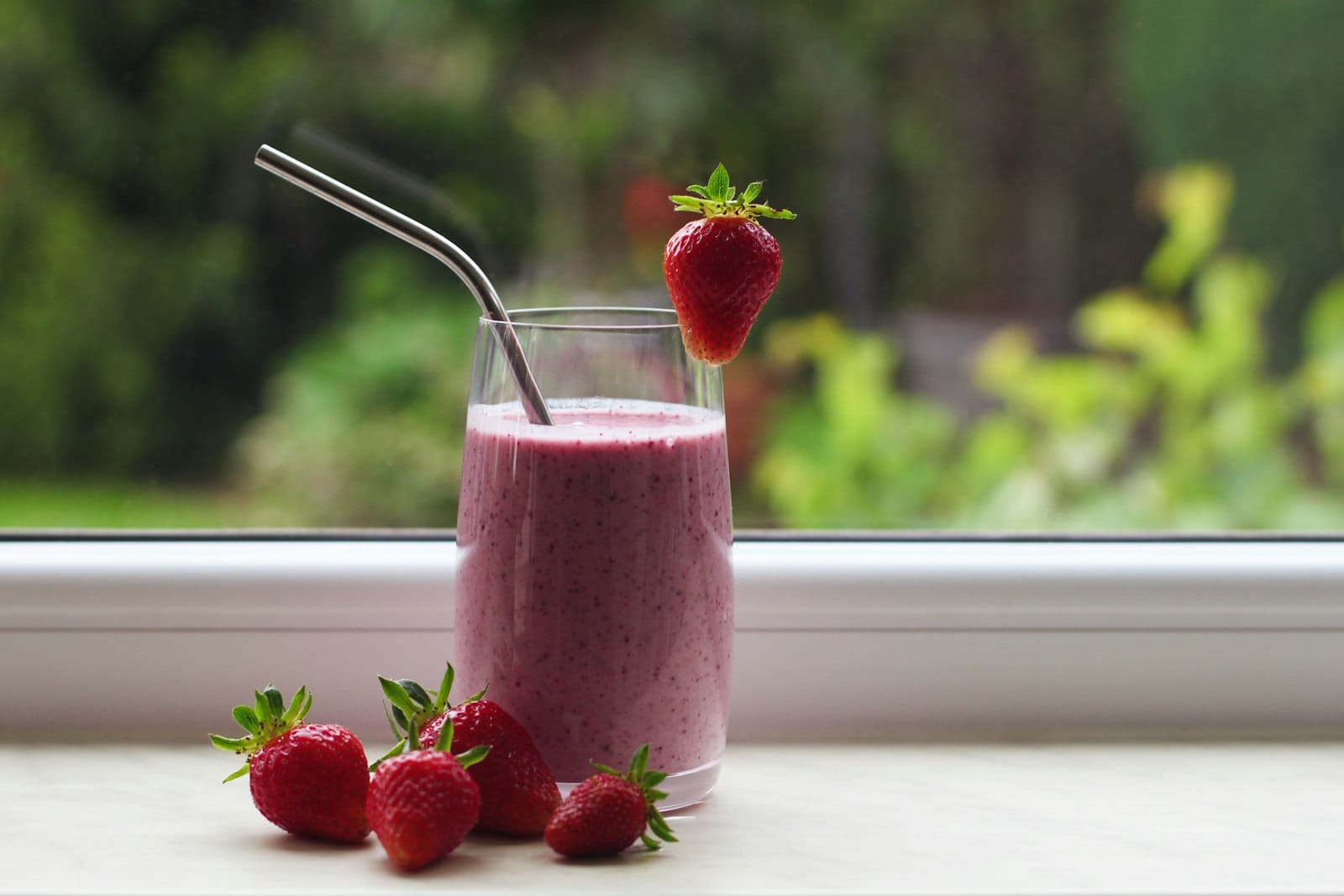
A simple post-workout combination — a plant-based protein smoothie, or a meal built around tofu or legumes plus a carbohydrate source — covers both recovery and refuelling well.
Hydration and electrolytes
Protein gets most of the attention, but hydration and electrolyte balance matter just as much for training performance, plant-based diet or not.
Coconut water is a genuinely good natural option for replenishing electrolytes after a hard session, and pairs well with a post-workout meal rather than replacing it.
Other nutrients worth considering
Protein is not the only thing worth planning around for active plant-based eaters — iron, B12, calcium, zinc and omega-3s all deserve attention too, especially for those training intensely.
See our guides to iron-rich vegan foods and vitamin B12 on a vegan diet for more on covering these effectively.
Fuelling an active life at The Cardamom Pod
Our menu includes plenty of protein-rich, satisfying options built around legumes, tofu and hearty grain bowls — a solid choice before or after training.
Browse our full plant-based menu, or explore our broader guide to vegan protein sources for the fuller nutritional picture.
A genuinely level playing field
The takeaway from the research is straightforward: your diet does not need to include animal products to perform, recover and build muscle effectively.
What matters is total protein intake, training consistency and overall nutrition — the same fundamentals that apply to any athlete, plant-based or not.
The diet is not the limiting factor. How well you plan around it is.
Train hard, eat enough, and let the results speak for themselves.
The evidence is there. All that is left is putting it into practice.
Frequently asked questions
Can vegans build muscle as effectively as meat eaters?
Yes — research consistently shows that when protein intake and training are matched, plant-based diets support muscle growth just as effectively as diets including animal protein.
How much protein do vegan athletes need?
Active people generally need more than the general population, with recommendations ranging from around 1.4g to as much as 2g per kilogram of body weight for serious athletes, higher than the standard baseline.
What are the best vegan protein sources for athletes?
Tofu, tempeh, seitan, legumes, edamame, quinoa and plant-based protein powders are all excellent sources, providing a solid amino acid profile when combined across the day.
Do I need a protein supplement as a vegan athlete?
Not necessarily, though a plant-based protein powder can be a convenient way to hit higher targets, especially around training, if whole foods alone feel difficult to fit in.
Does The Cardamom Pod suit an active, plant-based lifestyle?
Our menu includes plenty of protein-rich options like legumes, tofu and hearty bowls — a solid, satisfying choice before or after training.
Keep exploring
For more, read our guides to vegan protein sources and how much you need, iron-rich vegan foods, and vegan meal prep for beginners.
Leave a Reply