
Of all the nutrition questions that come up around vegan eating, B12 is the one worth taking most seriously. Unlike protein or iron, it is not something you can reliably get from whole plant foods alone.
The good news is that it is also one of the easiest nutrients to manage, once you understand why it matters and how to cover it properly.
There is no ambiguity or debate here, either — unlike some plant-based nutrition questions with mixed opinions, the advice on B12 is remarkably consistent across health authorities worldwide.
A common myth worth clearing up
One persistent myth is that certain plant foods — spirulina, tempeh, nori and a few others — contain usable B12. This is not accurate.
These foods may contain B12 analogues, compounds that are structurally similar but not usable by the human body, and in some cases can even interfere with the accurate measurement of real B12 in tests. Fortified foods and supplements remain the only genuinely reliable sources for vegans.
It is a well-meaning myth, usually passed along by people who genuinely want a fully “natural” solution — but it is worth correcting clearly, since getting this one wrong carries real health consequences.
Understanding the numbers
B12 requirements are measured in micrograms, and recommendations vary slightly by country and health authority, though the general range is well established.
A typical adult supplement dose ranges from 25 to 100 micrograms daily, or a larger dose of around 2000 micrograms taken weekly. Both approaches are considered effective — the difference comes down to how well your body absorbs varying doses, and which routine you can realistically stick to.
Why B12 does not occur naturally in plants
B12 is produced by bacteria, not by plants or animals themselves. Animals accumulate it through their diet and gut bacteria, which is why it shows up in meat, dairy and eggs but not in fruit, vegetables or grains.
This is not a flaw in plant-based eating so much as a fact of how the nutrient is made — and it means everyone eating a fully plant-based diet needs a reliable alternative source.
Why B12 matters
B12 plays an essential role in nerve function and the production of red blood cells. Left unaddressed, deficiency can cause fatigue, weakness and, over time, more serious nerve-related issues.
It is a slow-building deficiency in many cases, which is part of why it is worth being proactive rather than waiting for symptoms to appear.
Reliable vegan sources of B12
According to The Vegan Society’s guide to vitamin B12, fortified foods and supplements are the only reliable sources for vegans — naturally occurring plant sources are not considered dependable.
| Source | Reliability | Notes |
|---|---|---|
| Fortified plant milks | Good, if labelled | Check the label — not all brands fortify with B12 |
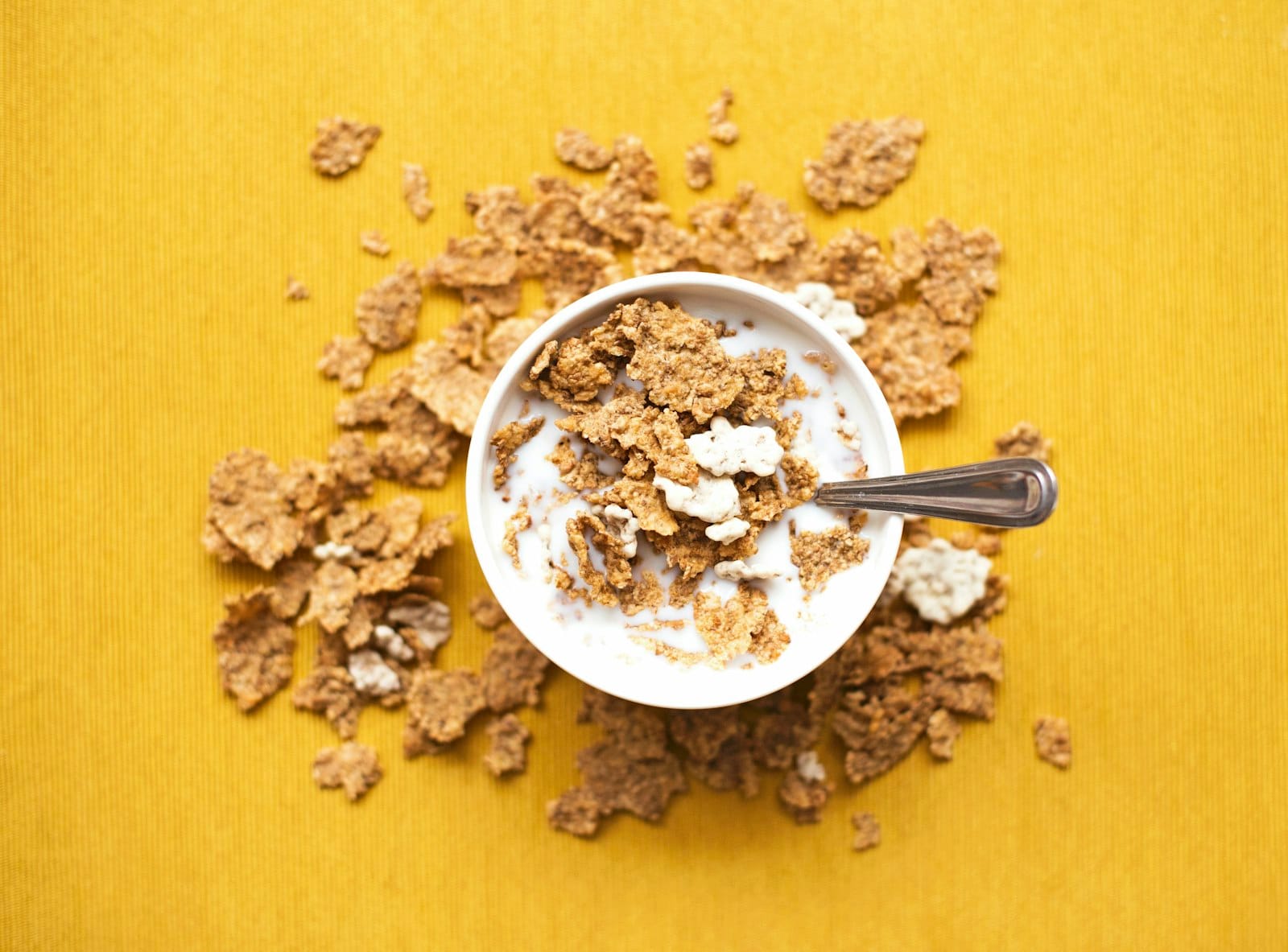
| Fortified breakfast cereals | Good, if labelled | A genuinely easy daily source |
| Nutritional yeast | Good, if fortified | Some brands add B12, others do not — check carefully |
| B12 supplements | Most reliable | Recommended by most health authorities for vegans |
How to supplement properly
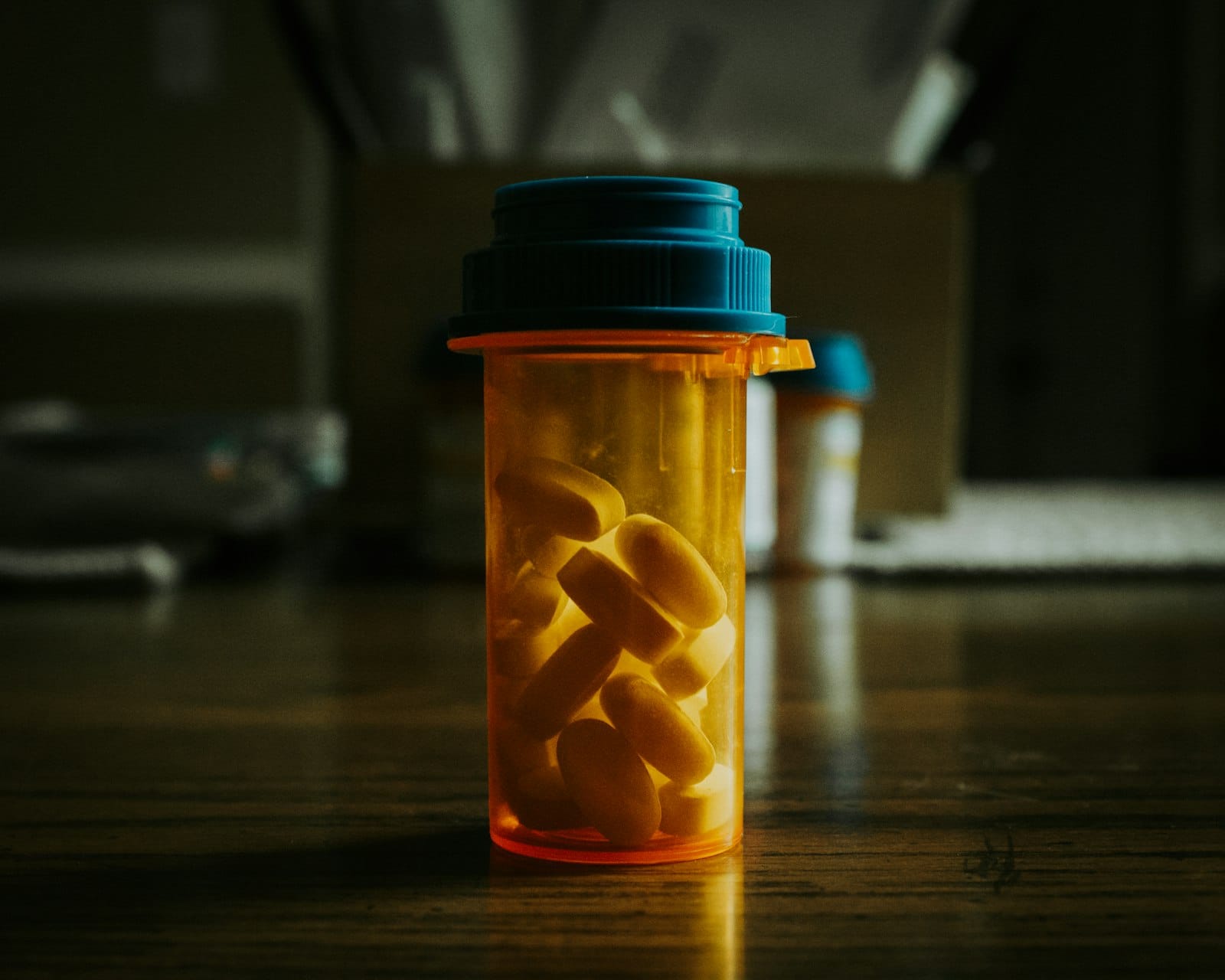
A regular B12 supplement is the simplest way to guarantee adequate intake, and is widely recommended for anyone eating a fully plant-based diet.
Cyanocobalamin is generally considered the most stable, well-researched and cost-effective form. Common approaches include a smaller daily dose or a larger weekly dose — either works, so choose whichever is easier to remember consistently.
Reading labels with confidence
Not every plant milk, cereal or nutritional yeast product is fortified with B12, so it is worth checking labels rather than assuming.
- Look specifically for “vitamin B12” or “cyanocobalamin” on the ingredients or nutrition panel.
- Do not assume all brands of the same product are fortified — it varies.
- If a product does not clearly list it, treat it as an unreliable source.
Getting a blood test
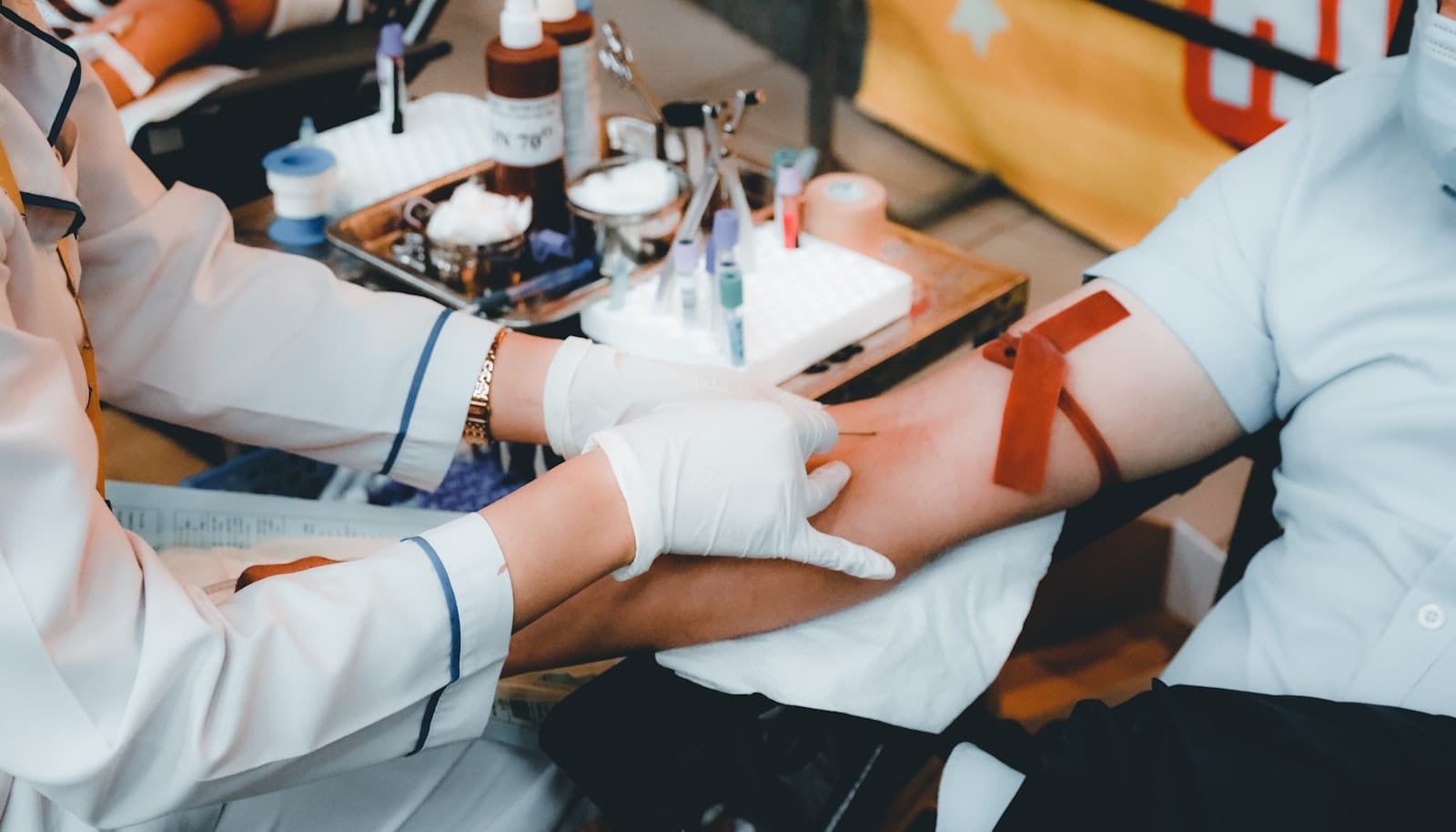
If you have been plant-based for a while and are unsure whether you are getting enough B12, a simple blood test is the most reliable way to know for certain.
It is a quick, routine test most doctors can arrange easily, and worth doing periodically if you rely mainly on fortified foods rather than a consistent supplement.
One nutrient, easily managed
B12 is genuinely the one nutrient that requires deliberate planning on a vegan diet — but with a reliable supplement or fortified foods in your routine, it is a completely solvable part of eating plant-based well.
For the fuller nutritional picture, see our guides to vegan protein sources and iron-rich vegan foods. Browse our full plant-based menu, or book a table.
Building the habit
The easiest way to stay consistent with B12 is to attach it to an existing daily habit — taking it alongside your morning coffee or breakfast, for instance, rather than treating it as a separate task to remember.
Once it becomes automatic, it stops requiring any real thought at all — exactly how a good supplement habit should work.
It is a small daily habit for a genuinely important nutrient — a fair trade by any measure.
Sort this one nutrient out properly, and the rest of plant-based eating becomes considerably easier to feel confident about.
It is one small line item on a shopping list, standing between you and total peace of mind — well worth the minor effort involved.
If you take one thing away from this guide, let it be this: do not leave B12 to chance.
Everything else about plant-based eating is remarkably forgiving. This one nutrient simply is not, so give it the attention it deserves.
Frequently asked questions
Do vegans need to worry about vitamin B12?
Yes — B12 is not naturally present in plant foods, so vegans need to get it from fortified foods or a supplement to avoid deficiency.
Why is B12 not found in plant foods?
B12 is produced by bacteria, not plants or animals. Animals accumulate it through their diet or gut bacteria, which is why it naturally occurs in animal products but not in plants.
What vegan foods contain B12?
Fortified foods are the main source — certain plant milks, breakfast cereals, nutritional yeast and plant-based spreads are often fortified with B12. Always check the label, since fortification varies by brand.
Should I take a B12 supplement?
Most health authorities recommend it for anyone on a fully plant-based diet, since fortified foods alone can be inconsistent. A daily low-dose or weekly higher-dose supplement are both common approaches.
What happens if I do not get enough B12?
B12 deficiency can cause fatigue, weakness and, if prolonged, nerve damage. It is a genuinely important nutrient to plan for properly rather than leave to chance.
Keep exploring
For more, read our guides to iron-rich vegan foods, vegan protein sources, and is a vegan diet healthy?
Leave a Reply