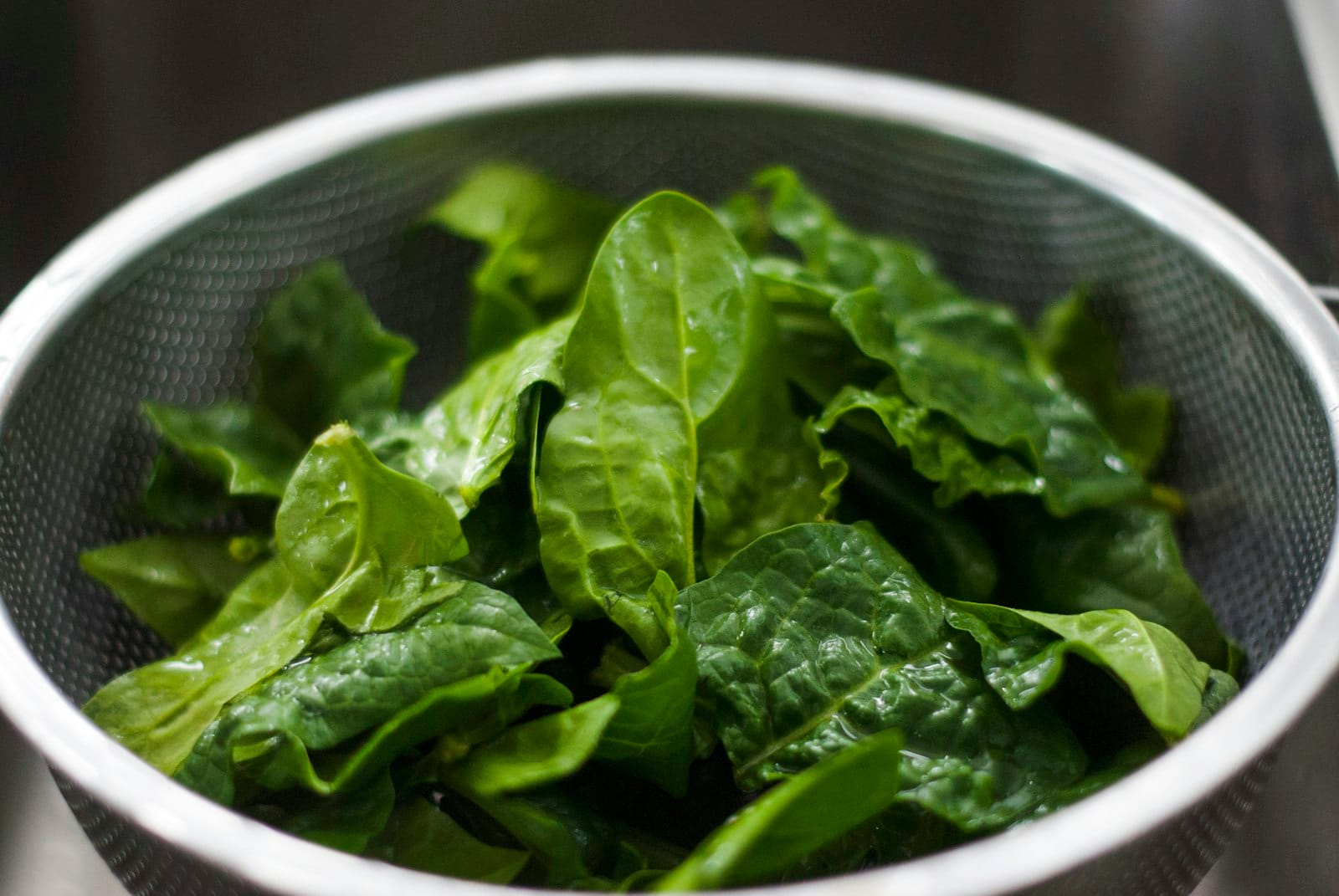
Iron is one of the first questions people ask about going plant-based, right alongside protein — and it is a fair one, since plant-based iron works a little differently to the kind found in meat.
The good news is that with a bit of know-how, getting enough iron on a vegan diet is genuinely straightforward. Here is a complete, practical guide to the best sources and how to absorb them well.
Most of what trips people up is not a lack of iron-rich plant foods — there are plenty — but a lack of awareness around absorption. Get that part right, and the rest tends to fall into place.
Signs worth paying attention to
Low iron does not always announce itself clearly, which is part of why it is worth understanding rather than ignoring.
Persistent fatigue, unusual paleness, shortness of breath during normal activity, and difficulty concentrating can all be signs worth investigating. None of these are unique to iron deficiency, which is exactly why a blood test, rather than guesswork, is the only reliable way to know.
It is also worth noting that low iron is not exclusive to vegans and vegetarians — it is one of the most common nutrient deficiencies worldwide, across all types of diets. Going plant-based simply means it deserves a little more conscious attention.
Who should pay particularly close attention
While everyone benefits from eating iron-smart, a few groups have higher needs and should be especially mindful.
- Menstruating people — regular blood loss increases iron requirements significantly.
- Pregnant people — iron needs rise substantially during pregnancy.
- Endurance athletes — intense training can increase iron turnover.
- Growing teenagers — rapid growth increases overall nutrient demands.
If you fall into one of these groups and eat plant-based, a periodic check-in with a doctor is a sensible, proactive step.
Heme vs non-heme iron: the key difference
Iron comes in two forms, and understanding the difference is the whole key to eating well for iron on a plant-based diet.
Heme iron, found in animal products, is absorbed efficiently by the body. Non-heme iron, found in plant foods, is absorbed less efficiently — which is why vegans and vegetarians are generally advised to aim for around 1.8 times the standard recommended intake.
The best plant-based iron sources
A wide range of plant foods contain meaningful amounts of iron, making it easy to build a varied, iron-rich diet.
| Food | Iron level | Easy way to include it |
|---|---|---|
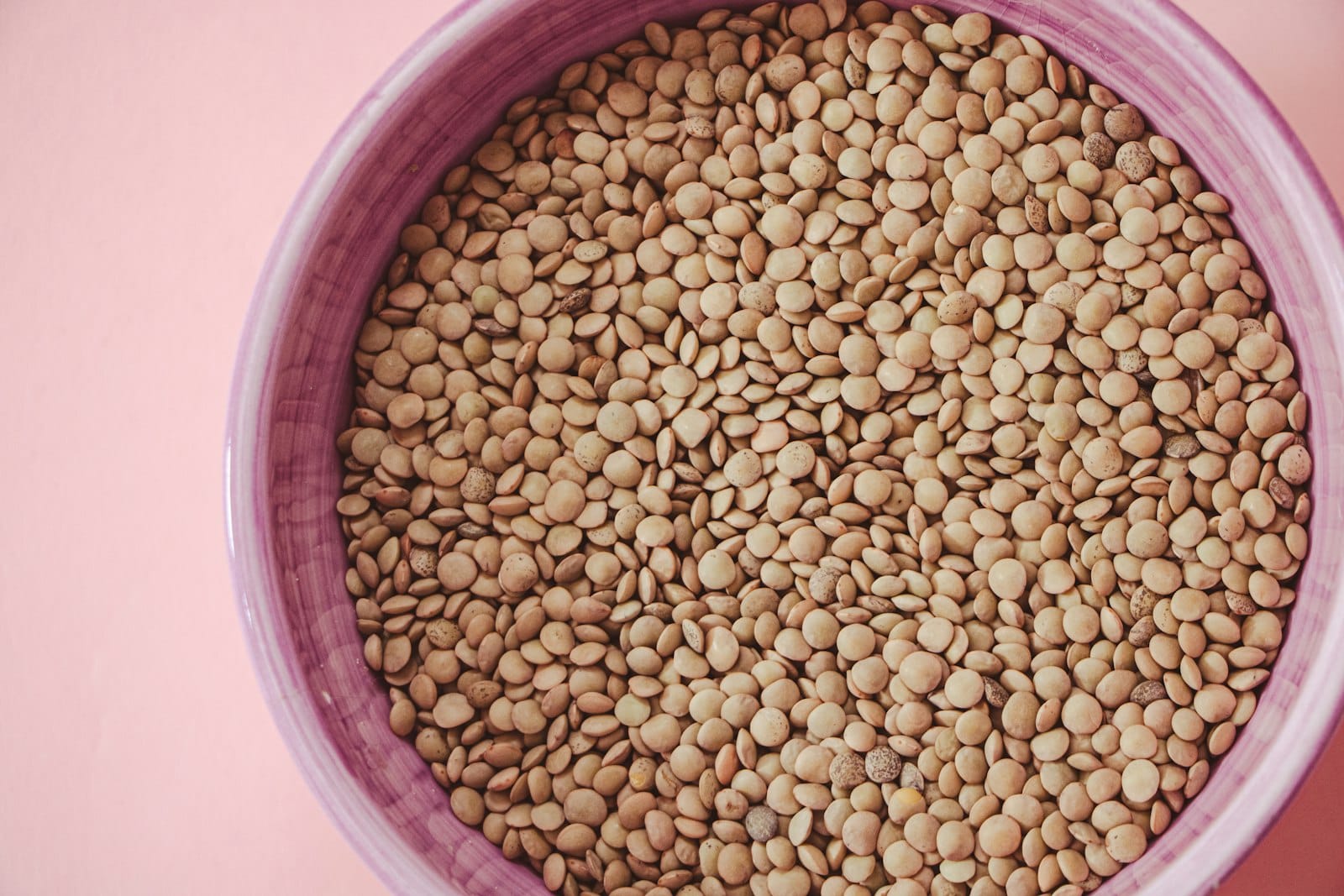
| Lentils | High | Curries, soups, salads |
| Tofu | High | Stir-fries, curries, scrambles |
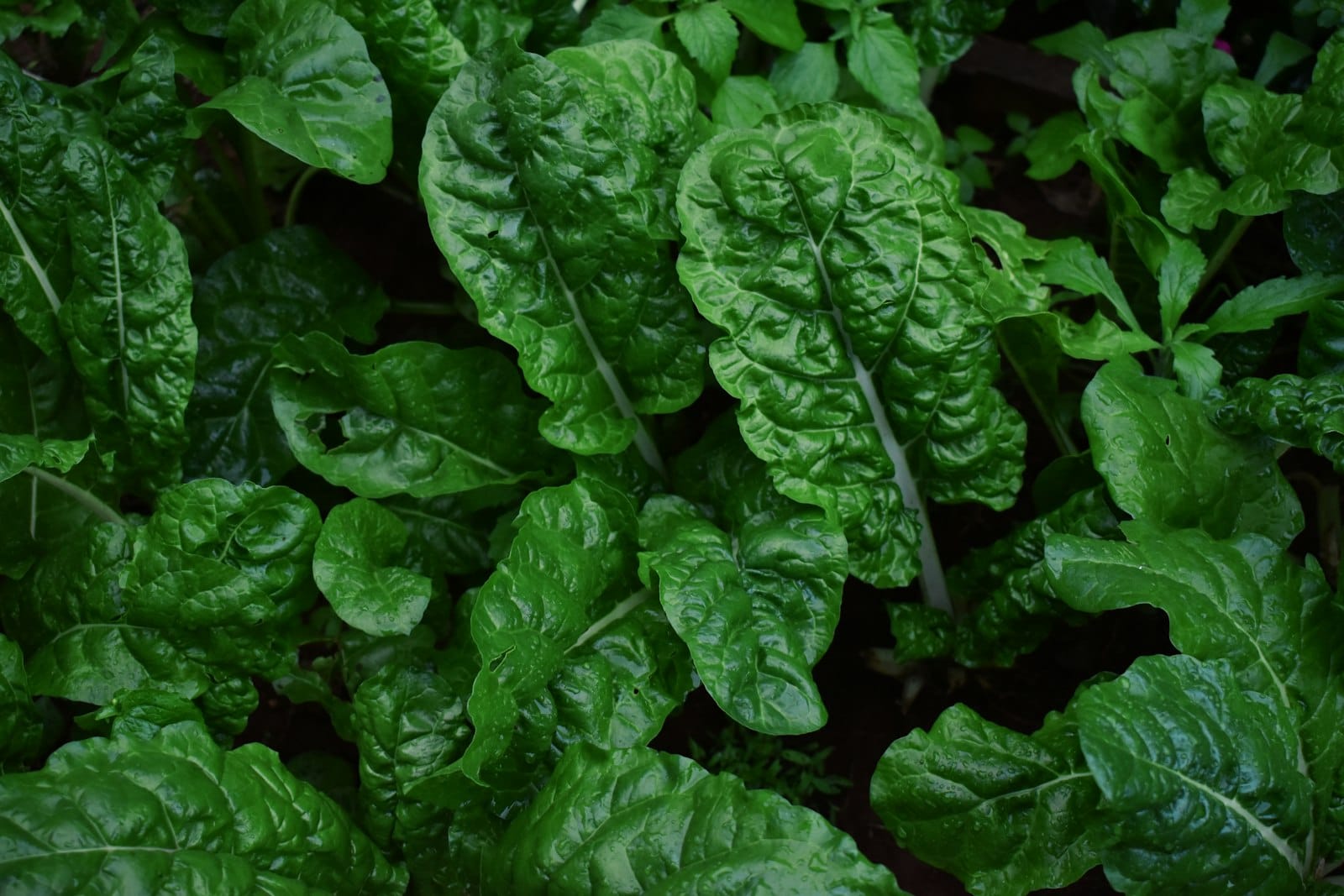
| Spinach & leafy greens | Moderate–high | Cooked into curries or blended into smoothies |
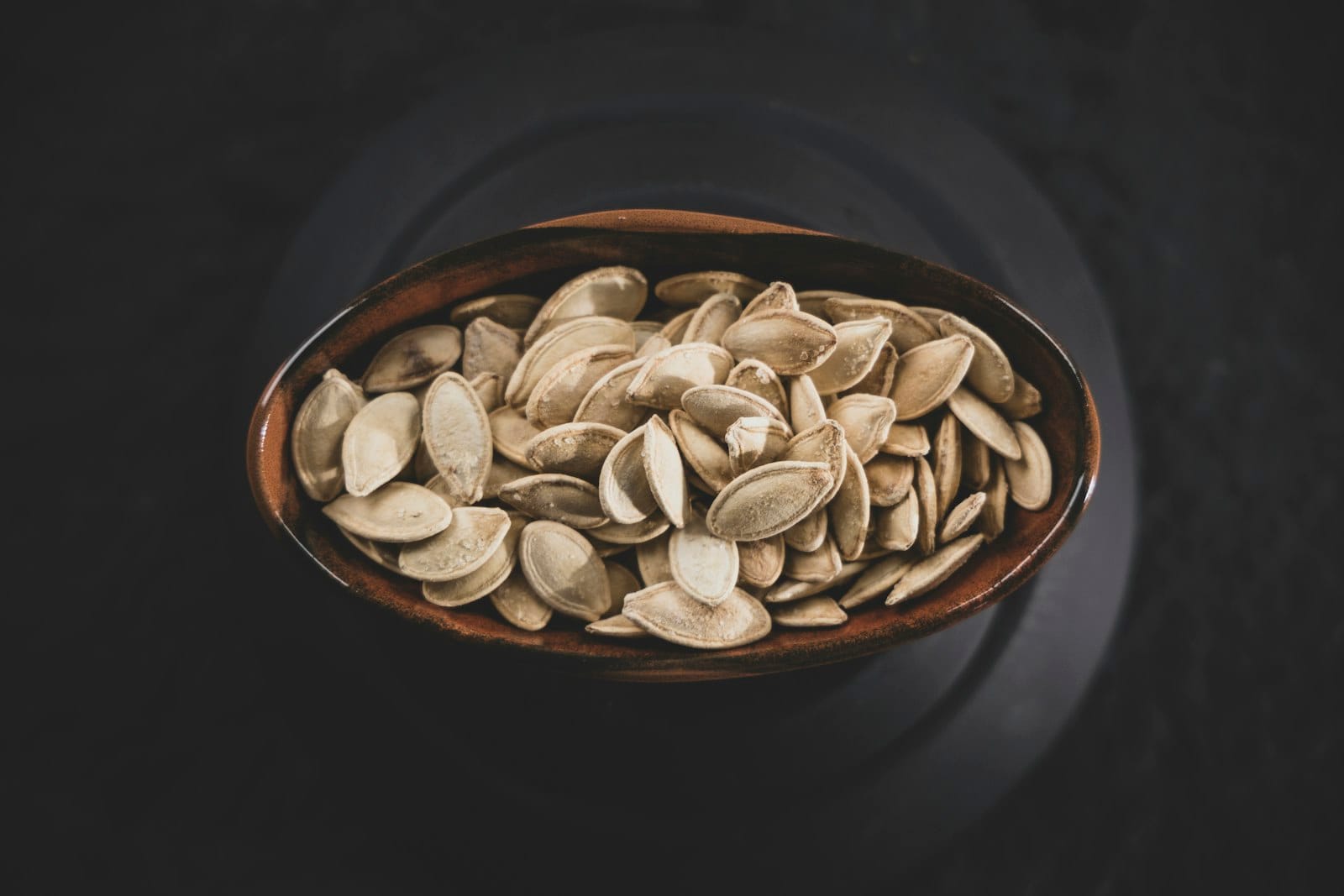
| Pumpkin seeds | High | Snacking, salad topping, granola |
| Quinoa | Moderate | A base grain for bowls and salads |
| Chickpeas | Moderate–high | Curries, hummus, roasted snacks |
The vitamin C trick
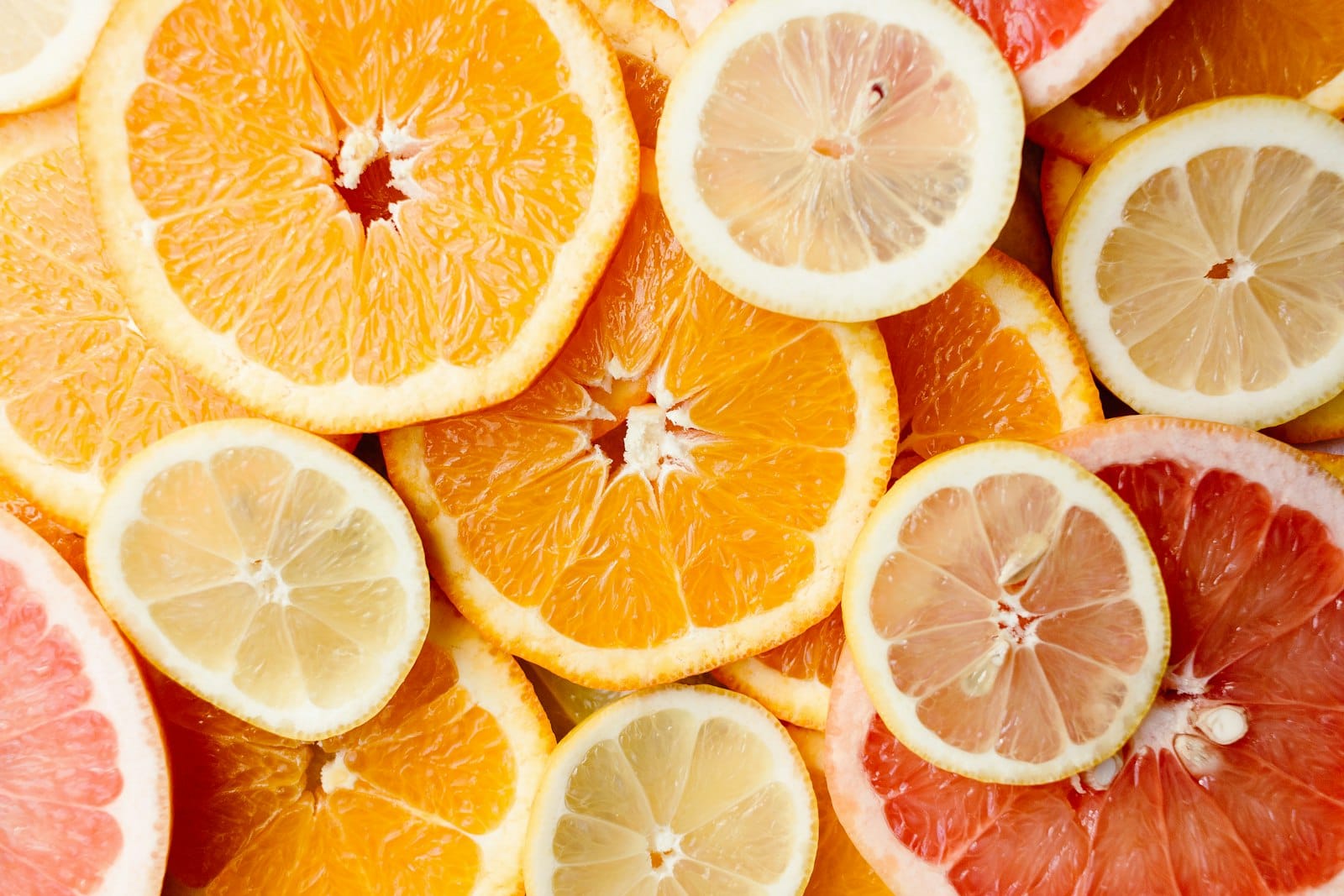
This is the single most useful thing to know about plant-based iron: pairing an iron-rich food with a source of vitamin C can increase absorption significantly, in some cases up to fivefold.
In practice, this is easy to build into meals — a squeeze of lemon over lentils, capsicum in a stir-fry with tofu, or a side of citrus fruit alongside an iron-rich meal. According to Healthdirect’s guide to iron deficiency, this kind of pairing is a genuinely evidence-based strategy worth building into everyday meals.
What can get in the way of absorption
A few common foods and drinks can reduce non-heme iron absorption if consumed alongside an iron-rich meal.
- Tea and coffee — contain tannins that can inhibit absorption; best enjoyed between meals rather than with them.
- Calcium-rich foods — can compete with iron absorption in large amounts at the same meal.
- Phytates in raw grains and legumes — reduced through soaking, sprouting or fermenting.
None of this means avoiding these foods altogether — simply being mindful of timing makes a meaningful difference over time.
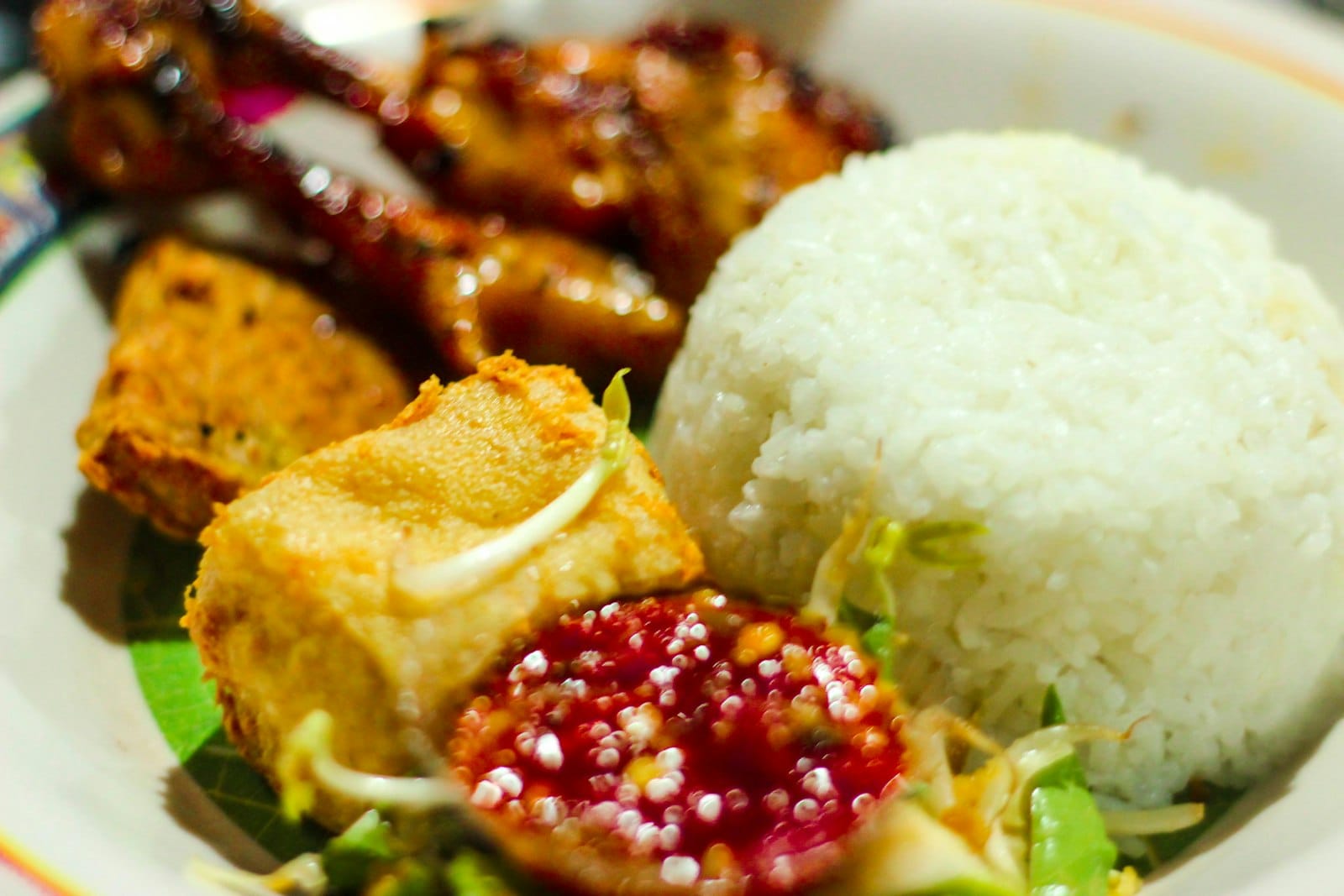
A sample iron-smart day
Building iron-rich meals does not need to be complicated — a typical day might look something like this.
- Breakfast: oats with pumpkin seeds and berries.
- Lunch: a lentil salad with capsicum and a lemon dressing.
- Snack: hummus with vegetable sticks.
- Dinner: a tofu and vegetable curry with a side of greens.
Cooking techniques that help
A couple of simple kitchen habits can meaningfully improve how much iron you absorb from plant foods.
Soaking beans and lentils before cooking reduces phytates that otherwise inhibit absorption. Cooking in a cast-iron pan can also add a small but measurable amount of iron to food, particularly acidic dishes like tomato-based sauces.
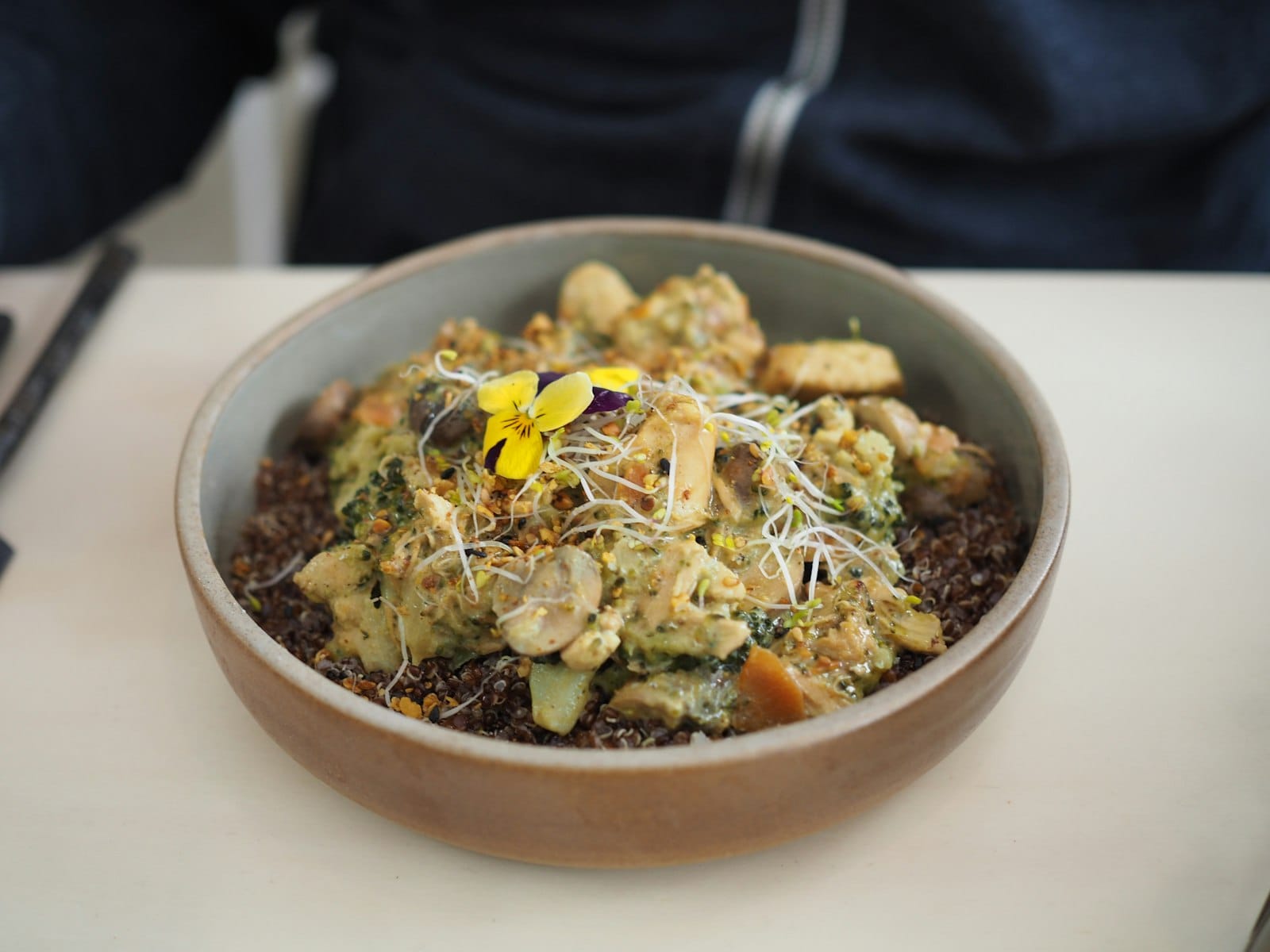
Getting it right at The Cardamom Pod
Many of our dishes at The Cardamom Pod naturally combine iron-rich plant proteins with fresh, vitamin C-rich ingredients — lentils, chickpeas and leafy greens paired with citrus, tomato and fresh vegetables throughout the menu.
Browse our full plant-based menu, or see our guide to vegan protein sources for the fuller nutritional picture.
The bigger picture on plant-based nutrition
Iron is just one piece of a wider nutritional picture worth understanding on a plant-based diet, alongside protein, B12 and a handful of other nutrients.
None of it is complicated once you know the basics — and none of it is a reason to avoid plant-based eating. A little awareness goes a very long way.
Treat this guide as a starting point rather than the final word, and check in with a doctor or dietitian if you have specific concerns about your own levels.
With the right habits in place, iron becomes one less thing to worry about on a plant-based diet, rather than a permanent source of concern.
A little planning now saves a lot of second-guessing later.
Frequently asked questions
Can vegans get enough iron?
Yes, with a varied diet. Legumes, tofu, leafy greens, pumpkin seeds and whole grains are all good sources of iron, and pairing them with vitamin C significantly improves absorption.
Why do vegans need more iron than meat eaters?
Plant foods contain non-heme iron, which the body absorbs less efficiently than the heme iron found in animal products. Because of this, vegans and vegetarians are generally advised to aim for roughly 1.8 times the standard recommended iron intake.
What foods help with iron absorption?
Vitamin C-rich foods like citrus fruit, capsicum and tomatoes can increase iron absorption from a plant-based meal significantly when eaten together.
What reduces iron absorption?
Tea, coffee and calcium-rich foods can reduce non-heme iron absorption if consumed at the same time as an iron-rich meal — it is worth spacing them out where practical.
How do I know if I am low in iron?
Fatigue, pale skin and reduced concentration can be signs of low iron, but the only reliable way to know is a blood test — speak with a doctor if you have concerns.
Keep exploring
For more, read our guides to vegan protein sources, vitamin B12 on a vegan diet, and is a vegan diet healthy.
Leave a Reply