Heart health is one of the more thoroughly researched areas of plant-based nutrition, with a genuinely large and growing body of evidence pointing to real cardiovascular benefits.
This guide covers what the research actually shows, and the everyday foods genuinely worth prioritising if heart health is a personal focus for you or your family.
As with any health topic, the details genuinely matter more than the label — a whole-food plant-based diet and a diet built mostly around vegan junk food are very different things for your heart.
What the research shows
Multiple large studies have linked plant-based diets to meaningfully lower rates of coronary heart disease and cerebral vascular disease, with some analyses suggesting risk reductions in the range of 30–40% for heart disease events.
Longer-term data also suggests that eating more plant-based earlier in life is associated with a meaningfully lower risk of heart attack, stroke and other cardiovascular conditions later on in adulthood.
Why fibre matters so much
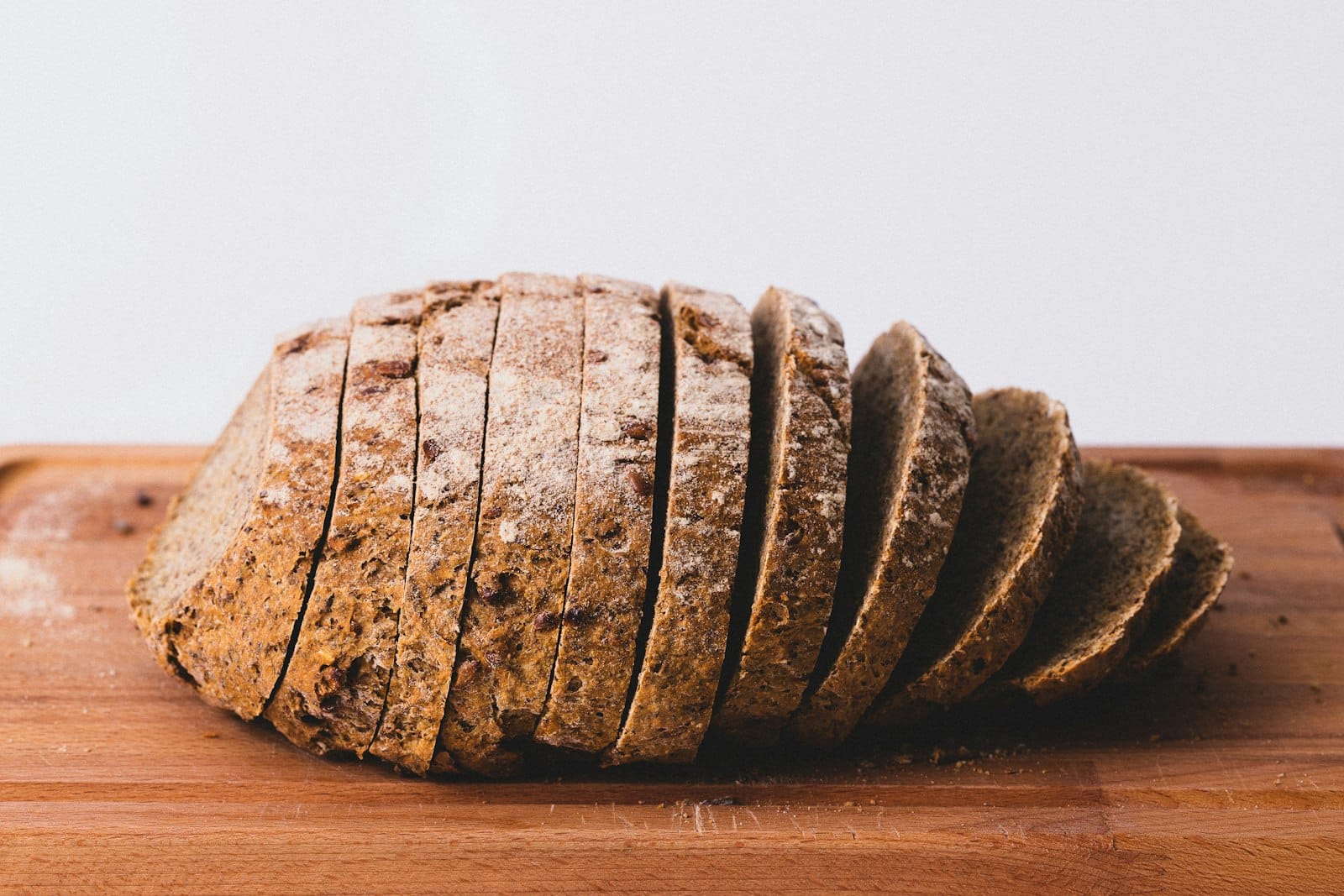
Fibre, found abundantly in beans, lentils, vegetables and whole grains, plays a genuinely significant role in cardiovascular health.
Soluble fibre in particular binds to cholesterol in the digestive system, reducing how much gets absorbed into the bloodstream — a mechanism that helps explain why fibre-rich diets are consistently linked to lower LDL cholesterol.
The foods doing the most heavy lifting
A handful of plant-based food groups show up repeatedly in heart health research.
| Food group | Why it matters |
|---|---|
| Oats & whole grains | Soluble fibre, helps lower LDL cholesterol |
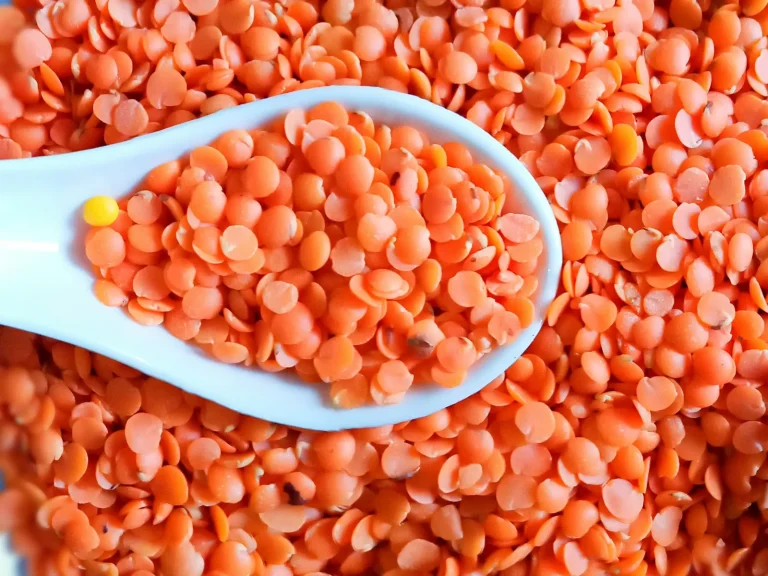
| Legumes (beans, lentils) | Fibre and protein, supports healthy blood pressure |
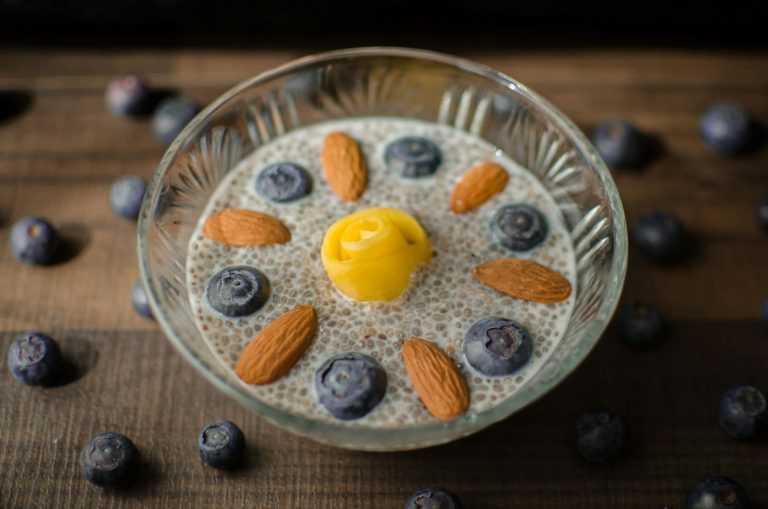
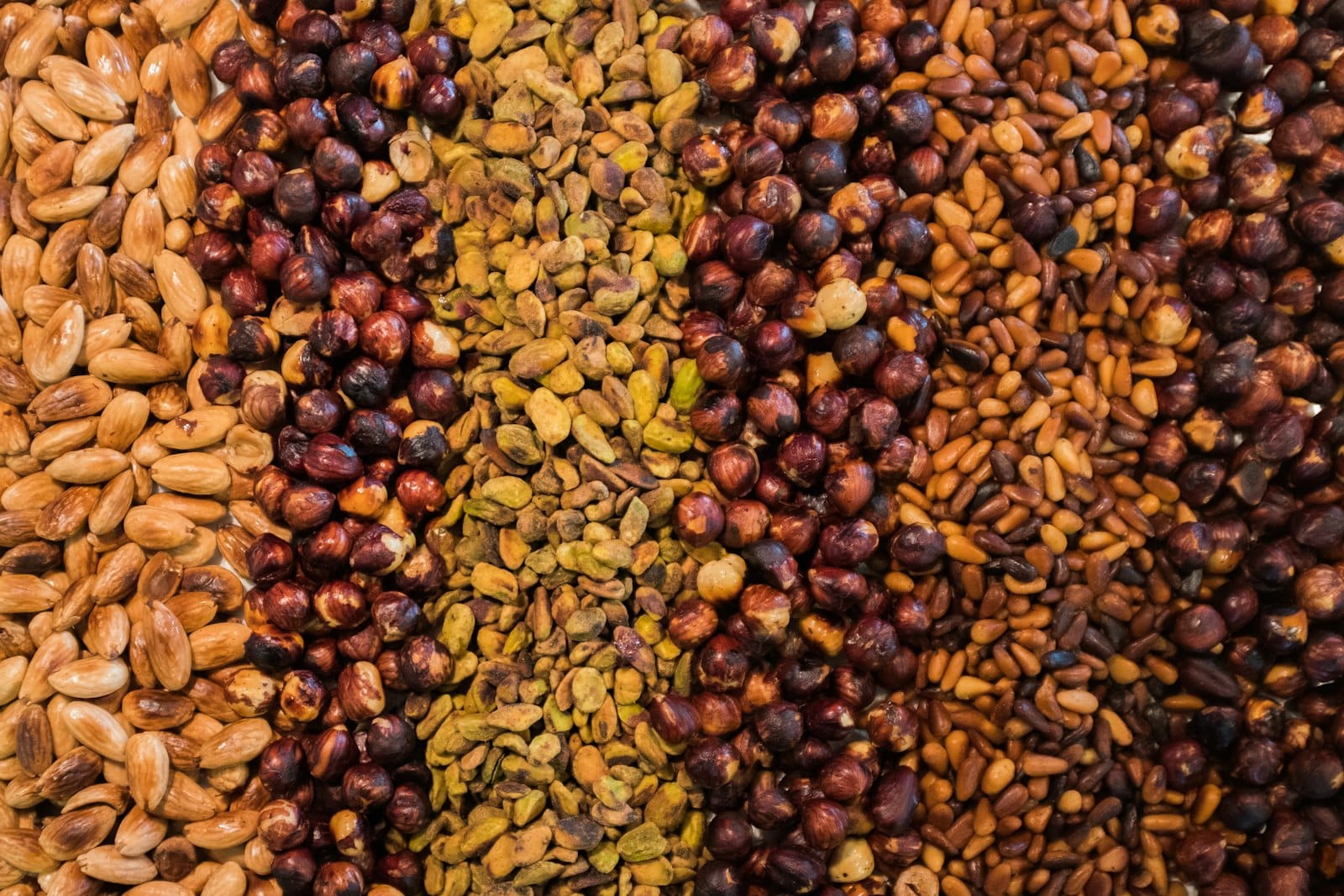
| Nuts & seeds | Unsaturated fats, linked to improved cholesterol |
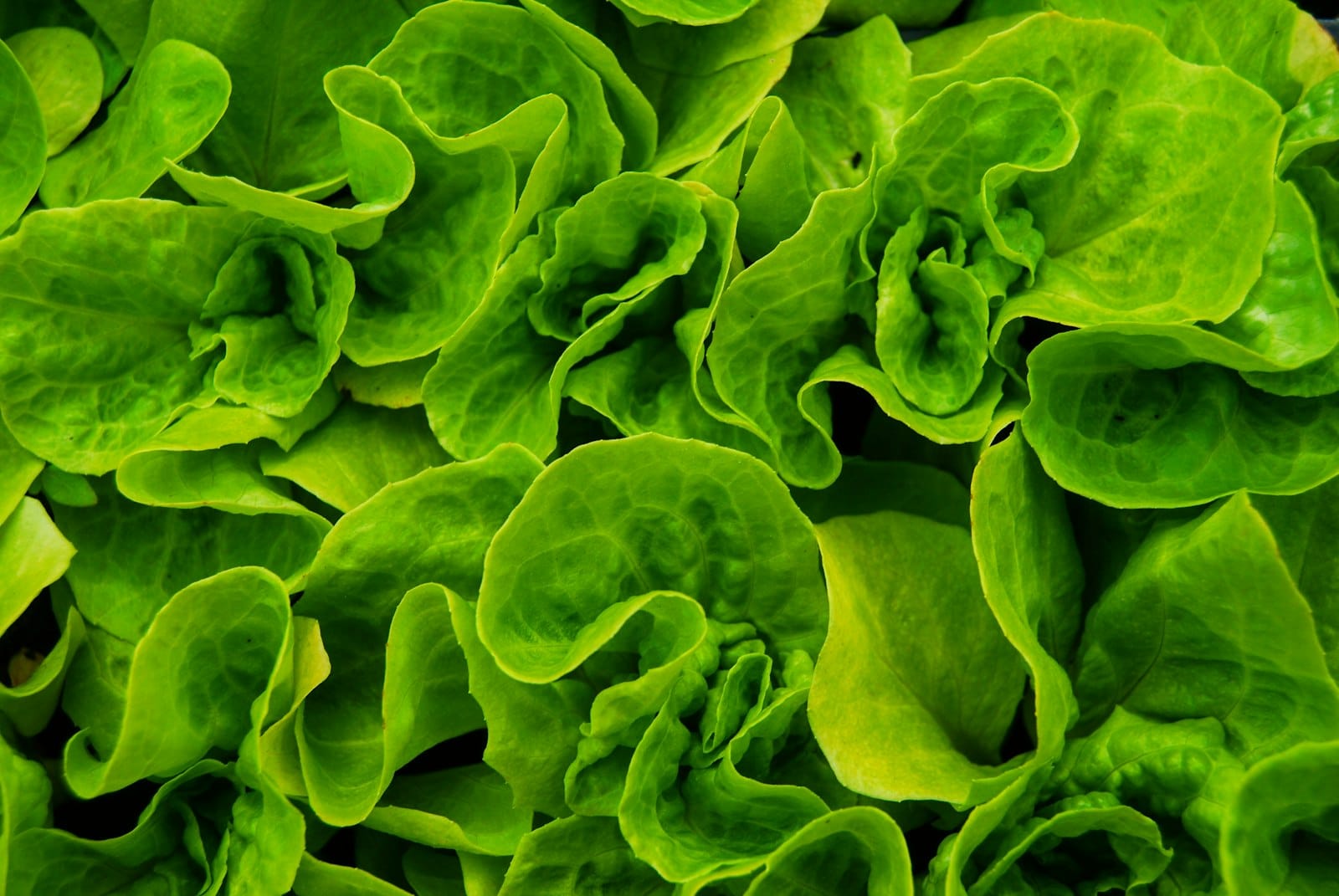
| Leafy greens | Nitrates and antioxidants, support blood vessel health |
Not all plant-based food is equal
It is worth being clear-eyed here — a diet built around chips, packaged vegan snacks and sugary drinks technically qualifies as plant-based, but does not carry the same cardiovascular benefits as one built around whole foods.
Research consistently distinguishes between whole, minimally processed plant foods and heavily processed plant-based products, with the benefits concentrated firmly in the former.
Beyond cholesterol: blood pressure and inflammation
Plant-based diets are also associated with improvements in blood pressure and markers of inflammation, both of which play a role in overall cardiovascular risk.
Potassium-rich foods like leafy greens, beans and bananas support healthy blood pressure, while antioxidant-rich fruits and vegetables help address the low-grade inflammation linked to heart disease over time.

Building a heart-healthy plate
A few practical habits make the biggest difference day to day.
- Choose whole grains over refined where possible — oats, brown rice, whole wheat.
- Include a source of legumes most days — beans, lentils, chickpeas.
- Add a small handful of nuts or seeds regularly.
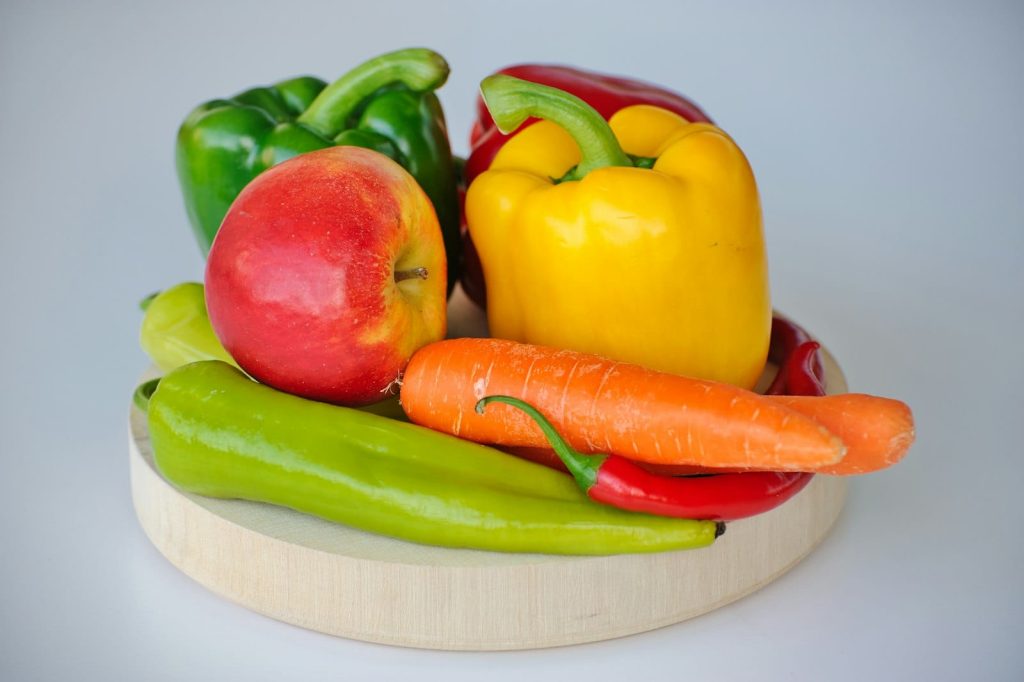
- Fill half the plate with vegetables, especially leafy greens.
It is not just about diet
Diet is one part of a bigger picture — regular movement, adequate sleep and stress management all play meaningful roles in cardiovascular health alongside what you eat.
A brisk daily walk, alongside the dietary changes above, is a genuinely simple, evidence-backed habit worth building.

What the evidence does not say
It is worth being precise about what the research actually shows — it points to a strong association between plant-based eating patterns and lower cardiovascular risk, not a guarantee that any single food or diet change will prevent heart disease outright.
Genetics, existing health conditions and other lifestyle factors all interact with diet in ways that vary meaningfully from person to person, which is exactly why individual medical guidance matters alongside general dietary advice like this.
A practical week of heart-healthy eating
Turning general advice into an actual weekly pattern can be simpler than it sounds.
- Swap white rice or bread for wholegrain versions where you can.
- Add a tin of beans or lentils to at least one meal most days.
- Snack on a small handful of walnuts or almonds instead of packaged crisps.
- Aim for at least one meal a day built mostly around vegetables.
A note on medical guidance
Dietary changes are a meaningful lever, but they are not a substitute for medical care, particularly for anyone with an existing heart condition or on medication.
A GP or dietitian can help tailor any dietary change safely, alongside your current treatment plan, and can also monitor relevant markers like cholesterol and blood pressure over time to confirm the changes are actually working for you specifically.
Saturated fat: still worth watching
While plant-based diets are generally lower in saturated fat than diets built around animal products, it is worth remembering that coconut oil, some plant-based butters and heavily processed vegan snack foods can still carry meaningful amounts.
Favouring unsaturated fats from sources like olive oil, nuts, seeds and avocado over saturated ones remains sound advice regardless of whether a diet is plant-based or not.
A diet worth building around whole foods
The evidence for plant-based eating and heart health is genuinely strong, provided the focus stays on whole, minimally processed foods rather than the plant-based label alone.
For more on building a nutritionally complete plate, see our guide to vegan protein sources, or browse our full plant-based menu at The Cardamom Pod.
For more on the research behind plant-based diets and cardiovascular risk, the American Heart Association’s coverage of this research is a solid starting point.
Small, consistent changes add up
You do not need to overhaul your entire diet overnight to see benefit — gradually shifting toward more whole plant foods, most days, is a realistic and evidence-backed place to start.
Your heart, quite literally, benefits from the effort over time, and small consistent swaps tend to stick far better than a dramatic overnight overhaul that is hard to sustain.
Pick one or two changes from this guide, build them into a genuine habit, and layer on more once they feel automatic rather than trying to change everything at once.
Frequently asked questions
Can a plant-based diet actually lower heart disease risk?
Research points that way — studies have linked plant-based eating patterns with meaningfully lower rates of coronary heart disease and stroke, particularly when the diet centres on whole foods.
Does going plant-based automatically mean a healthier heart?
Not necessarily — heavily processed vegan foods like chips, packaged snacks and sugary drinks do not carry the same cardiovascular benefits as whole plant foods.
What plant-based foods are best for heart health?
Fibre-rich foods like oats, legumes, vegetables and whole grains, along with sources of unsaturated fat like nuts, seeds and avocado, are consistently linked to better cardiovascular markers.
How does fibre help the heart?
Soluble fibre in particular can help lower LDL (“bad”) cholesterol by binding to it in the digestive system, reducing how much is absorbed into the bloodstream.
Should I talk to a doctor before changing my diet for heart health?
Yes, especially if you have an existing heart condition or take medication — a GP or dietitian can help tailor dietary changes safely alongside any existing treatment.
Keep exploring
For more, read our guides to is a vegan diet healthy? myths, facts and nutrition, can a plant-based diet help with weight loss?, and vegan omega-3: sources and how much you need.