Author: Location Hours

  • What Is Açaí? Benefits, Taste & How to Enjoy It

    What Is Açaí? Benefits, Taste & How to Enjoy It

    You have almost certainly seen them: those vibrant, deep-purple bowls piled high with fruit, granola and coconut, all over cafe menus and social feeds. At the heart of every one is açaí — but what exactly is it?

    Pronounced “ah-sah-EE,” this little berry has travelled from the Amazon rainforest to become one of the world’s favourite breakfast superfoods. This guide covers what açaí is, where it comes from, how it tastes, and why it has earned its glowing reputation.

    Spoiler: there is real substance behind the hype.

    Where does açaí come from?

    Açaí (its full name is Euterpe oleracea) is the fruit of the açaí palm, which grows in the floodplains and rainforests of the Amazon, mostly in Brazil.

    The berries are small — only about an inch across — and, curiously, they are technically a stone fruit rather than a true berry, with a large seed making up most of each one. That leaves only a thin layer of edible pulp, which is exactly the part prized for its colour and nutrition.

    Because fresh açaí spoils quickly, it is harvested, pulped and snap-frozen close to where it grows, then shipped around the world as the frozen puree you will find behind the counter at your local cafe.
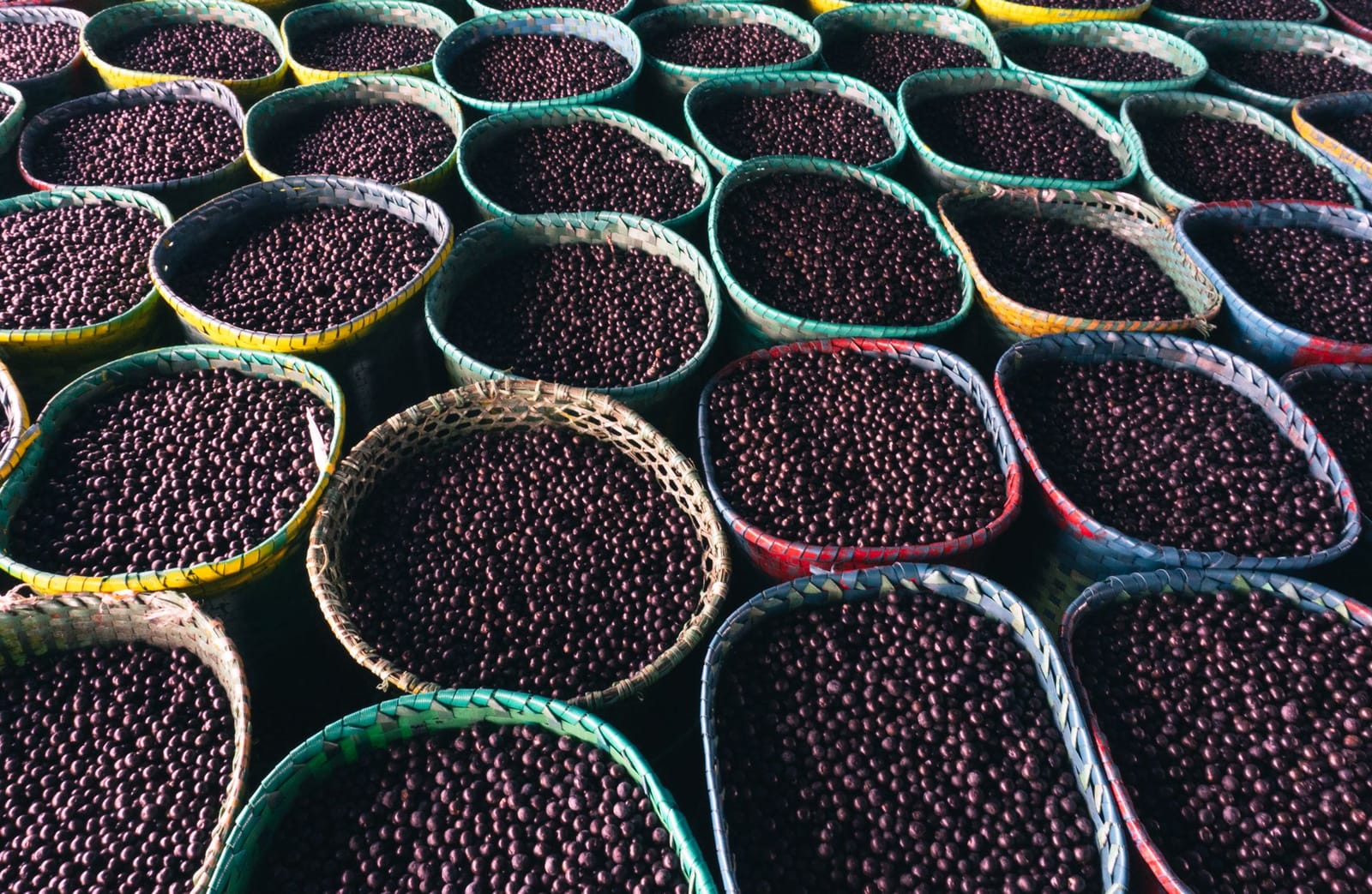
    Deep purple acai berries

    What does açaí taste like?

    If you are expecting something sweet like a strawberry, açaí will surprise you. On its own it has a rich, earthy flavour with faint notes of blackberry and dark, unsweetened chocolate — and very little natural sugar.

    That low sweetness is actually part of its appeal. It means açaí pairs beautifully with banana and other fruit, which round it out without the need for added sugar, and it gives an açaí bowl that satisfying, not-too-sweet depth.
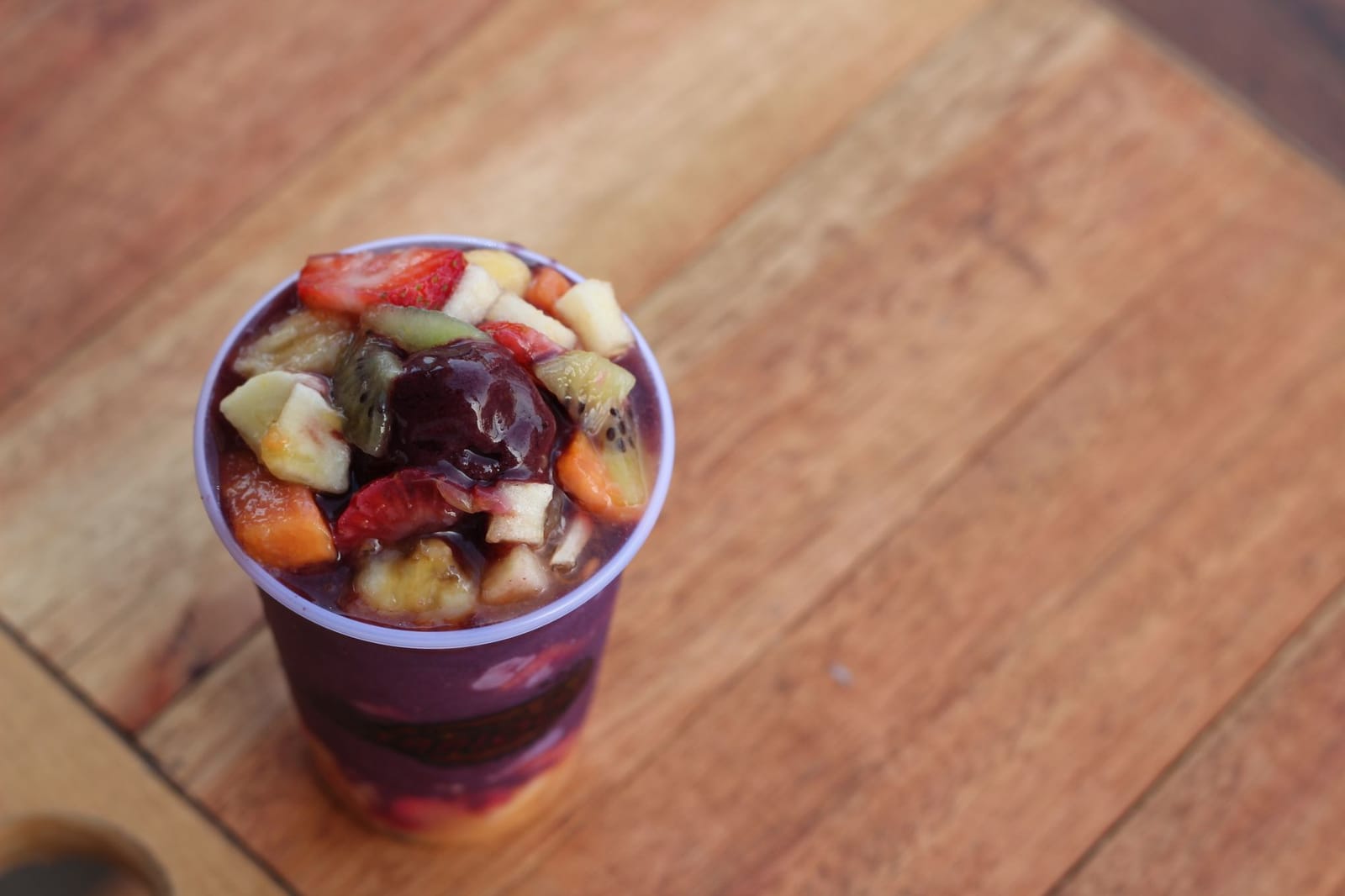
    A purple acai smoothie in a glass

    The health benefits of açaí

    Açaí earned its “superfood” label for good reason. It is one of the most antioxidant-rich foods you can eat.

    • Exceptionally high in antioxidants — especially anthocyanins, the deep-purple pigments that also feature in blueberries, but in even greater amounts.
    • Heart-supportive — those antioxidants and plant compounds are linked to heart health.
    • Good fats & fibre — unusually for a fruit, açaí contains healthy fats along with fibre.
    • Low in sugar — far less than most fruit in its pure, unsweetened form.

    For a science-backed rundown, Cleveland Clinic covers the benefits of açaí berries in detail.
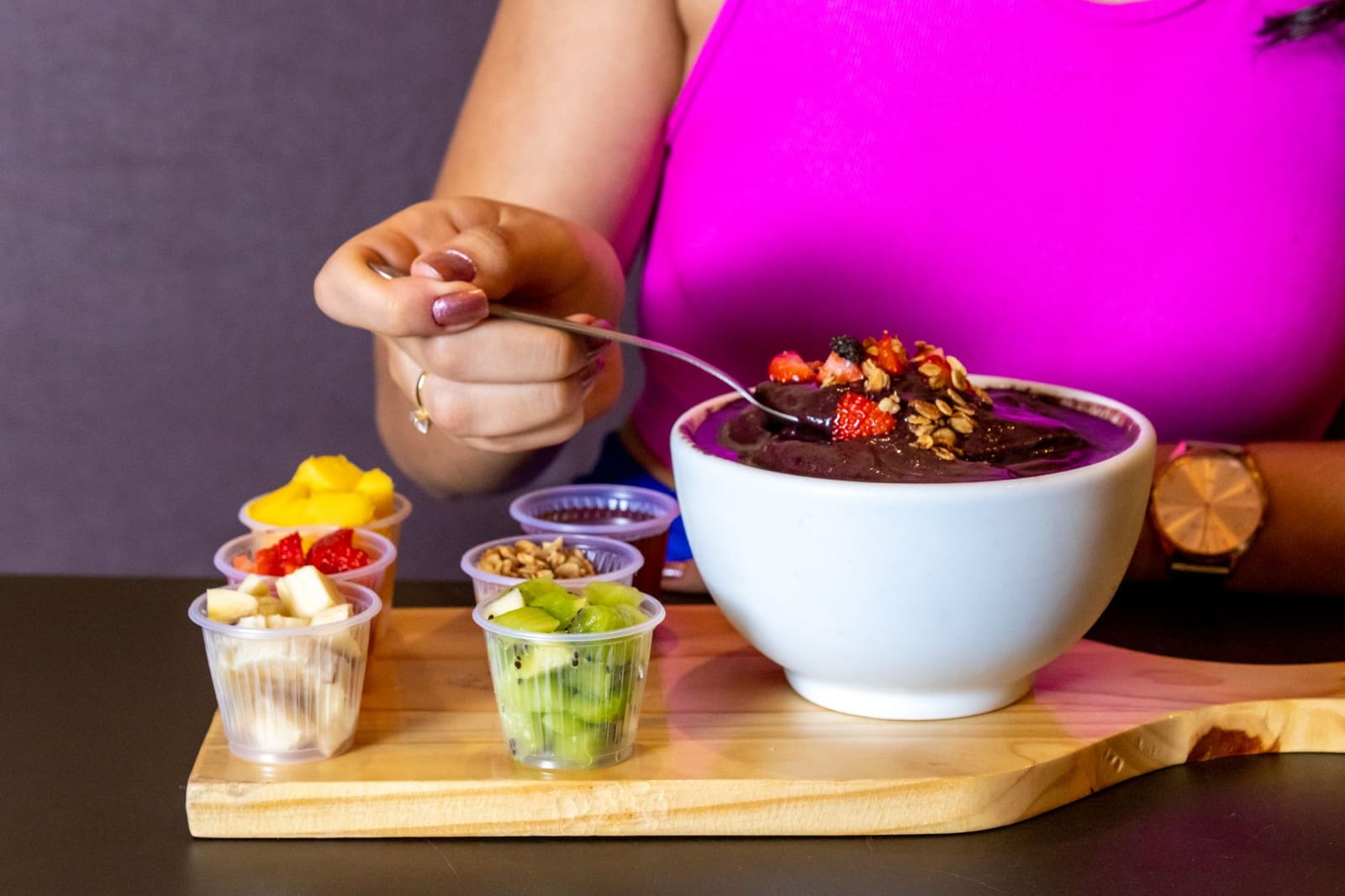
    Dark purple acai puree on a spoon

    The açaí bowl: how it is served

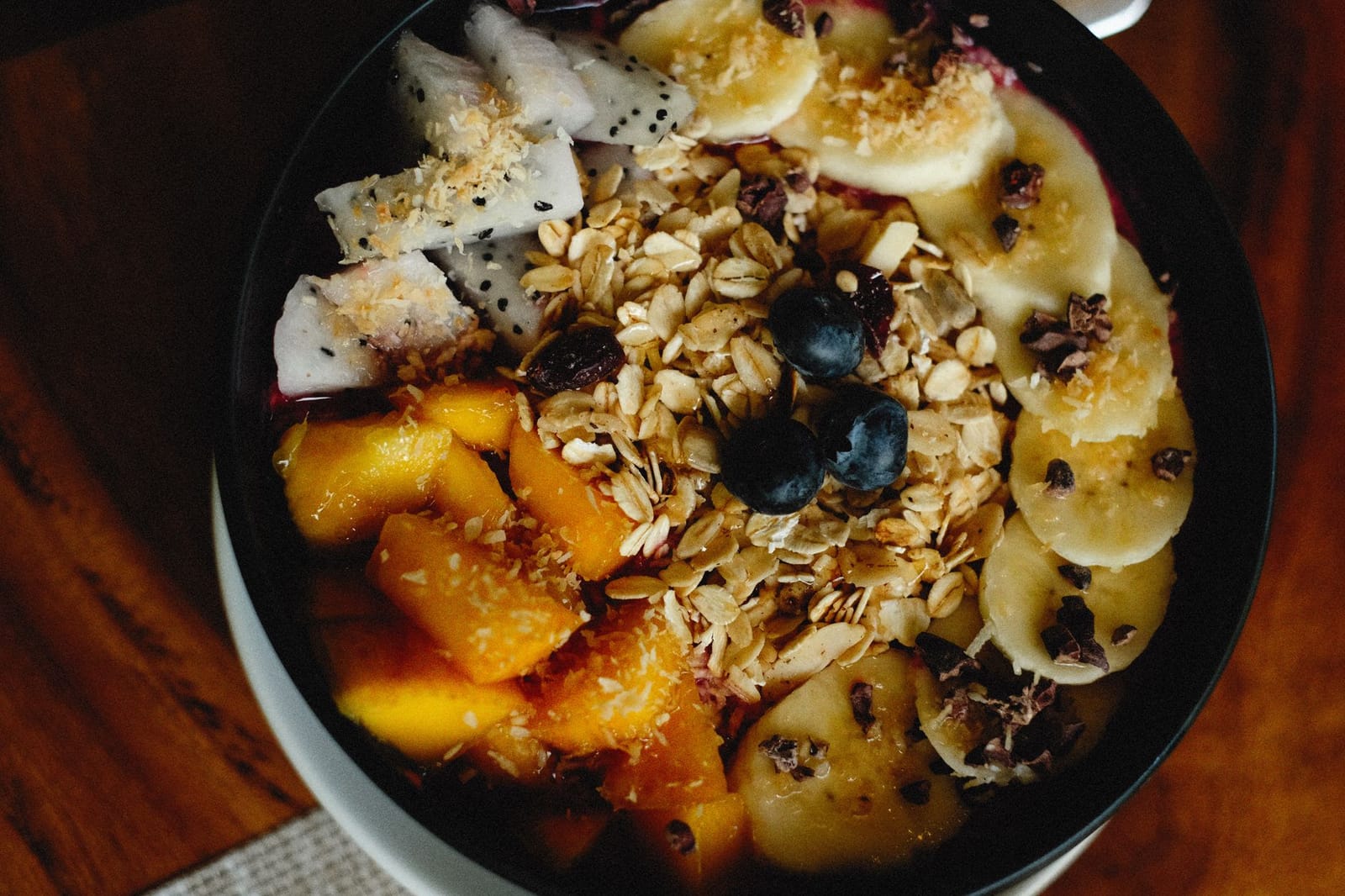
    By far the most popular way to enjoy açaí is in a bowl. Frozen açaí puree is blended with banana and a splash of plant milk or juice until thick and smooth, then poured into a bowl and loaded with toppings.

    Classic toppings include fresh fruit, house-made granola, coconut, seeds and a drizzle of nut butter. The result is refreshing, energising and endlessly customisable — part breakfast, part work of art.
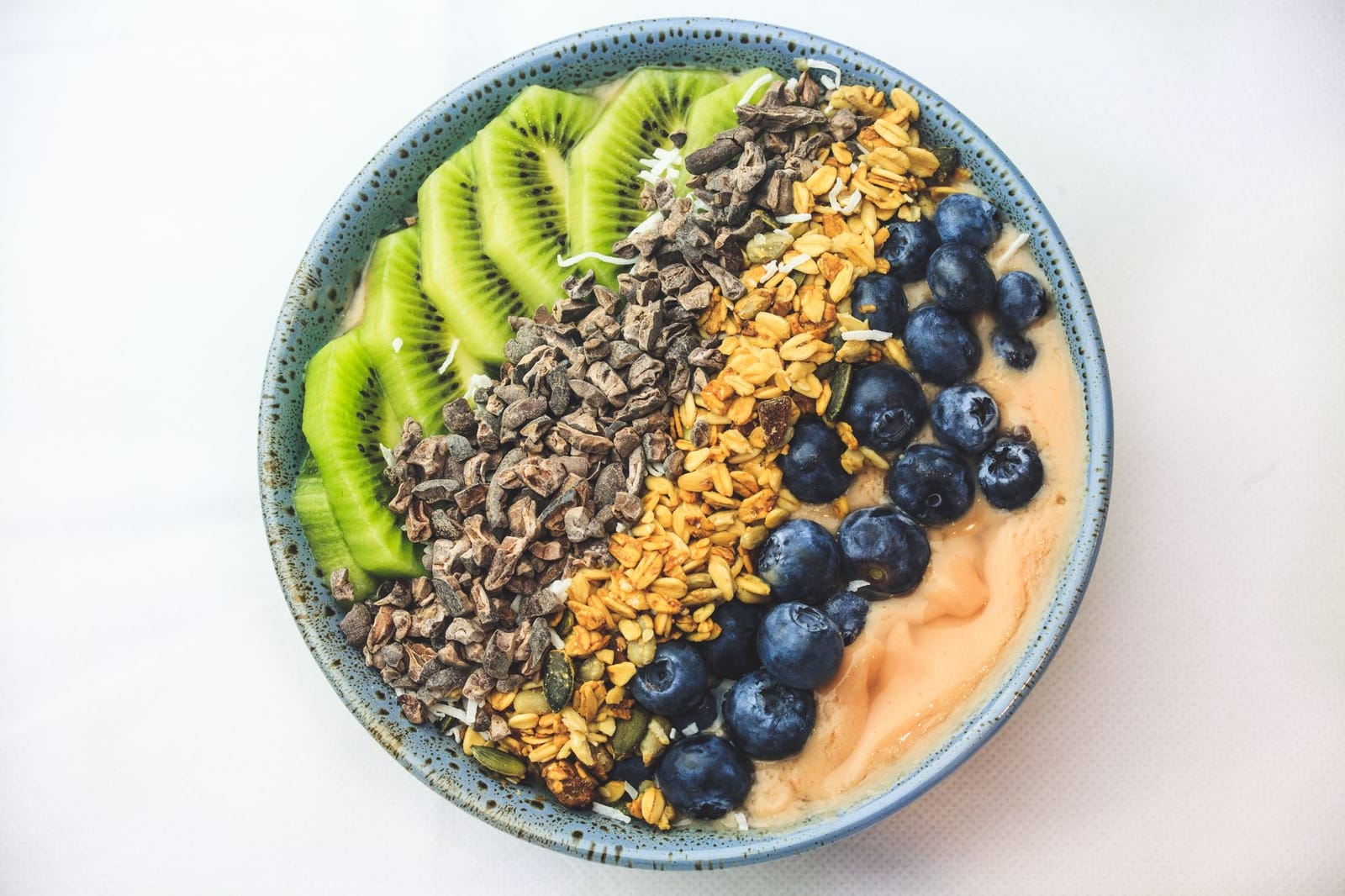
    Overhead acai bowl loaded with toppings

    Are açaí bowls actually healthy?

    This is where a little awareness helps. The açaí itself is genuinely nutritious, but the healthiness of a bowl comes down to what goes on top.

    A bowl built on açaí, fresh fruit and a modest scatter of granola is a wonderfully wholesome choice. Pile on sugary syrups, chocolate chips and sweetened extras, though, and it edges closer to dessert. The trick is to lean on fruit, nuts and seeds for texture and let the açaí do the talking.
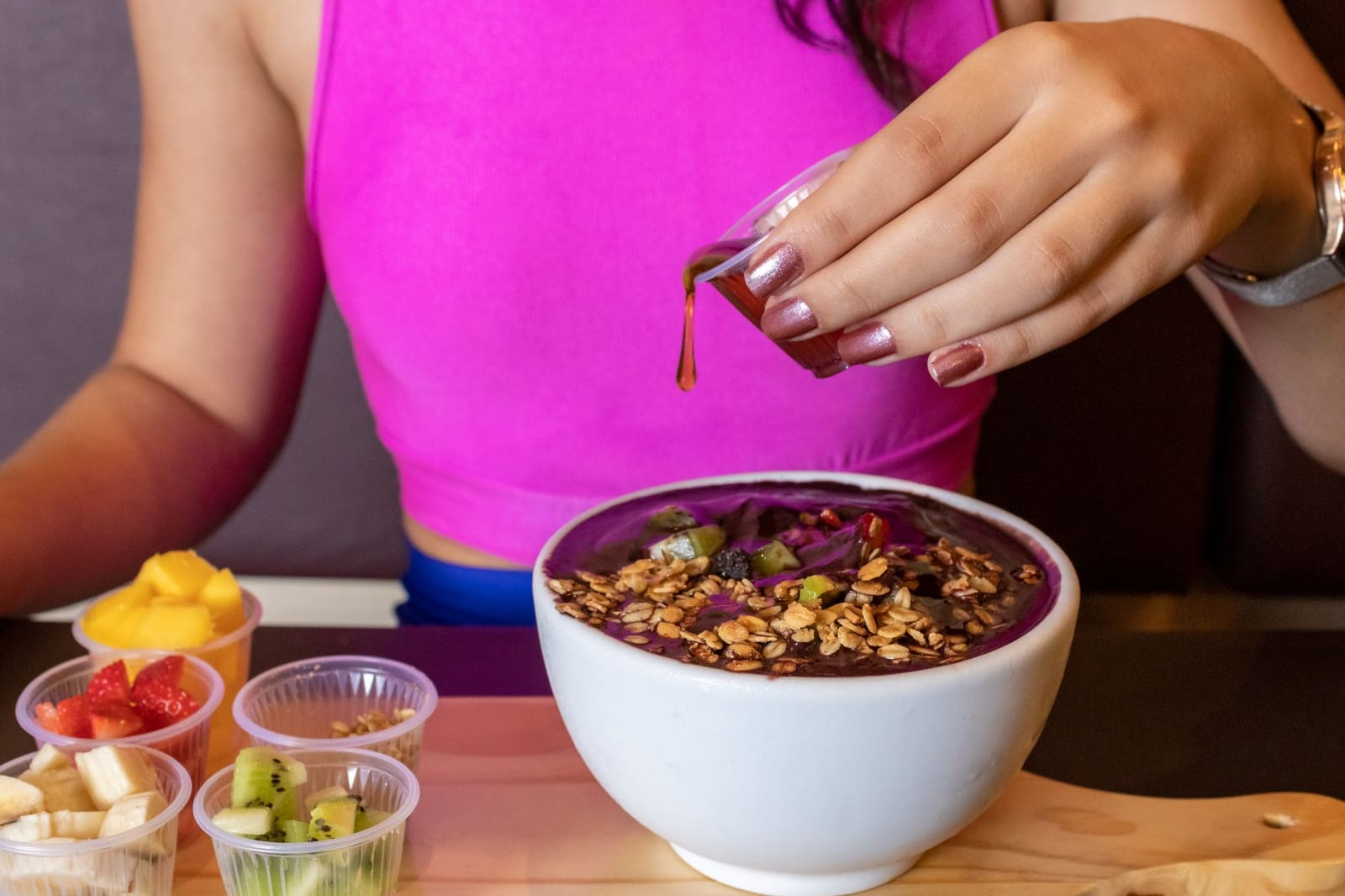
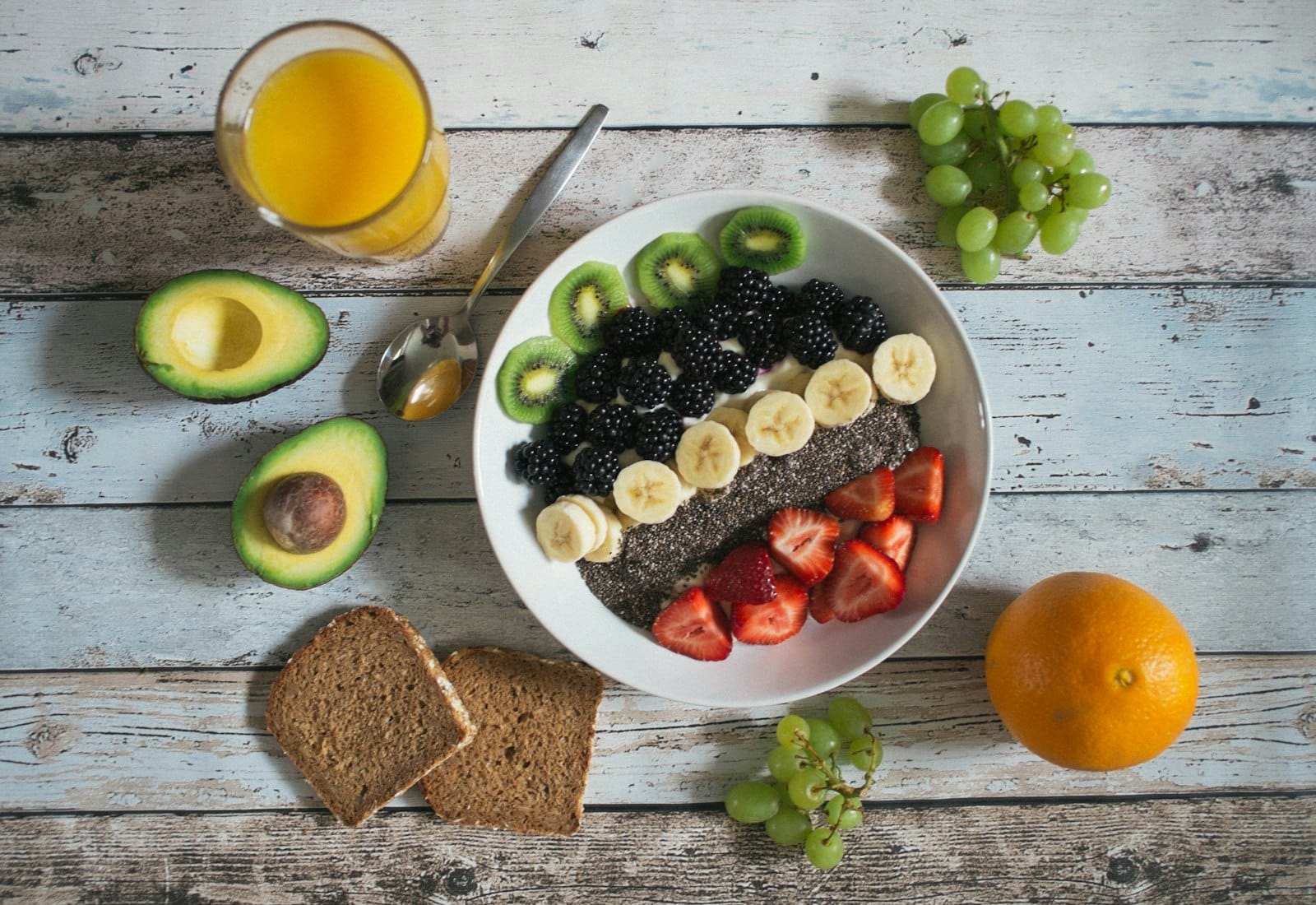
    A healthy acai breakfast with fresh fruit

    Açaí at The Cardamom Pod

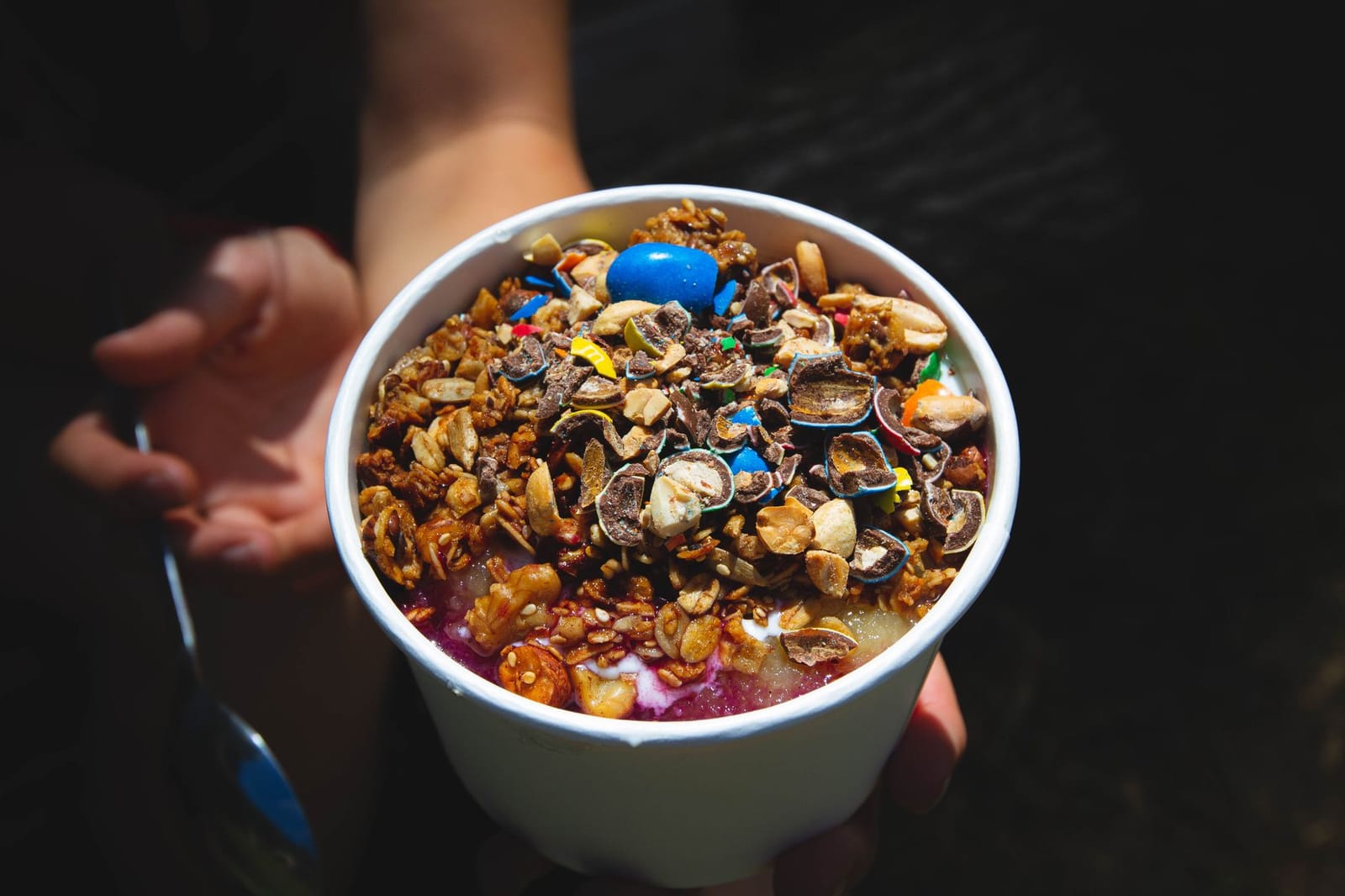
    Açaí bowls are one of the things our regulars love most. At The Cardamom Pod in Southport, our Pod Special Açaí blends açaí with banana and blueberries, then tops it with mango mousse, house-made granola, fresh fruit, a protein ball and blue spirulina crème.

    It is a bowl that looks as good as it tastes — and it is fully plant-based. Browse the full plant-based menu at The Cardamom Pod, take a look at our food gallery, or book a table at The Brickworks in Southport.
    A tropical acai bowl

    How to build a balanced açaí bowl

    If you want your açaí bowl to be as nourishing as it is beautiful, a little thought about the build goes a long way.

    Start with a base of pure açaí blended with banana and a splash of plant milk for creaminess — this keeps it thick enough to actually hold your toppings. From there, load up on fresh fruit for natural sweetness and colour, and add a modest handful of granola for crunch.

    For staying power, scatter over seeds, nuts or a spoonful of nut butter; the healthy fats and protein turn a light bowl into a proper, satisfying breakfast. Coconut flakes and a few extra berries finish it beautifully.

    The one thing to go easy on is the sugary extras — chocolate sauce, sweetened syrups and lollies. Let the fruit and açaí provide the sweetness, and you will have a bowl that looks incredible and genuinely fuels your morning.

    The takeaway on açaí

    Açaí is a nutrient-dense, antioxidant-rich Amazonian berry with an earthy, chocolatey character and very little natural sugar. Blended into a bowl with fresh fruit and wholesome toppings, it makes one of the most refreshing and photogenic breakfasts around.

    Next time you order one, you will know exactly what you are eating — and why it is worth the hype.

    Frequently asked questions

    What is açaí?

    Açaí is a small, deep-purple berry that grows on açaí palms in the Amazon rainforest of South America. It is prized for its very high antioxidant content and is usually sold as a frozen puree, then blended into bowls and smoothies.

    What does açaí taste like?

    Açaí has a rich, earthy flavour with subtle notes of berry and dark chocolate, and only mild natural sweetness. On its own it is far less sweet than most fruit, which is why it is usually blended with banana and other fruit.

    Is açaí good for you?

    Açaí is exceptionally rich in antioxidants — especially anthocyanins, the compounds behind its purple colour — along with fibre and healthy fats. As part of a balanced diet it is a genuinely nutritious choice.

    Is an açaí bowl healthy?

    It can be very healthy, but it depends on the toppings. A bowl built on açaí, fruit and a little granola is nourishing; piling on syrups, chocolate and sugary extras turns it into more of a treat. Balance is everything.

    How do you eat açaí?

    Most commonly as an açaí bowl — thick, blended açaí topped with fresh fruit, granola, seeds and coconut — or blended into a smoothie. It is a refreshing, energising breakfast or snack.

    Keep exploring

    For more, read our guides to the best vegan breakfast on the Gold Coast, plant-based milks compared, and healthy cafes on the Gold Coast.
  • Plant-Based Milks Compared: Oat vs Soy vs Almond vs Coconut

    Plant-Based Milks Compared: Oat vs Soy vs Almond vs Coconut

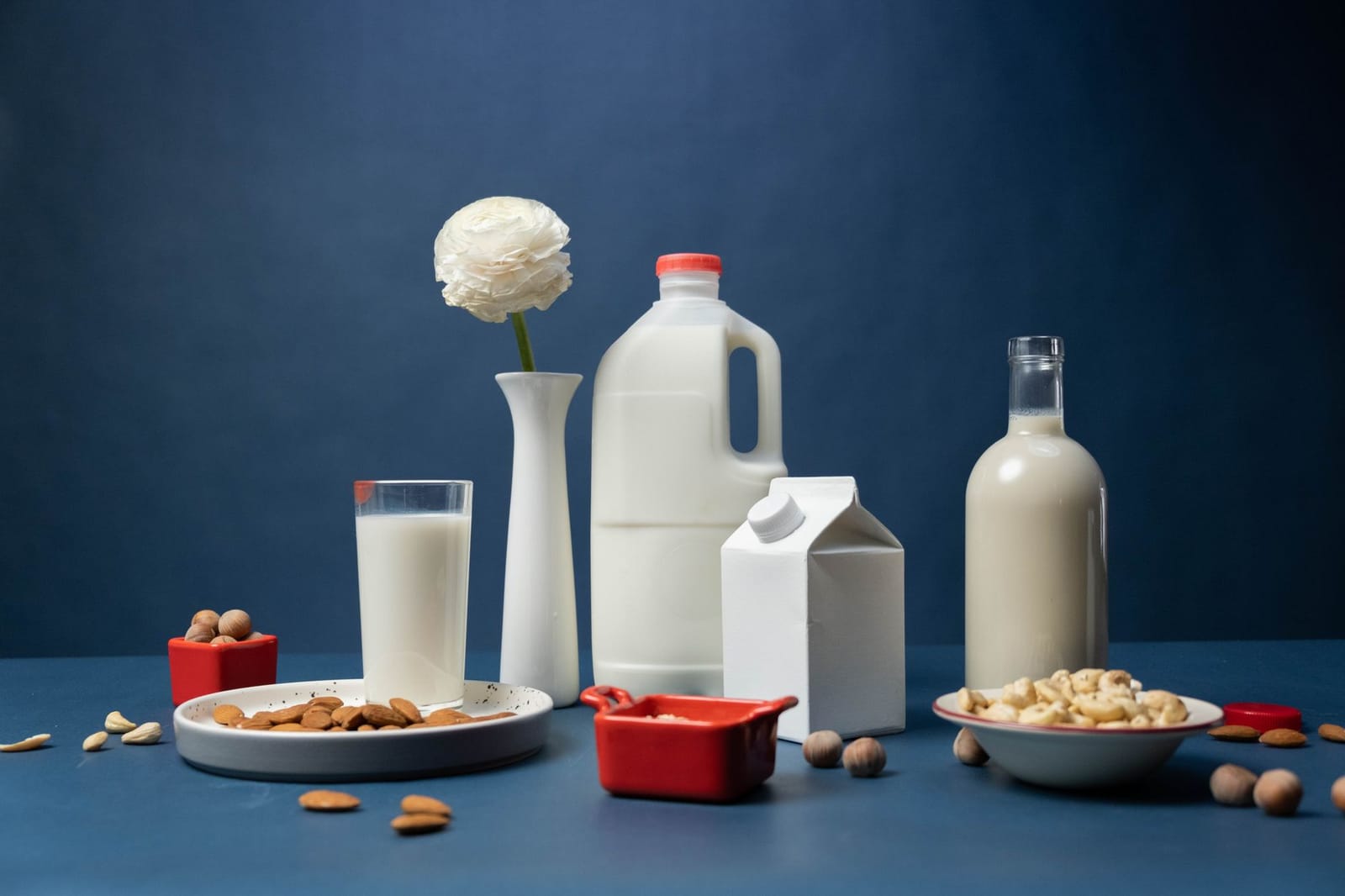
    Walk down any supermarket aisle and the plant-milk options can feel endless. Oat, soy, almond, coconut — each has its fans, and each behaves a little differently in your coffee, your cereal and your smoothie.

    So which one should you actually reach for? The honest answer is that it depends on what you want from it. This guide compares the four most popular plant-based milks on protein, calories, taste and how they perform, so you can choose with confidence.

    The good news: there is no wrong choice, only the right one for your cup.

    The four most popular plant milks

    Before we compare the numbers, it helps to know what each milk actually is and where its character comes from.

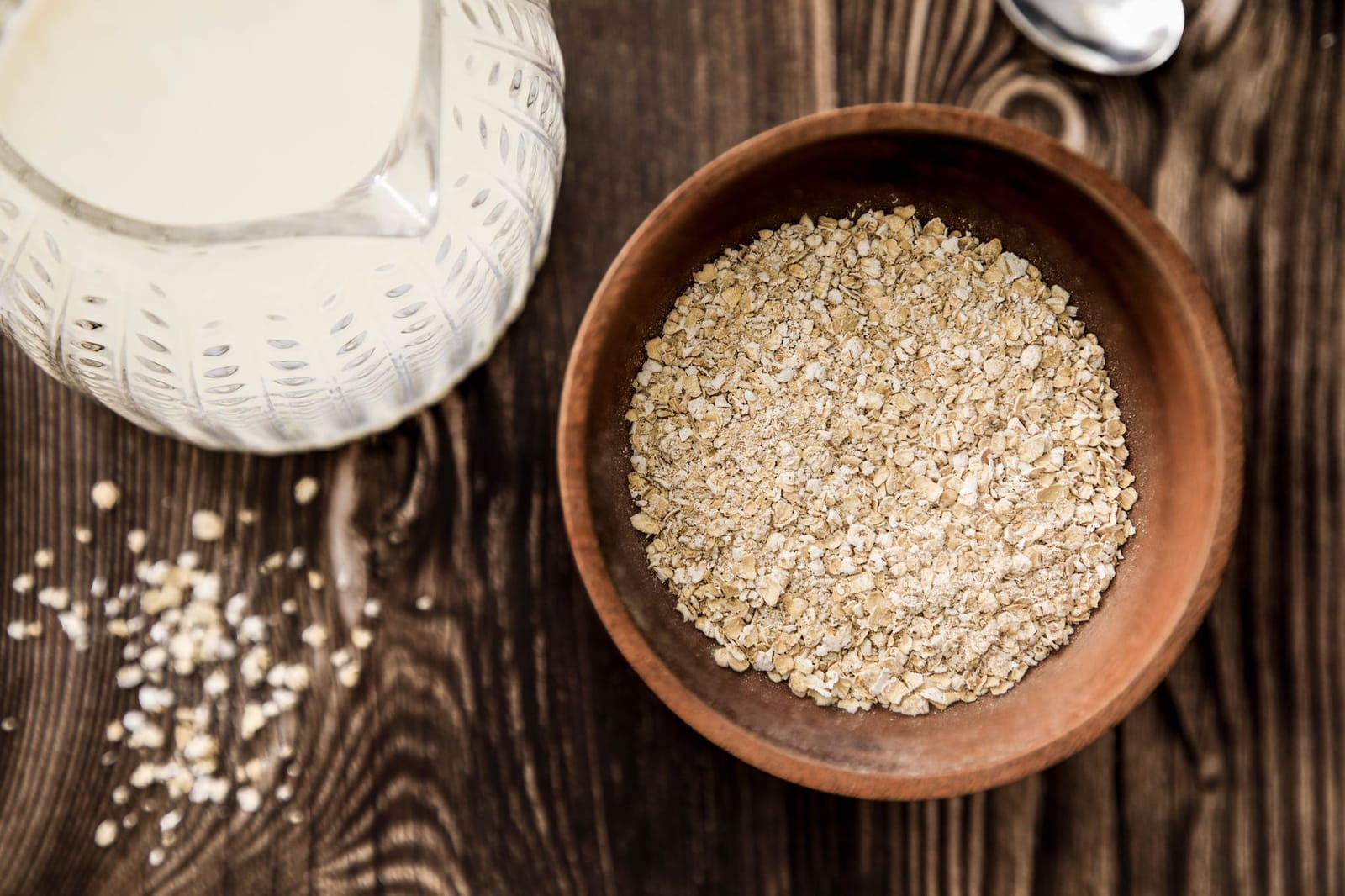
    Oat milk is made by blending oats with water and straining. It is naturally creamy and slightly sweet, which has made it the darling of the specialty-coffee world.

    Soy milk is made from soybeans and is the nutritional heavyweight — the closest plant milk to dairy in protein. It has a mild, rounded flavour that works almost anywhere.

    Almond milk is made from ground almonds and water. It is light, mildly nutty and low in calories, though also low in protein. Coconut milk (the drinking kind) is rich and subtly tropical, and equally light on protein.

    Oat milk in a glass beside rolled oats

    Oat vs soy vs almond vs coconut: the comparison

    Here is how the four stack up. Figures are approximate for unsweetened versions, per 100ml.

    MilkCaloriesProteinBest forCharacter
    Soy~33~3gAll-round, coffee, proteinMild, creamy, closest to dairy
    Oat~40~1gCoffee, lattes, bakingCreamy, naturally sweet, foams well
    Almond~14~0.5gSmoothies, cereal, low-calLight, mildly nutty
    Coconut~15~0.2gCurries, smoothies, tropicalRich, subtly tropical
    Approximate nutrition and best uses for popular plant-based milks (unsweetened, per 100ml).

    A quick takeaway: choose soy for protein, oat for creaminess, and almond or coconut when you want something light. For a deeper academic comparison, this nutritional review of plant-based milks is a great resource.

    Soy milk in a glass with soybeans

    Which plant milk is best for coffee?

    This is the question that starts the most debates. For coffee, texture matters as much as taste.

    Oat milk has become the barista favourite because it steams into a silky microfoam and adds natural sweetness without overpowering the coffee. Soy milk is another reliable performer, foaming well and adding body, though it can occasionally split with very hot or acidic coffee.

    Almond and coconut milks are lighter and can be more prone to separating, though barista editions are formulated to behave. If in doubt, look for a “barista” version — it is designed to froth and hold.

    A latte made with plant-based milk

    Choosing the right milk for the job

    Beyond coffee, each milk has dishes where it truly shines.

    • Smoothies — almond and coconut keep things light; soy adds protein and staying power.
    • Cereal & porridge — oat and soy bring creaminess; almond keeps it light.
    • Baking — oat and soy are dependable all-rounders.
    • Curries & savoury cooking — coconut adds richness and a subtle sweetness.
    • Everyday drinking — soy for nutrition, oat for indulgence.
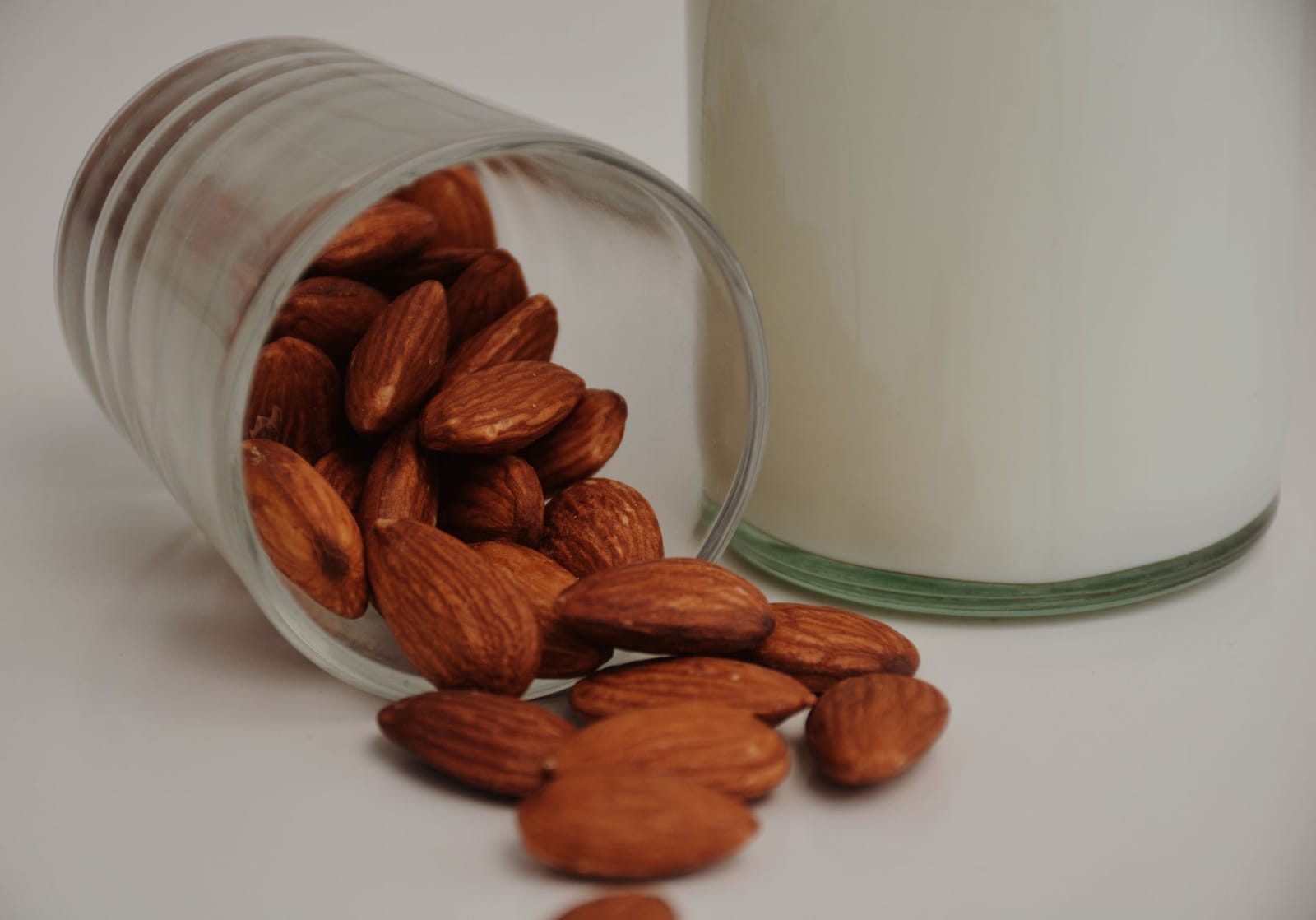
    Almond milk in a glass with whole almonds

    What about added sugar and fortification?

    One tip matters more than almost any other: check the label for added sugar. Sweetened plant milks can carry a surprising amount, so unsweetened versions give you a cleaner, fairer comparison — and let you control the sweetness yourself.

    It is also worth choosing milks fortified with calcium, vitamin D and B12, especially if plant milk is a daily staple. Fortification helps these milks stand in nutritionally for dairy, which is particularly useful on a fully plant-based diet.

    Coconut milk in a glass beside fresh coconut

    The environmental angle

    For many people, sustainability is part of the decision — and here plant milks generally shine, with a lower footprint than dairy across water, land and emissions.

    Among the plant options, oat and soy tend to perform particularly well, while almond is more water-intensive to grow. None of these differences are dramatic enough to override taste and nutrition for most people, but they are worth knowing if the planet factors into your cup.

    Plant milk being poured into a smoothie

    Try them at The Cardamom Pod

    Not sure which you prefer? The easiest way to find out is to taste them side by side in something you love — like a good coffee. At The Cardamom Pod in Southport, we pour a full range of plant milks (with a cow-milk option too), so you can find your favourite.

    Browse the full plant-based menu at The Cardamom Pod, or book a table at The Brickworks in Southport and put a few to the test.

    So, which plant milk should you choose?

    With four strong options, the choice really comes down to what matters most to you on the day.

    If protein is your priority — perhaps you are active, or you want your morning coffee to do a little more — soy is the clear pick, and it behaves well almost everywhere. If you live for a good flat white or latte, oat milk is hard to beat for its creamy texture and barista-friendly foam.

    Watching calories, or simply after something light and mild? Almond milk keeps things gentle, while coconut brings a subtle tropical richness that is lovely in smoothies and curries. And there is no rule that says you have to pick just one — plenty of households keep two on hand: a creamy one for coffee and cooking, and a lighter one for everyday drinking.

    Whichever you choose, reach for an unsweetened, fortified version and you really cannot go far wrong.

    Frequently asked questions

    Which plant-based milk is healthiest?

    There is no single winner — it depends on your goals. Soy milk has the most protein and the best protein quality, oat milk is creamy and higher in carbohydrates, and almond and coconut milks are lowest in calories. Choosing unsweetened versions is the simplest way to keep any of them healthy.

    Which plant milk is best for coffee?

    Oat and soy milk are the popular choices for baristas because they steam and foam well and complement coffee without splitting. Barista-edition versions are formulated specifically to froth and hold up in hot drinks.

    Which plant milk has the most protein?

    Soy milk, by a clear margin — around 3g per 100ml, close to dairy milk. Oat has about 1g, almond around half a gram, and coconut milk has virtually none.

    Is plant milk better than dairy milk?

    For many people, plant milks are a great choice — they are cholesterol-free, suit dairy-free and vegan diets, and generally have a lower environmental footprint. Soy comes closest to dairy nutritionally; others are lighter.

    Are plant-based milks fortified with calcium and B12?

    Many are. A lot of plant milks are fortified with calcium, vitamin D and B12 to match dairy, so if you rely on them, choosing a fortified, unsweetened version is a smart move.

    Keep exploring plant-based eating

    For more, read our guides to the best vegan protein sources, the best cafes in Southport, and the best vegan breakfast on the Gold Coast.

  • Vegan Protein: The Best Sources & How Much You Need

    Vegan Protein: The Best Sources & How Much You Need

    “But where do you get your protein?” is the question every plant-based eater has heard a hundred times. The reassuring answer: from a huge range of delicious, everyday foods.

    Protein is not the challenge it is often made out to be on a plant-based diet. With a little variety, getting enough is genuinely easy — and you pick up fibre, healthy fats and antioxidants along the way.

    This guide runs through the best vegan protein sources, how much protein they provide, and simple ways to make sure you are getting plenty.

    Why protein matters (and why plants deliver)

    Protein supports your muscles, immune system, hormones and countless other functions. The good news is that plants are full of it.

    For years, people believed plant proteins were “incomplete” and had to be carefully combined. Modern nutrition is clear that eating a variety of plant foods across the day provides all the essential amino acids your body needs — no complicated food-pairing required. For more, Vegan Australia has a helpful overview of eating healthily on a plant-based diet.

    A bowl of cooked lentils, a plant protein source

    The best vegan protein sources

    Here are some of the most reliable plant proteins and roughly how much they provide.

    FoodProtein (per 100g / serving)Also great for
    Seitan~25g / 100gHighest protein (contains gluten)
    Tempeh~19g / 100gFibre & probiotics
    Tofu~8g / 100gVersatility, gluten-free
    Edamame~11g / 100gSnacking, whole soy
    Lentils~9g / 100g (~18g / cup)Fibre, iron
    Chickpeas~9g / 100gHummus, curries, salads
    Quinoa~4g / 100g cookedA complete-protein grain
    Nuts, seeds & nut butter~15–25g / 100gHealthy fats
    Approximate protein content of common vegan foods.

    Notice how quickly it adds up: a bowl with tofu or tempeh, some lentils or chickpeas, quinoa and a sprinkle of seeds can easily deliver 25–35g of protein in one meal.

    A bowl of chickpeas

    How much protein do you actually need?

    For most adults, a common guideline is roughly 0.8 to 1 gram of protein per kilogram of body weight per day, with more for athletes and very active people.

    Spread across three meals and a snack or two, that target is very achievable on plants. If you are training hard or have specific health goals, an accredited dietitian can fine-tune the numbers for you.

    A simple way to picture it: aim for a protein source at every meal and a couple of protein-rich snacks, and the daily total quietly takes care of itself. You rarely need to count grams — you just need to keep plants like legumes, soy foods, wholegrains, nuts and seeds in regular rotation.

    Cooked quinoa, a complete plant protein

    Easy ways to get more plant protein

    You do not need protein powders or complicated meal plans. A few simple habits make all the difference.

    • Build meals around a protein anchor — tofu, tempeh, legumes or seitan.
    • Add legumes to everything — lentils in soups, chickpeas in salads, beans in tacos.
    • Snack smart — edamame, roasted chickpeas, nuts, seeds and nut butter.
    • Choose higher-protein grains — quinoa, buckwheat and oats.
    • Top and sprinkle — hemp, pumpkin and sunflower seeds add easy grams.
    Mixed nuts and seeds for plant protein

    Protein-packed plant-based dishes to try

    Some of the most satisfying high-protein meals are also the most colourful. Nourish and grain bowls are a perfect example — layering tofu or tempeh with legumes, quinoa and seeds for a plate that keeps you full for hours.

    At The Cardamom Pod in Southport, our Flourish Bowl brings together tempeh, quinoa pilaf and greens, while the Okinawa Longevity Platter features teriyaki tofu and edamame. Both show just how hearty plant protein can be. Browse the full plant-based menu, explore our food gallery, or book a table at The Brickworks in Southport.

    Edamame soybeans in a bowl

    The bottom line on vegan protein

    Getting enough protein on a plant-based diet is simple once you know where to look. Legumes, soy foods, wholegrains, nuts and seeds all pull their weight — and eating a variety across the day covers everything your body needs.

    So the next time someone asks where you get your protein, you will have plenty of delicious answers.

    A protein-packed vegan buddha bowl

    Do plant proteins contain all the amino acids?

    This is where a lot of the old “incomplete protein” worry comes from — so it is worth clearing up.

    Your body needs nine essential amino acids from food. Some plant foods are lower in one or two of them (grains tend to be lower in lysine, many legumes lower in methionine), which is where the myth that plant protein is “incomplete” began.

    In reality, several plant foods — including soy, quinoa and buckwheat — are complete proteins on their own. And for everything else, simply eating a variety of plant foods across the day fills in any gaps. The classic pairing of beans and rice, for example, covers all the bases — but you do not need to engineer it at every single meal.

    Protein tips for active plant-based lifestyles

    If you train hard or are trying to build muscle, you will want to aim towards the higher end of your protein range — and the good news is that plants can absolutely get you there.

    Spread your protein evenly across the day rather than loading it all into dinner, and include a source at breakfast (think tofu scramble, a protein smoothie or overnight oats with seeds). Around training, pair a protein source with some carbohydrate to support recovery. With a bit of planning, a plant-based diet supports even serious athletic goals.

    Frequently asked questions

    Can you get enough protein on a vegan diet?

    Yes, easily. A varied plant-based diet built on legumes, tofu, tempeh, wholegrains, nuts and seeds comfortably meets protein needs. The key is variety across the day rather than relying on a single food.

    What are the highest-protein vegan foods?

    Seitan (~25g per 100g), tempeh (~19g), tofu (~8g), edamame, lentils, chickpeas, beans, quinoa, nuts, seeds and peanut butter are all strong sources. Combining a few across your meals adds up quickly.

    Do vegans need to combine proteins at every meal?

    No. It was once believed you had to combine proteins in one sitting, but current advice is that eating a variety of plant proteins across the whole day provides all the amino acids you need.

    How much protein do I need each day?

    A common guide is around 0.8–1g of protein per kilogram of body weight for most adults, with more for very active people. A dietitian can tailor this to you.

    Is plant protein as good as animal protein?

    A well-planned plant-based diet provides high-quality protein and plenty of other benefits like fibre and healthy fats. Most plant foods contain all essential amino acids; eating a range covers everything.

    Keep exploring

    For more, read our guides to tofu vs tempeh vs seitan, what tempeh is and how to use it, and the best vegan breakfast on the Gold Coast.

  • What Is Tempeh? A Plant-Based Protein Guide

    What Is Tempeh? A Plant-Based Protein Guide

    Tempeh is one of the most underrated ingredients in plant-based cooking. Firm, nutty and packed with protein, it has been a staple in Indonesia for centuries — and it is finally getting the attention it deserves on menus everywhere.

    If you have spotted it on a cafe menu or in the fridge aisle and wondered what it actually is, this guide has you covered: what tempeh is made from, how it tastes, why it is so good for you, and how to cook it at home.

    Once you get to know tempeh, it may just become your favourite plant protein.

    What is tempeh, exactly?

    Tempeh is a traditional Indonesian food made from whole soybeans that are cooked and then fermented with a natural culture. As it ferments, the beans bind together into a firm, sliceable cake shot through with a fine white web.

    That fermentation is the magic. It develops tempeh’s signature nutty, savoury flavour, makes the soybeans easier to digest, and creates gut-friendly probiotics along the way.

    Because it uses the whole bean, tempeh is minimally processed and keeps all its fibre — which sets it apart from many other plant proteins. You can read more about the health benefits of tempeh at BBC Good Food.

    Tempeh sliced into strips

    What does tempeh taste like?

    Tempeh has a firm, meaty texture and a nutty, slightly earthy, savoury flavour. Some people notice a faint bitterness in plain tempeh, but a quick steam or simmer before cooking softens that completely.

    Its real superpower is how well it absorbs flavour. Marinate tempeh and it will happily take on smoky barbecue, sticky teriyaki, spicy sambal or zesty citrus — which is why it works across so many cuisines.

    Tempeh cooking in a frying pan

    The health benefits of tempeh

    Tempeh is a genuine nutritional all-rounder, which is a big part of its growing popularity.

    • High in protein — around 19g per 100g, close to double that of firm tofu.
    • Rich in fibre — because it is made from the whole soybean.
    • Gut-friendly — fermentation adds beneficial probiotics.
    • Nutrient-dense — a good source of iron, manganese and B vitamins.
    • Minimally processed — a simple, wholefood way to eat more plants.
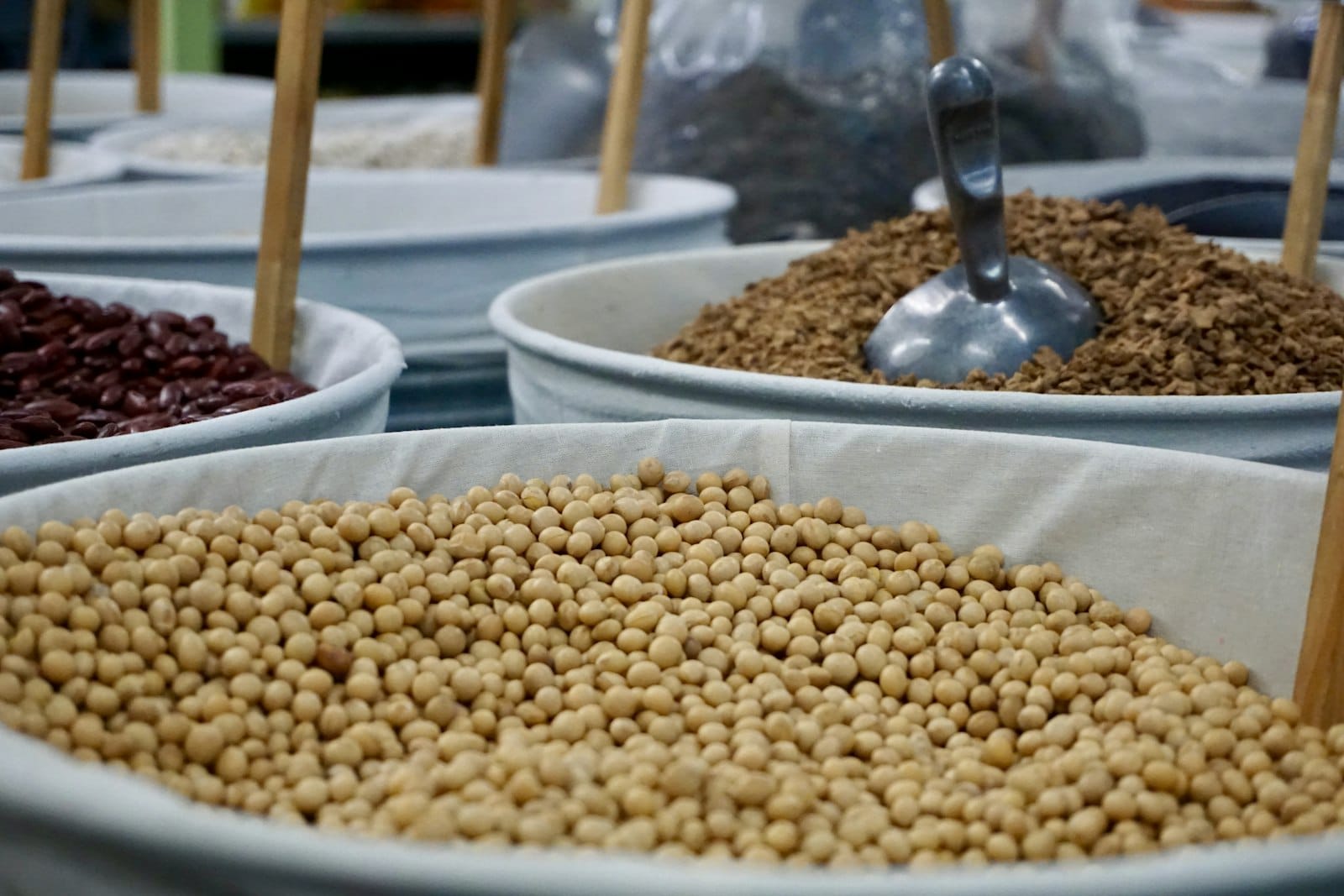
    Dried soybeans, the base of tempeh

    How to cook tempeh at home

    Tempeh is far easier to cook than most people expect. A simple routine gets great results every time.

    1. Steam or simmer the tempeh for 5–10 minutes to mellow any bitterness and help it absorb marinade.
    2. Slice or cube it, then marinate for at least 20 minutes — longer is better.
    3. Cook by pan-frying, grilling or baking until golden and crisp at the edges.
    4. Add it to grain bowls, salads, stir-fries, tacos, sandwiches or curries.
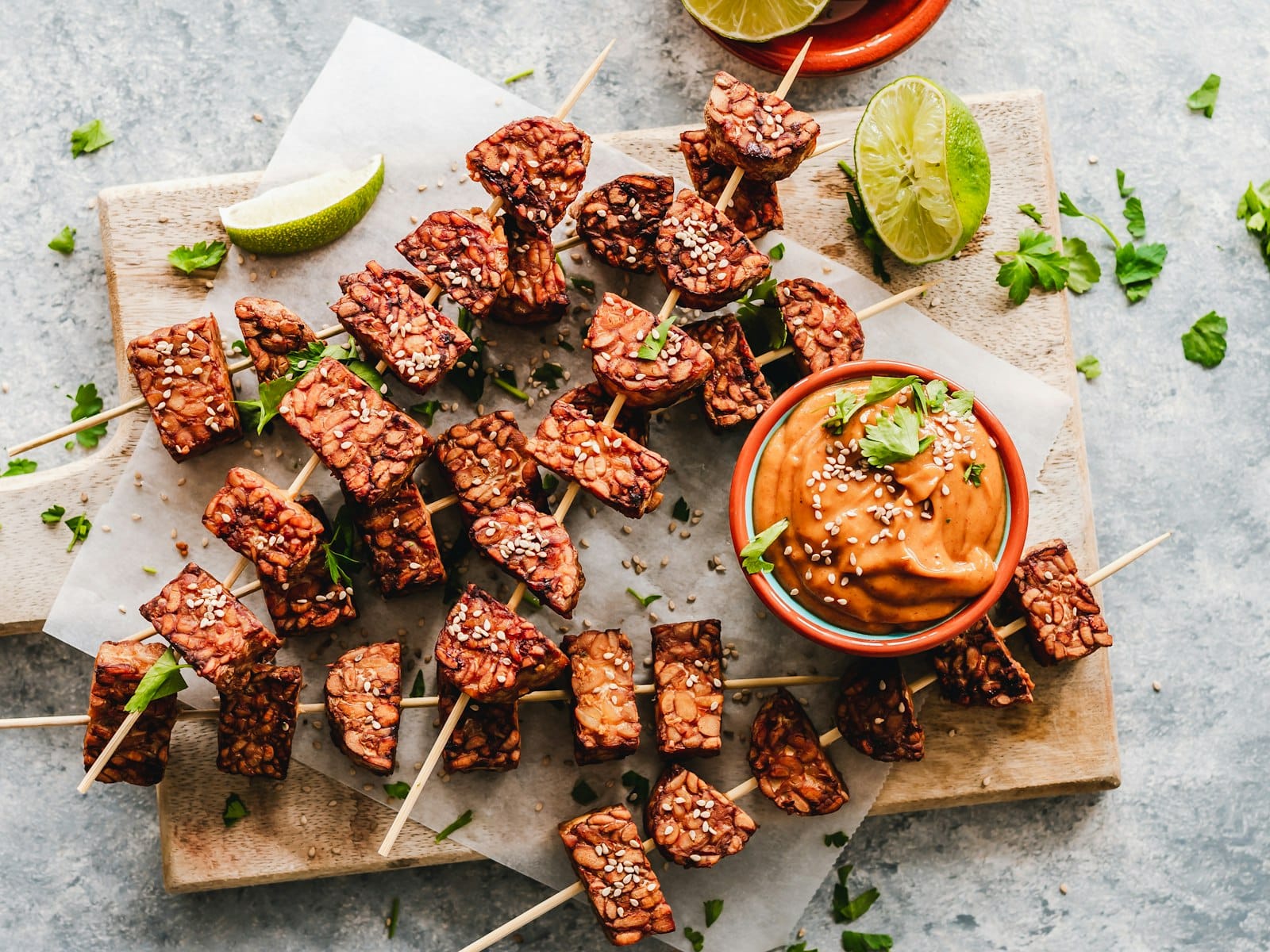
    Marinated tempeh skewers

    Where to try tempeh

    If you would like to taste tempeh done well before cooking it yourself, it is worth ordering out. At The Cardamom Pod in Southport, tempeh stars in our Flourish Bowl, alongside quinoa pilaf, sautéed greens and roast sweet potato.

    Trying it in a thoughtfully built dish is a great way to see just how satisfying it can be. Browse the full plant-based menu, explore our food gallery, or book a table at The Brickworks in Southport.

    Tempeh served in a fresh salad bowl

    The takeaway on tempeh

    Tempeh is a firm, nutty, protein-rich food made from fermented soybeans — nutritious, versatile and genuinely delicious once you know how to cook it.

    Give it a steam, a good marinade and a hot pan, and it will reward you every time. It deserves a regular spot in any plant-forward kitchen.

    A tempeh burger

    A quick history of tempeh

    Tempeh is far from a modern health-food invention. It has been made on the Indonesian island of Java for centuries, traditionally fermented in banana leaves and eaten as an everyday source of affordable, nourishing protein.

    For generations it was a well-kept regional staple, largely unknown in the West. It was only as interest in plant-based eating and fermented foods grew that tempeh began appearing on cafe menus and supermarket shelves around the world.

    Today it is celebrated not just for its nutrition but for its sustainability — a low-impact, wholefood protein with deep culinary roots. Knowing that history makes it all the more satisfying to cook with.

    Tempeh and your gut health

    One of tempeh’s quiet advantages is what fermentation does for digestion. The culturing process partially breaks down the compounds in soybeans that some people find hard to digest, which can make tempeh gentler on the stomach than other soy foods.

    Fermentation also introduces beneficial bacteria — the same family of gut-friendly cultures found in foods like miso and sauerkraut. A happy, diverse gut is linked to everything from better digestion to a stronger immune system, so tempeh is a tasty way to support it.

    It is one more reason this humble, centuries-old food fits so naturally into a modern, health-conscious diet.

    Tempeh vs tofu: which should you choose?

    Tempeh and tofu are both made from soybeans, so they often get lumped together — but they are quite different in practice.

    Tempeh uses the whole fermented bean, so it is firmer, nuttier, and higher in both protein and fibre, with the bonus of probiotics. Tofu is smoother, milder and lower in calories, and its neutral flavour makes it endlessly adaptable.

    Choose tempeh when you want a hearty, textured protein for grilling, bowls and stir-fries. Reach for tofu when you want something soft and versatile for scrambles, soups, smoothies or silky sauces. Most plant-based kitchens happily keep both on hand.

    Frequently asked questions

    What is tempeh made from?

    Traditional tempeh is made from whole soybeans that are cooked, fermented with a natural culture, and pressed into a firm cake. Some modern versions use other beans, grains or seeds, but soy is the classic base.

    What does tempeh taste like?

    Tempeh has a nutty, savoury, slightly earthy flavour and a firm, satisfying bite. Because it soaks up marinades so well, it can taste smoky, spicy, sweet or salty depending on how you cook it.

    Is tempeh healthy?

    Yes. Tempeh is high in protein and fibre, and because it is fermented it also provides gut-friendly probiotics. It is a nutritious, minimally processed plant protein that suits most diets.

    Is tempeh gluten-free?

    Plain soybean tempeh is naturally gluten-free, but some varieties add barley or other grains, so always check the label if you are coeliac or avoiding gluten.

    How do you cook tempeh?

    Steam or simmer it for a few minutes to soften any bitterness, then marinate and pan-fry, grill, bake or crumble it into bowls, stir-fries and salads. It is wonderfully versatile.

    Keep exploring plant proteins

    For more, read our guides to tofu vs tempeh vs seitan, the best vegan protein sources, and healthy cafes on the Gold Coast.
  • Tofu vs Tempeh vs Seitan: Plant Proteins Compared

    Tofu vs Tempeh vs Seitan: Plant Proteins Compared

    If you have spent any time exploring plant-based food, you have met the big three: tofu, tempeh and seitan. They turn up on menus and in recipes everywhere, yet plenty of people are not quite sure how they differ.

    The short answer is that all three are excellent, versatile plant proteins — but they are made differently, taste different, and each shines in its own way. This guide breaks down how tofu, tempeh and seitan compare so you can cook (and order) with confidence.

    Whether you are chasing protein, avoiding gluten, or simply want to mix up your meals, there is a place for each on your plate.

    What are tofu, tempeh and seitan?

    Although they are often grouped together, these three proteins come from very different origins.

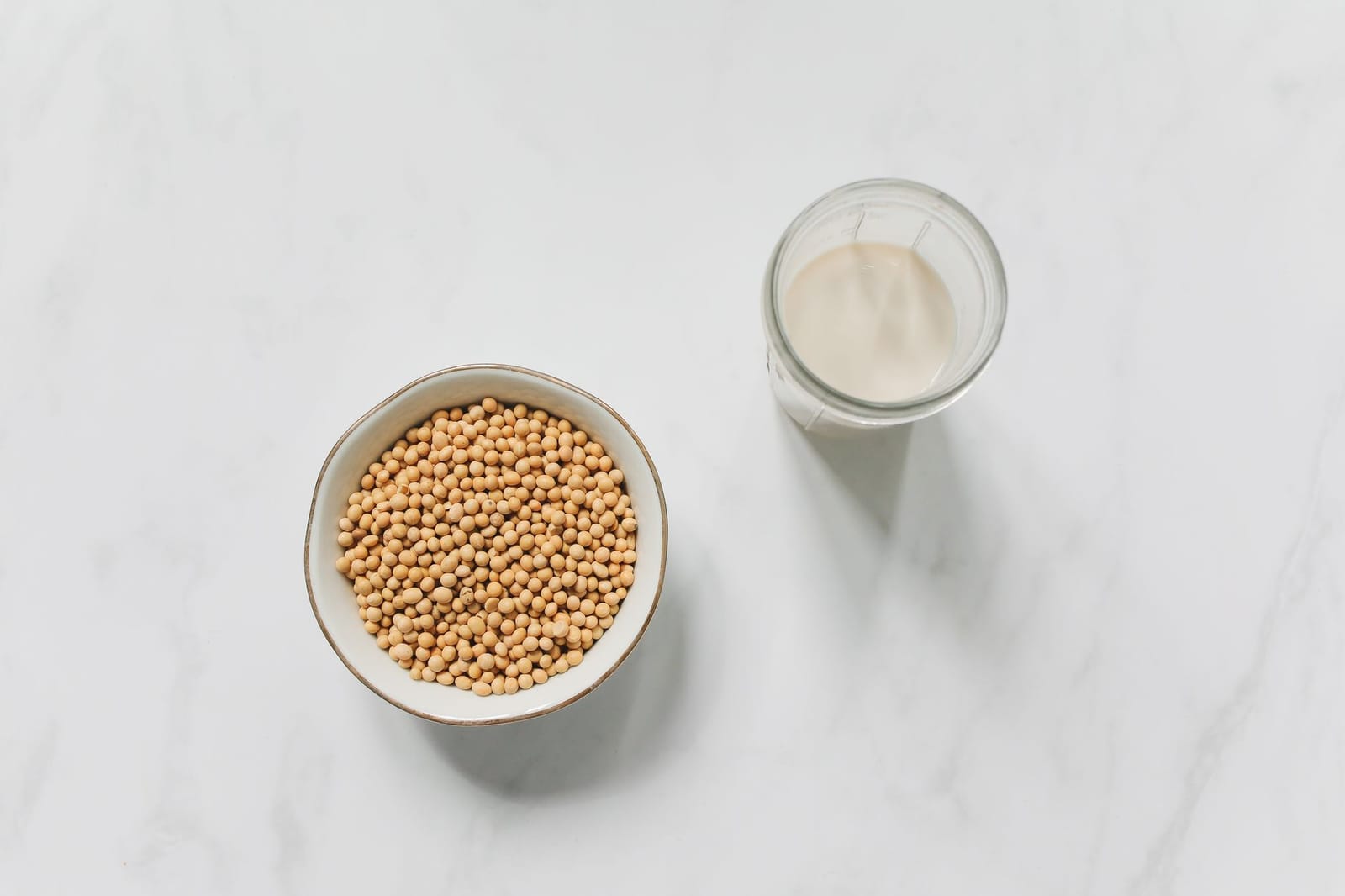
    Tofu is made by curdling soy milk and pressing it into blocks — a bit like the plant-based cousin of cheese-making. It has a soft, neutral character and comes in textures from silken to extra-firm.

    Tempeh is made from whole soybeans that are fermented and pressed into a firm cake. That fermentation gives it a nutty, savoury flavour, a satisfying bite, and gut-friendly probiotics.

    Seitan is different again: it is made from vital wheat gluten, the protein of wheat. Kneaded and cooked, it develops a dense, chewy, meat-like texture that makes it a favourite for mock meats.

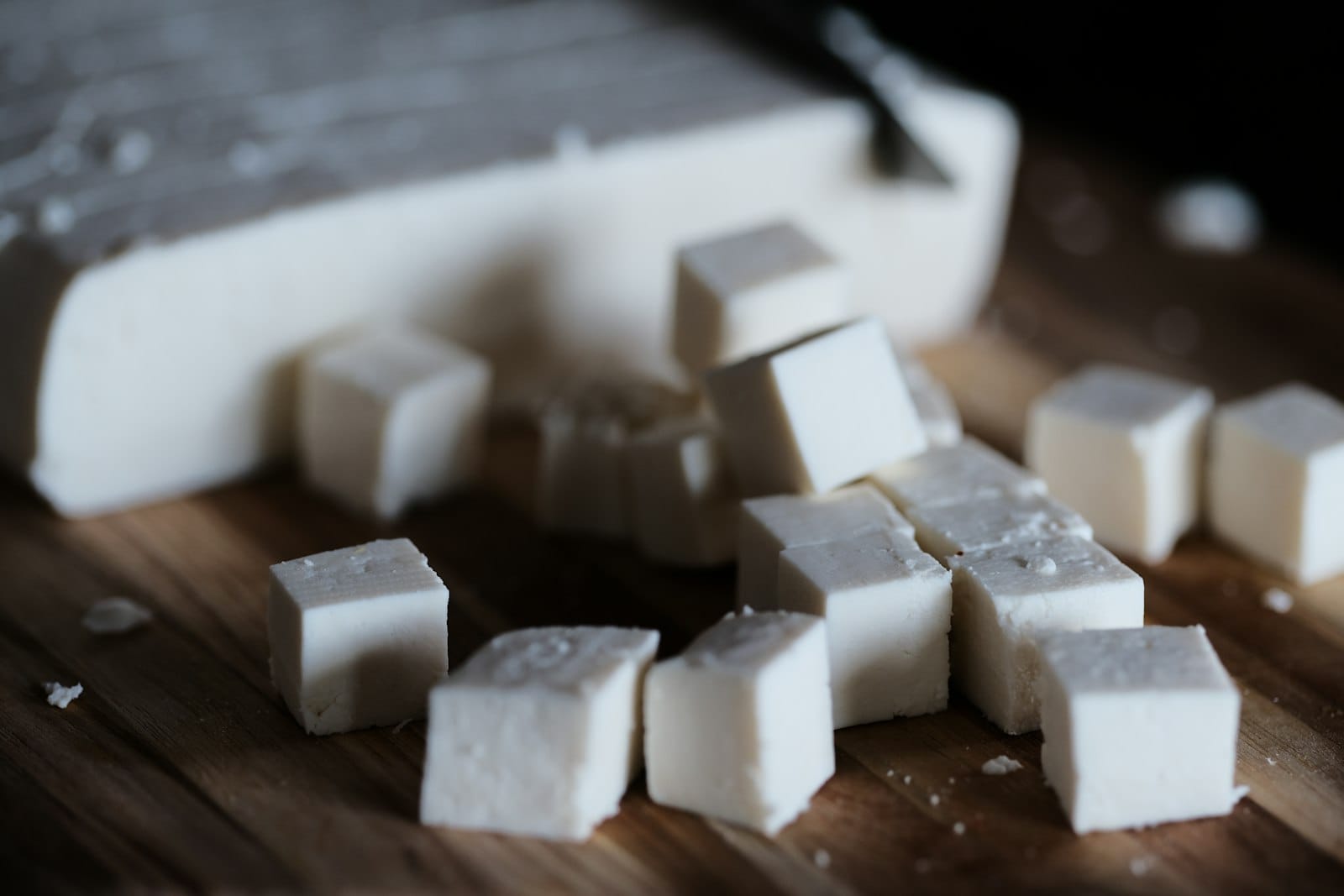
    Blocks of firm tofu on a wooden board

    Tofu vs tempeh vs seitan: the comparison

    Here is how the three stack up at a glance. Figures are approximate, per 100g.

    TofuTempehSeitan
    Protein~8g~19g~25g
    Calories~94~167~141
    Made fromCurdled soy milkFermented soybeansWheat gluten
    TextureSoft–firm, neutralFirm, nutty, chewyDense, chewy, meaty
    Gluten-free?YesYesNo
    Best forScrambles, smoothies, stir-friesBowls, grilling, marinatingBurgers, roasts, mock meats
    Approximate nutrition and best uses for tofu, tempeh and seitan (per 100g).

    As the numbers show, seitan is the protein heavyweight, tempeh offers a great balance of protein and fibre, and tofu is the lightest and most adaptable. For a deeper nutritional dive, Healthline compares tempeh and tofu in detail.

    Cooked seitan, a wheat-gluten plant protein

    How to cook each one

    Getting the best from these proteins is all about matching the ingredient to the method.

    • Tofu — press out excess water, then bake, pan-fry or crumble into scrambles. Firm and extra-firm hold their shape; silken blends into sauces and smoothies.
    • Tempeh — steam or simmer briefly to mellow any bitterness, then marinate and grill, pan-fry or crumble into bowls and ragùs.
    • Seitan — slice or shred and sear, roast or braise; it loves bold sauces and stands in beautifully for meat in burgers and stews.
    Tofu stir-fry with fresh vegetables

    Which should you choose?

    There is no single winner — the right pick depends on what you are making and what your body needs.

    Reach for tofu when you want a light, endlessly flexible protein that soaks up flavour. Choose tempeh when you want more protein and fibre plus a hearty, nutty bite — and the bonus of fermentation. Pick seitan when you want the most protein and a genuinely meaty texture, and gluten is not a concern.

    The truth is that the best plant-based cooks use all three, rotating them through the week for variety, nutrition and interest. You do not have to choose just one.

    Tempeh served in a grain bowl

    Try them at The Cardamom Pod

    If you would rather leave the cooking to someone else, our kitchen puts these proteins to work. At The Cardamom Pod in Southport, you will find teriyaki tofu in our Okinawa Longevity Platter and tempeh in the Flourish Bowl — both firm favourites.

    Everything is made in a fully plant-based kitchen, so you can explore these proteins in dishes designed to make the most of them. Browse the full plant-based menu at The Cardamom Pod, take a look at our food gallery, or book a table at The Brickworks in Southport.

    A high-protein plant-based plate

    The bottom line

    Tofu, tempeh and seitan are three of the most useful ingredients in plant-based cooking. Tofu is light and versatile, tempeh is nutty and gut-friendly, and seitan is protein-packed and meaty.

    Learn how each behaves and you will never be short of a satisfying, high-protein plant-based meal — at home or when you are eating out.

    Getting the most from each protein

    A few simple habits take your tofu, tempeh and seitan from good to genuinely great — and help avoid the mistakes that put people off in the first place.

    With tofu, the golden rule is to remove moisture. Press firm or extra-firm tofu for at least 15 minutes before cooking, and a light dusting of cornflour before frying gives you those irresistibly crisp, golden edges. Skip the pressing and you will end up with a soft, watery result that never browns.

    Tempeh rewards a little patience. A quick steam takes away any bitterness, and the longer you leave it in the marinade, the deeper the flavour. Because it is so firm, it holds up beautifully on a grill or in a hot pan without falling apart.

    Seitan can turn rubbery if it is overworked or cooked too fast. Treat it gently — a low-and-slow braise or a quick sear with a good sauce keeps it tender and meaty. And whatever you are cooking, season boldly: these proteins are a blank canvas, so they can take far more flavour than you might expect.

    A block of tempeh, part sliced

    Frequently asked questions

    Which has the most protein: tofu, tempeh or seitan?

    Seitan is the highest, with around 25g of protein per 100g. Tempeh follows at roughly 19g, and tofu sits at about 8g per 100g. All three are excellent plant proteins — the best choice depends on your dish and dietary needs.

    Is tofu, tempeh or seitan the healthiest?

    It depends on your goals. Tofu is lowest in calories and very versatile, tempeh adds fibre and gut-friendly probiotics through fermentation, and seitan is the most protein-dense. A varied plant-based diet happily uses all three.

    Which of these is gluten-free?

    Tofu and tempeh are naturally gluten-free (always check tempeh isn’t made with added grains). Seitan is made from wheat gluten, so it is not suitable for anyone with coeliac disease or gluten sensitivity.

    Which tastes the best?

    Taste is personal. Tofu is neutral and takes on any flavour, tempeh is nutty and firm, and seitan is savoury and chewy like meat. Marinades and cooking method make a huge difference to all three.

    Can I use them interchangeably in recipes?

    Often, yes — with small tweaks. Tofu suits scrambles and smoothies, tempeh is great grilled or in bowls, and seitan shines in mock-meat dishes. Adjust marinating and cooking time to suit each.

    Keep exploring plant-based eating

    For more inspiration, read our guides to the best vegan protein sources, what tempeh is and how to use it, and the best vegan restaurants on the Gold Coast.
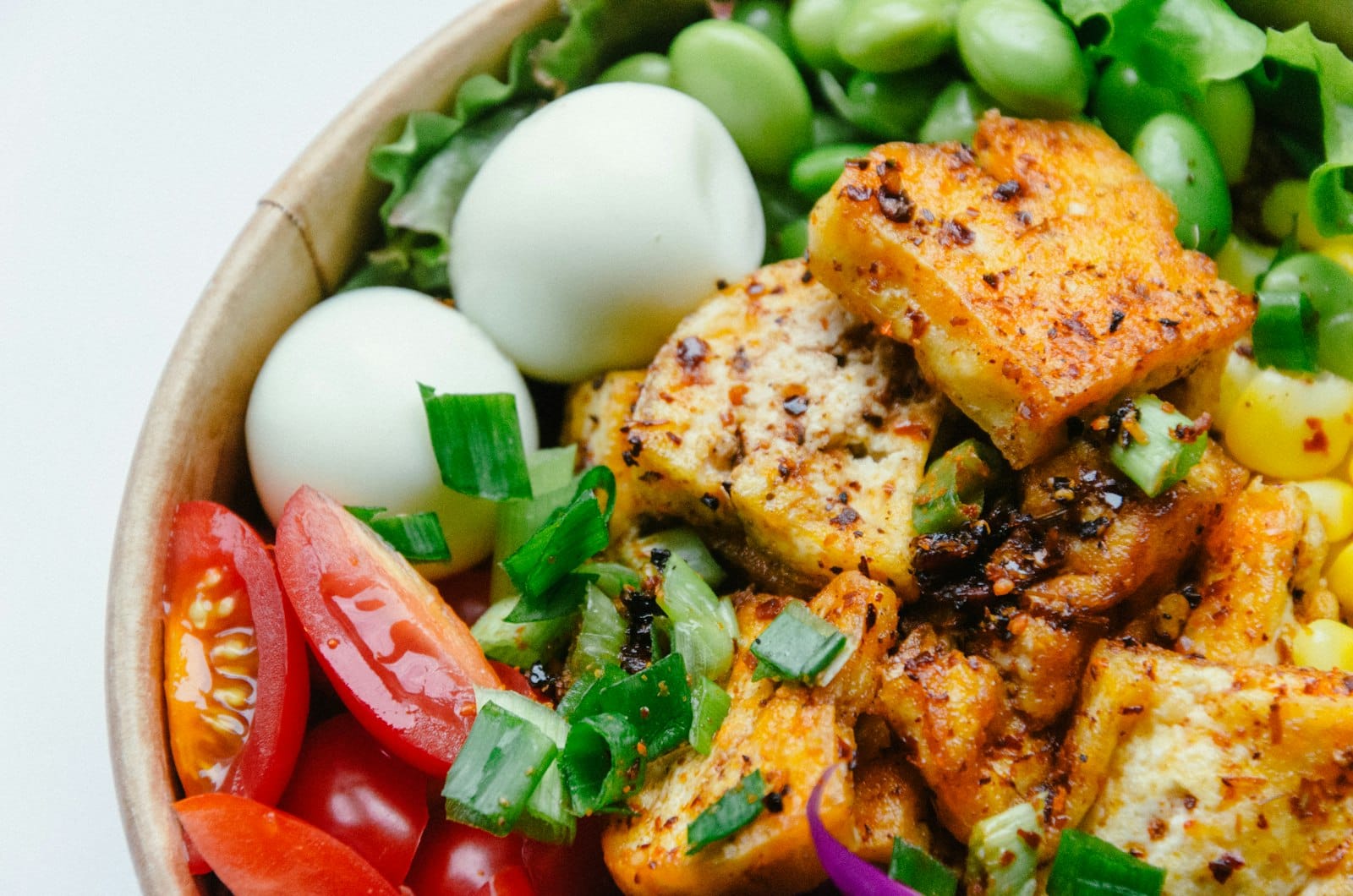
  • The Best Lunch Spots on the Gold Coast

    The Best Lunch Spots on the Gold Coast

    Lunch on the Gold Coast is a genuine event. With a laid-back climate, an abundance of fresh produce and a cafe culture that takes food seriously, the midday meal here is anything but an afterthought.

    Whether you want a quick, nourishing bowl between meetings or a long, lazy lunch by the water, this local guide rounds up the best lunch spots on the Gold Coast — and what to order when you get there.

    From fresh poke to plant-based plates, there is a perfect lunch waiting somewhere on the coast.

    What makes a great lunch spot?

    A great lunch spot gets the balance right: food that is satisfying but not sluggish, quick enough for a weekday yet good enough to linger over on a weekend.

    The best venues share a few things — fresh, seasonal ingredients, a menu with genuine variety, options for every diet, and an easy, welcoming atmosphere. On the Gold Coast, that increasingly means a strong plant-based and wholefood offering, so everyone at the table is looked after.

    Location helps, too. Some of the coast’s best lunches come with a water view, a leafy courtyard or a spot in a buzzing food precinct like The Brickworks in Southport.

    Colourful poke bowl with fresh toppings

    The best lunch spots on the Gold Coast

    Here is how a few popular styles of lunch venue compare, so you can match the spot to the day.

    StyleBest forSignature orderApprox. per person
    Plant-based cafeFresh, feel-good lunchNourish bowls, curries, tacos$15–25
    Poke & bowl barQuick, balanced weekday lunchBuild-your-own bowls$14–22
    Beachside cafeLong lunch with a viewSalads, burgers, share plates$18–35
    Wholefood kitchenClean, nourishing mealsGrain bowls, wraps, soups$14–24
    Styles of Gold Coast lunch spot and what each one does best.

    For a fresh, plant-based lunch in the north, The Cardamom Pod at The Brickworks in Southport is hard to beat — and you are right next to a gourmet food market when you are done.

    Generous salad bowl for lunch

    What to order for lunch

    Not sure what to have? These lunches hit the sweet spot between satisfying and light.

    • Nourish and grain bowls — the ultimate balanced lunch.
    • Poke bowls — fresh, colourful and endlessly customisable.
    • Loaded salads — with tofu, legumes, nuts or seeds for staying power.
    • Tacos and wraps — handheld, flavour-packed and fun.
    • Plant-based burgers — for when only comfort food will do.
    Fresh wrap and sandwich lunch

    A plant-based lunch at The Cardamom Pod

    The Cardamom Pod has been a Southport fixture since 2016, serving clean, colourful, plant-powered food at The Brickworks on Brolga Avenue.

    Lunch here means hearty curries, fresh salads, street-style tacos and savoury plates, all from a fully plant-based kitchen and cooked in the spirit of prasadam — food prepared as an offering of love. It is the kind of midday meal that leaves you energised rather than weighed down.

    Because lunch is served right through until mid-afternoon, it is a flexible option for the days that do not follow the usual schedule — a late brunch that rolls into lunch, a post-beach refuel, or a relaxed catch-up with friends. The generous, veg-forward plates are designed to satisfy without the afternoon slump that a heavier meal can bring. It is honest, feel-good food that suits the easy pace of a Gold Coast day.

    See the full plant-based lunch menu, browse our food gallery, or book a table at The Brickworks in Southport. Lunch is served until the kitchen closes at 2:30pm, seven days a week.

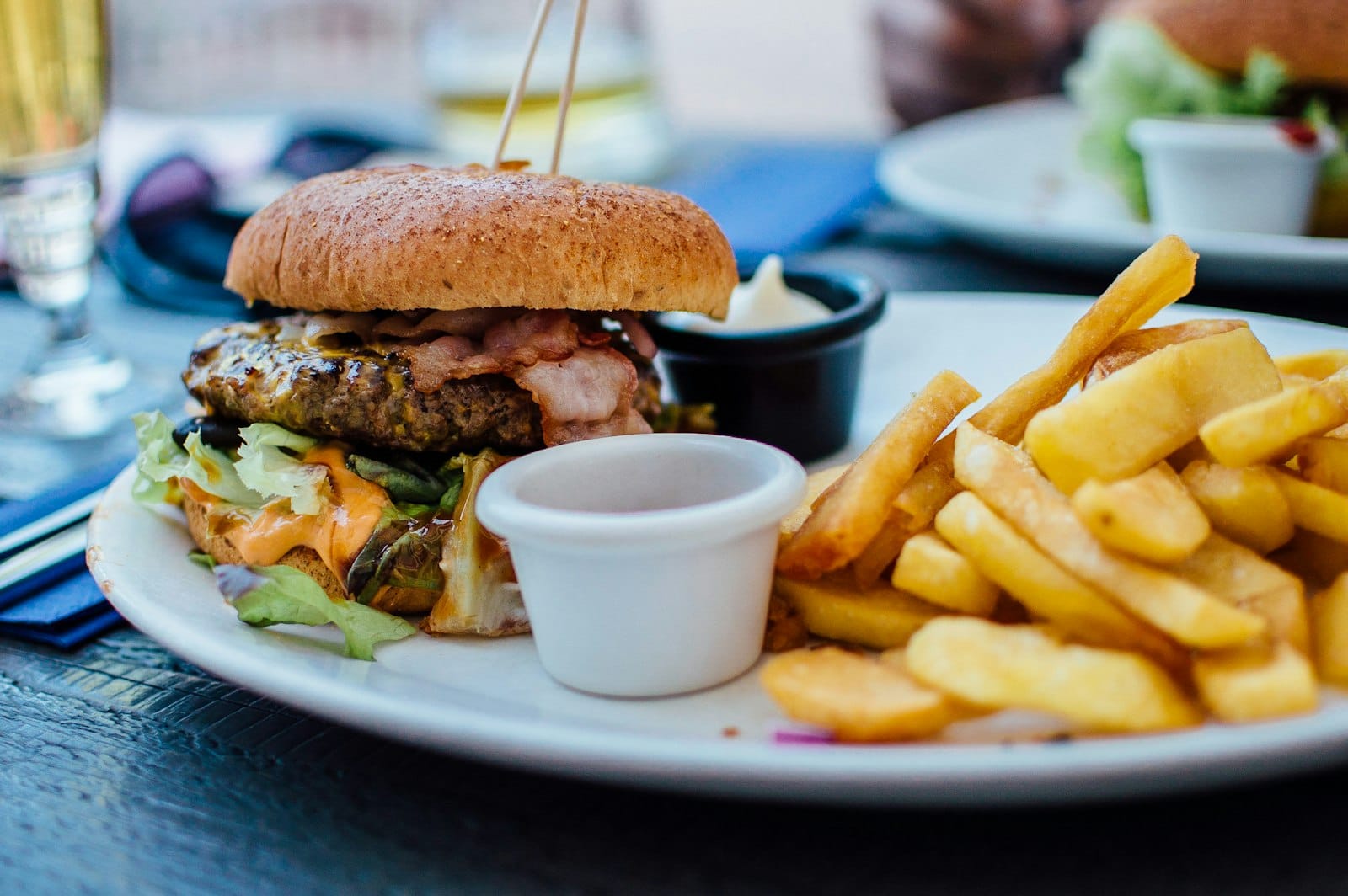
    Plant-based burger and chips for lunch

    Tips for a great Gold Coast lunch

    1. Beat the rush — arrive just before or after the 12–1pm peak.
    2. Order to share so you can taste more of the menu.
    3. Pick a bowl for staying power — grains and protein beat the afternoon slump.
    4. Make the most of the setting — a water view or leafy courtyard turns lunch into an occasion.
    Outdoor cafe courtyard set for lunch

    For balanced-plate inspiration, the Australian Government’s Eat for Health guidelines are a handy, evidence-based reference for building a nourishing meal.

    Healthy grain bowl lunch plate

    Lunch with a view: the Gold Coast advantage

    There is one thing the Gold Coast offers that few places can match at lunchtime: the setting. With the Broadwater, the beaches and leafy hinterland cafes all within easy reach, where you eat can be just as memorable as what you eat.

    A midday meal here might come with a glittering water view, a spot under the trees in a food precinct, or a breezy courtyard a few steps from the sand. In the north, The Brickworks in Southport pairs a relaxed lunch with a gourmet food market and a short stroll to the Broadwater Parklands — an easy way to turn a quick bite into a proper break.

    That combination of great food and great surrounds is the secret to a perfect Gold Coast lunch. Take your time, sit outside if you can, and let the meal be a genuine pause in the day rather than something grabbed on the run.

    It is also what makes lunch such a good way to explore the coast. Pick a different neighbourhood each time, find a spot with a view, and slowly build your own map of favourite midday haunts.

    Frequently asked questions

    Where are the best lunch spots on the Gold Coast?

    Great lunch is everywhere on the coast, from beachside cafes and wholefood kitchens to precinct eateries. For a fresh, plant-based lunch in the north, The Cardamom Pod at The Brickworks in Southport is a local favourite, and there are excellent poke, bowl and cafe options right along the coast.

    What is a good healthy lunch to order?

    Nourish and grain bowls, poke bowls, big salads with protein, wraps and plant-based plates all make a balanced, energising lunch. Add legumes, tofu or seeds for staying power through the afternoon.

    Where can I get a vegan or vegetarian lunch on the Gold Coast?

    Plenty of places. The Cardamom Pod runs a fully plant-based kitchen serving lunch until mid-afternoon, and many cafes across the coast offer strong vegan and vegetarian options.

    What time is lunch served on the Gold Coast?

    Most cafes serve lunch from around 11am to mid-afternoon. The Cardamom Pod is open 8am to 3pm, seven days, with the kitchen closing at 2:30pm.

    Are Gold Coast lunch spots good for groups?

    Yes. Many are relaxed, all-ages venues that suit groups and families. It is worth booking ahead for larger tables, especially on weekends.

    Keep exploring

    For more local food inspiration, read our guides to the best cafes in Southport, healthy cafes and restaurants on the Gold Coast, and the best vegan restaurants on the Gold Coast.
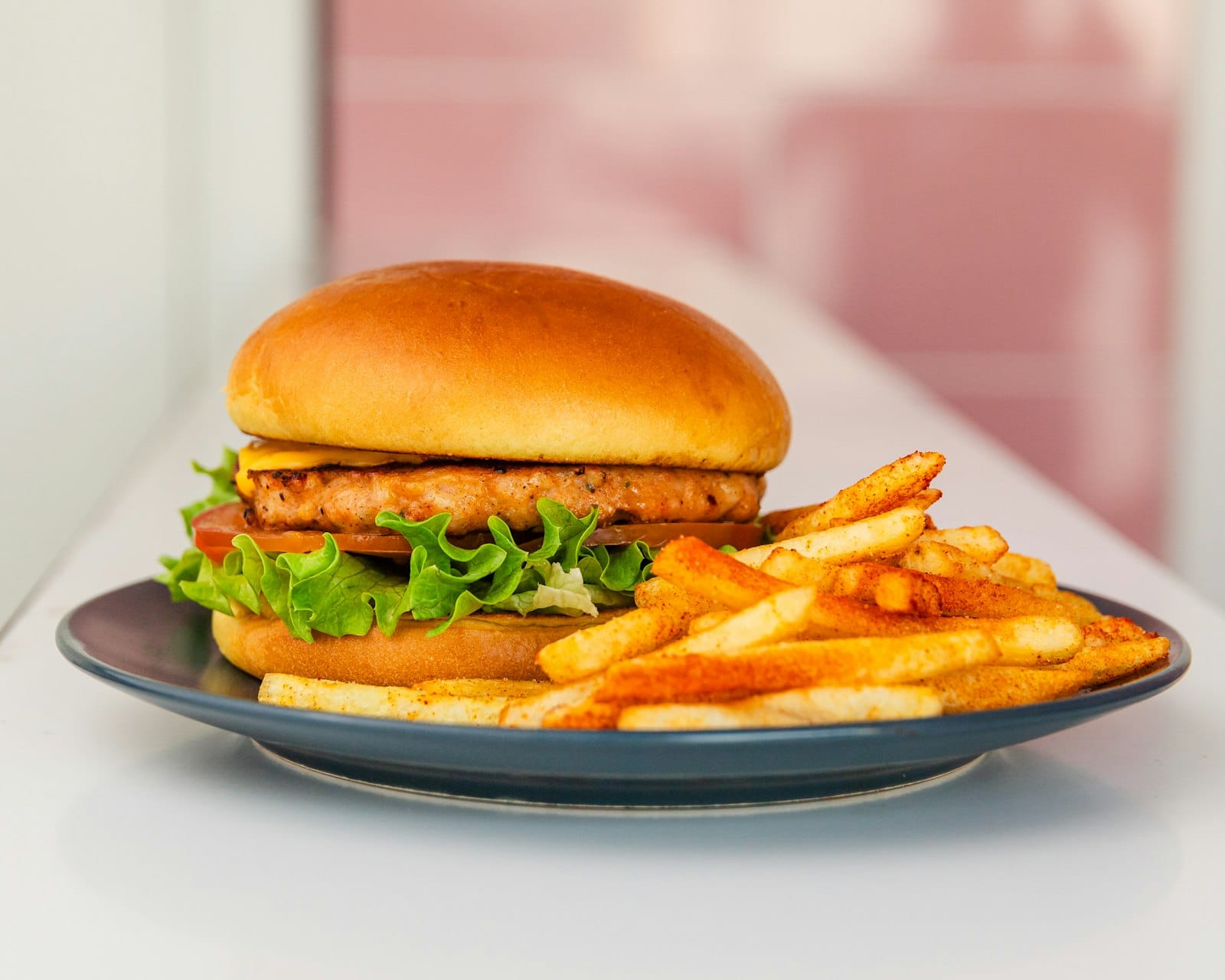
  • The Best Healthy Cafés & Restaurants on the Gold Coast

    The Best Healthy Cafés & Restaurants on the Gold Coast

    The Gold Coast has always been a place that values feeling good, so it is no surprise it has become a haven for healthy eating. Wholefood cafes, plant-based kitchens and organic grocers-with-a-cafe are everywhere — and the food is a world away from bland “health food” of the past.

    This local guide rounds up the best healthy cafes and restaurants on the Gold Coast, what makes them worth a visit, and how to eat well without ever feeling like you are missing out.

    Because on the coast, eating healthy is less about restriction and more about colour, freshness and flavour.

    What makes a cafe genuinely healthy?

    “Healthy” gets thrown around a lot, so it helps to know what to actually look for.

    The best healthy cafes build their menus around wholefoods — vegetables, wholegrains, legumes, nuts, seeds, fruit and quality fats — prepared simply and freshly. They go easy on refined sugar, heavily processed ingredients and deep-frying, and they are generous with plants.

    You will usually spot the signs quickly: nourish and grain bowls, cold-pressed juices, house-made granola, plenty of vegan and gluten-free options, and a general sense that the kitchen actually cares what goes into your body. A fully plant-based kitchen, like The Cardamom Pod’s, is often a good shortcut to eating well.

    Colourful wholefood nourish bowl

    The best healthy cafes on the Gold Coast

    From Southport in the north to Palm Beach in the south, here is how a few styles of healthy venue compare.

    StyleBest forSignature orderDiets catered
    Plant-based health cafeBreakfast, brunch, bowlsAcai bowls, nourish bowlsVegan, vegetarian, GF
    Organic wholefood cafeClean, seasonal mealsWholefood plates, juicesGF, DF, paleo, vegan
    Nourish-bowl specialistQuick, balanced lunchPoke & grain bowlsVegan, GF, pescatarian
    Wholefood grocer + cafeGroceries & a biteSmoothies, saladsOrganic, GF, vegan
    Styles of healthy cafe on the Gold Coast and what each does best.

    For clean, colourful, plant-powered food in the north, The Cardamom Pod at The Brickworks in Southport is a genuine local institution.

    Fresh colourful salad with vegetables and seeds

    What to order for a healthy meal

    If you want to eat well, these dishes are a reliably good choice at almost any healthy cafe.

    • Nourish and grain bowls — balanced, filling and full of colour.
    • Acai and smoothie bowls — a fresh, energising start to the day.
    • Big salads with protein — tofu, legumes, nuts or seeds.
    • Cold-pressed juices and smoothies — a quick nutrient hit.
    • Wholegrain-based dishes — brown rice, quinoa, buckwheat and oats.
    Green smoothie in a glass at a healthy cafe

    Clean, plant-powered food at The Cardamom Pod

    Tucked into The Brickworks precinct on Brolga Avenue, Southport, The Cardamom Pod has been serving clean, colourful, plant-powered food since 2016.

    The whole menu is built around plants and wholefoods, cooked in the spirit of prasadam — food prepared as an offering of love. Expect vibrant acai bowls, hearty curries, fresh salads and savoury plates, all free from meat, dairy and animal by-products, with a cow-milk option for coffee if you prefer.

    What sets it apart is the balance of health and genuine flavour. Nothing here feels like “diet food” — the bowls are generous, the curries are properly spiced, and the sweet treats are a highlight rather than a sad substitute. Because the whole kitchen is plant-based and built on wholefoods, you can order right across the menu knowing it is doing you good, which quietly takes the effort out of eating well.

    It is proof that healthy food can be genuinely exciting. Browse the full plant-based menu, take a look at our food gallery, or book a table at The Brickworks in Southport.

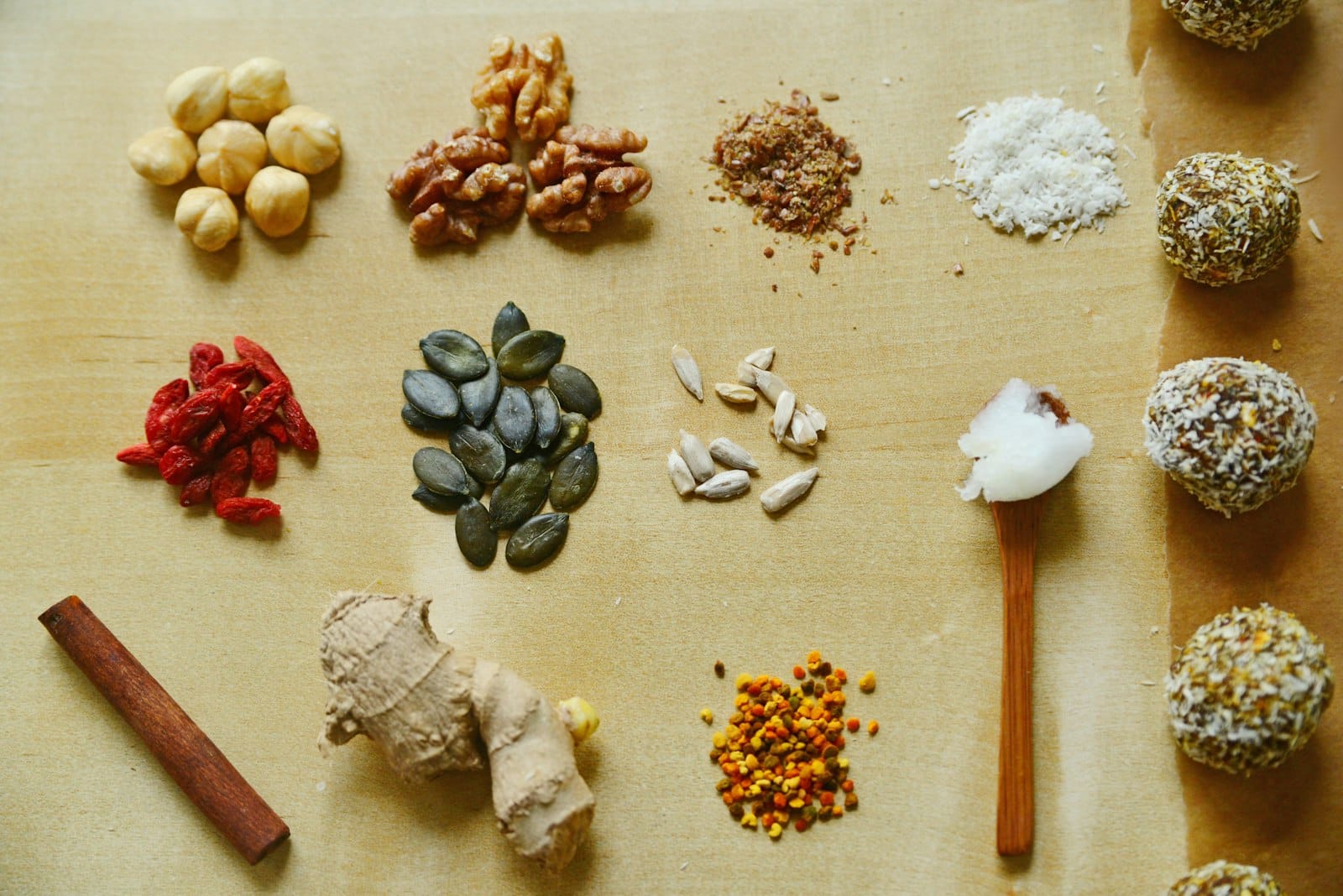
    Wholefood ingredients including grains, nuts and seeds

    Eating well without the guilt

    The best thing about the Gold Coast’s healthy-eating scene is how joyful it is. This is not about counting every calorie or cutting out entire food groups — it is about fresh, real food that leaves you feeling good.

    A balanced, mostly plant-based way of eating is widely recognised as one of the healthiest approaches around. For evidence-based guidance, Better Health Channel is a reliable, government-backed resource on eating well.

    Bright, airy healthy cafe interior with plants

    So order the colourful bowl, add the extra veggies, and enjoy it — healthy eating on the coast is a pleasure, not a punishment.

    Healthy breakfast bowl topped with fruit

    Building a healthy day around the coast

    One of the joys of the Gold Coast is how easily healthy eating fits into the rhythm of a day here. The climate, the produce and the pace all seem to nudge you towards feeling good.

    A typical day might start with an acai or smoothie bowl and a plant-milk coffee before a morning beach walk. Lunch could be a nourish bowl or a big, protein-packed salad, eaten somewhere leafy or by the water. And dinner might be a hearty, vegetable-forward plate at a wholefood kitchen — satisfying without being heavy.

    The point is not to be rigid about it. Eating well on the coast is about defaulting to fresh, colourful, mostly plant-based food most of the time, then relaxing and enjoying the rest. That balance is far more sustainable — and far more fun — than any strict diet.

    It also makes the Gold Coast a genuinely great place to reset. Whether you are visiting for a weekend or you live here year-round, the sheer number of healthy cafes means eating well is the easy, obvious choice rather than a constant effort.

    Frequently asked questions

    What are the best healthy cafes on the Gold Coast?

    The coast is full of wholefood-focused cafes, from plant-based health kitchens to organic wholefood stores with a cafe attached. The Cardamom Pod at The Brickworks in Southport is a long-running favourite for clean, plant-powered food, alongside a growing line-up of nourish-bowl and wholefood specialists across the coast.

    What does “healthy eating” mean at a cafe?

    It usually means fresh, minimally processed wholefoods — think vegetables, wholegrains, legumes, good fats, fruit and quality protein — prepared without excess salt, sugar or refined ingredients. Plant-based cafes often make this the default.

    Is plant-based food automatically healthy?

    Not always, but a well-planned plant-based diet built on wholefoods is recognised as healthy and complete. The best healthy cafes focus on fresh produce and balance rather than heavily processed “junk-food” vegan options.

    Are healthy cafes suitable for special diets?

    Yes. Most healthy and wholefood cafes cater well for vegan, vegetarian, gluten-free and dairy-free diets. The Cardamom Pod, for example, is fully plant-based with gluten-free options clearly marked.

    Can healthy food still taste good?

    Absolutely — that is the whole point. Colourful bowls, fresh smoothies, vibrant salads and well-spiced plant-based dishes prove that eating well and eating deliciously are the same thing.

    Keep exploring

    For more local food inspiration, read our guides to gluten-free dining on the Gold Coast, the best vegan restaurants on the Gold Coast, and the best vegan breakfast on the Gold Coast.
  • Gluten-Free Dining on the Gold Coast: A Local Guide

    Gluten-Free Dining on the Gold Coast: A Local Guide

    Eating gluten-free used to mean settling for a plain salad and a side of disappointment. Not any more. The Gold Coast has become one of Australia’s most welcoming places to dine gluten-free, with everything from fully gluten-free bakeries to coeliac-aware cafes and restaurants.

    Whether you have coeliac disease, a gluten intolerance, or you simply feel better without it, this local guide covers where to eat, what to order, and how to dine out with confidence across the coast.
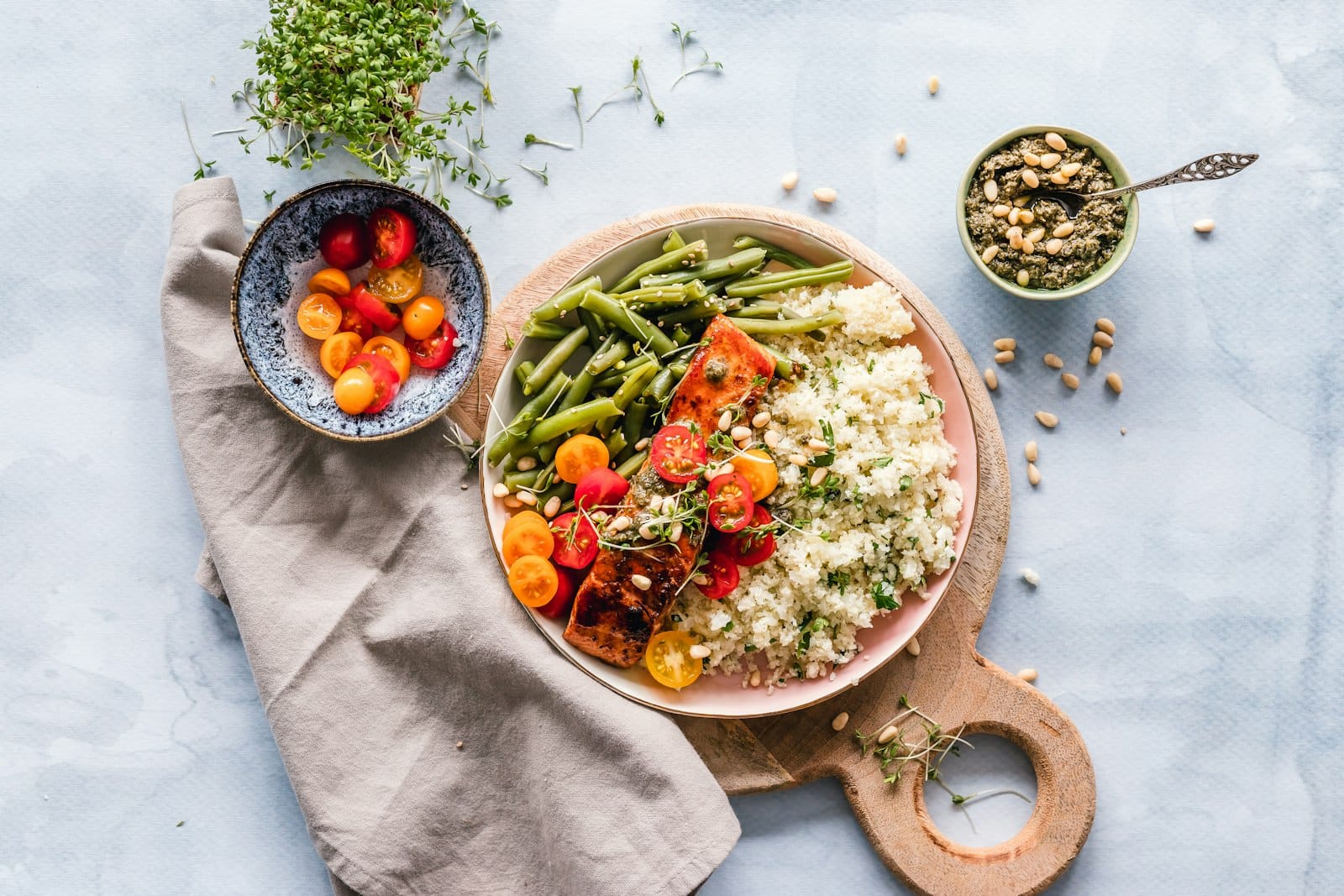
    The best part? Gluten-free food here is genuinely good — not an afterthought, but a proper part of the menu.

    The Gold Coast gluten-free scene, explained

    Gluten-free dining on the Gold Coast falls into two broad camps, and knowing the difference makes eating out much easier.

    First, there are the fully gluten-free venues — dedicated bakeries, cafes and even fine-dining kitchens with no gluten on site at all. These are the safest choice for anyone with coeliac disease, because there is no risk of cross-contamination.

    Second, there are the many coeliac-aware cafes and restaurants that run mixed kitchens but take gluten seriously: clearly labelled menus, trained staff and careful preparation. Plant-based health-food cafes like The Cardamom Pod sit firmly in this camp, with gluten-free options woven right through the menu.

    Gluten-free nourish bowl with grains and roasted vegetables

    Where to eat gluten-free on the Gold Coast

    From the north around Southport down to Burleigh and Palm Beach, here is a snapshot of the kinds of venues that make gluten-free dining easy.

    Type of venueBest forGluten-free levelGreat to order
    Plant-based health cafesBreakfast, brunch, bowlsClearly labelled GF optionsSmoothie bowls, rice dishes, salads
    Dedicated GF bakeriesBread, pastries, cakesFully gluten-freeLoaves, sweet treats, pies
    Wholefood & organic cafesClean, nourishing mealsExtensive GF menuNourish bowls, GF pancakes
    Modern restaurantsLunch & dinnerCoeliac-aware, ask staffNaturally GF mains, curries
    Types of gluten-free-friendly venues across the Gold Coast and what to order at each.

    For an easy, all-round option in the north, The Cardamom Pod at The Brickworks in Southport is a reliable pick — a fully plant-based kitchen with clearly marked gluten-free dishes.

    Freshly baked gluten-free bread at a bakery

    Naturally gluten-free dishes to look for

    One of the easiest ways to eat gluten-free is to lean into dishes that never contained gluten in the first place. They tend to be the tastiest options anyway.

    • Smoothie and acai bowls — fruit, granola (ask for GF) and coconut.
    • Rice-based dishes and curries — naturally gluten-free and full of flavour.
    • Salads and nourish bowls — fresh, filling and easy to adapt.
    • Corn-based tacos and dosas — classic gluten-free comfort food.
    • Flourless cakes and bliss balls — proof dessert is not off-limits.
    Gluten-free pancakes topped with fresh fruit

    Gluten-free at The Cardamom Pod

    Set inside The Brickworks precinct on Brolga Avenue, Southport, The Cardamom Pod is a fully plant-based health-food cafe that has long catered to gluten-free diners.

    Because the kitchen is built around wholefoods and plants, many dishes are naturally gluten-free or easily adapted — from vibrant smoothie bowls and rice dishes to naturally gluten-free curries and sweet treats. Everything is clearly considered, and the team is happy to talk you through the options.

    It is the kind of place where gluten-free and dairy-free diners can relax and order widely, rather than scanning the menu for the one thing they are allowed to eat. Browse the full plant-based menu at The Cardamom Pod, take a look at our food gallery, or book a table at The Brickworks in Southport.

    Cafe counter display of gluten-free options

    How to dine out gluten-free with confidence

    A little preparation makes gluten-free dining far less stressful. These simple habits go a long way.

    1. Call ahead if you have coeliac disease, especially for dinner or a special occasion.
    2. Tell your server clearly — do not assume the menu tells the whole story.
    3. Ask about cross-contamination, particularly for fried and grilled items.
    4. Choose coeliac-aware venues that are used to the question and answer it confidently.
    Fresh gluten-free salad bowl with greens and seeds

    If you are newly diagnosed or want trustworthy information, Coeliac Australia is the national peak body and a great resource for eating out safely.

    Gluten-free dessert cake on a plate

    Why the Gold Coast gets gluten-free right

    There is a reason the coast is such a comfortable place to eat gluten-free. A health-conscious local community, an abundance of fresh produce, and a wave of cafes built around wholefoods have all pushed gluten-free from a grudging accommodation to a genuine strength.

    Today, you can find gluten-free bread that actually tastes like bread, cakes worth ordering for their own sake, and entire menus you can eat top to bottom. Whether you are visiting or you call the coast home, dining out without gluten has never been easier — or more delicious.

    Gluten-free treats worth seeking out

    Living gluten-free does not mean giving up the good stuff. In fact, some of the most memorable gluten-free food on the coast is the sweet, indulgent kind.

    Dedicated gluten-free bakeries turn out everything from flaky pastries and brownies to celebration cakes, while wholefood and plant-based cafes lean into naturally flourless treats — bliss balls, raw slices, chia puddings and coconut-based desserts. Many are refined-sugar-free and dairy-free too, so they suit a range of diets at once.

    It is worth going out of your way for a good gluten-free bakery at least once. There is something quietly joyful about walking into a cafe and being able to order absolutely anything in the cabinet — a small freedom that people without dietary restrictions often take for granted.

    And on the savoury side, do not overlook naturally gluten-free cuisines. Many Indian, Vietnamese and wholefood dishes are gluten-free by design, which is part of why plant-based health kitchens tend to be such safe, satisfying places to eat.

    Frequently asked questions

    Where can I find gluten-free food on the Gold Coast?

    The Gold Coast is well set up for gluten-free eating, from fully gluten-free bakeries to cafes and restaurants with dedicated gluten-free menus. Plant-based venues such as The Cardamom Pod at The Brickworks in Southport clearly mark gluten-free dishes, and there are coeliac-aware specialists spread from Southport down to Burleigh and Palm Beach.

    Is The Cardamom Pod gluten-free friendly?

    Yes. The Cardamom Pod is a fully plant-based cafe that offers a range of gluten-free options and marks them clearly. As with any shared kitchen, it is always worth flagging coeliac disease when you order so the team can guide you safely.

    What is the difference between gluten-free and coeliac-safe?

    Gluten-free means a dish contains no gluten ingredients, but a busy kitchen can still carry a risk of cross-contamination. Coeliac-safe means the venue has strict protocols — sometimes a fully separate gluten-free kitchen — to prevent that. If you have coeliac disease, always check which applies.

    Can you get gluten-free vegan food on the Gold Coast?

    Absolutely. Many plant-based cafes, including The Cardamom Pod, offer dishes that are both vegan and gluten-free — think smoothie bowls, rice-based dishes, salads and naturally gluten-free curries.

    How do I eat out safely with coeliac disease?

    Call ahead, tell your server clearly, ask about cross-contamination, and choose venues known for being coeliac-aware. When in doubt, dedicated gluten-free kitchens remove the guesswork entirely.

    Keep exploring plant-based dining

    For more local food inspiration, read our guides to the best vegan restaurants on the Gold Coast, healthy cafes and restaurants on the Gold Coast, and the best cafes in Southport.

  • The Best Cafés in Southport, Gold Coast

    The Best Cafés in Southport, Gold Coast

    Southport has quietly become one of the Gold Coast’s best suburbs for a good coffee. Framed by the Broadwater and dotted with independent roasters and precinct eateries, it is made for slow mornings and long catch-ups.

    This local guide rounds up the best cafes in Southport — where to find great coffee, standout brunch and plant-based food — plus a few tips to make the most of your morning.

    What makes Southport great for cafes

    Southport blends waterfront calm with genuine coffee culture. You can pair brunch with a Broadwater walk, then browse a gourmet food precinct, all within a few minutes of each other.

    A few things set the suburb apart:

    • Serious coffee — independent roasters and skilled baristas.
    • Precinct dining — The Brickworks on Ferry Road clusters cafes and markets.
    • Strong plant-based options — Southport punches above its weight.
    • Waterfront setting — the Broadwater is never far away.
    Cosy, plant-filled cafe interior in Southport

    The best cafes in Southport

    From plant-based specialists to buzzy new coffee spots, here is how a few Southport cafes compare.

    CafeVibeBest forPlant-based?Approx. per person
    The Cardamom PodColourful, relaxedVegan & vegetarian brunch, acai, pancakesFully plant-based$15–25
    BlendloveSun-lit, minimalistAcai and smoothie bowlsPlant-based$12–22
    Cheek CaféPeachy-pink, playfulBig breakfasts & coffeeSome options$18–30
    Day OffModern, design-ledSpecialty & frozen coffeeSome options$6–18
    Humble CafeSmall, sunny, localSimple done wellSome options$15–25
    A quick comparison of Southport cafes, including plant-based friendliness.

    For all-round brunch with genuinely great plant-based food, The Cardamom Pod at The Brickworks is hard to beat — and you are right next to a gourmet food market when you are done.

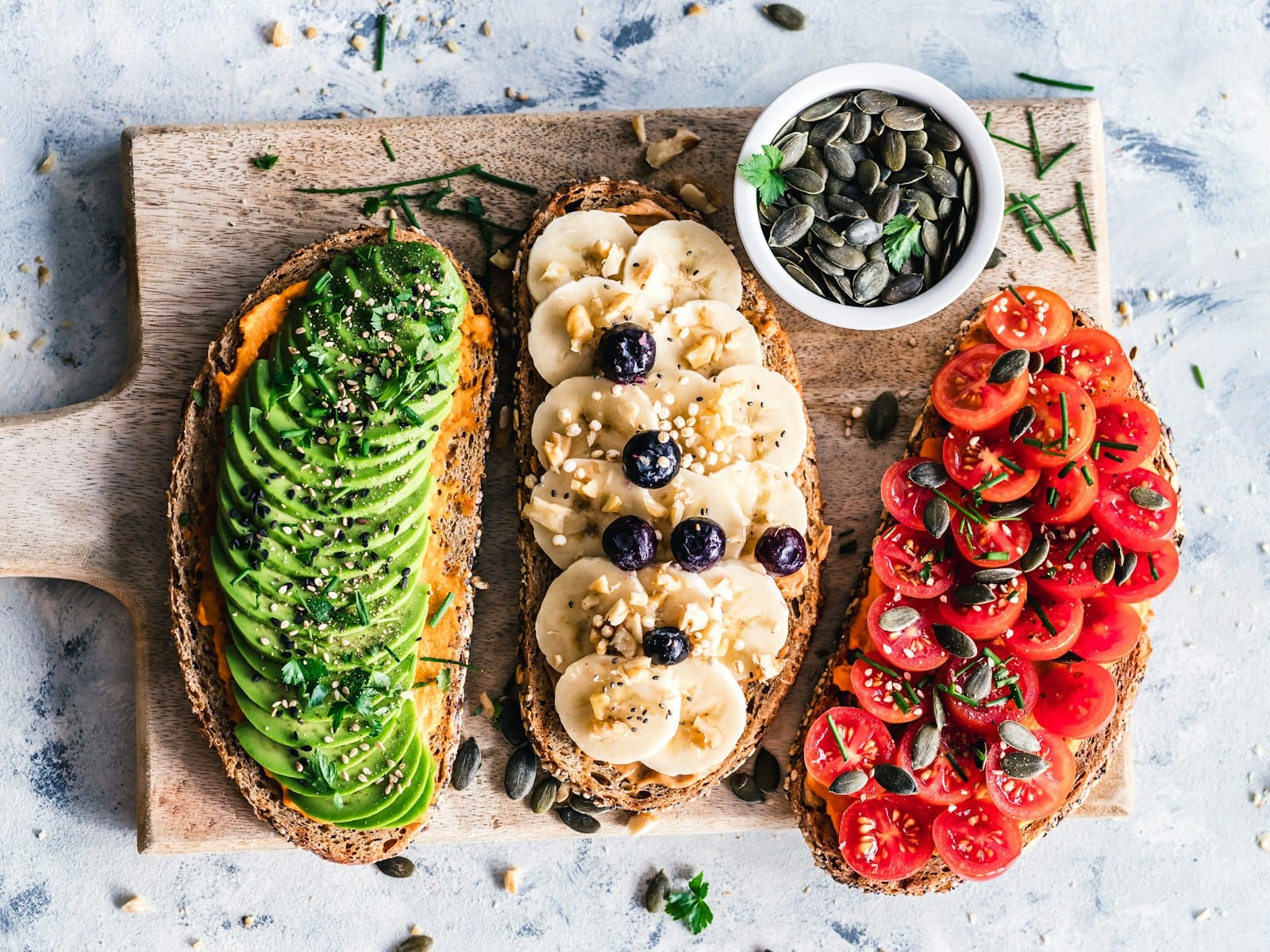
    Avocado toast served at a Southport cafe

    What to order at a Southport cafe

    Whatever your morning mood, there is a Southport order for it.

    • A proper coffee — flat white, batch brew or an iced number for warm days.
    • Acai or smoothie bowls — the coast’s signature light breakfast.

    • Smashed avo or toasts — the reliable savoury classic.
    • Pancakes or pastries — for when it is a treat kind of morning.
    Flat white with leaf latte art at a cafe

    A plant-based morning at The Cardamom Pod

    The Cardamom Pod has been a Southport fixture since 2016, serving clean, colourful, plant-powered food at The Brickworks on Brolga Avenue.

    Brunch here means vibrant acai bowls, fluffy pancakes and savoury plates from a fully plant-based kitchen — with plant-milk coffee and a cow-milk option if you prefer.

    The setting helps, too. Relaxed and colourful, with a spot at The Brickworks that puts a gourmet food market right on your doorstep, it is the kind of cafe where a quick coffee easily turns into a lazy two-hour brunch. Add in the loyal local following and the easy, all-ages menu, and it is no surprise it has become a Southport fixture since 2016.

    See the full plant-based cafe menu, browse our food gallery, or book a table at The Brickworks in Southport.

    Fresh croissants and pastries at a cafe counter

    Southport’s coffee scene

    If there is one thing Southport takes seriously, it is coffee. The suburb has quietly built a reputation for quality, with independent roasters and skilled baristas the norm rather than the exception.

    You will find everything from classic flat whites and batch brew to experimental frozen coffees and Vietnamese-style iced coffee across the local cafes. Plant milks — oat, soy, almond and coconut — are standard almost everywhere, so a dairy-free coffee is never hard to find.

    At dedicated plant-based venues like The Cardamom Pod, the full range of plant milks is poured as a matter of course, with a cow-milk option there if you prefer. However you take it, a good coffee is the thread that ties a relaxed Southport morning together.

    The best approach is simple: pick a cafe, order a coffee and a plate to share, and settle in. Southport rewards a slow morning.

    Making a morning of it around the Broadwater

    The best Southport cafe mornings do not end at the last sip of coffee. With the Broadwater Parklands just minutes from most cafes, it is easy to turn brunch into a proper morning out.

    Start early with breakfast at The Brickworks, then walk it off along the water, where you will find shady picnic spots, the Rockpools water playground and wide, easy paths perfect for a stroll. Loop back through the Ferry Road market for coffee beans, fresh produce or a treat to take home.

    It is the kind of unhurried, plant-forward morning that Southport does better than almost anywhere on the coast — equal parts good food, good coffee and fresh sea air. Bring friends, bring the family, and give yourself no reason to rush.

    Tips for the perfect Southport cafe morning

    1. Arrive before the rush — 8–9am is the weekend sweet spot.
    2. Book for groups — larger tables fill quickly.
    3. Pair it with a walk along the Broadwater Parklands.
    4. Make a morning of it at a precinct like The Brickworks.
    Iced cold brew coffee in a glass

    Planning a bigger day out? Tourism & Events Queensland has a helpful overview of things to see and do in Southport.

    Brunch plate with eggs and greens at a Southport cafe

    A cafe scene that keeps growing

    Part of what makes Southport exciting right now is how quickly its cafe scene is evolving. Alongside the established favourites, a steady stream of new openings keeps things fresh.

    Recent arrivals have brought everything from ultra-frozen signature brews and design-led fit-outs to Vietnamese-Australian fusion breakfasts and gluten-free bakeries. It means that even regulars have somewhere new to try, and visitors are spoilt for choice within a short drive.

    Through all the change, the fundamentals stay the same: quality coffee, a warm welcome and a genuine focus on good food. The plant-based end of the scene has grown right alongside it, so wherever you land, a great dairy-free coffee and a satisfying meat-free plate are never far away.

    The best way to keep up is simply to explore. Pick a different cafe each weekend, follow your favourites on social media for specials, and build your own short-list of Southport go-tos.

    Frequently asked questions

    What are the best cafes in Southport?

    Southport has a thriving cafe scene, from specialty-coffee newcomers to long-running favourites. For plant-based food and all-round brunch, The Cardamom Pod at The Brickworks is a local standout, alongside a growing line-up of independent coffee spots.

    Where can I get the best coffee in Southport?

    Independent roasters and skilled baristas are the norm in Southport. Most cafes stock oat, soy, almond and coconut milk, and dedicated plant-based venues like The Cardamom Pod pour the full range as standard.

    Are there vegan cafes in Southport?

    Yes. The Cardamom Pod at The Brickworks runs a fully plant-based kitchen, and several other Southport cafes offer strong vegan and vegetarian options.

    Do Southport cafes serve breakfast all day?

    Many serve breakfast and brunch through late morning. The Cardamom Pod is open 8am to 3pm, seven days, with the kitchen closing at 2:30pm.

    Is there parking near Southport cafes?

    Yes. Precinct cafes such as those at The Brickworks on Ferry Road have on-site parking, and there is plenty of parking around the Broadwater and Southport CBD.

    Keep exploring

    For more local food inspiration, read our guides to where to brunch in Southport, the best vegan breakfast on the Gold Coast, and dining at The Brickworks.

  • The Best Vegetarian Restaurants on the Gold Coast

    The Best Vegetarian Restaurants on the Gold Coast

    The Gold Coast’s vegetarian dining scene is richer than ever. From soulful farm-to-table Indian kitchens to bright, modern plant-based cafes, there has never been a better time to eat meat-free on the coast.
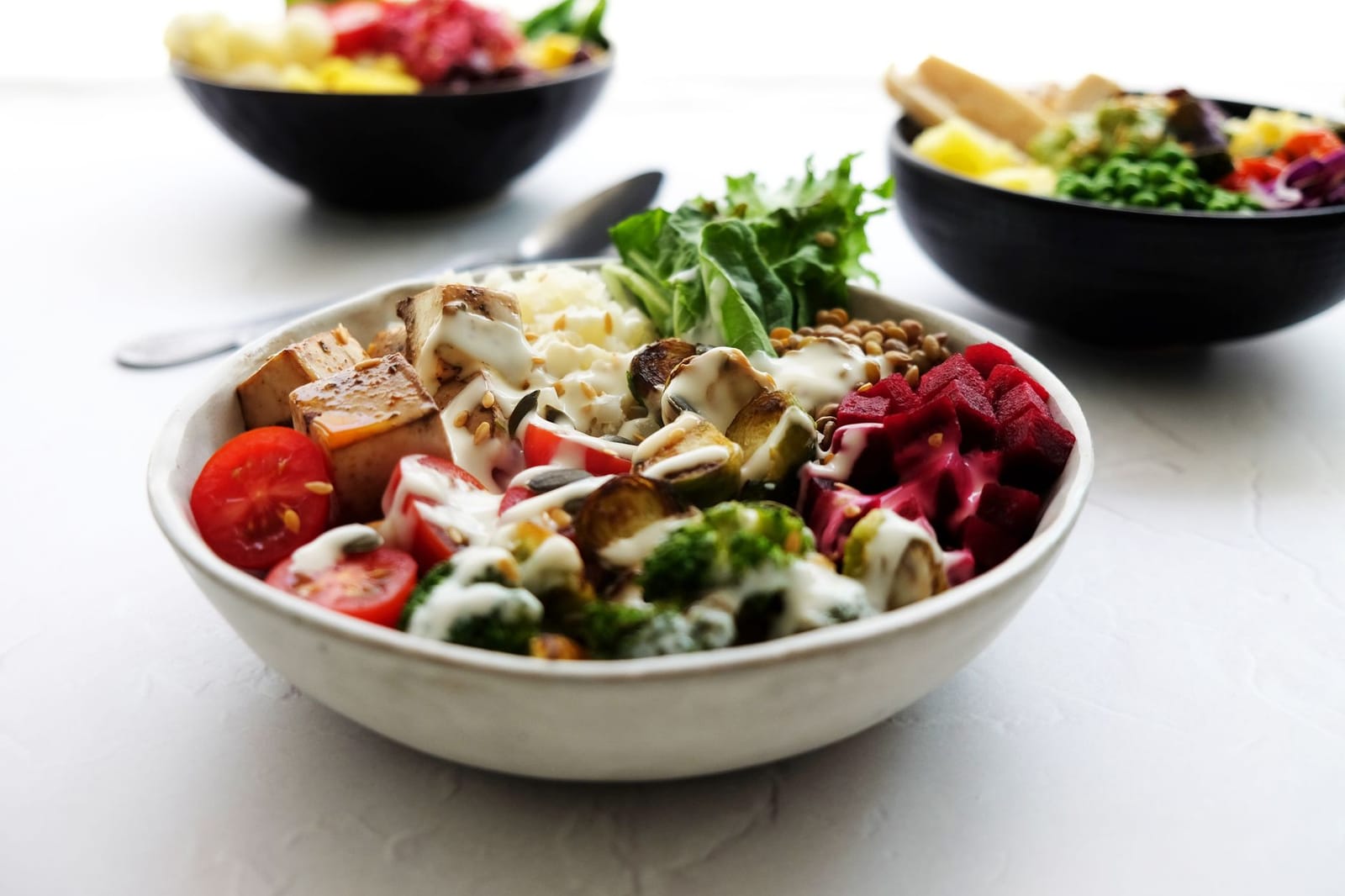
    This guide covers the best vegetarian restaurants on the Gold Coast, what sets each apart, and how to order well — whether you are vegetarian, vegan or simply eating more plants.

    What makes vegetarian dining so good here?

    Vegetarian food thrives on the Gold Coast for a simple reason: an abundance of fresh, local produce and a community that genuinely values healthy, conscious eating.

    The best vegetarian restaurants share a few things in common:

    • Vegetable-forward cooking — plants as the hero, not an afterthought.
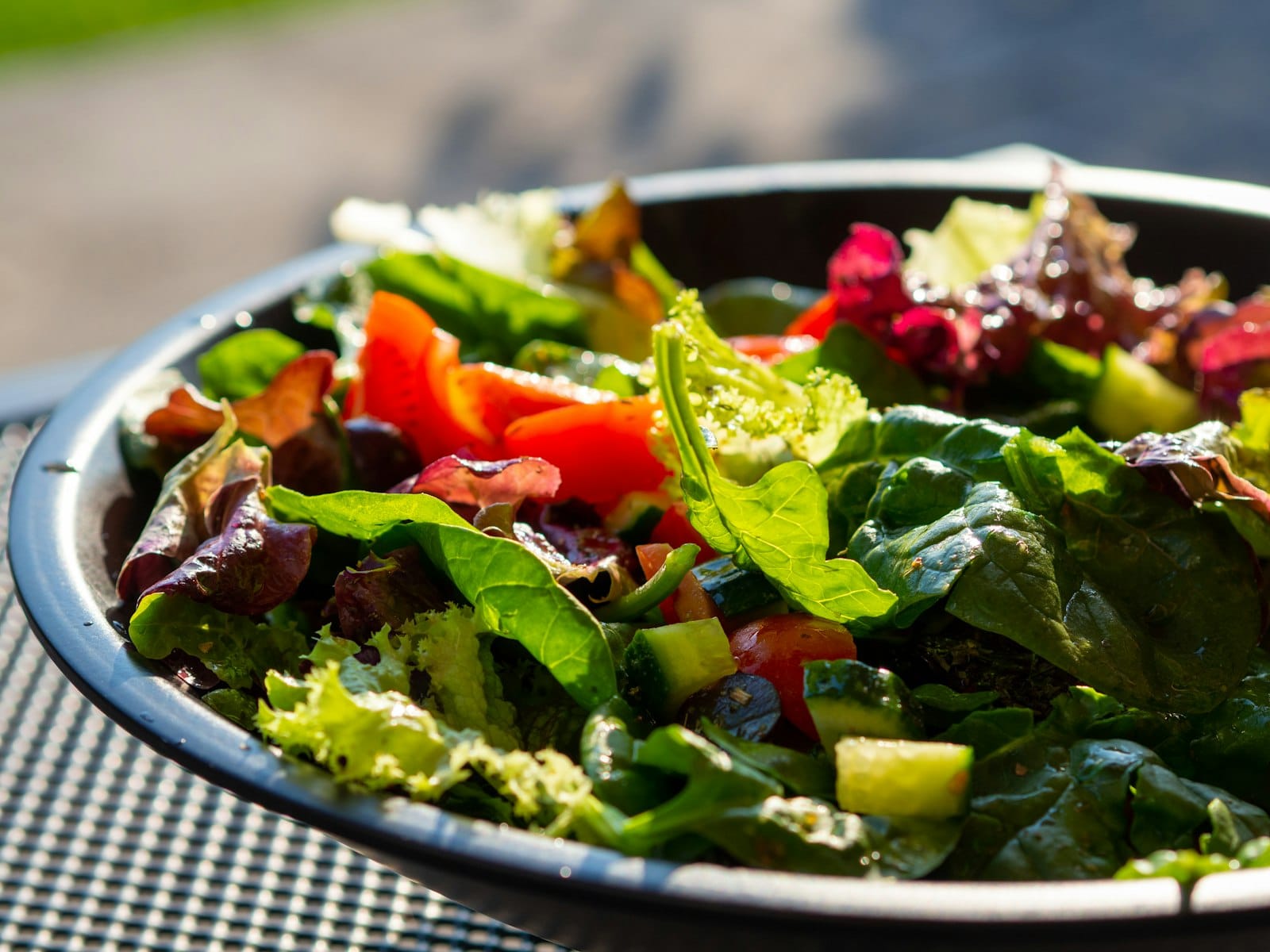
    • Global influence — Indian, Vietnamese and modern-Australian flavours.
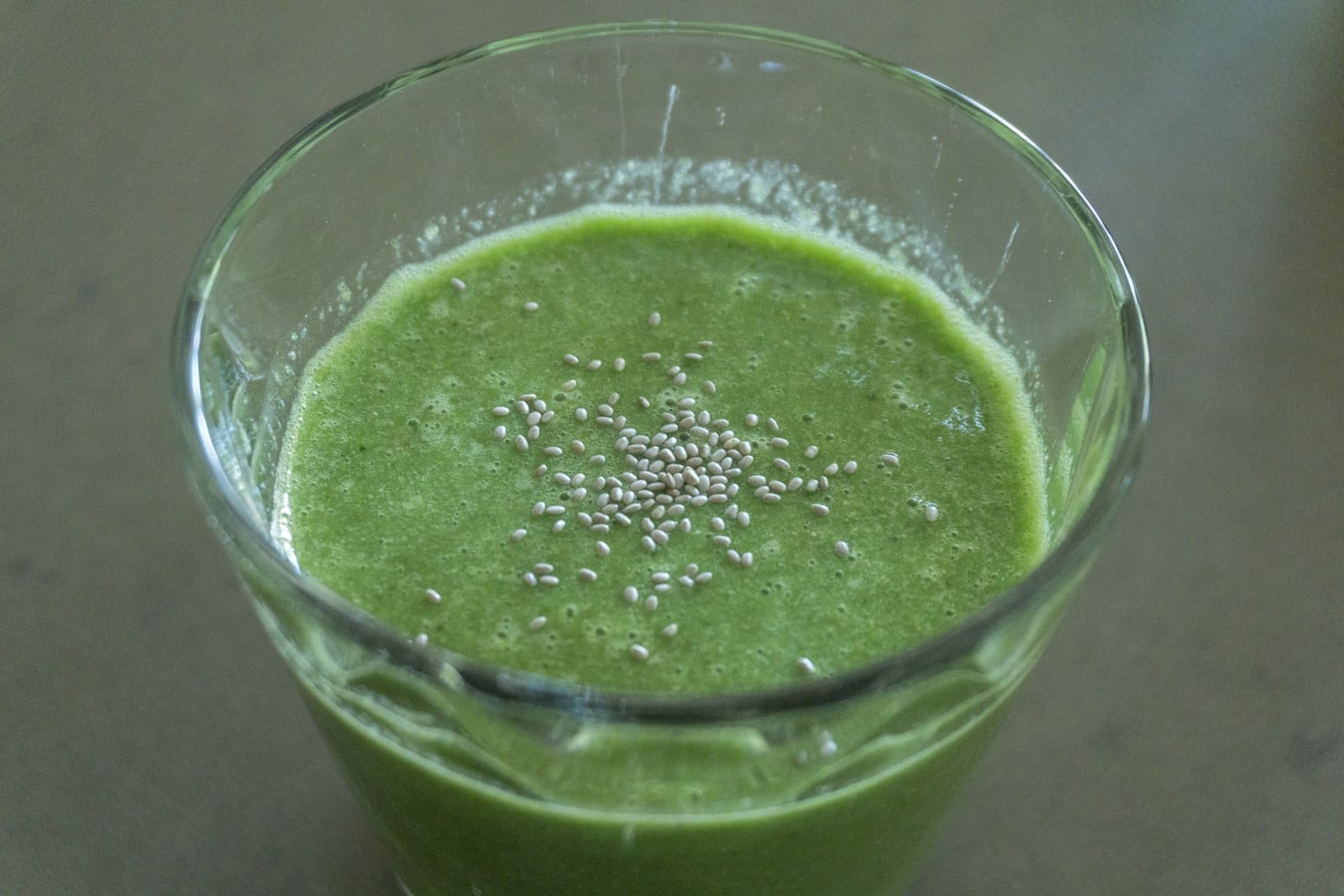
    • Care with dietary needs — clear vegan and gluten-free labelling.
    • Value — generous, satisfying meals at a fair price.
    Vegetarian vegetable curry in a bowl

    The best vegetarian restaurants on the Gold Coast

    Here is how some of the coast’s favourite meat-free venues compare.

    RestaurantAreaCuisineBest forApprox. per person
    The Cardamom PodThe Brickworks, SouthportModern plant-basedBreakfast, brunch & lunch$15–25
    Govindas Pure VegetarianGold CoastIndian, farm-to-tableWholesome curries & thalis$12–20
    The Milkman’s DaughterMermaid BeachCafe / brunchCoffee & lush brunch$18–30
    Kuan Yin Tea HouseSouthportVietnamese vegetarianBig, affordable portions$15–25
    Tian Ran VegetarianGold CoastAsian vegetarianDairy-free, gluten-free menu$15–28
    A quick comparison of well-loved Gold Coast vegetarian restaurants.

    For an easy, all-round vegetarian meal in the north, The Cardamom Pod at The Brickworks in Southport is a local institution.

    Vegetarian spread of curries, rice and sides

    Vegetarian dishes worth ordering

    New to meat-free dining? These dishes are a delicious place to begin.

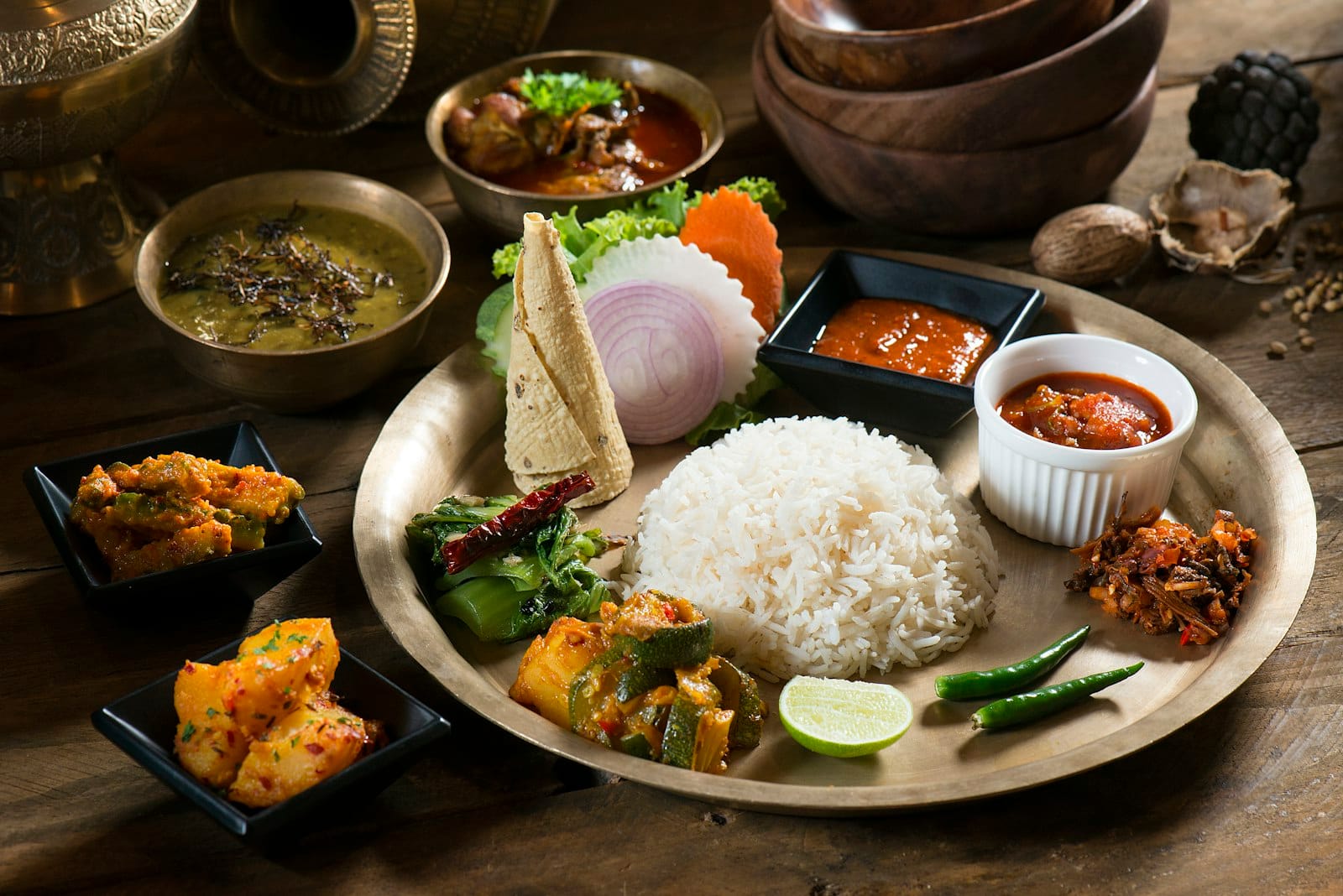
    • Thali — a little of everything, perfect for sharing.
    • Dhal and curries — comforting, protein-rich and full of flavour.
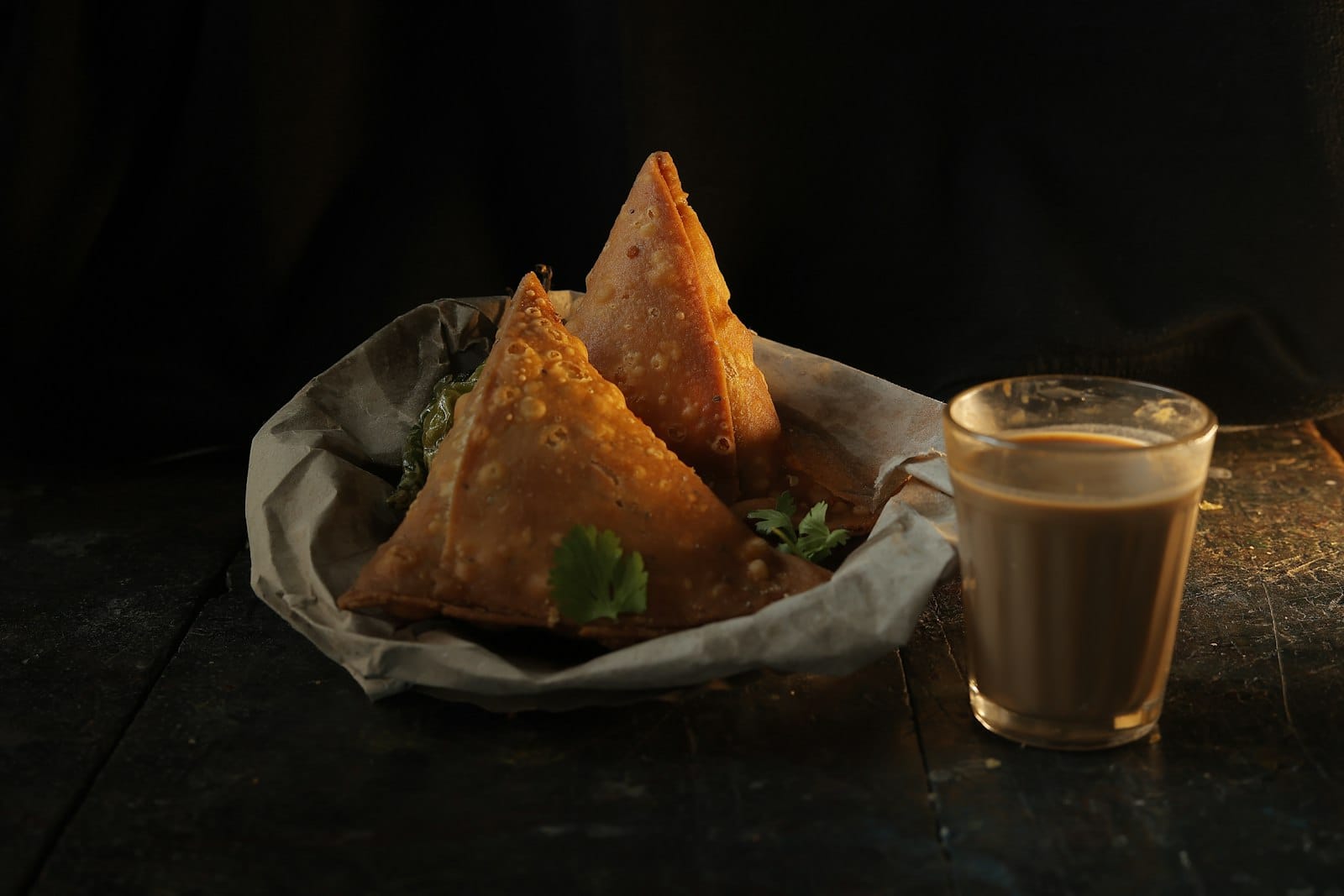
    • Samosas and pakoras — the ultimate vegetarian snack.
    • Grain and salad bowls — fresh, balanced and filling.
    Freshly made samosas and Indian sides on a plate

    The Cardamom Pod: plant-based done with heart

    Tucked into The Brickworks precinct on Brolga Avenue, Southport, The Cardamom Pod has been a vegetarian favourite since 2016.

    Every dish is made in a fully plant-based kitchen and cooked in the spirit of prasadam — food prepared as an offering of love. Expect colourful acai bowls, viral pancakes, hearty curries and savoury plates, with a cow-milk coffee option if you prefer.

    It is also a genuinely welcoming place to eat. Bright, relaxed and family-friendly, The Cardamom Pod suits everyone from committed vegans to first-time visitors just dipping a toe into meat-free dining — which is a big part of why it has kept such a loyal following for the better part of a decade. It is the sort of spot you come to once and quietly adopt as your regular.

    See the full vegetarian and vegan menu at The Cardamom Pod, browse our food gallery, or book a table at The Brickworks in Southport.

    Bowl of dhal served with rice

    Vegetarian, vegan or plant-based: what is the difference?

    These terms get used interchangeably, but they are not quite the same — and knowing the difference makes ordering much easier.

    A vegetarian menu excludes meat and seafood but may still use dairy and eggs. A vegan menu goes further, excluding all animal products including milk, butter, honey and eggs. “Plant-based” is often used to mean the same thing as vegan, with an emphasis on wholefoods.

    The good news is that many of the Gold Coast’s best vegetarian venues are vegan-friendly by default. The Cardamom Pod, for instance, runs a fully plant-based kitchen, so vegetarians and vegans can both order freely from the same menu — a rarity that takes the guesswork out of a meal.

    If you are dining somewhere that is vegetarian rather than fully plant-based, simply ask which dishes are vegan; most kitchens are happy to point them out or adapt a plate for you.

    The rise of plant-based dining on the Gold Coast

    It is easy to forget how far the local scene has come. A decade ago, vegetarians often made do with a single meat-free option tucked at the bottom of the menu. Today, the Gold Coast is a genuine destination for plant-based food.

    That shift has been driven by a mix of things: a health-conscious local community, an abundance of fresh regional produce, and a wave of chefs who see vegetables as an exciting challenge rather than a limitation. The result is a scene with real range — from humble, generous curry houses to polished, creative kitchens.

    Long-running venues like The Cardamom Pod, which opened its doors back in 2016, helped lead that change, proving that a fully plant-based kitchen could be every bit as popular and satisfying as any other. The steady stream of new openings since is proof the appetite is only growing.

    Tips for eating vegetarian on the Gold Coast

    1. Ask what is vegan if you avoid dairy — many dishes can be adapted.
    2. Share a few dishes to try more of the menu.
    3. Book ahead on weekends, especially for larger groups.
    4. Save room for dessert — vegetarian sweets are a highlight.
    Fresh vegetarian salad bowl with greens and vegetables

    A balanced vegetarian diet is recognised as healthy and complete by Dietitians Australia, so you can order freely and eat well.

    Warm vegetarian restaurant table setting

    Getting enough protein on a vegetarian diet

    The question every vegetarian is asked at some point is: “but where do you get your protein?” The reassuring answer is that it is easier than most people think.

    Legumes, tofu, tempeh, chickpeas, lentils, nuts, seeds and wholegrains are all excellent plant sources of protein, and the best vegetarian restaurants weave them through the menu — in dhals, curries, grain bowls and hearty salads. Eat a varied diet across the day and your needs are comfortably met.

    A dish like a chickpea and lentil curry with rice, or a grain bowl topped with tofu and seeds, delivers plenty of protein alongside fibre, iron and healthy fats. That is the quiet advantage of vegetarian cooking: the protein tends to arrive wrapped in a package of other good things.

    If you are transitioning to a meat-free diet and want tailored guidance, it is always worth speaking to an accredited dietitian — but for everyday eating out, a balanced vegetarian meal has you covered.

    Frequently asked questions

    What are the best vegetarian restaurants on the Gold Coast?

    Stand-outs include The Cardamom Pod at The Brickworks in Southport, Govindas Pure Vegetarian, The Milkman’s Daughter in Mermaid Beach and Kuan Yin Tea House — each offering a different take on meat-free dining.

    Is vegetarian food on the Gold Coast suitable for vegans?

    Often, yes. Many vegetarian venues, including The Cardamom Pod, run fully plant-based kitchens or clearly mark vegan dishes. Always check whether dairy is used if you eat strictly vegan.

    Do vegetarian restaurants have enough protein?

    Absolutely. Legumes, tofu, tempeh, nuts, seeds and wholegrains all provide plenty of protein, and a well-planned vegetarian diet meets your needs at every life stage.

    Are Gold Coast vegetarian restaurants family-friendly?

    Most are relaxed and welcoming, with menus that suit kids and mixed groups. The Cardamom Pod at The Brickworks is a popular family choice with a colourful, all-ages menu.

    What should I order at a vegetarian restaurant?

    Curries, dhals, thalis, grain bowls, samosas and fresh salads are all reliable choices — and leave room for a vegetarian or vegan dessert.

    More plant-based inspiration

    Keep exploring with our guides to the best vegan restaurants on the Gold Coast, the best vegan breakfast on the Gold Coast, and the best cafes in Southport.