Eggs genuinely do more than one job in baking — binding, leavening, moisture, structure — which is exactly why there is no single perfect substitute that covers all of them equally well.
This guide covers the most reliable vegan egg replacers, and which one to reach for depending on exactly what you are making that day.
Once you genuinely understand what an egg is actually doing in a given recipe, choosing the right substitute becomes a lot more intuitive and far less trial-and-error.
What an egg actually does in a recipe
Before choosing a replacer, it genuinely helps to know exactly what job the egg is performing — binding ingredients together, adding moisture, helping a batter rise, or adding structure and richness.
Most baking recipes lean on eggs for one or two of these roles more than the others, and matching your substitute to that specific job makes a real difference to the result.

Comparing the main options
A handful of substitutes cover almost every baking situation.
| Substitute | Ratio (per egg) | Best for | Adds flavour? |
|---|---|---|---|
| Flax or chia egg | 1 tbsp ground seed + 3 tbsp water | Cookies, muffins, quick breads | Slight nutty note |
| Aquafaba | 3 tbsp liquid (whipped for whites) | Meringues, light cakes, frosting | Neutral |
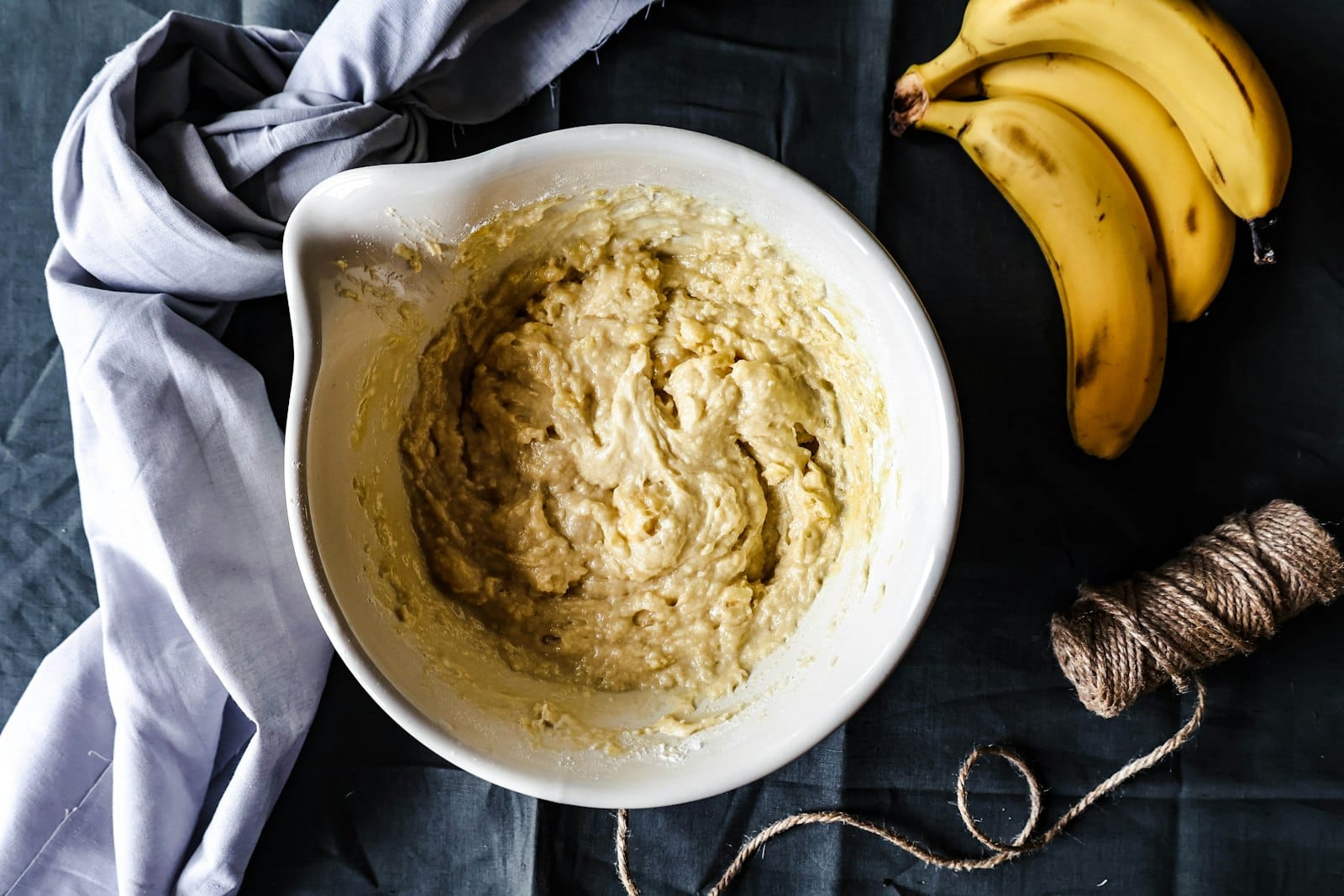
| Mashed banana | ¼ cup | Dense bakes like banana bread | Noticeable banana flavour |
| Chickpea flour + water | 3 tbsp flour + 3 tbsp water | Cookies, muffins, savoury bakes | Slight nutty note |

Flax and chia eggs, in detail
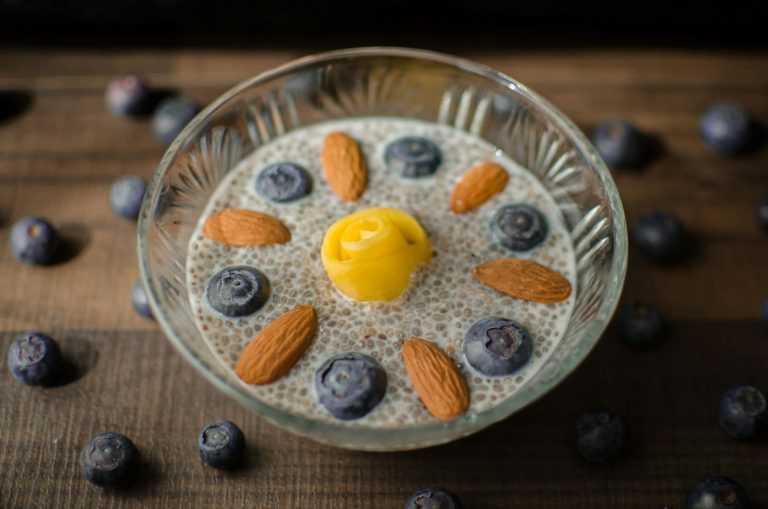
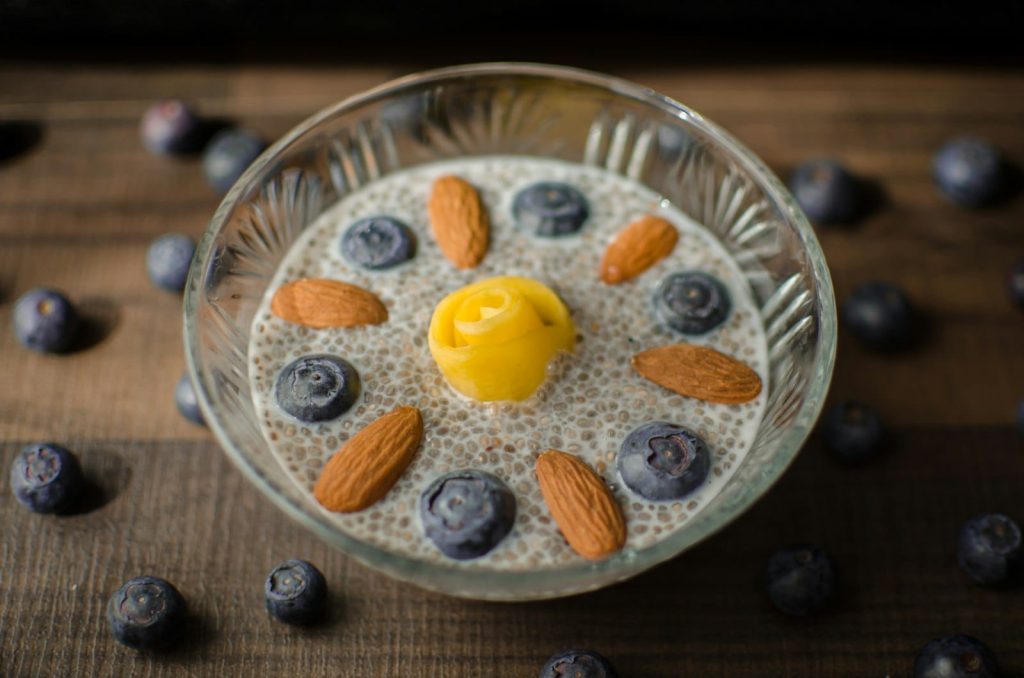
A flax or chia egg is made by mixing one tablespoon of the ground seed with three tablespoons of water, then letting it sit for five to ten minutes until it thickens into a gel.
It works well as a binder but provides little to no lift, so it suits recipes like cookies where a dense, chewy texture is expected rather than a light rise.
Aquafaba: the closest thing to real egg whites
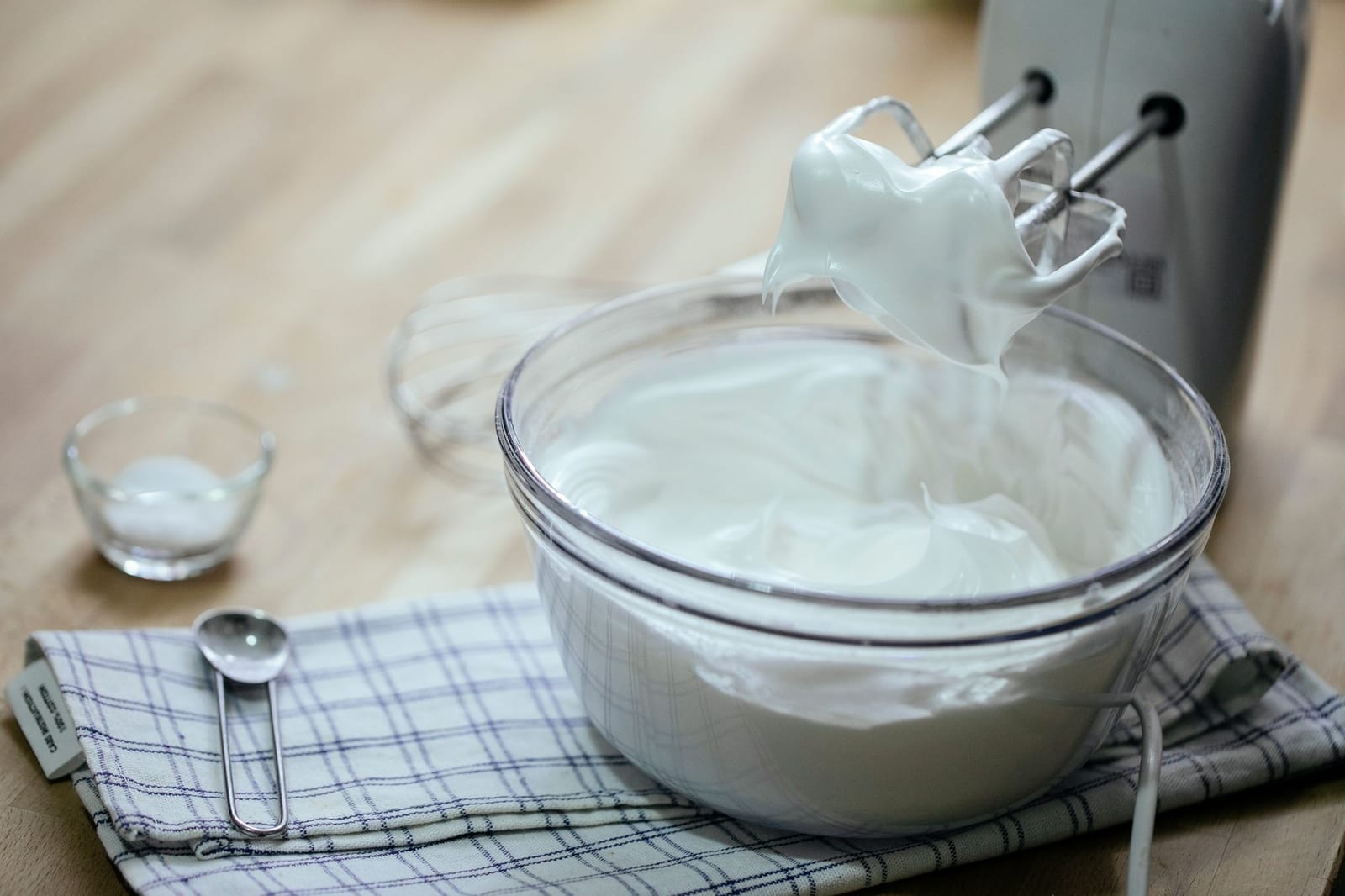
Aquafaba, the liquid drained from a can of chickpeas, is genuinely remarkable in what it can do — whipped for around a minute, it forms stiff peaks much like egg whites.
It is the best option for meringues, mousses and whipped frosting, and works well as a whole-egg substitute in lighter cakes too, where its neutral flavour is a real advantage.
Other reliable substitutes
A few other options are worth knowing, each suited to slightly different situations.
- Plant-based yoghurt — ¼ cup replaces one egg, adds moisture with minimal flavour impact.
- Baking soda + vinegar — 1 tsp soda + 1 tbsp vinegar, mainly for lift rather than binding.
- Cornstarch + water — 2 tbsp cornstarch + 3 tbsp water, a simple thickener and binder.
- Commercial egg replacer — shelf-stable powders like Ener-G, mixed with water per packet instructions.
Matching the substitute to the bake
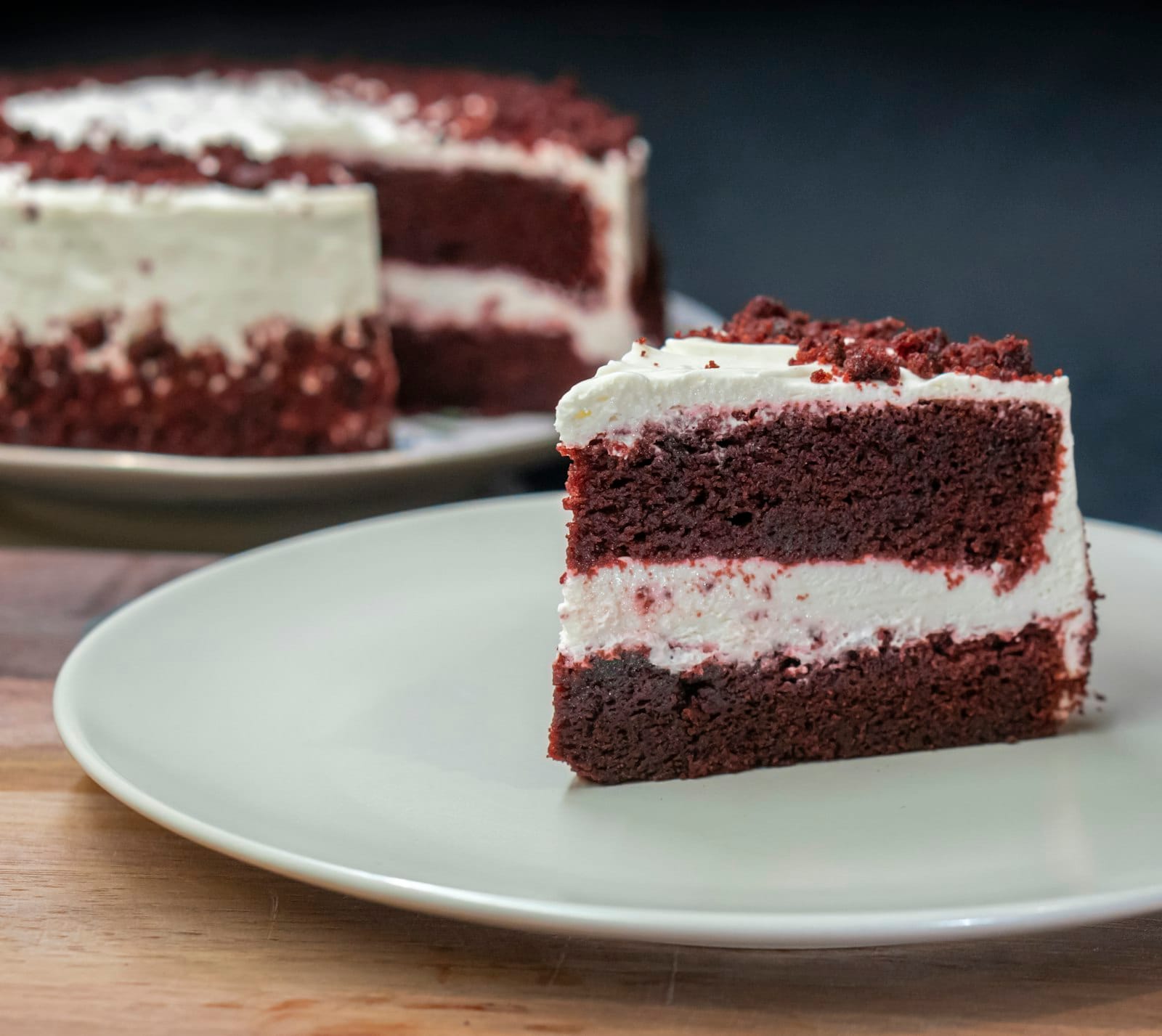
A dense, moist bake like banana bread or a brownie tolerates almost any substitute well, since the goal is already a heavier texture.
A lighter cake or muffin benefits more from aquafaba or a commercial egg replacer, which better mimic the lift a real egg provides — a flax egg alone can sometimes leave these bakes a little dense.

Common mistakes when switching to egg replacers
A handful of small errors trip up most people the first time they bake egg-free.
- Using a flax egg in a recipe that needs real lift, like a sponge cake, and ending up with a dense result.
- Over-whipping aquafaba past stiff peaks, which can cause it to weep and lose volume.
- Substituting mashed banana into a savoury or delicately flavoured recipe where its taste becomes obvious.
- Skipping the resting time a flax or chia egg needs to properly thicken before mixing it in.
Savoury cooking, not just baking
Egg replacers are not limited to sweet baking — chickpea flour mixed with water and a pinch of black salt (kala namak) makes a convincing base for a vegan scramble or omelette, thanks to that salt’s naturally eggy sulphur aroma.
It is a genuinely useful trick worth knowing beyond just baked goods.
A note on store-bought vegan egg products
A growing range of liquid vegan egg products are now available, designed to scramble, bake and even fry similarly to real egg.
They are convenient for savoury cooking in particular, though for most home baking, the simple pantry substitutes above work just as well and cost considerably less.
Freezing and shelf life
Most of these substitutes keep reasonably well — a flax or chia egg can be made ahead and refrigerated for a day or two, and aquafaba freezes into ice cube portions for whenever a recipe calls for a smaller amount.
Dry commercial egg replacer powders and chickpea flour both have a long shelf life stored in a cool, dry pantry, making them worth keeping on hand even if you only bake occasionally.
Building confidence through trial
The best way to get genuinely comfortable with egg replacers is simply to try a few across different recipes — a flax egg in cookies, aquafaba in a cake, banana in muffins — and see what works for your own kitchen and oven.
Keep notes on what worked and what did not for your go-to recipes, since the ideal substitute can vary slightly depending on the rest of the ingredient list, oven and even altitude.
For more plant-based cooking staples, see our guide to dairy-free vegan cheese, or browse our full plant-based menu at The Cardamom Pod.
For a deeper breakdown of substitution ratios, Veganuary’s guide to vegan egg substitutes is a handy reference to keep bookmarked.
A skill worth building once
Once you know which substitute suits which recipe, egg-free baking stops feeling like a workaround and starts feeling like second nature.
Keep a bag of flaxseed and a can of chickpeas on hand, and you are covered for most situations without any special shopping trip.
None of this needs to be complicated — a handful of reliable substitutes, matched sensibly to the job at hand, is genuinely all it takes to bake confidently without eggs.
Frequently asked questions
What is the best all-round egg replacer for baking?
A flax or chia egg (one tablespoon ground seed with three tablespoons water) is the most versatile option, working well as a binder across cookies, muffins and quick breads.
What is aquafaba?
Aquafaba is the liquid left over from cooking chickpeas, most often from a can — whipped, it behaves remarkably like egg whites, making it ideal for meringues and light, airy bakes.
Can mashed banana replace eggs in any recipe?
It works best in dense, moist bakes like banana bread or muffins, where a hint of banana flavour is not a problem — it is less suited to delicate or savoury recipes.
Does one egg replacer work for every recipe?
No — different replacers serve different functions (binding, leavening, moisture), so the best choice depends on what the egg was doing in the original recipe.
Do commercial egg replacer powders work well?
Yes — products like Ener-G or Bob’s Red Mill egg replacer are reliable, shelf-stable options, particularly useful for baking in bulk.
Keep exploring
For more, read our guides to dairy-free vegan cheese: a complete guide, vegan kitchen staples, and how to make fluffy vegan pancakes.