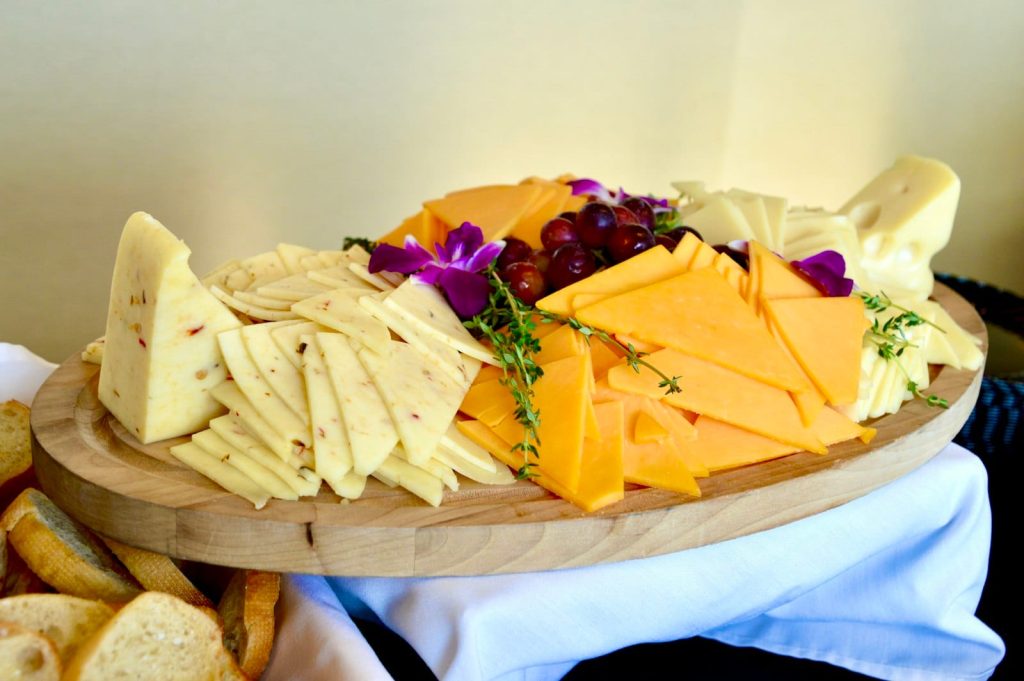
Vegan cheese has come a long way from the rubbery, barely-melting blocks of a decade ago — today’s better brands genuinely rival the dairy version in flavour, texture and meltability alike.
This guide covers how vegan cheese is made, the different bases available, and how to choose the right one for exactly what you happen to be cooking.
Knowing which type suits which use makes a real difference — a great melting shred is not necessarily the right choice for a cheese board, and vice versa.
What vegan cheese is actually made from
Most vegan cheese starts from a nut, seed or soy base, thickened with starches like tapioca or agar, and flavoured to mimic the tang and savouriness of dairy cheese.
Cultures, nutritional yeast, lemon juice and salt all play a role in building that familiar cheesy flavour, depending on the brand and style, with fermentation time in some artisanal versions adding further depth.
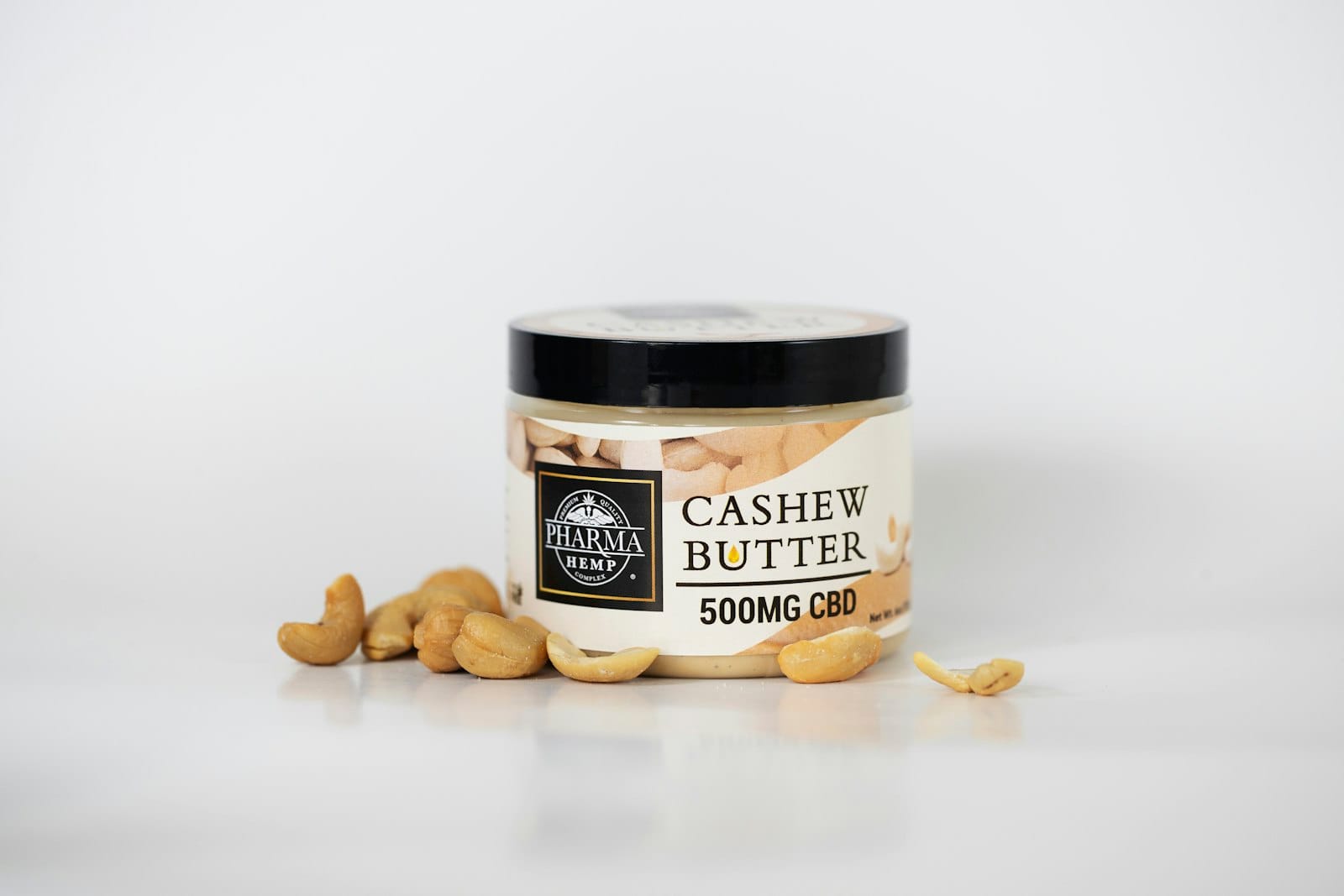
Comparing the common bases
The base ingredient shapes texture and flavour more than almost anything else in a vegan cheese, so it is worth understanding before you shop.
| Base | Texture | Flavour | Best for |
|---|---|---|---|
| Cashew | Rich, creamy | Mild, slightly sweet | Spreads, sauces, soft cheeses |
| Soy | Firm, holds shape | Neutral | Slices, shreds, melting |
| Almond | Firm, slightly grainy | Nutty | Firmer block-style cheeses |
| Coconut oil-based | Very meltable | Mild | Pizza and grilled cheese |
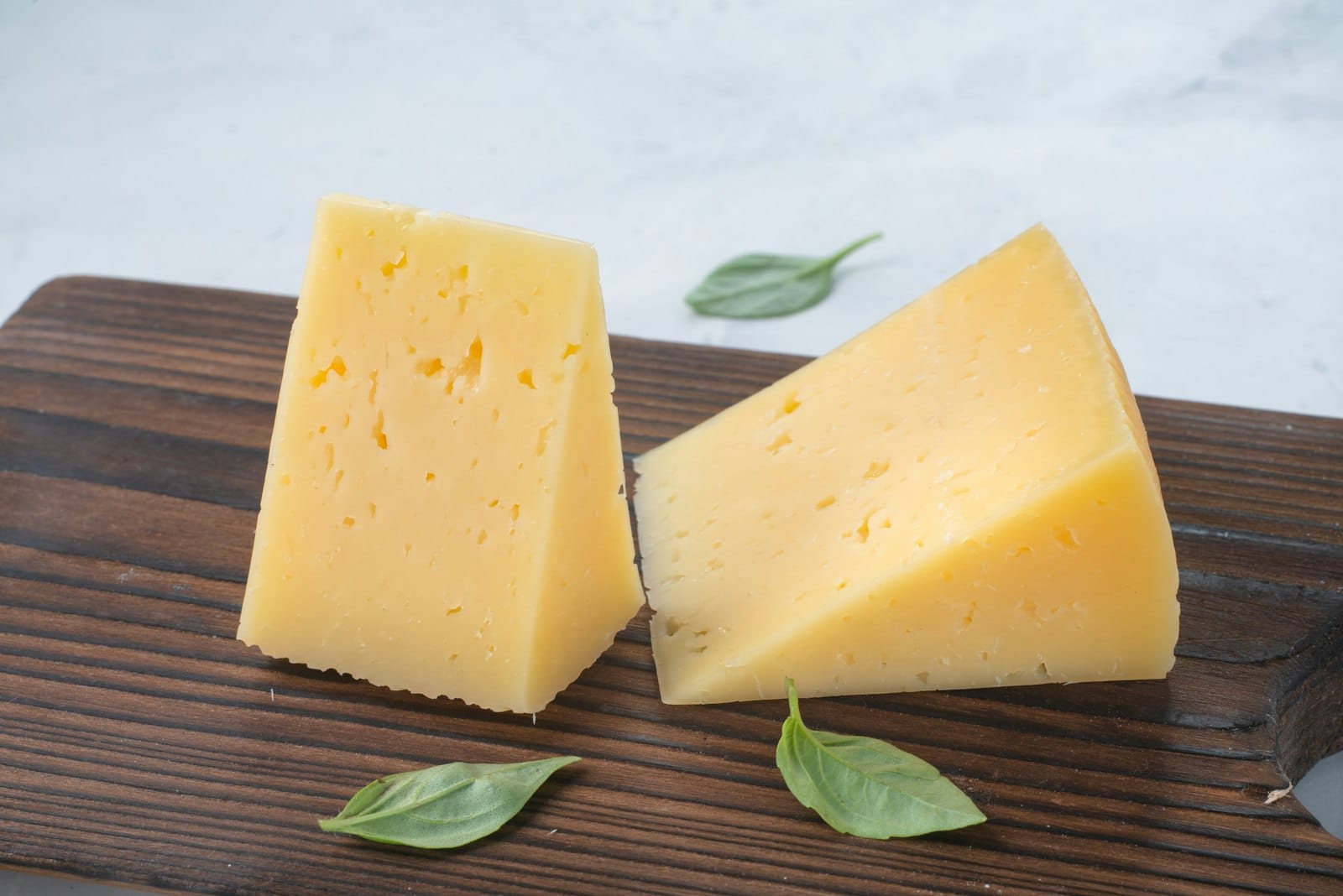
Choosing the right type for the job
Not every vegan cheese performs the same way, so it is genuinely worth matching the specific type to what you are actually cooking that night.
- Shreds — best for pizza, toasties and anything that needs to melt.
- Slices — good for sandwiches and burgers, less reliable for melting.
- Spreadable/cream cheese style — ideal for bagels, dips and cheesecakes.
- Block or wedge — best for slicing onto a cheese board or grating fresh.
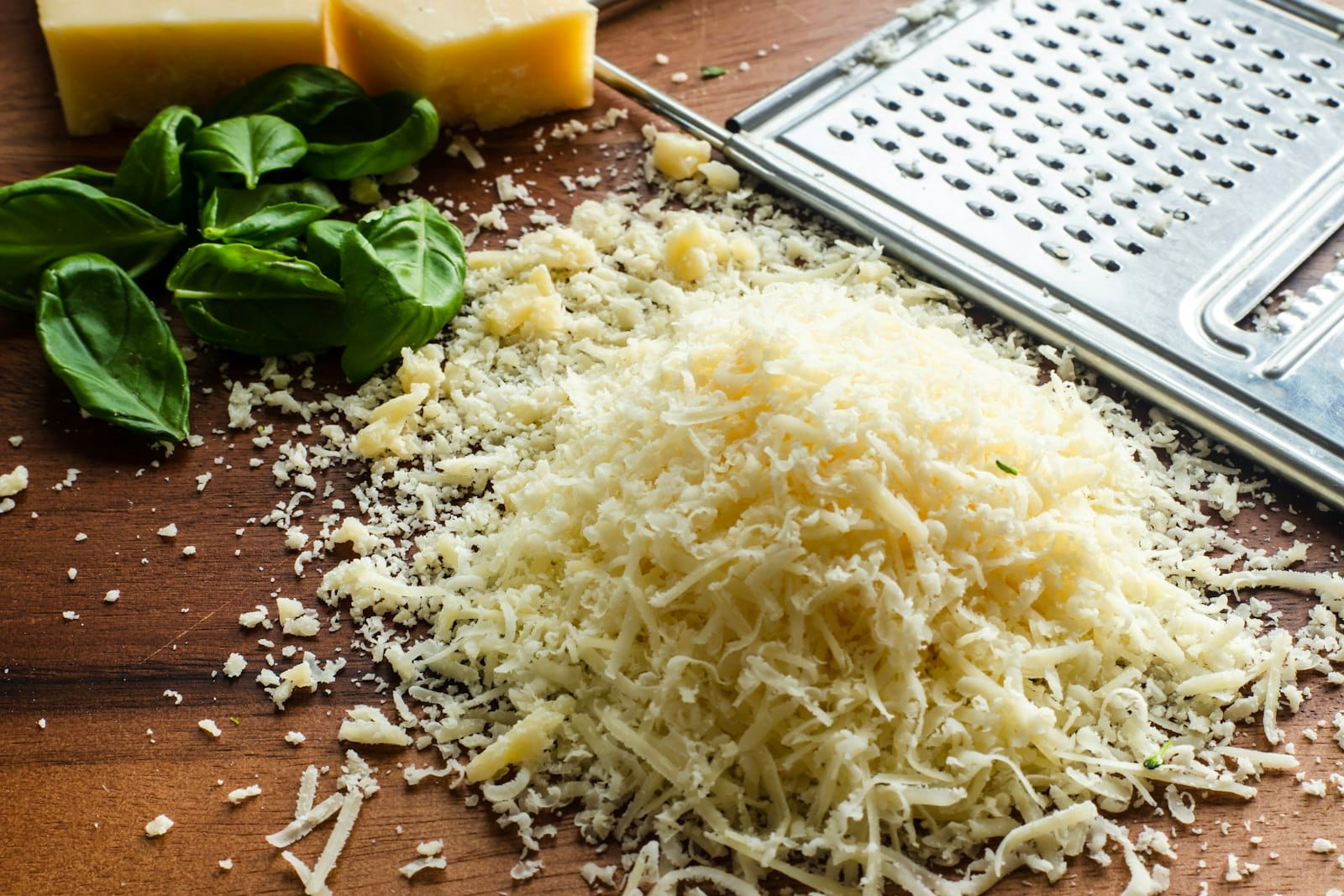
Melting it properly
Vegan cheese generally needs a slightly different approach to melting than dairy — lower, gentler heat tends to work better than a hot, fast melt.
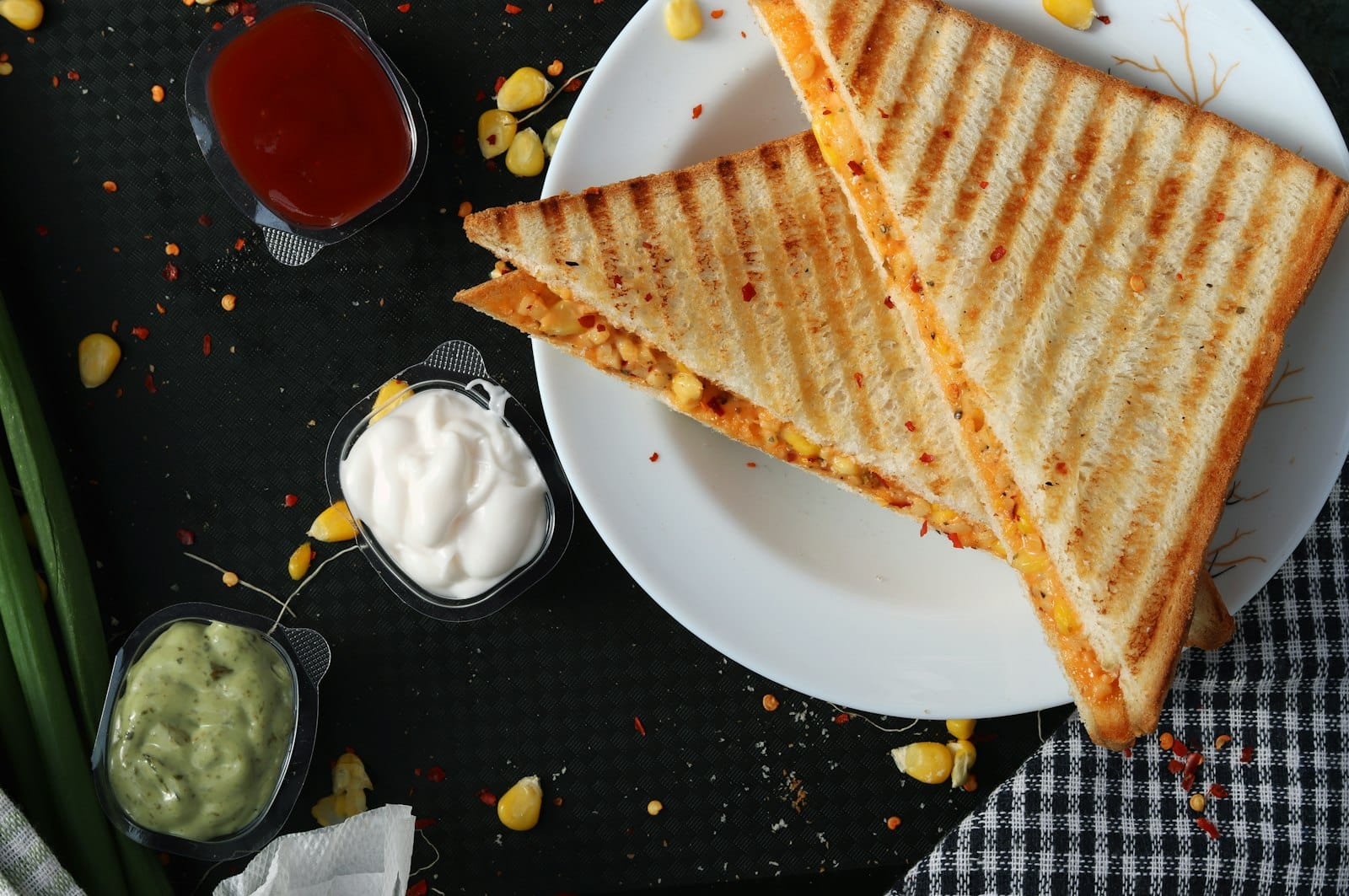
For grilled cheese or a toastie, cooking a little slower gives the cheese time to soften and melt through properly, rather than the outside browning before the inside has had any real chance to melt.
Making a simple cashew cheese at home
A basic cashew cheese needs surprisingly little beyond soaked cashews, nutritional yeast, lemon juice and salt, all blended together until genuinely smooth.
Soak raw cashews in water for a few hours (or briefly in boiling water if short on time), then blend with the remaining ingredients and a splash of water until creamy — adjust seasoning to taste.
A note on allergens
Because most vegan cheese relies on nuts, particularly cashews, it is worth checking the label carefully if cooking for anyone with a nut allergy — soy or coconut oil-based options are generally the safer alternative in that situation.
Most brands now clearly label their base ingredient on the front of the packaging, making it easy to spot at a glance before buying.
Nutritional yeast: cheese-adjacent, not cheese
Nutritional yeast deserves a mention here, since it often gets confused with vegan cheese itself — it is a single ingredient with a naturally savoury, cheesy flavour, commonly used within vegan cheese recipes rather than as a finished product on its own.
A sprinkle over popcorn, pasta or roasted vegetables delivers a lot of that cheesy flavour without needing a dedicated vegan cheese product at all — see our guide to vegan kitchen staples for more.
Reading vegan cheese labels
Not everything labelled “dairy-free” is automatically vegan — casein, a milk protein sometimes used to improve meltability in supposedly non-dairy products, occasionally sneaks into the ingredient list.
Checking for a certified vegan logo, or simply reading the ingredient list for any dairy-derived additives, is worth the extra thirty seconds, particularly with budget or house-brand products that have not been as carefully formulated as the bigger dedicated vegan brands.
Vegan cheese on a pizza
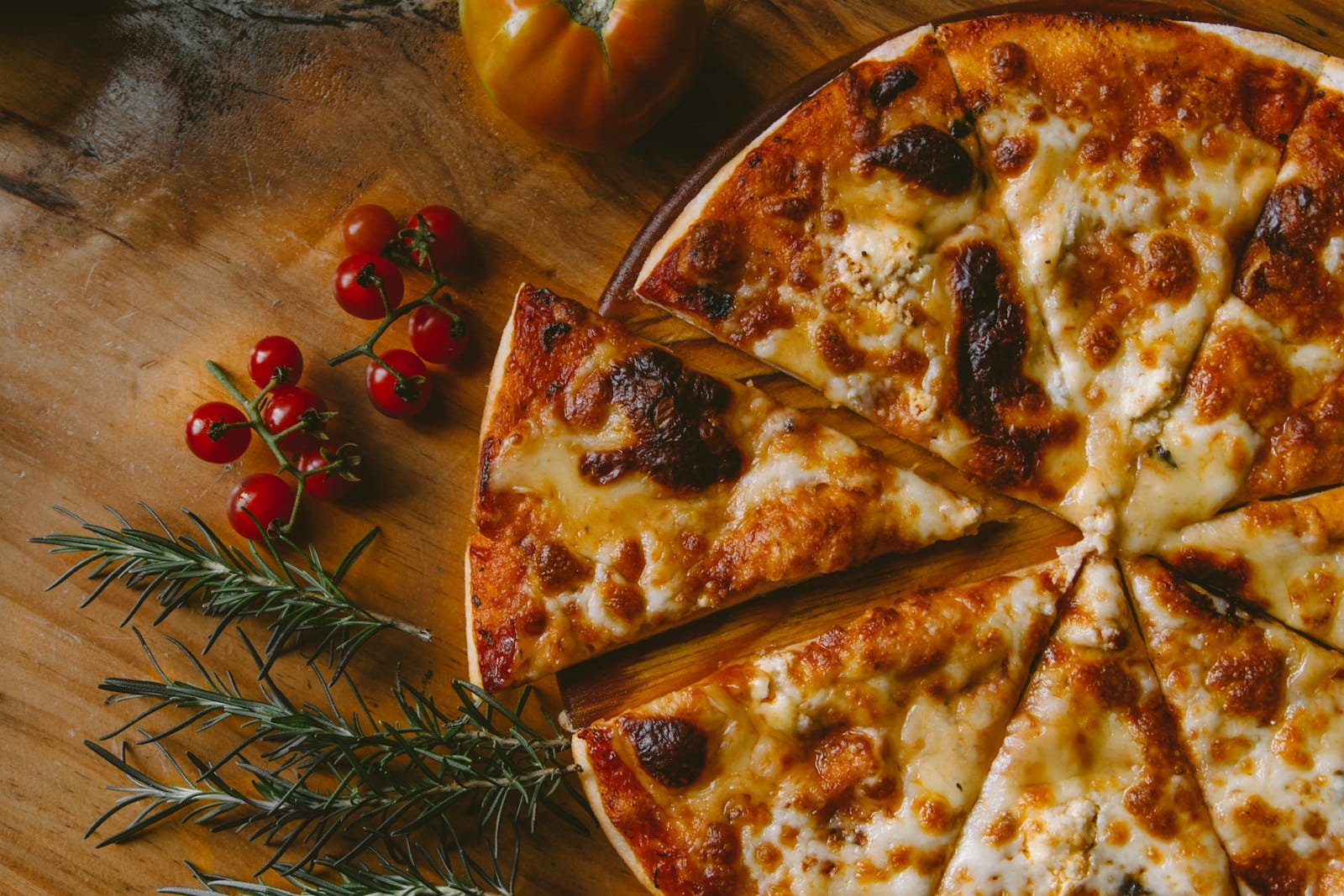
Pizza is one of the toughest tests for any vegan cheese — it needs to melt, stretch slightly and brown a little, not just soften.
Coconut oil-based mozzarella-style shreds tend to perform best here, and a slightly higher oven temperature than usual genuinely helps achieve that classic bubbly, golden brown top.
Building a vegan cheese board
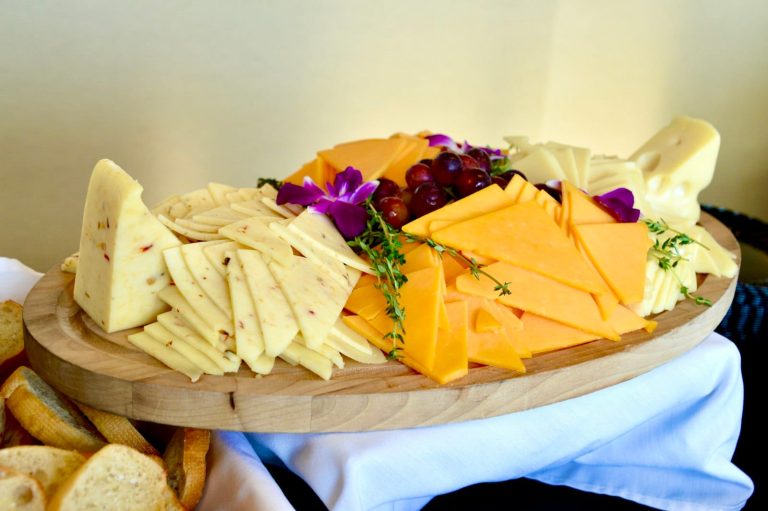
A good vegan cheese board benefits from variety — a firm, nutty block, a soft spreadable style, and something with a little tang all give guests genuinely different textures and flavours to compare.
Pair with crackers, fresh fruit, nuts and a good chutney, exactly as you would with a traditional dairy board. A drizzle of date caramel or fig jam alongside a firmer cashew block is a particularly good combination worth trying.
Cost and where to shop
Vegan cheese still tends to carry a price premium over dairy, though the gap has narrowed considerably as more brands enter the market and production scales up.
Most major supermarkets now stock a reasonable range in the dedicated plant-based or dairy-alternative section, while smaller specialty grocers and health food stores often carry a wider selection of the smaller, artisanal cashew-based brands worth seeking out for a cheese board.
Buying in bulk when a favourite brand goes on sale, and freezing what you will not use within a week or two, is a reasonable way to manage that cost without sacrificing quality.
A category that keeps improving
Vegan cheese has genuinely closed the gap with dairy in recent years, and trying a few different brands and styles is the best way to find what works for your cooking.
For more plant-based cooking staples, see our guide to vegan egg replacers, or browse our full plant-based menu at The Cardamom Pod.
For a deeper dive into different vegan cheese types and brands, Minimalist Baker’s complete guide to vegan cheese is a great resource.
Worth experimenting with
If an earlier, less convincing vegan cheese put you off the category altogether, it is genuinely worth giving it another try — the best modern options are a different experience entirely from what was on shelves even five years ago.
Try a few brands and styles before settling on a favourite; the right one really does depend on what you are cooking, and there is rarely a single “best” option across every use case.
Keep a shred for pizza night and a spreadable style for the bagel drawer, and you will likely find yourself covered for most everyday situations.
Frequently asked questions
What is vegan cheese made from?
Most vegan cheese is built from a nut, seed or soy base — commonly cashews, almonds or soy milk — thickened with starch and flavoured with cultures, nutritional yeast or spices.
Does vegan cheese melt like dairy cheese?
The better modern brands do, particularly shreds designed for pizza and toasties, though texture still varies more between brands than dairy cheese does.
Is nutritional yeast the same as vegan cheese?
No — nutritional yeast is a single ingredient with a naturally cheesy, savoury flavour, often used as a component within a vegan cheese recipe rather than a finished cheese itself.
Can I make vegan cheese at home?
Yes — a simple cashew-based cheese needs only soaked cashews, nutritional yeast, lemon juice and salt blended together, no specialist equipment required.
Does The Cardamom Pod use vegan cheese?
Where cheese appears on our menu, it is entirely plant-based — check our current menu for specific dishes.
Keep exploring
For more, read our guides to vegan egg replacers: a baking guide, vegan kitchen staples, and the best vegan pizza on the Gold Coast.