Matcha has moved well beyond a niche health-food trend — it is now a genuine café staple, and for good reason.
This guide covers what makes matcha different from ordinary green tea, and how to prepare and use it properly at home.
Done well, it offers a steadier kind of energy than coffee, without the mid-morning crash that a strong espresso can sometimes bring.
What sets matcha apart
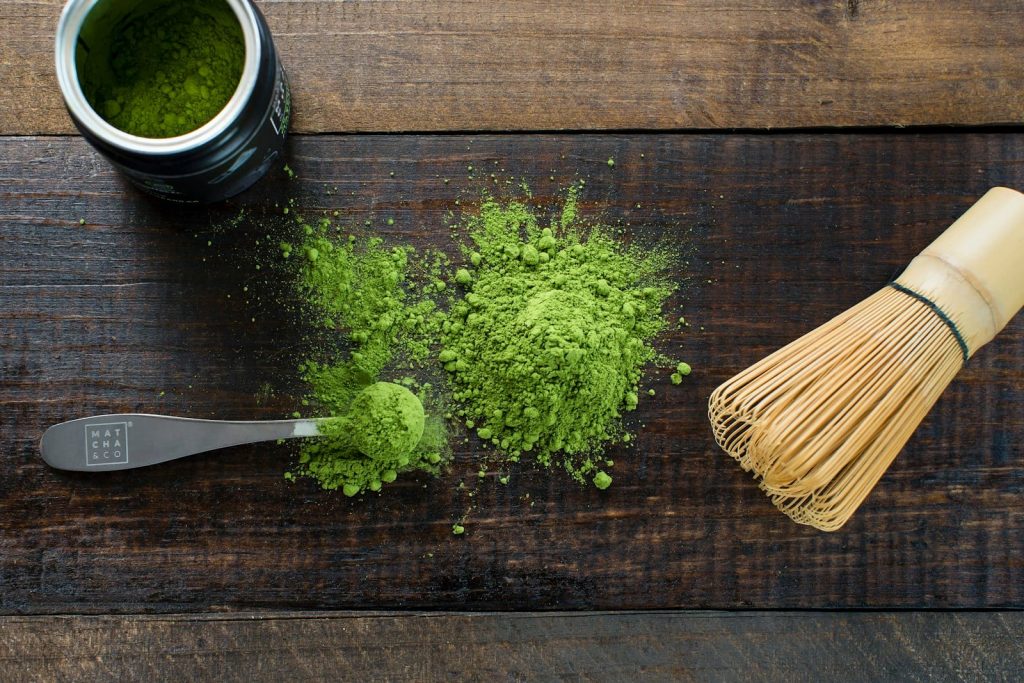
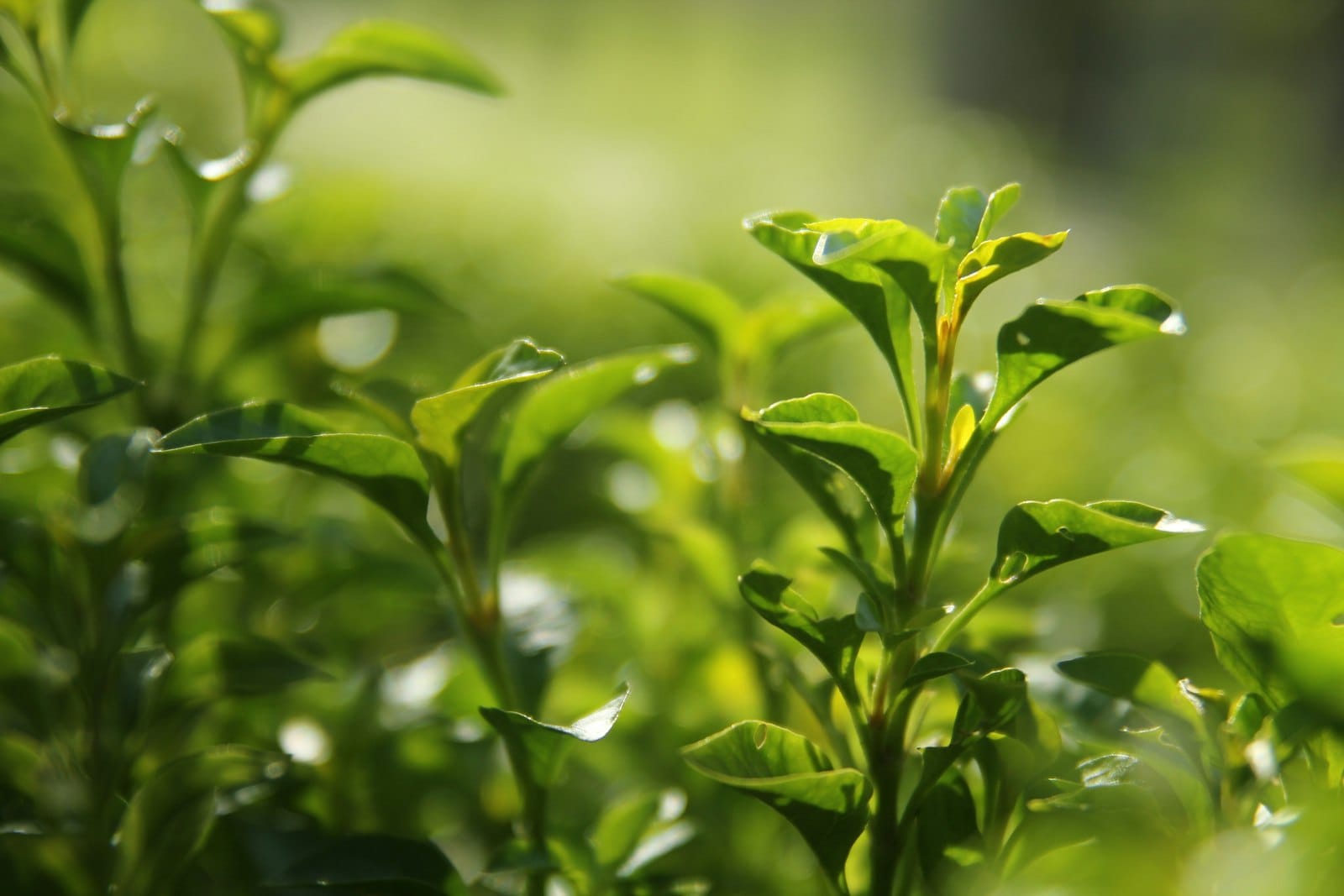
Ordinary green tea is steeped and the leaves discarded, but matcha is the whole leaf, shade-grown and stone-ground into a fine powder, then whisked directly into water.
Because you are consuming the entire leaf rather than an infusion, matcha delivers a more concentrated dose of the antioxidants and nutrients found in green tea — studies suggest significantly more antioxidant activity than a standard steeped cup.
What matcha offers nutritionally
Matcha carries a distinctive combination of compounds that set it apart from most other teas.
| Compound | What it does | Why it matters |
|---|---|---|
| Catechins | Antioxidant polyphenols | Support heart and cellular health |
| L-theanine | Calming amino acid | Smooths out caffeine’s effects |
| Caffeine | Natural stimulant | Gentler, steadier lift than coffee |
| Chlorophyll | Gives matcha its green colour | Comes from shade-growing the leaves |
How to prepare traditional matcha
Making a proper cup of matcha is simple once you know the basic steps, though a few small details make a real difference to the result.
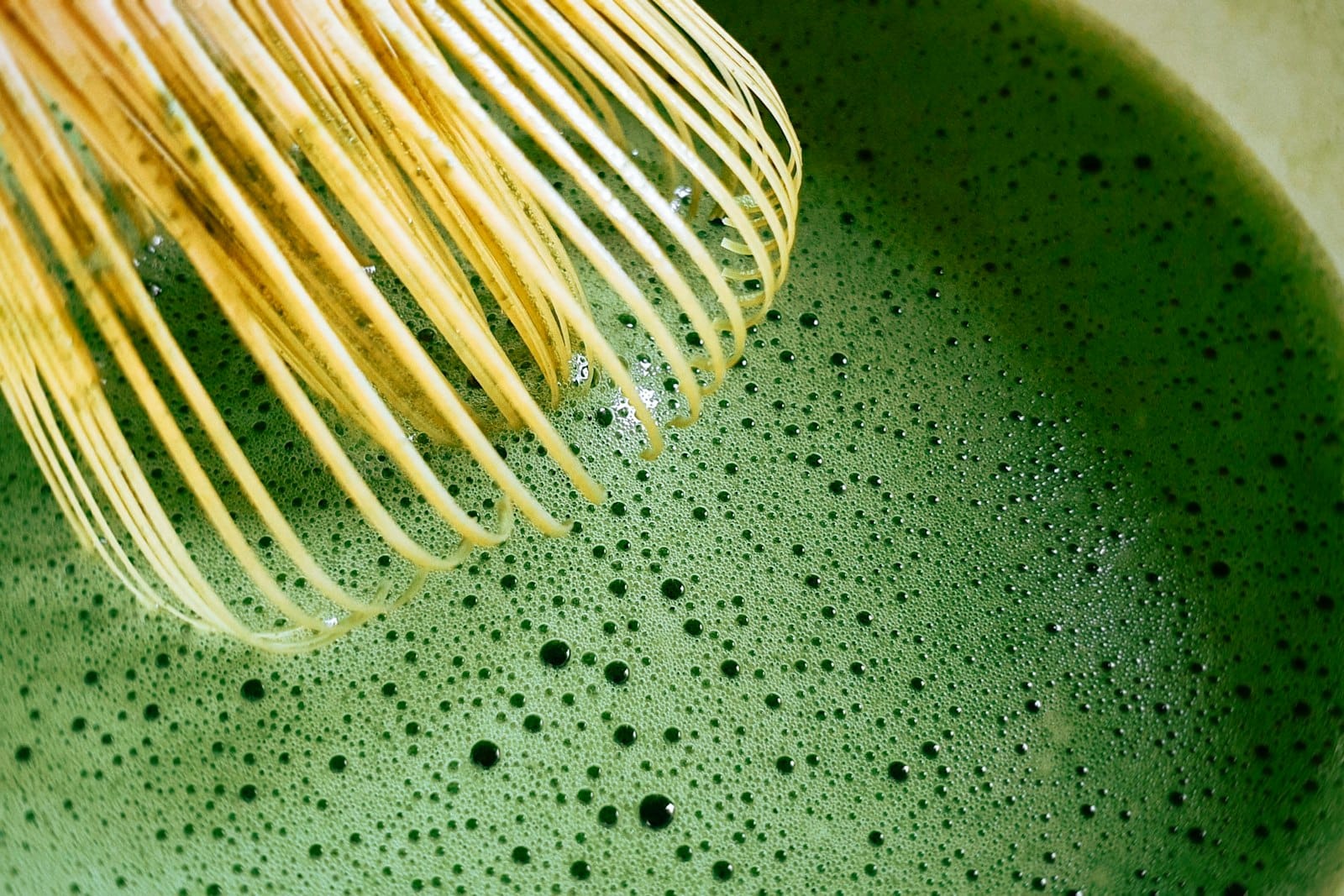
Sift one to two teaspoons of matcha into a bowl to remove clumps, add a small splash of water heated to around 80–85°C, and whisk briskly in a zig-zag motion until a light foam forms on top. Add more water to taste.
Matcha beyond the traditional bowl
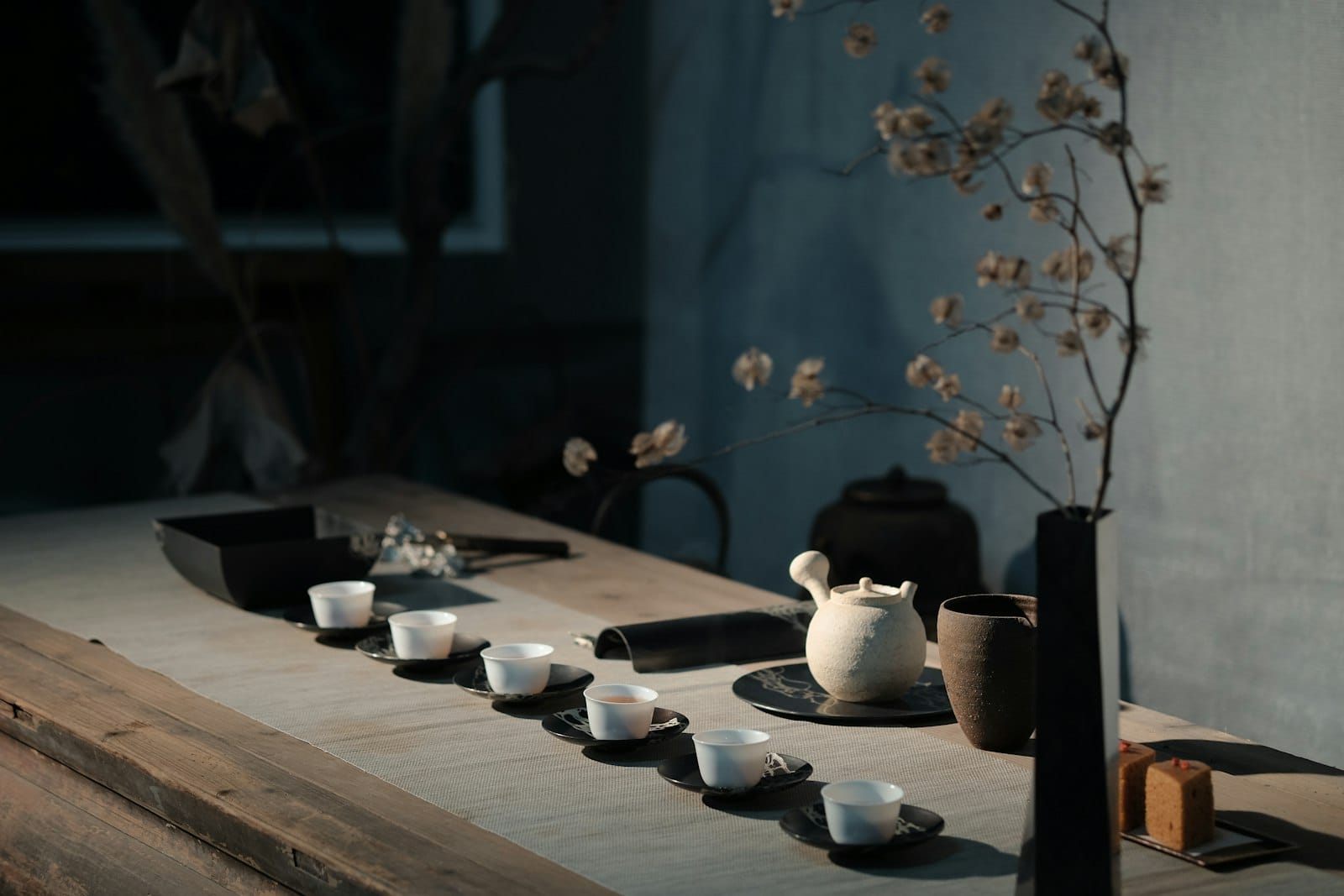
While the traditional whisked preparation has its own quiet appeal, matcha works well in plenty of other formats too.
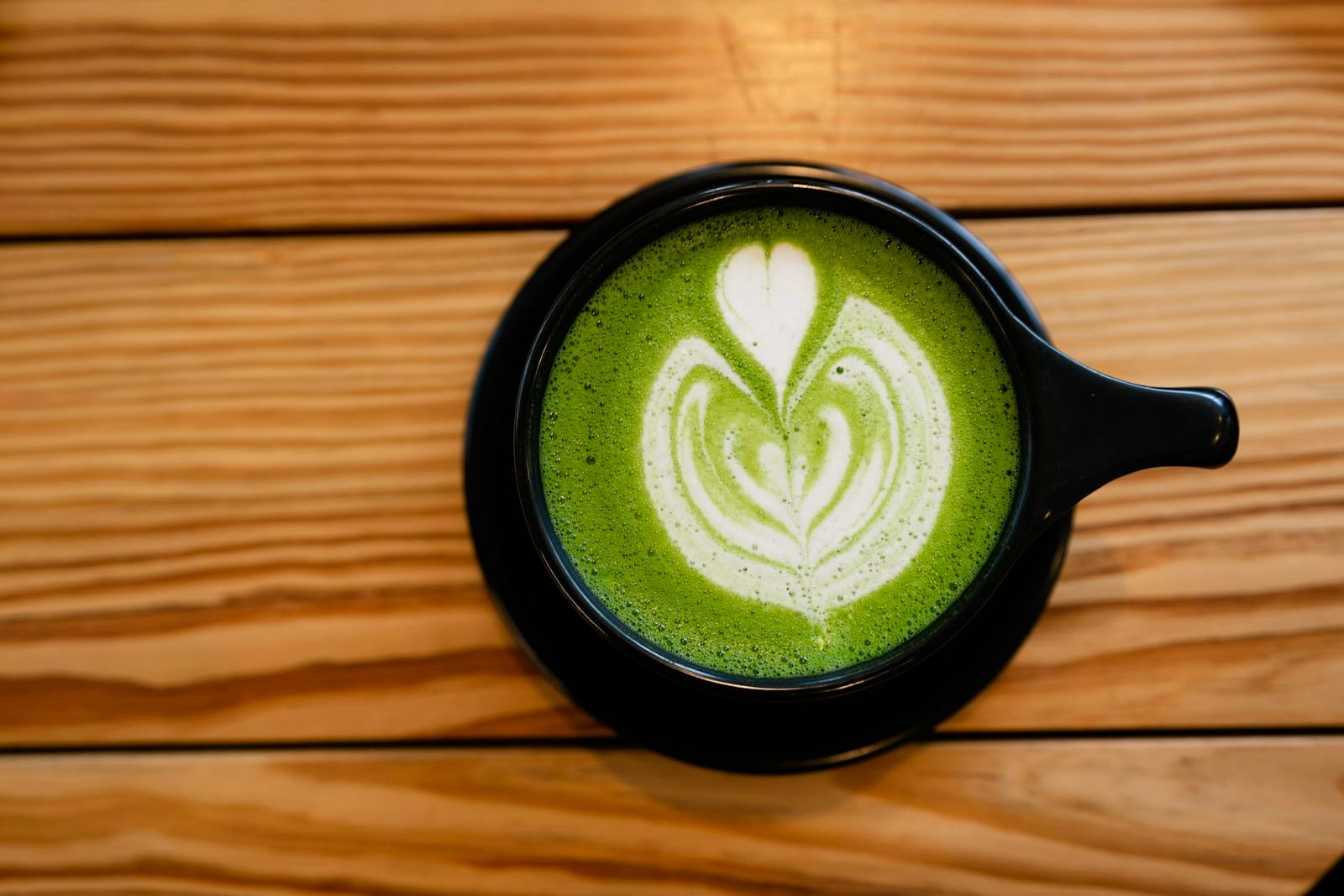
- Matcha latte — whisked matcha topped up with steamed plant milk.
- Iced matcha — whisked with a little water, then poured over ice and plant milk.
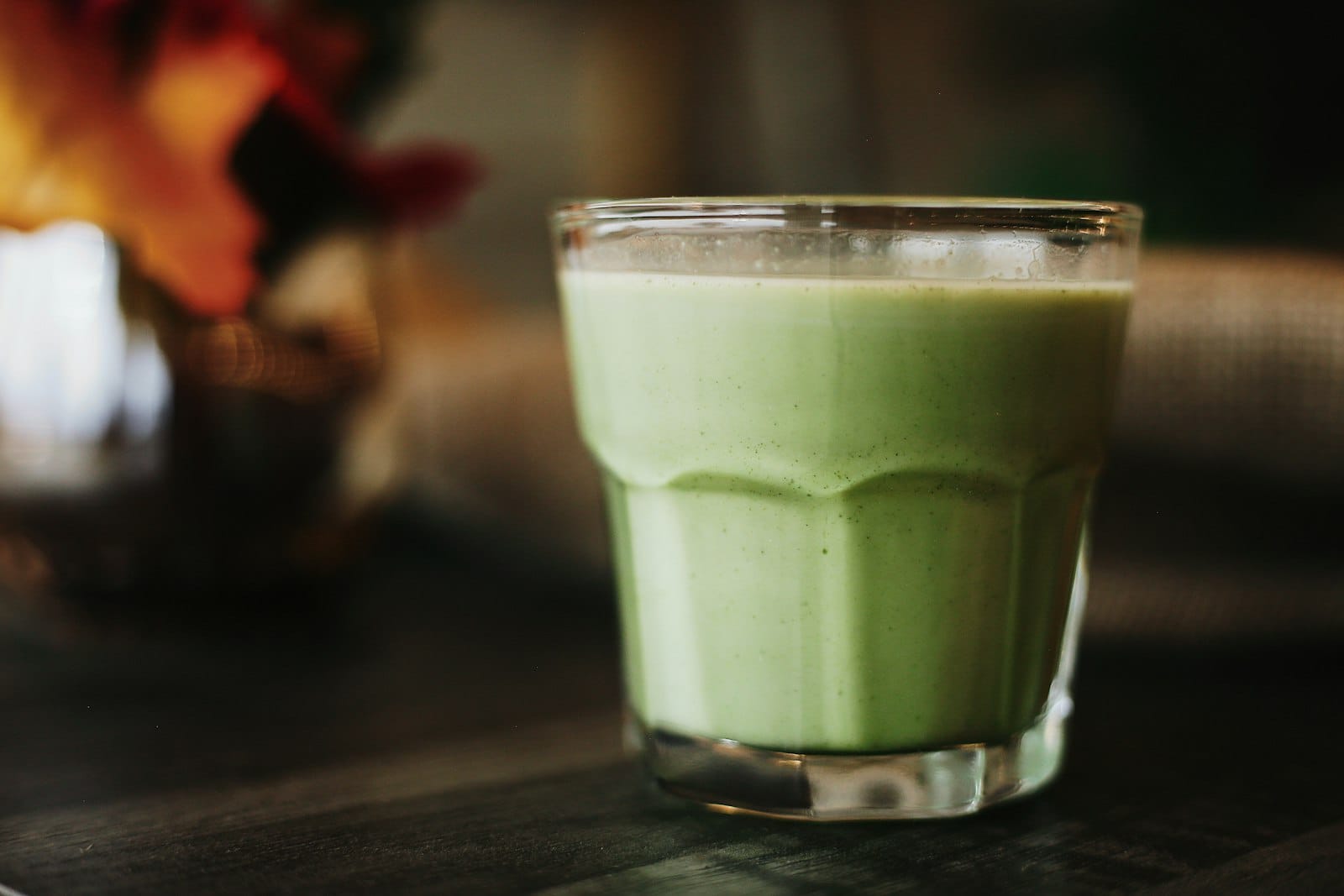
- Matcha smoothie — blended with banana, plant milk and a little sweetener.
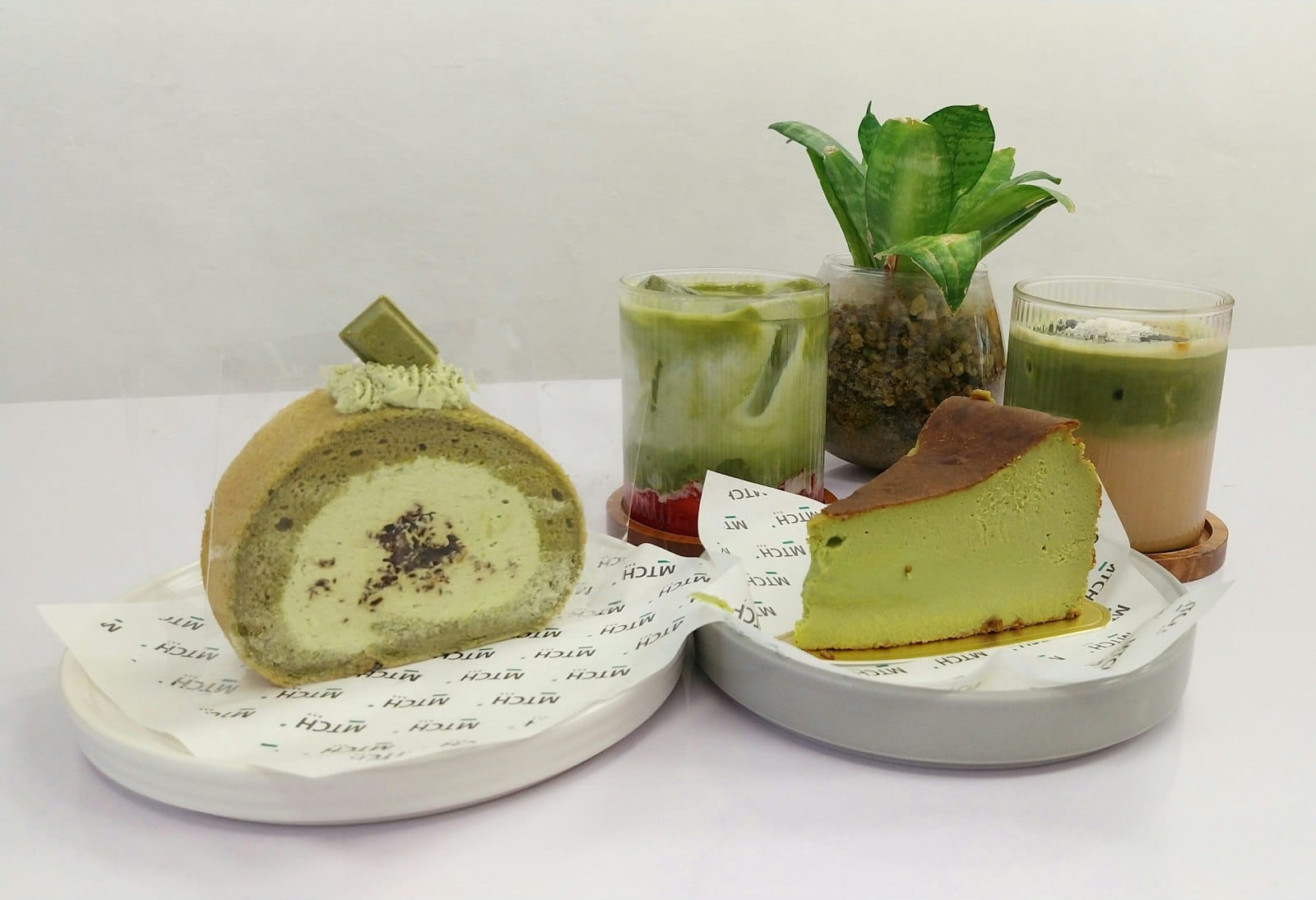
- Baked goods — matcha powder folded into cakes, cookies or slices for colour and flavour.
Common mistakes to avoid
A handful of small errors are responsible for most disappointing first attempts at home.
- Using boiling water — it scorches the delicate leaf powder and brings out unwanted bitterness.
- Skipping the sift — matcha clumps easily, and an unsifted cup often tastes gritty.
- Buying culinary-grade matcha and drinking it straight, expecting a smooth, ceremonial-style cup.
- Storing it somewhere warm or sunny, which fades both colour and flavour surprisingly quickly.
Matcha and caffeine, compared
Matcha generally contains less caffeine per serving than a cup of coffee, but more than standard steeped green tea — though exact amounts vary by brand and preparation.
The key difference is L-theanine, an amino acid that appears to smooth out caffeine’s effects, producing a steadier, more sustained lift rather than a sharp spike and crash.
Ceremonial vs culinary grade
Matcha is generally sold in two broad grades, and knowing the difference saves both money and disappointment.
Ceremonial grade comes from the youngest, most tender tea leaves, ground finely for a smooth, mellow flavour best suited to drinking on its own. Culinary grade is slightly more robust and bitter, made for standing up to milk, sugar and other ingredients in lattes and baking — using an expensive ceremonial-grade matcha in a baked good is genuinely a waste of its subtler qualities.
Where matcha comes from
Traditional matcha is grown almost exclusively in Japan, in regions like Uji and Nishio, where tea plants are shaded for several weeks before harvest to boost chlorophyll and amino acid content.
That shading process is precisely what gives matcha its vivid green colour and smoother, less bitter flavour compared to ordinary green tea grown in full sun.
Choosing a good matcha
Quality varies enormously between brands, and it genuinely affects both flavour and colour — a good ceremonial-grade matcha should be vividly green, finely ground and only lightly bitter.
A dull, yellowish-green powder or a harshly bitter taste usually signals a lower grade, better suited to baking than a straight cup on its own.
Storing matcha properly
Matcha is sensitive to light, heat and air, all of which degrade its colour and flavour over time.
Keep it in an airtight, opaque container in the fridge, and try to use it within a couple of months of opening for the best flavour and vibrant colour.
Timing your cup
Because matcha contains caffeine, it is best enjoyed earlier in the day — morning or early afternoon — rather than as an evening drink.
A morning matcha is also a genuinely pleasant, more gradual alternative to a strong coffee if you are looking to ease off caffeine intake without cutting it out entirely.
A small ritual worth keeping
There is something genuinely calming about the process of whisking a bowl of matcha, beyond just the drink itself — it rewards a slower morning and a few unhurried minutes before the day properly begins.
That small ritual is arguably as much a part of matcha’s appeal as the flavour or the caffeine lift — it is difficult to rush a bowl of matcha the way you might down a quick espresso on the way out the door.
For more plant-based drink inspiration, see our guide to the best plant-milk coffee on the Gold Coast, or browse our full plant-based menu at The Cardamom Pod.
For more on the science behind matcha’s benefits, Cleveland Clinic’s guide to matcha is a solid reference.
Worth the small learning curve
Matcha takes a little practice to prepare well, but once the basic technique clicks, it becomes a genuinely easy daily habit.
A good whisk, the right water temperature, and quality matcha powder are really all you need.
Give it a proper try before deciding it is not for you — a poorly made first cup, often from low-grade powder or water that is too hot, puts a lot of people off unfairly before they ever taste a well-made one.
Once you find a preparation and grade that suits your taste, it tends to become a genuine daily fixture rather than an occasional novelty drink.
Frequently asked questions
What is matcha, exactly?
Matcha is a finely ground powder made from whole, shade-grown green tea leaves — unlike steeped tea, you consume the entire leaf, not just an infusion.
Does matcha have more caffeine than coffee?
Generally less per serving than coffee, but more than a standard cup of steeped green tea, with the added amino acid L-theanine giving a steadier, calmer energy lift.
How do I make matcha without a bamboo whisk?
A small metal whisk, milk frother or even a jar with a tight lid and vigorous shaking can all work to break up clumps, though a bamboo whisk gives the smoothest, frothiest result.
What water temperature is best for matcha?
Around 80–85°C (well below boiling) — water that is too hot can make matcha taste bitter.
Does The Cardamom Pod serve matcha?
Check our current drinks menu for seasonal offerings — our plant-milk coffee range is a good place to start if matcha is not currently available.
Keep exploring
For more, read our guides to cardamom: benefits and uses, cinnamon: benefits and uses, and the best plant-milk coffee on the Gold Coast.