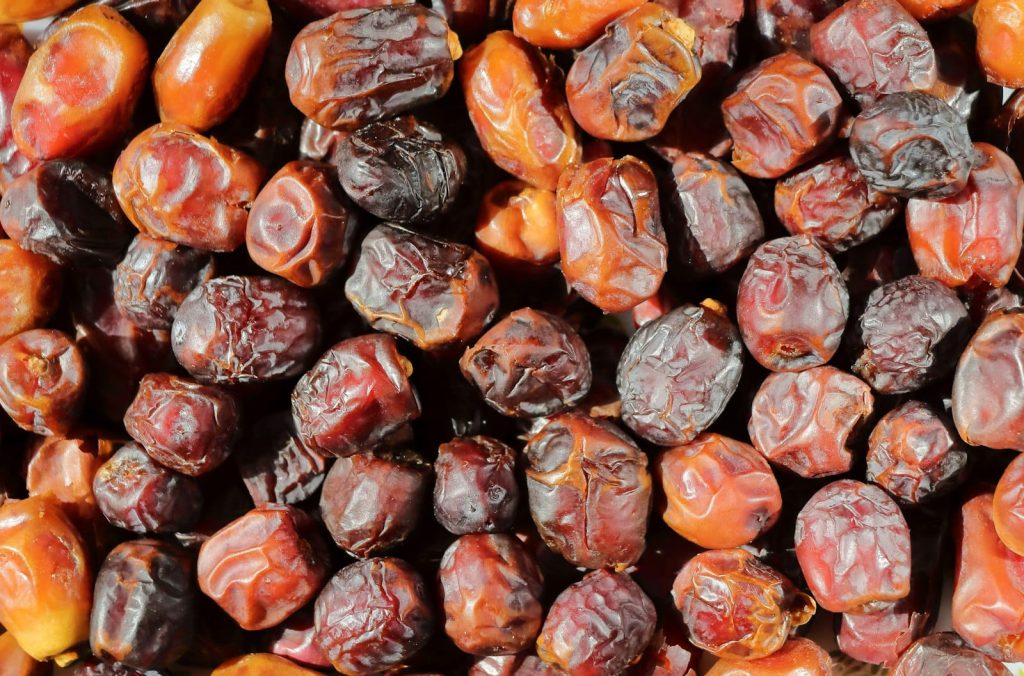
Dates are one of the simplest ways to add natural sweetness to plant-based cooking — no processing required, just a whole fruit doing the work.
This guide covers what makes dates worth keeping in the pantry, and a few reliable ways to use them.
They show up constantly in vegan baking and desserts for good reason — sweetness, binding and a subtle caramel depth, all from one ingredient.
What makes dates nutritionally useful
Dates are rich in fibre, potassium and a range of antioxidant polyphenols, alongside smaller amounts of B vitamins and minerals like magnesium.
Because they are a whole fruit rather than a refined ingredient, that fibre content helps moderate how quickly the natural sugars are absorbed — a meaningful difference compared to something like table sugar or syrup.
A genuinely better sweetener, with limits
Dates offer real nutritional advantages over refined sugar — fibre, potassium and antioxidants that a spoonful of white sugar simply does not carry.
That said, they are still a concentrated source of natural sugar and calories, so portion size matters. Think of dates as a whole-food swap for refined sugar, not a food to eat without any limit.
Medjool vs Deglet Noor
Not all dates are the same — the variety you choose changes both texture and how you might use them.
| Variety | Texture | Sweetness | Best for |
|---|---|---|---|
| Medjool | Large, soft, sticky | Rich, caramel-like | Eating whole, stuffing, blending |
| Deglet Noor | Smaller, firmer | Milder | Baking, chopping into recipes |
Date caramel: the easiest swap
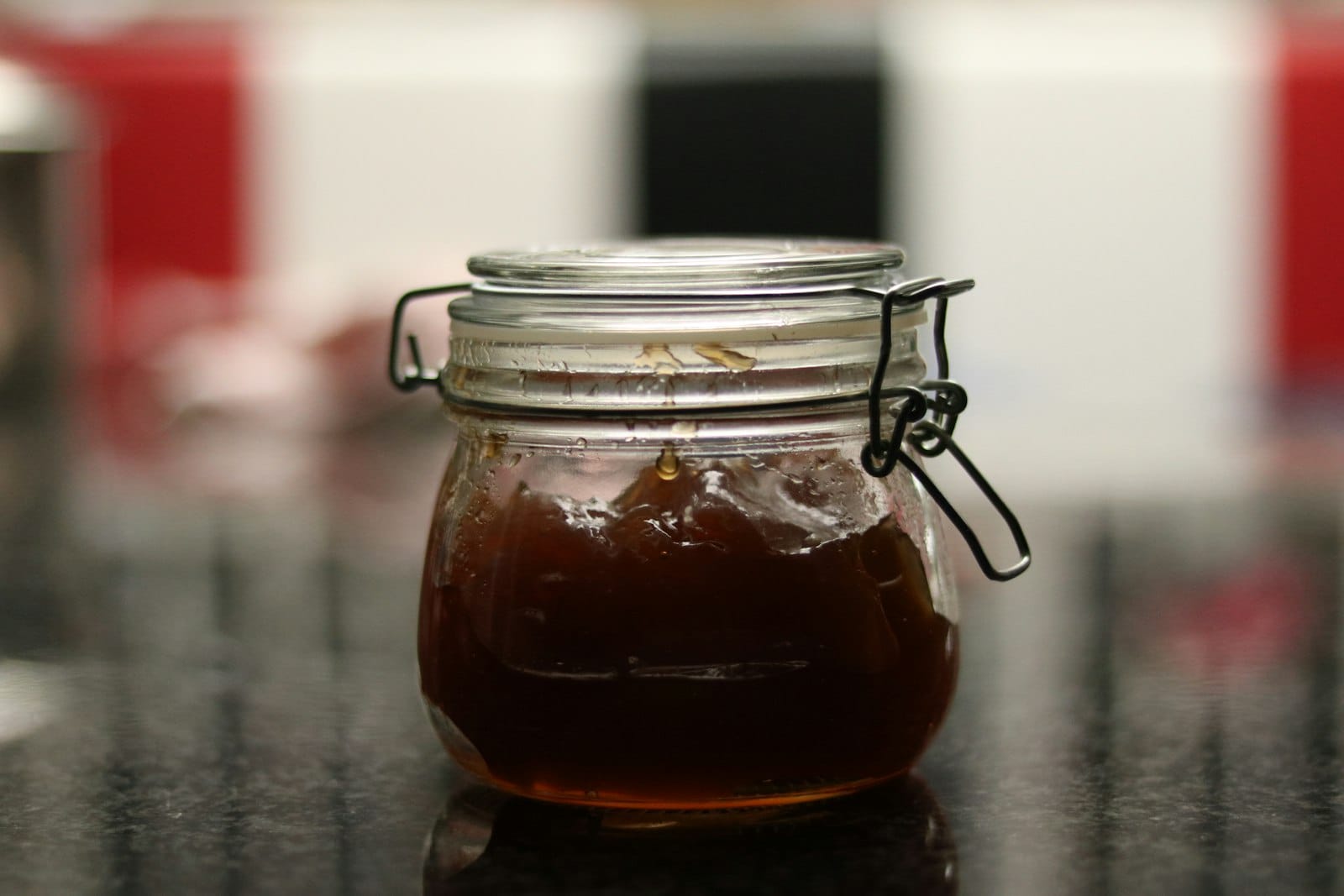
Blended dates make a genuinely convincing caramel substitute — soften pitted dates in warm water for ten minutes, then blend with a splash of the soaking liquid, a pinch of salt and a little vanilla until smooth.
It works as a dip for fruit, a drizzle over porridge, or a binding layer in a slice or bar recipe, and keeps well in the fridge for a couple of weeks.
Baking with dates
Dates are a reliable way to add moisture, sweetness and binding to baked goods without relying on refined sugar.
- Blend into batters for banana bread or muffins for natural sweetness and moisture.
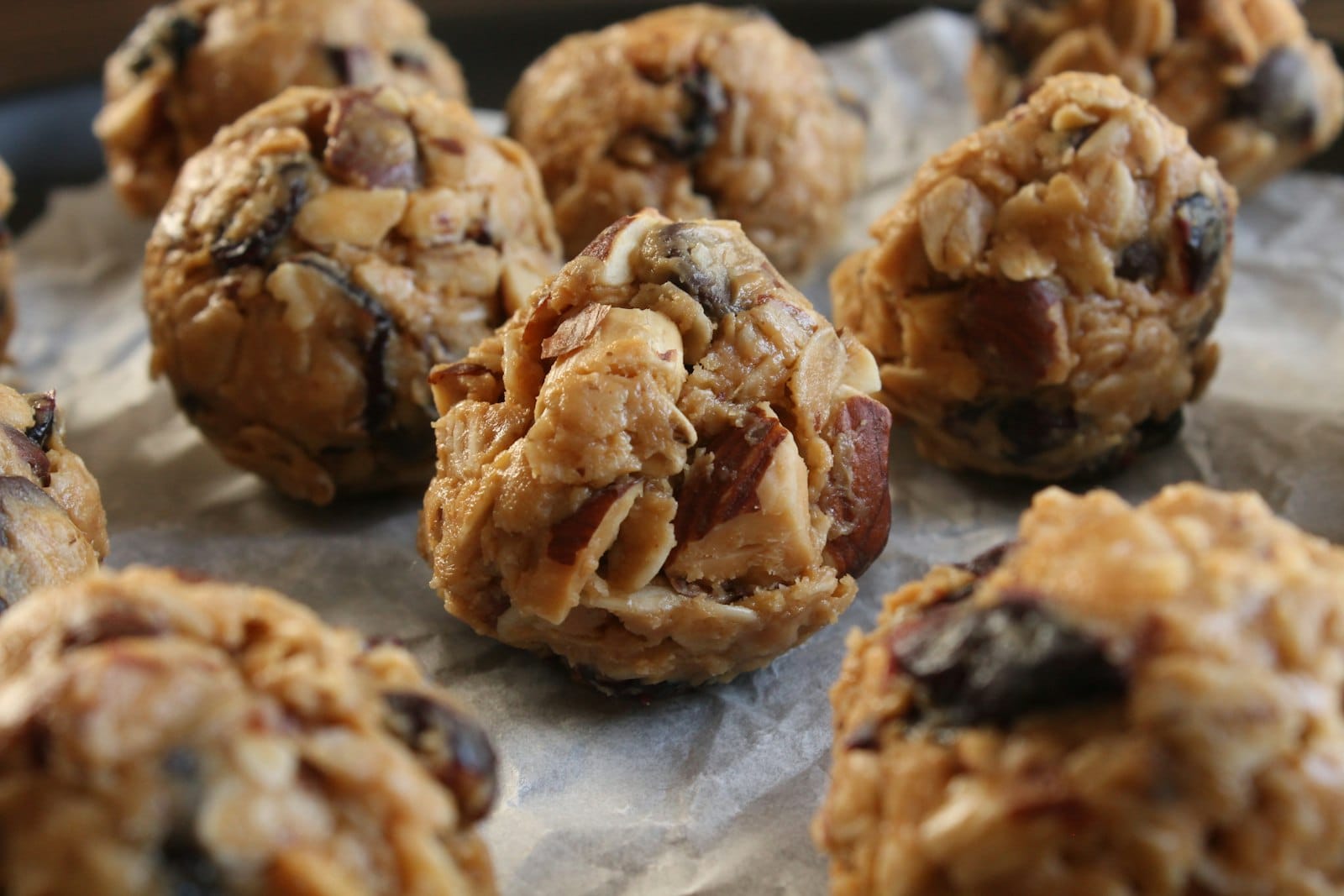
- Chop and fold into energy balls or slices as a binding, sweet base.
- Simmer and mash into a spread for toast or porridge.
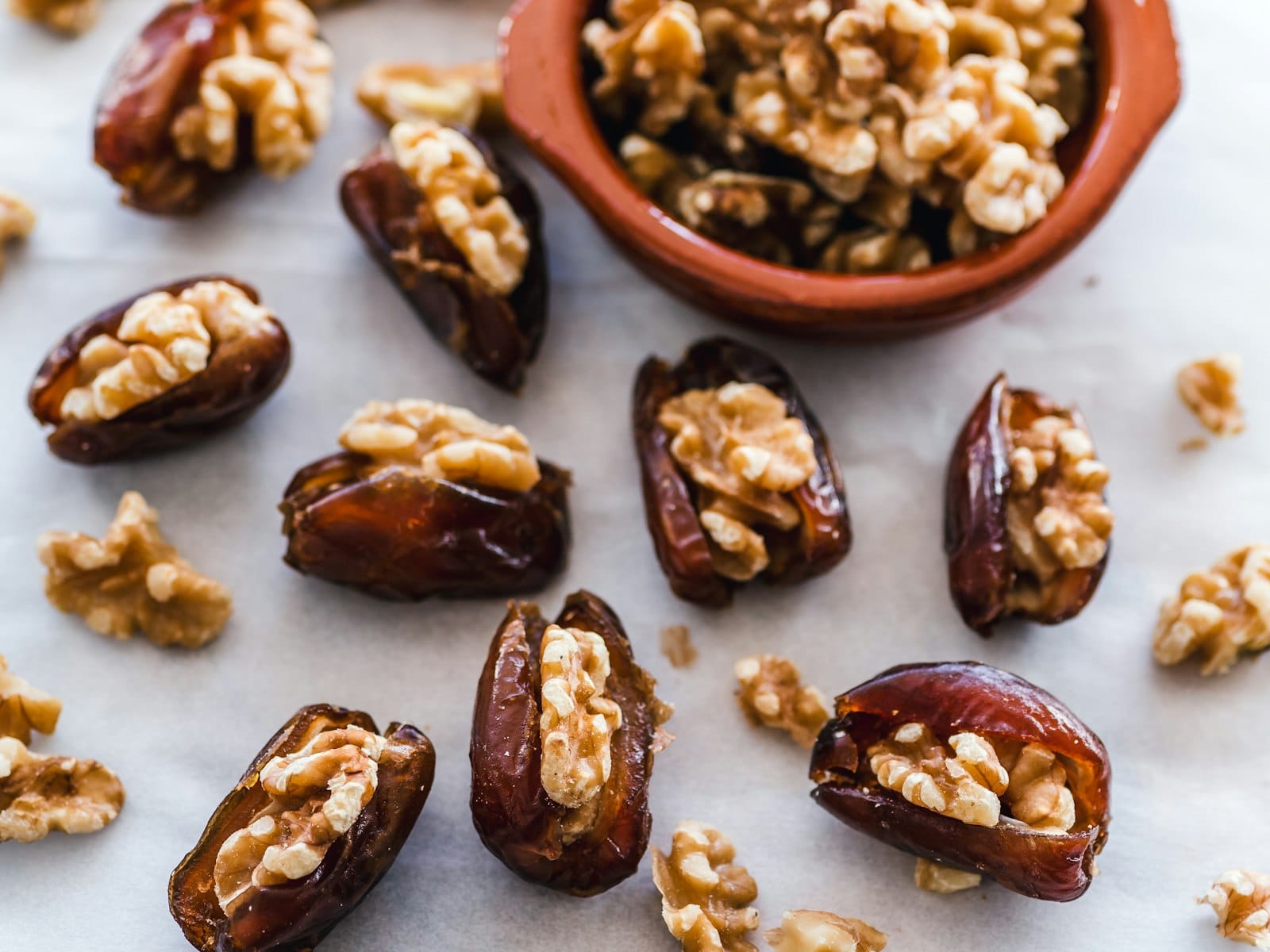
- Stuff whole with nut butter for a simple, no-bake snack.
Savoury cooking with dates
Dates are not limited to sweet cooking — a few chopped into a tagine, a rich curry sauce or a grain salad add a subtle sweetness that balances out spice and acidity in a way refined sugar cannot quite replicate.
This is a particularly common technique in North African and Middle Eastern cooking, where dates have long been used to round out savoury dishes rather than only appearing in dessert.
A note on origin and quality
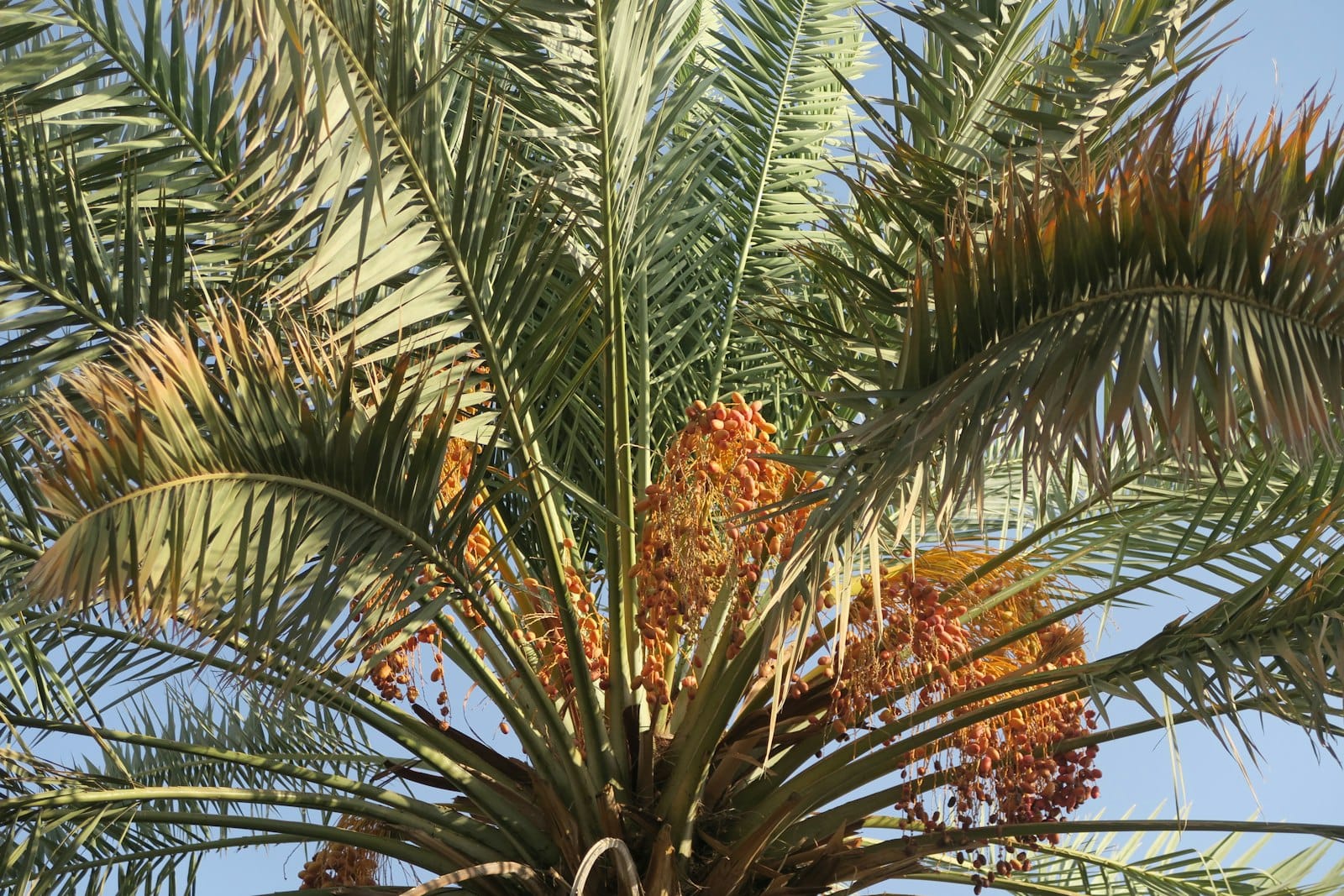
Dates are grown across the Middle East, North Africa and parts of the United States, and where they come from can genuinely affect flavour, size and price.
Medjool dates from Jordan, Israel or California tend to command a premium for their size and softness, while more everyday varieties are considerably more affordable and still perfectly good for cooking and baking, if less impressive eaten straight from the bag.
Dried dates sold in supermarkets are usually sun-dried or lightly dehydrated rather than fresh, which is part of why they keep so well — fresh dates, when you can find them, have a shorter shelf life but an even softer, more delicate texture worth trying at least once.
Smoothies and drinks
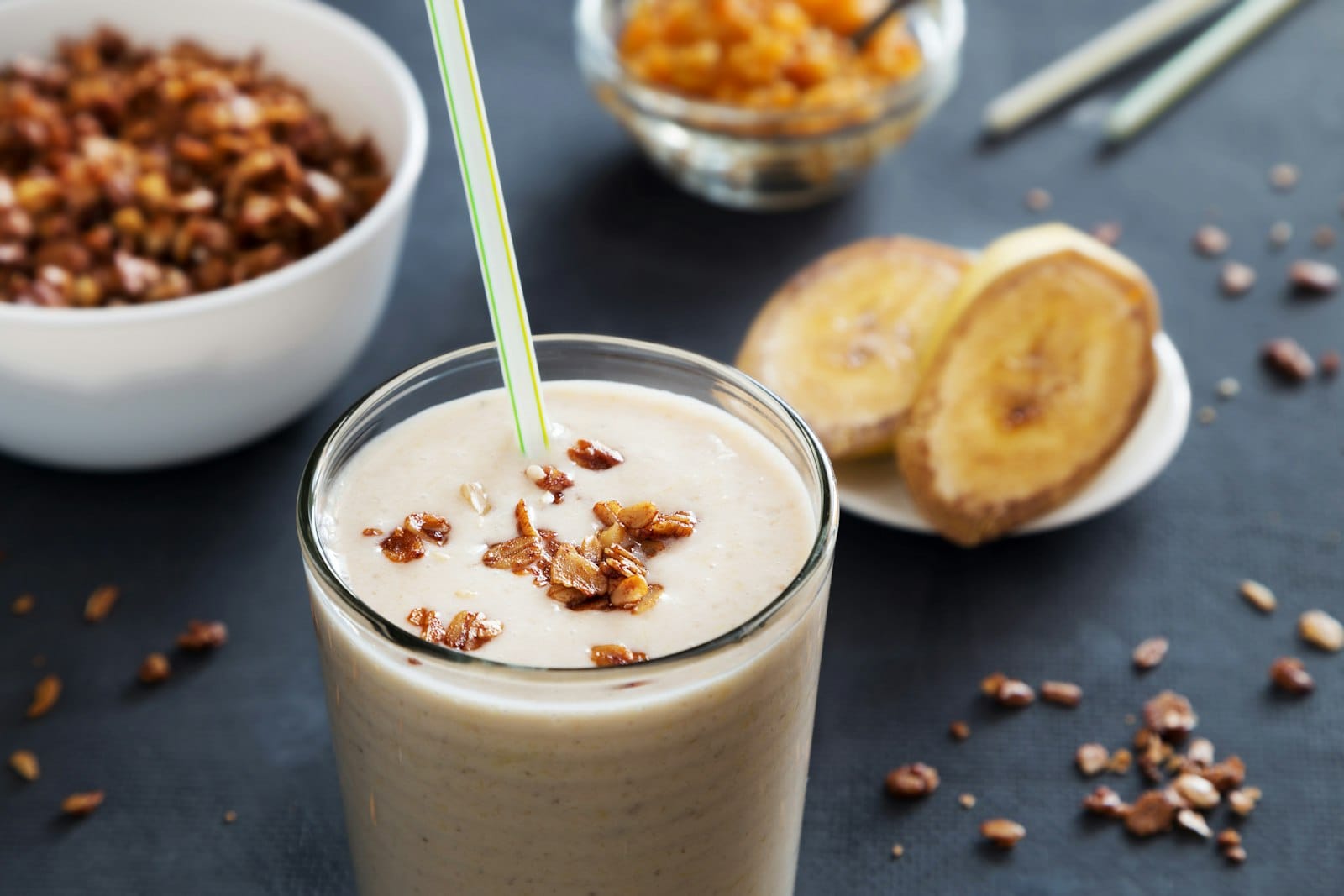
A couple of pitted dates blended into a smoothie add natural sweetness and a subtle caramel note, without needing any refined sugar or syrup.
They also add body and thickness, which is especially useful in a smoothie that is otherwise light on fruit — try one or two dates alongside your usual smoothie bowl ingredients for a richer result.
Iron and mineral content
Dates contain a modest amount of iron alongside potassium, magnesium and copper, though they are not a primary iron source on their own.
Pairing them with a vitamin C-rich food, as with most plant-based iron sources, helps the body absorb what iron is present more effectively — see our guide to iron-rich vegan foods for the bigger picture.
Choosing and storing dates
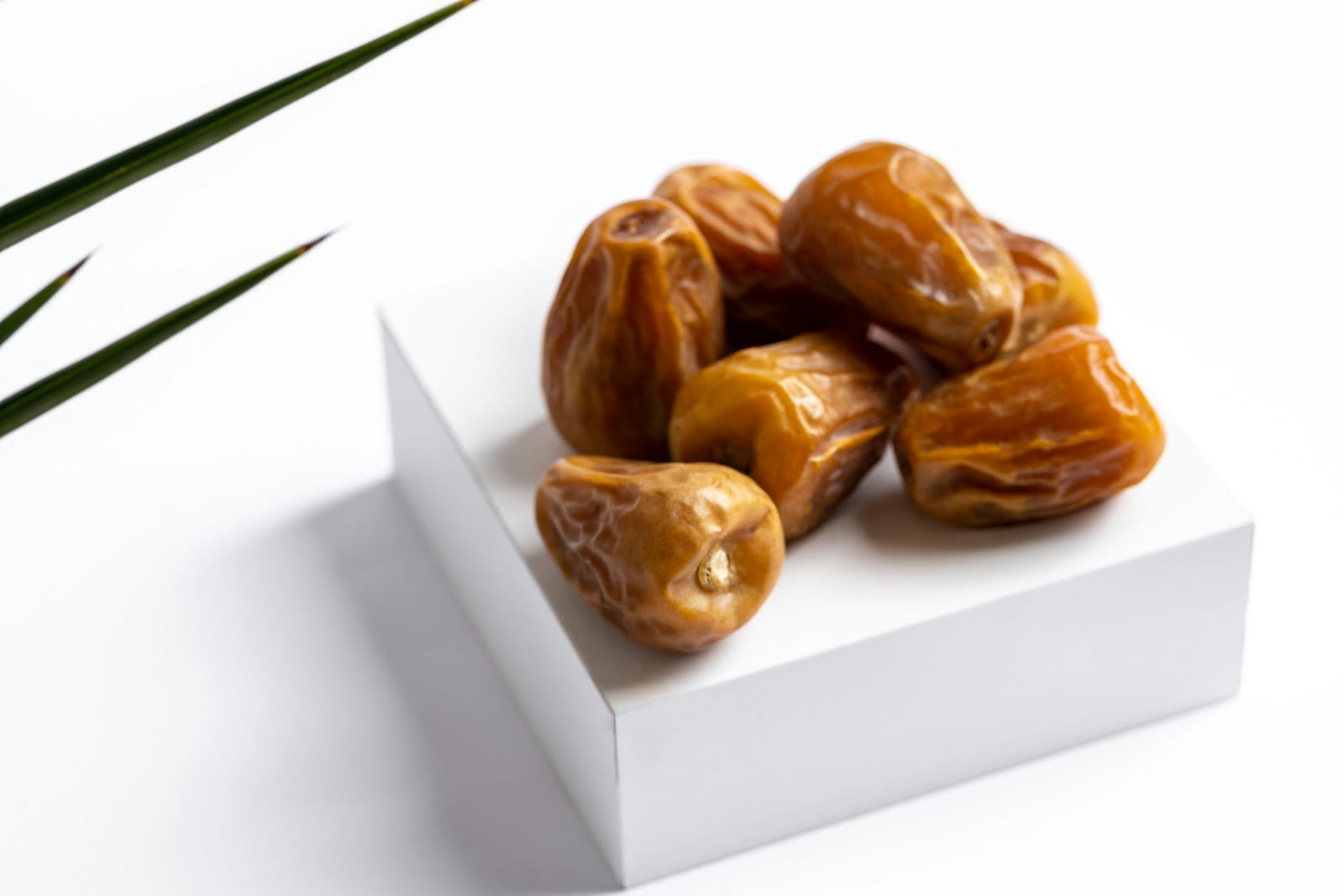
Look for dates that feel slightly soft and glossy rather than dry or crystallised on the outside — that dried-sugar coating usually signals an older batch that has lost some moisture.
Stored in an airtight container in the fridge, most varieties keep well for several months, making them a genuinely low-maintenance pantry staple. Freezing works well too if you buy in bulk, and dates thaw quickly enough to use straight from frozen in most recipes.
Always check for the pit before eating or blending — most packaged dates are pitted, but it is worth a quick check regardless, particularly with fresh or bulk-bought varieties.
A small habit worth keeping
Dates are a simple, whole-food way to satisfy a sweet craving without reaching for something more processed — a couple eaten straight, or blended into a caramel, cover a lot of ground.
They are also a genuinely handy option to keep in a bag or the car for a quick, natural energy boost, particularly before or after exercise, when a piece of fresh fruit is not always practical.
For more on building a well-stocked plant-based pantry, see our guide to vegan kitchen staples, or browse our full plant-based menu at The Cardamom Pod.
For more on the nutritional profile of dates, Healthline’s breakdown of date health benefits is a useful reference.
Worth keeping stocked
Once dates become a regular pantry item, they tend to find their way into far more than just dessert — smoothies, sauces, breakfast bowls and baking all benefit.
A bag of good Medjool dates rarely lasts long once you start reaching for them.
Keep a stash on hand, and let them replace the sugar bowl a little more often.
Frequently asked questions
Are dates a healthy sugar substitute?
Yes, in moderation — dates are a whole fruit with fibre, potassium and antioxidants, so they offer more nutritionally than refined sugar, though portion size still matters given their concentrated natural sugar content.
What is the difference between Medjool and Deglet Noor dates?
Medjool dates are larger, softer and richer, often eaten on their own, while Deglet Noor dates are smaller, firmer and slightly less sweet, making them useful for baking and chopping into recipes.
How do I make date caramel?
Blend pitted, softened dates with a splash of water, a pinch of salt and a little vanilla until smooth — it works beautifully as a dip, drizzle or filling.
Can dates help with iron intake?
Dates contain a small amount of iron, and pairing them with a vitamin C-rich food can help improve absorption, though they should not be relied on as a primary iron source.
How should dates be stored?
Dates keep well in an airtight container in the fridge for several months, or at room temperature for a few weeks — softer varieties like Medjool benefit most from refrigeration.
Keep exploring
For more, read our guides to hemp seeds: benefits and uses, homemade plant-based granola, and vegan kitchen staples.