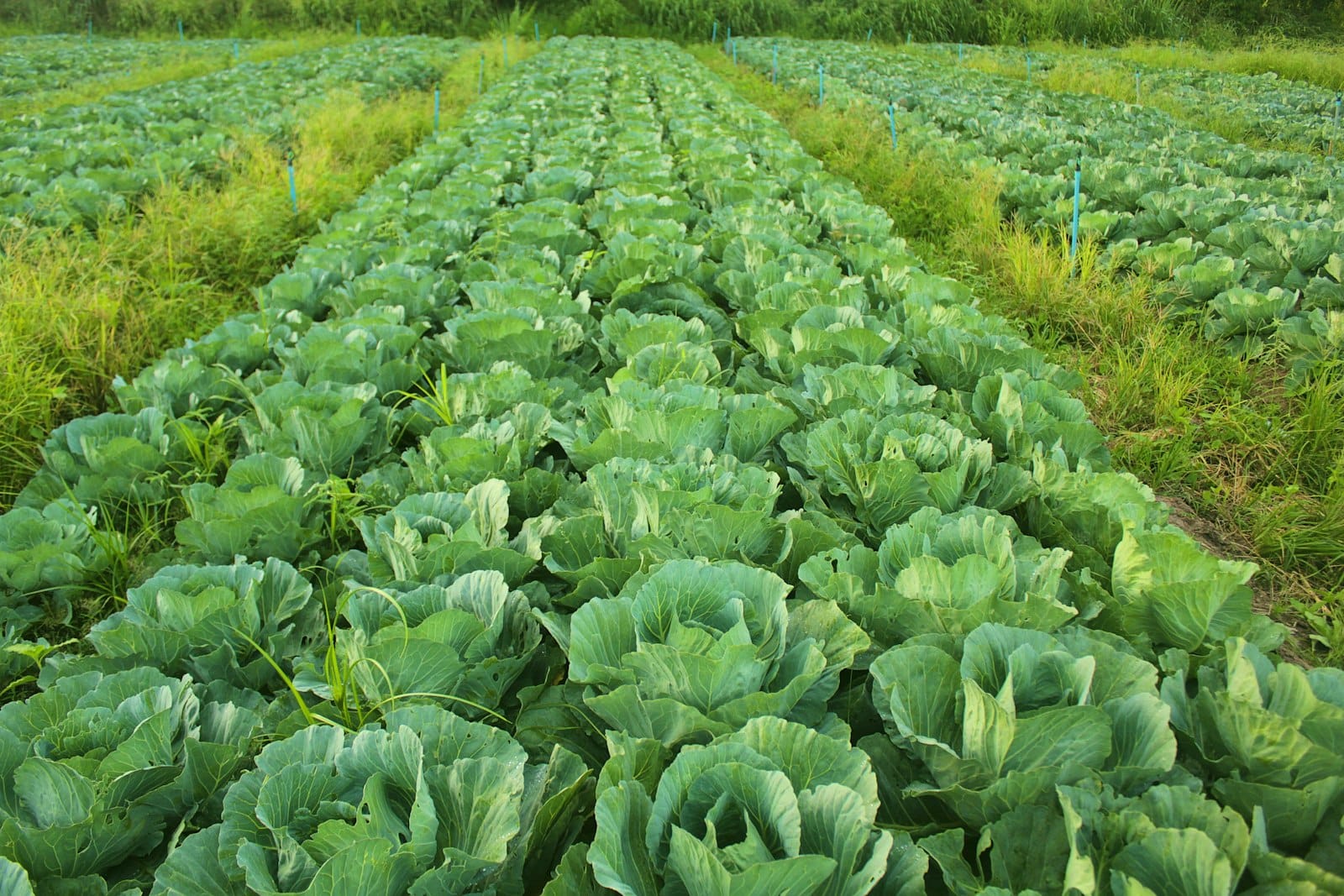
When we think about protecting the planet, we often picture renewable energy or electric cars. But one of the most powerful tools for change sits right on our plates — what we choose to eat.
Food production is a major driver of climate change, land clearing and water use, and animal agriculture carries a particularly heavy footprint. The encouraging news is that eating more plants is one of the simplest, most effective ways to tread more lightly on the earth.
This guide looks at exactly how plant-based eating helps the environment — and why even small shifts count.
Food and the planet: the big picture
Our food system is responsible for around a quarter of all global greenhouse gas emissions. That is an enormous share — comparable to the impact of how we power our homes and travel.
Within that, animal products carry a disproportionate cost. Livestock require vast amounts of land, water and feed, and cattle in particular release methane, a potent greenhouse gas. The result is that meat and dairy account for a large slice of food emissions while providing a much smaller share of the world’s calories and protein.
Shifting towards plants, then, targets one of the most impactful parts of our environmental footprint. The excellent research resource Our World in Data explores these numbers in depth.
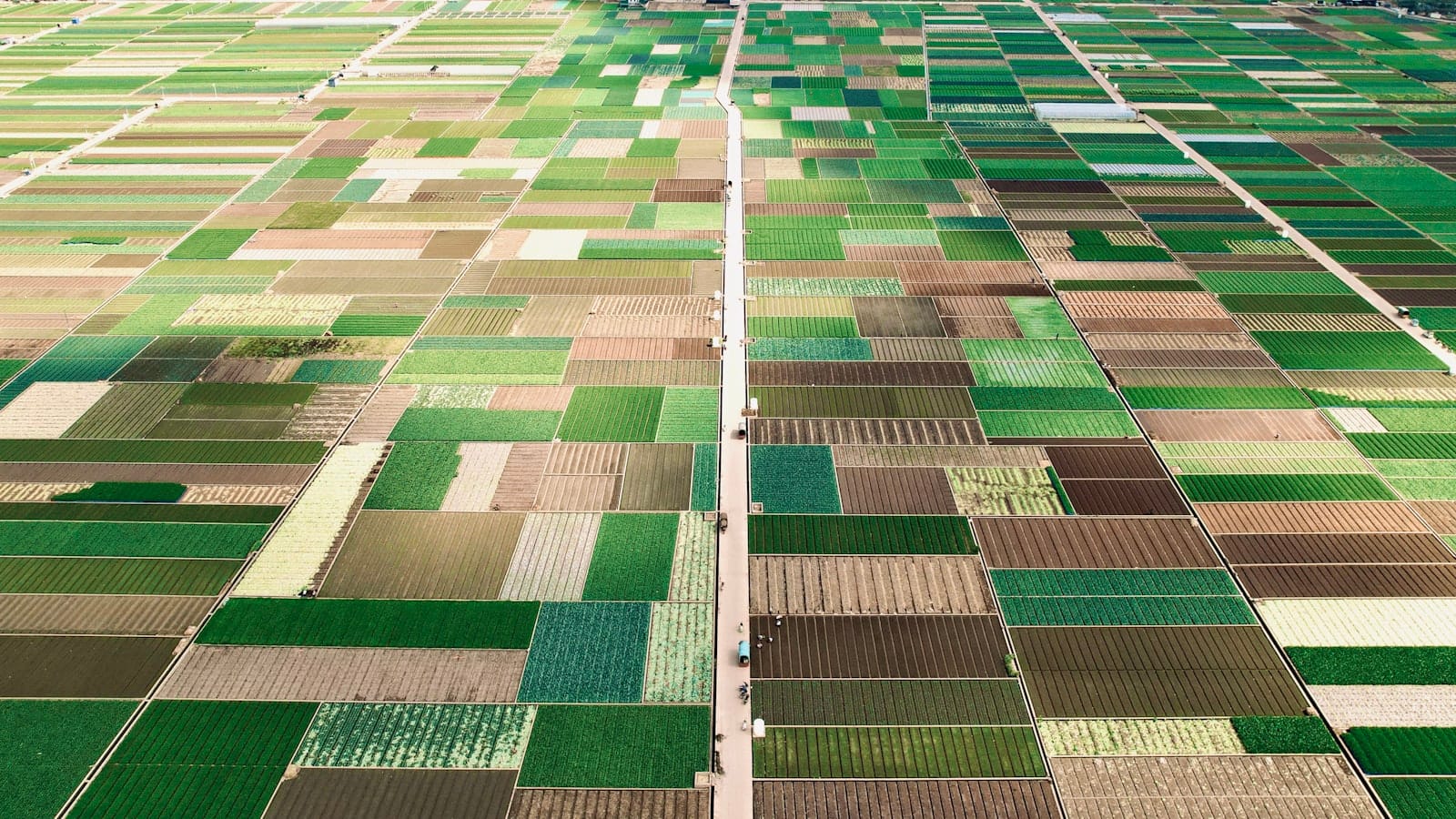
Carbon footprints, food by food
The difference between animal and plant foods becomes clear when you compare their carbon footprints. These approximate figures show kilograms of greenhouse gas emissions per kilogram of food.
| Food | Approx. CO₂e per kg | Type |
|---|---|---|
| Beef | ~60 kg | Animal |
| Lamb | ~24 kg | Animal |
| Cheese | ~21 kg | Animal |
| Chicken | ~10 kg | Animal |
| Tofu | ~3 kg | Plant |
| Beans & lentils | ~1 kg | Plant |
| Vegetables | ~0.5 kg | Plant |
The pattern is striking: the highest-footprint plant foods still sit well below the lowest-footprint animal foods. Swapping even some meat for legumes or tofu delivers a real environmental saving.
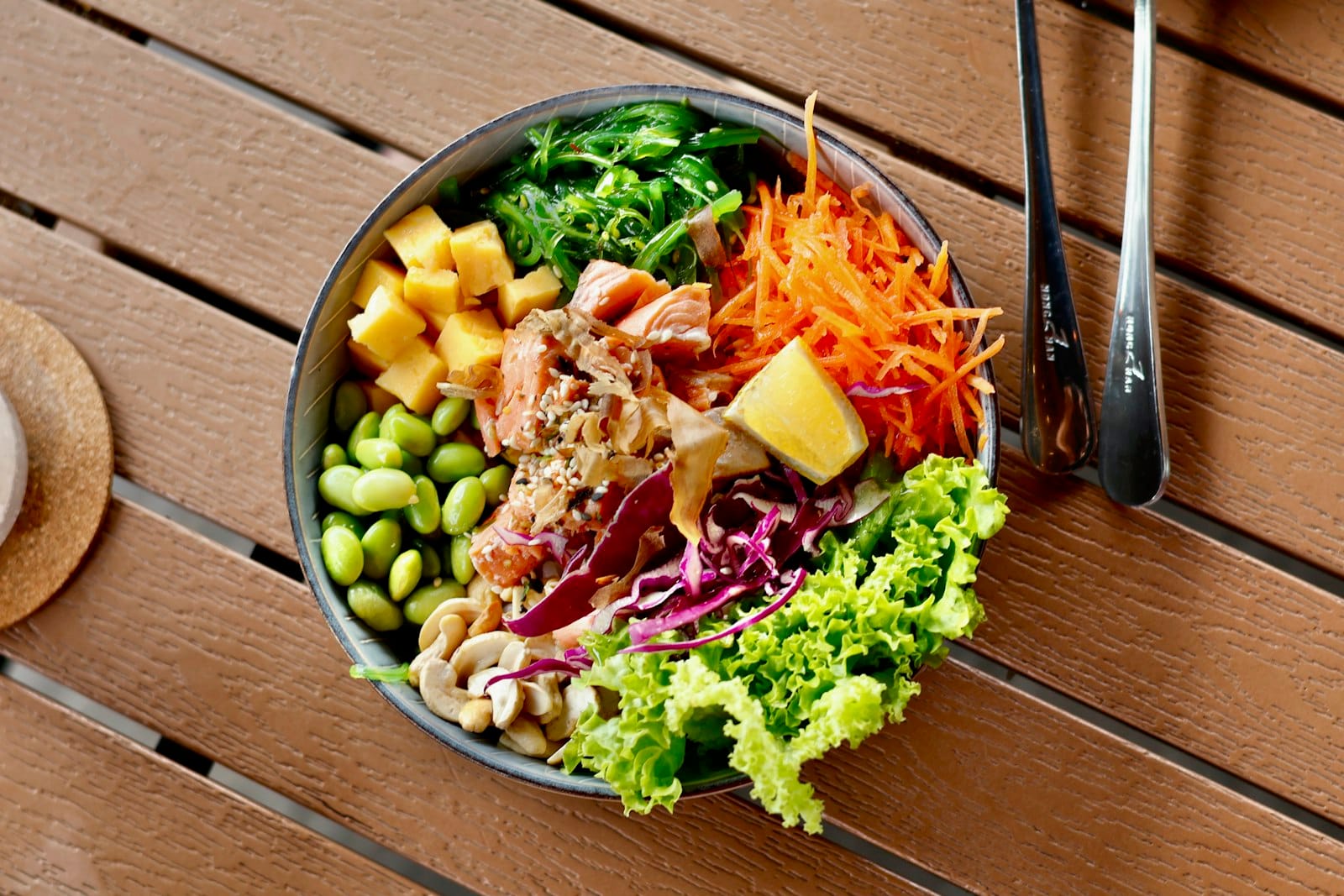
Less land, more nature
Agriculture is the single biggest use of land on the planet, and animal farming takes the lion’s share — both for grazing and for growing the crops that feed livestock.
Because plants can be eaten directly rather than cycled through animals first, a plant-based food system needs far less farmland to feed the same number of people. Research suggests that a global shift away from animal products could free up an enormous area of land — space that could return to forests and wild habitats, helping to draw down carbon and protect biodiversity.
Saving water
Fresh water is a precious and increasingly stretched resource, and food production is one of its biggest users.
Animal products, particularly red meat and dairy, are especially water-hungry, largely because of the water needed to grow feed crops. Plant foods generally require significantly less water per serving. By choosing more beans, grains and vegetables, we quietly reduce the strain on the world’s water supplies — another benefit that adds up across millions of meals.
Protecting forests and wildlife
Beyond carbon and water, our food choices ripple out to the wider natural world. Clearing land for grazing and animal feed is a leading cause of deforestation, especially in some of the planet’s most biodiverse regions.
Forests are vital carbon stores and irreplaceable habitats. Reducing demand for the most land-intensive foods eases the pressure to clear them, helping to protect the ecosystems and wildlife that depend on them. Eating more plants is, in a very real sense, a vote for a wilder, greener world.
What about food miles and packaging?
A common assumption is that “eating local” is the most important thing you can do for the planet. It certainly helps — but the evidence points somewhere surprising.
For most foods, transport makes up only a small slice of the total footprint; by far the biggest factor is what you eat, not how far it travelled. A locally raised steak still carries a much larger footprint than plant foods grown further away. That does not mean food miles are meaningless — buying local, seasonal produce is a lovely thing to do. But if you want the single biggest impact, shifting towards plants matters far more than shortening the journey. Local, seasonal and plant-based is the ideal to aim for.
You do not have to be perfect
If all of this feels daunting, here is the most important message: you do not need to be a perfect, fully committed vegan to make a difference. The environment benefits from every plant-based meal.
Reducing animal products a few days a week, choosing legumes over beef, or simply cooking more plant-forward meals all add up — especially when millions of people do the same. Sustainable change is about direction, not perfection. Small, consistent choices are genuinely powerful.
Eat well, tread lightly
At The Cardamom Pod in Southport, treading lightly on the planet is baked into everything we do. Our menu is fully plant-based — vibrant, satisfying food that is kinder to the earth without asking you to compromise on flavour.
Every plant-based plate is a small act of care for the world, and a delicious one at that. Browse our full plant-based menu, or book a table at The Brickworks in Southport.
Frequently asked questions
Is a plant-based diet really better for the environment?
Yes. Research consistently shows that plant-based foods have a much smaller environmental footprint than animal products, using far less land and water and producing fewer greenhouse gas emissions per serving.
Which foods have the highest carbon footprint?
Beef, lamb and cheese have by far the highest footprints per kilogram, while plant foods like beans, lentils, tofu, grains and vegetables are among the lowest. Choosing more plants is one of the most effective dietary changes you can make.
Do I have to be fully vegan to help the planet?
Not at all. Every plant-based meal makes a difference. Reducing animal products — even a few days a week — meaningfully lowers your footprint. Progress matters more than perfection.
How does eating plants save water?
Animal products, especially red meat and dairy, require large amounts of water to produce, largely for growing animal feed. Plant foods generally need far less water per serving, so a plant-rich diet reduces your water footprint.
What is the single most impactful food change I can make?
Cutting back on beef and lamb tends to have the biggest impact, as they are the most resource-intensive foods. Replacing them with legumes, tofu or vegetables offers a large environmental saving for a simple swap.
Keep exploring
For more, read our guides to plant-based diets and weight loss, the best vegan protein sources, and easy vegan breakfast ideas.
Leave a Reply